





 Portuguese
  English
  Spanish
  4 min of reading
  0 comments


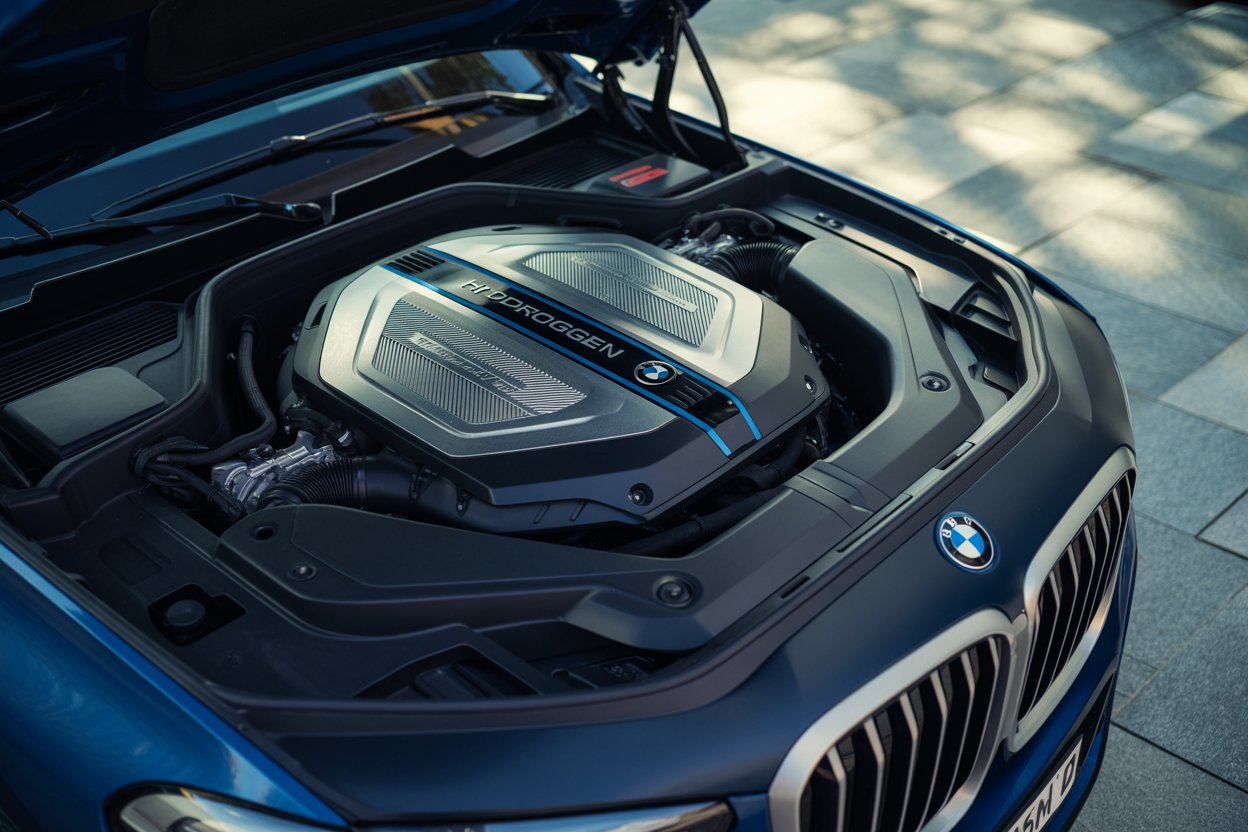
BMW Innovation Promises to Transform the Relationship Between Driver and Car With Intelligent Systems That Understand Intentions, Reduce Unnecessary Alarms, and Eliminate Fights With Invasive Alerts
The future of automotive driving has just gained a new chapter with BMW. The German automaker unveiled, in September 2025, a stunning advancement in its driver assistance systems, known as ADAS (Advanced Driver Assistance Systems). Unlike current technologies, often seen as “electronic nannies” that hinder more than help, BMW promises a system capable of interpreting the driver’s signals, avoiding unnecessary corrections and making driving much more natural.
The innovation was detailed in an article published by The Drive, authored by Byron Hurd, who highlighted how BMW’s new features could be decisive in winning over drivers who still view ADAS with skepticism. After all, few things annoy as much as a car trying to force steering in the wrong direction in situations where the driver has full control.
Why Are Current ADAS Systems So Criticized by Drivers?
ADAS were created to enhance road safety, offering functions such as lane-keeping assist, automatic emergency braking, adaptive cruise control, and even features like Tesla’s “Full Self-Driving”. However, the problem is that, in practice, many of these systems interfere at the wrong moments, taking autonomy away from the driver and generating frustrations.
-
Motorola launched the Signature with a gold seal from DxOMark, tying with the iPhone 17 Pro in camera performance, Snapdragon 8 Gen 5 that surpassed 3 million in benchmarks, and a zoom that impresses even at night.

-
Satellites reveal beneath the Sahara a giant river buried for thousands of kilometers: study shows that the largest hot desert on the planet was once traversed by a river system comparable to the largest on Earth.

-
Scientists have captured something never seen in space: newly born stars are creating gigantic rings of light a thousand times larger than the distance between the Earth and the Sun, and this changes everything we knew about stellar birth.

-
Geologists find traces of a continent that disappeared 155 million years ago after separating from Australia and reveal that it did not sink, but broke into fragments scattered across Southeast Asia.

Imagine the scene: you are on a two-lane road, entering a small town, and encounter a delivery truck stopped in your lane. As you swerve to pass it, the car immediately triggers auditory alerts and tries to correct the steering to the right, even though there is no real risk. For many drivers, this experience is a true annoyance — and the time wasted navigating menus to turn off these systems only increases the irritation.
It is precisely at this point that BMW promises a paradigm shift, presenting a system that respects the driver’s intention, instead of acting like an authoritarian co-pilot.
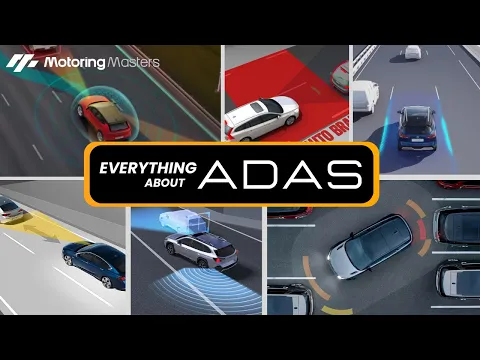

The “Superbrain” Technology That Identifies Intention Before Maneuvering
Named “superbrain architecture”, BMW’s new set of electronic systems has a powerful differentiator: it does not react automatically and invasively to all stimuli, but interprets the driver’s real intention.
In practice, this means that when facing the same scenario with the stopped truck, BMW’s system will not trigger alarms or correct the steering if it perceives that the driver is aware of the maneuver. How? Through eye sensors and behavior analysis.
The models in the Neue Klasse line, for example, feature cameras that track the driver’s eye movements. When the system detects that the driver looks at the opposite lane to check for traffic and then moves the steering wheel, it understands that this is an intentional and safe action. Thus, it avoids unnecessary alarms and allows for a smoother driving experience, only intervening in situations of real danger.
This approach brings to life a concept that many drivers have dreamed of: a car that finally knows when to remain silent.
Smooth Transition Between Manual and Autonomous Driving
Another highlight of BMW’s new system is the automatic transition between manual and assisted driving modes. Until now, it was common for the driver to have to activate or deactivate specific functions to take over or hand control to the car. Now, this will no longer be necessary: the vehicle detects the driver’s commands and simply hands over the steering instantly, without noise or digital bureaucracy.
This innovation not only improves the driving experience but also enhances the driver’s confidence, as it eliminates that “struggle for the steering wheel” feeling that many experience when driving vehicles with lane assist and automatic braking. Furthermore, it is just the tip of the iceberg of what BMW’s new electric architecture can offer in the future, paving the way for even smarter integrations between man and machine.
BMW Prepares the Ground for the Future of Mobility
With the arrival of this technology, BMW shows that it aims to lead the new era of premium mobility, where advanced technology and driver experience walk hand in hand. More than just adding features, the German brand wants to create harmony between car and driver, transforming driving into a fluid, intuitive, and, above all, safe experience.
According to the article published on The Drive, this new package represents an important step towards increasingly autonomous vehicles, but still preserves the sensation of human control — something essential for many driving enthusiasts.
What is clear is that BMW is not only innovating in design or powertrains but also in how the car interacts with the mind and reflexes of the person behind the wheel. For the future, the expectation is that even more sophisticated systems will integrate driving, connectivity, and safety within the same digital ecosystem.
The Car That Knows When to Be Silent
In a market where manufacturers compete for leadership with increasingly automated systems, BMW takes a different step: instead of competing to see who creates the most “intelligent” assistant, the brand has bet on the concept of a car that knows when not to interfere.
This move places the automaker in a strategic position, pleasing both advocates of digital safety and drivers who value autonomy and pleasure in driving. After all, as many would say, sometimes the greatest luxury of technology is when it works without being intrusive.







-

Uma pessoa reagiu a isso.