





 Portuguese
  English
  Spanish
  5 min of reading
  6 comments


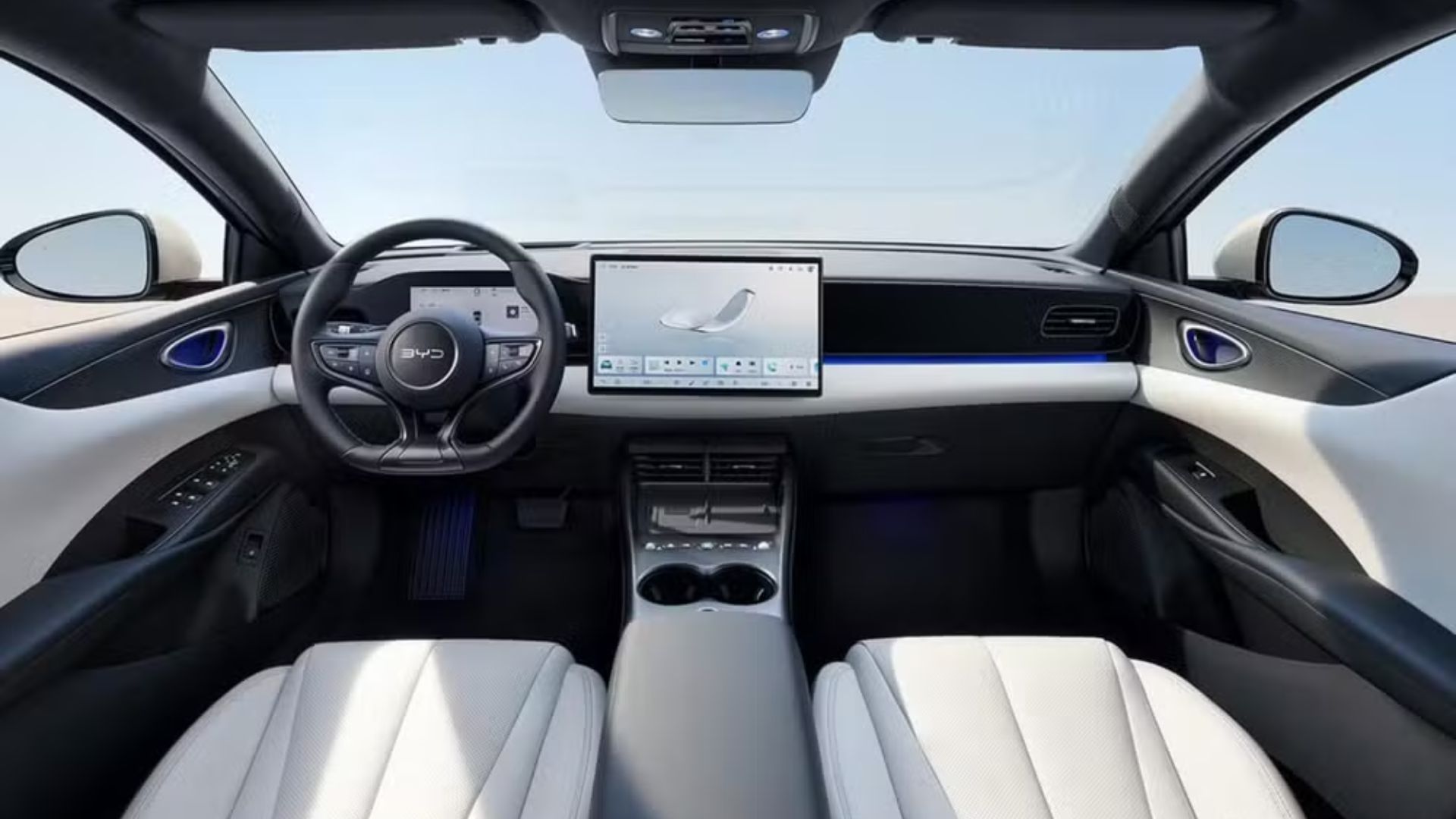


BYD’s Electric Sedan Sparks Interest by Combining Competitive Price in China, Long Range, and Advanced Technologies Capable of Pressuring Traditional Rivals in the Segment.
BYD has registered the Seal 06 EV with the National Institute of Industrial Property (INPI), a 100% electric sedan that starts at 109,800 yuan in China, equivalent to just over R$ 80,000 in direct conversion, and offers up to 545 km of range in the CLTC cycle.
The patent image deposit guarantees the brand industrial design rights in Brazil and indicates interest in bringing the model to the national market, although there are no confirmed dates or prices yet.
BYD Expansion and Registrations in Brazil
In recent months, BYD has been expanding its list of registered models in the country as a strategy to “pave” the way for possible future launches.
-
Jeep Avenger begins production in Brazil, debuting as the brand’s new entry-level SUV and inaugurating an unprecedented phase by becoming the first national Jeep manufactured outside of Goiana, as part of a R$ 3 billion plan.

-
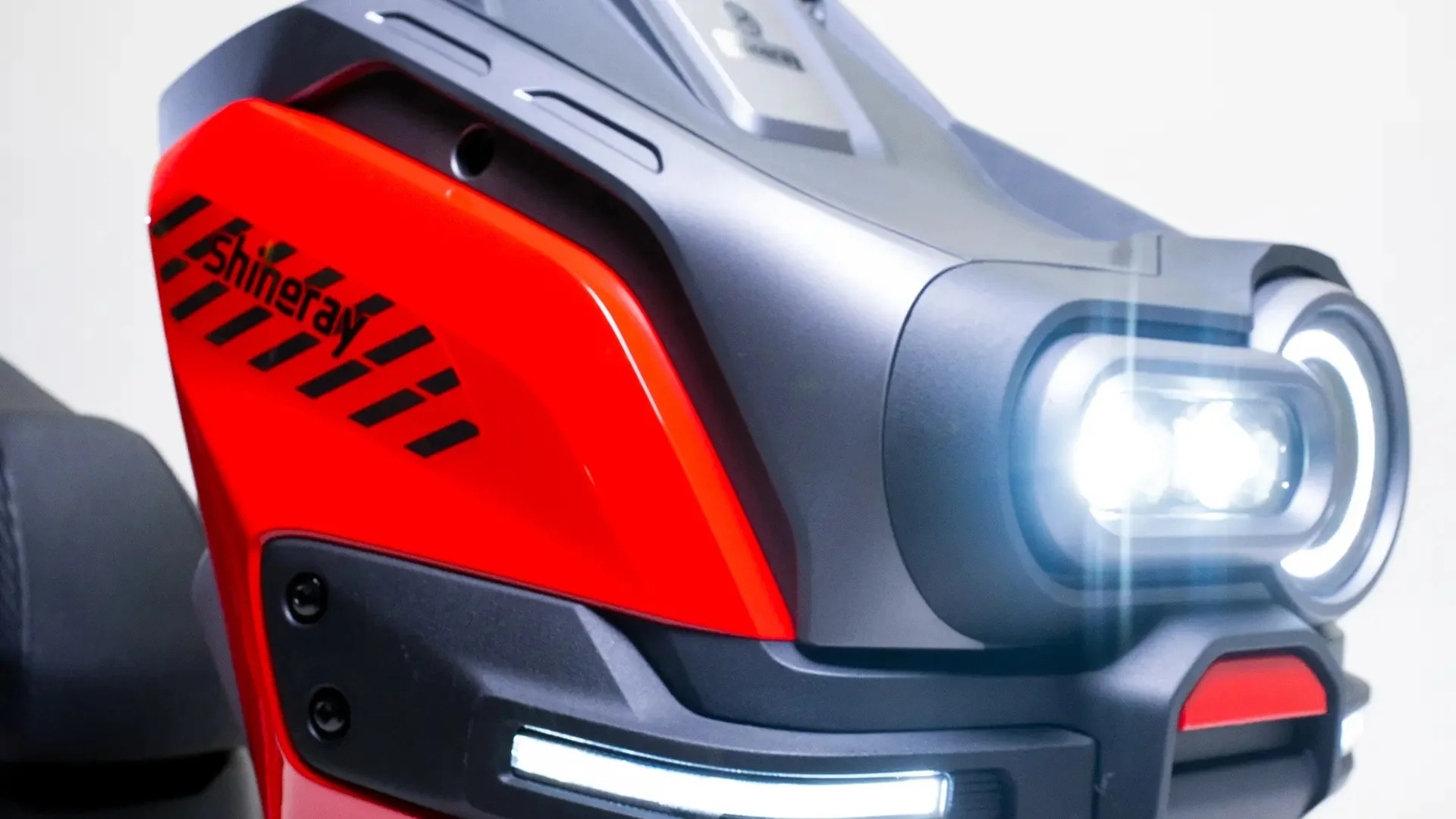
Costing R$ 12,490, the new Shineray Urban Lite 150 “cheap one” arrives in Brazil with a CVT transmission, digital dashboard, and LED lights, making it more affordable than the Biz and targeting those who want to abandon the bus.
-
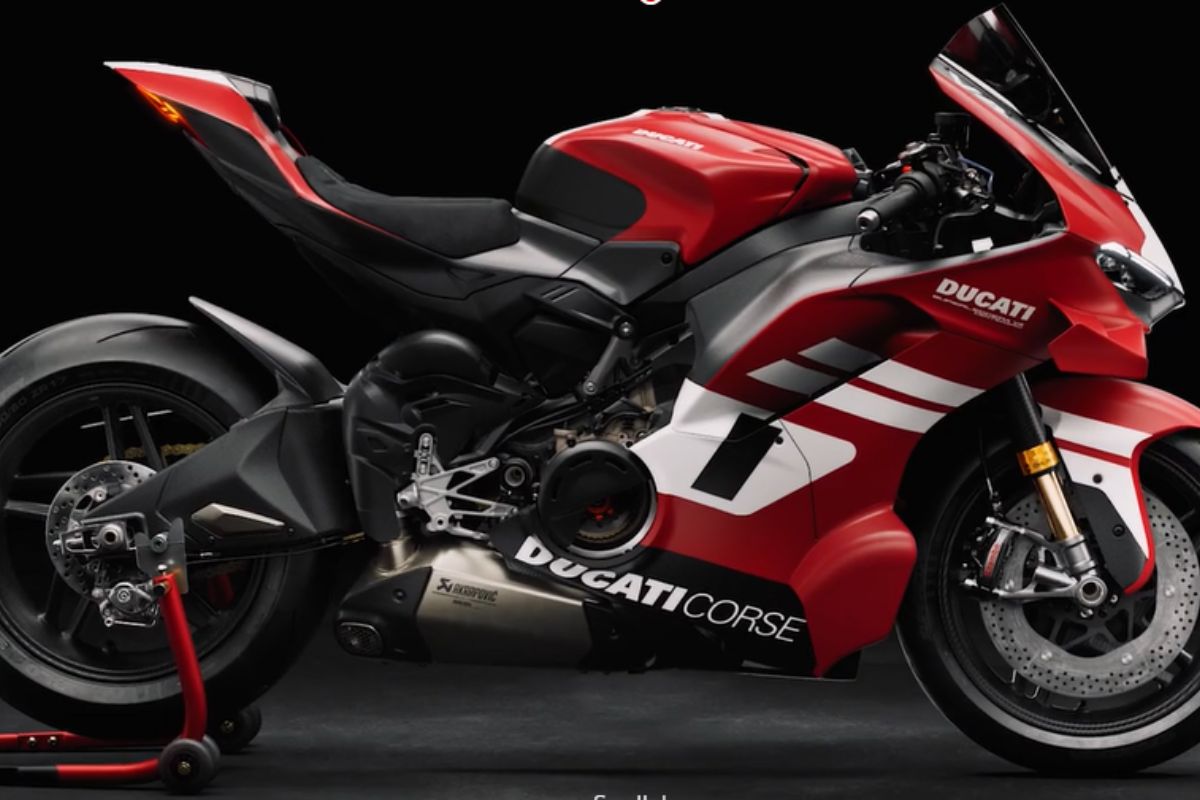
Ducati brings to Brazil the Superleggera V4 Centenario: 228 hp that become 247 with a track kit, carbon fiber and carbon-ceramic brakes, estimated price between R$ 1.5 and 2 million, deliveries only in 2027.
-
Used cars with electric steering for R$ 30,000: check out 5 practical and economical options for everyday use.

In addition to the Seal 06 EV, the Seal 06 PHEV and the Qin L PHEV are already listed with INPI, among other members of the Ocean Series family.
This movement does not mean that all models will reach dealerships, but it reinforces the manufacturer’s intention to keep highlighted projects in China protected in Brazil.
In the case of the Seal 06 EV, the focus is on the medium electric sedan segment, where the brand aims at rivals such as the Toyota bZ3 in the Chinese market and, indirectly, the Toyota Corolla in its combustion and hybrid variants, due to size and intended use.
Dimensions and Comparison with the Toyota Corolla

The Seal 06 EV measures 4.72 meters in length, 1.88 m in width, 1.49 m in height, and has a 2.82 m wheelbase, dimensions that place it in the medium sedan range.
The Toyota Corolla sold today in Brazil, for example, is 4.63 m in length and has a wheelbase of 2.70 m, slightly smaller figures than those of the Chinese electric sedan.
Within the BYD lineup, the electric sedan occupies a mid-position in the Seal family, alongside products such as Seal 05 PHEV, Seal 07 PHEV, and Seal U.
Thus, it tends to be positioned above the King in size and content, but below the Seal already sold in Brazil.
Fastback Design and Aerodynamic Solutions
The design follows the Ocean Aesthetics language, already known in other models of the brand.
At the front, the sedan adopts a closed front typical of electric vehicles, with sharp LED headlights and a bumper with well-defined cuts.
At the rear, the taillights connected by a continuous bar reinforce the visual identity of the Seal line.

In profile, the Seal 06 EV displays a fastback silhouette, with a roofline that gently descends to the trunk lid.
The flush door handles help reduce aerodynamic drag and follow the solution adopted in other Ocean Series models.
Electric Platform, Blade Battery, and Rear Motor
The sedan uses the e-Platform 3.0 Evo, an architecture dedicated to BYD’s electric vehicles.
In this setup, the Blade battery integrates into the floor structure in a Cell-to-Body concept, increasing torsional rigidity and improving protection in the event of a collision.
The Seal 06 EV features a rear electric motor and rear-wheel drive.
In China, the disclosed specifications indicate two main configurations.
The first uses a 46.08 kWh battery and offers a range of up to 470 km under the CLTC standard.
In this version, the motor delivers about 163 hp and 22.4 kgfm of torque, allowing acceleration from 0 to 100 km/h in 8.8 seconds.
The second configuration, with a 56.64 kWh battery, increases the range to 545 km also in the CLTC cycle.

The power increases to 218 hp, while torque goes up to 33.6 kgfm, reducing the 0 to 100 km/h time to 7.5 seconds.
The platform allows for fast charging in direct current, capable of charging the battery from 30% to 80% in just over 20 minutes at compatible stations.
Interior with Rotating Panel and Ample Space
Inside, the sedan features a 15.6-inch central rotating screen that can be used both horizontally and vertically.
The infotainment system is the DiPlink 100, responsible for navigation, multimedia, connectivity, and remote updates.
The instrument cluster is digital, and the gear shift lever is mounted behind the multifunction steering wheel, freeing up space in the center console.
In this area, the Seal 06 EV offers two wireless phone chargers and two cup holders, in addition to several storage niches.
In total, there are 24 internal compartments designed to facilitate everyday use.
The rear trunk offers 423 liters, complemented by a front compartment of 65 liters.

Safety Package and Driving Assistants
In terms of active safety, the Seal 06 EV integrates the God’s Eye C system, part of the DiPilot 100 package.
The solution uses three main cameras mounted on the windshield, along with other sensors around the body, to monitor the external environment.
Available functions include autonomous emergency braking, adaptive cruise control, lane-keeping assist, and automatic parking.
The sedan also features multiple airbags and a structure with a high percentage of high-strength steel.
Possible Position in the BYD Range in Brazil

The registration with INPI does not confirm an immediate launch, but it helps to outline the possible role of the Seal 06 EV in the Brazilian portfolio.
Considering its size, technology, and mechanical setup, the sedan is likely to be positioned above the King and below the Seal.
In China, the price between 109,800 and 129,800 yuan places it among the most competitive electric vehicles, reinforcing its image of strong cost-effectiveness.
How this would translate in Brazil, considering importation, taxes, and margins, is still unclear.
With a range of up to 545 km, a rear motor with 218 hp, a rotating panel of 15.6 inches, and an advanced package of assistants, the model may broaden the competition in the electric sedan segment in the country.








80 mil ?no Brasil passa de 200 mil tudo aqui no Brasil é motivo de impostos ,chega de impostos
Se chegar num preço razoável vai vender sem parar e passar a concorrência.
80mil…… Nunca serão…