





 Portuguese
  English
  Spanish
  4 min of reading
  0 comments


Growth of Battery Storage in the US Reaches Historical Record and Redefines the Electric System
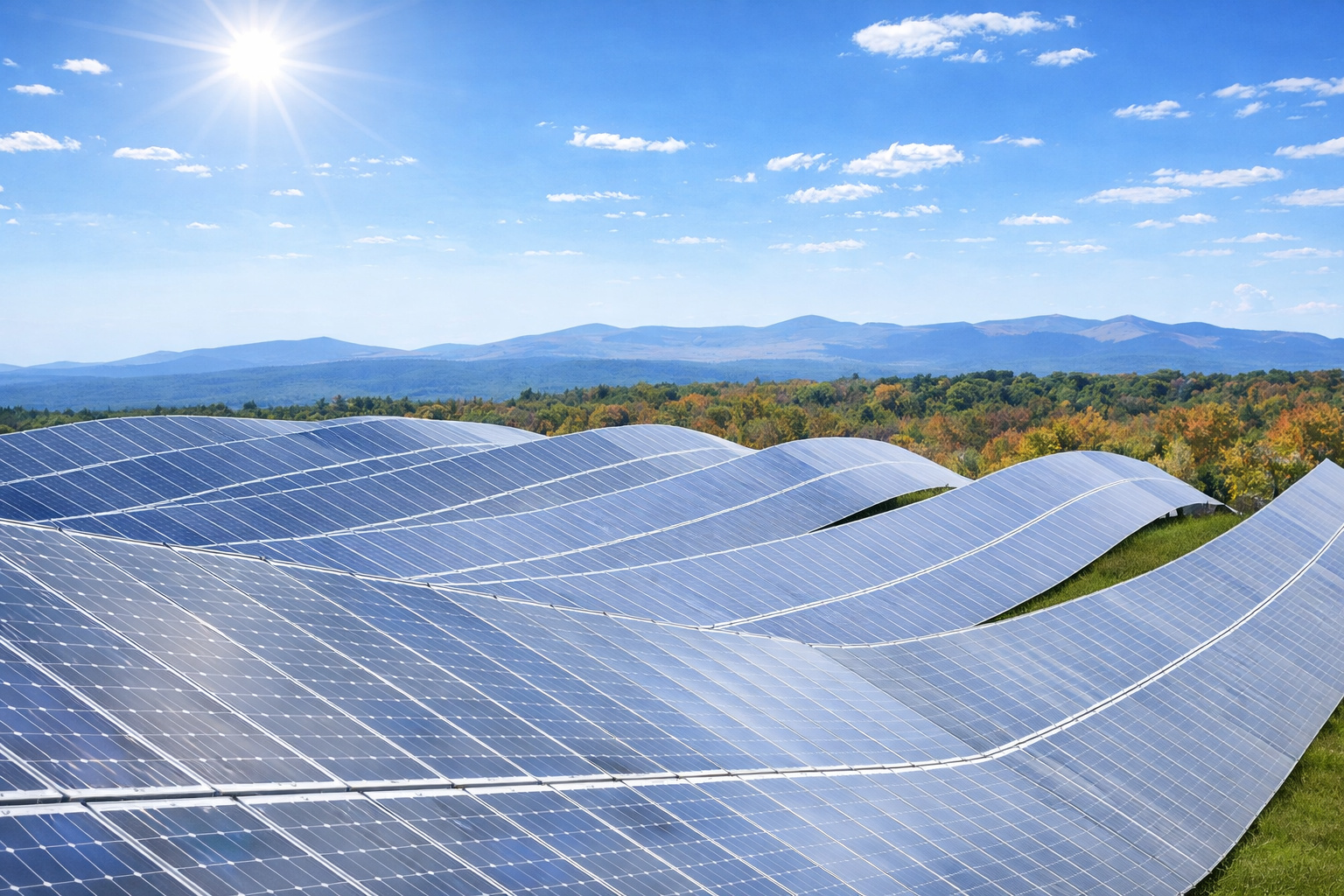
The growth of battery storage in the US recorded historical numbers in 2025, establishing the country as one of the largest global energy storage markets. Now, in 2026, the sector is already experiencing the direct impacts of this accelerated expansion, which strengthens the integration of renewable sources and redefines American energy planning.
As early as the first months of 2025, companies increased the installation of utility-scale batteries. In addition, large projects began operating in California, Texas, Arizona, and Nevada. As a result, the installed capacity reached unprecedented levels by the end of the year.
According to data from industry associations and grid operators, the United States added dozens of gigawatt-hours of new storage systems throughout 2025. This volume represented one of the largest annual growths ever recorded in the country.
-
The Brazilian state accelerates industrial competitiveness with a focus on the extraction of strategic minerals to boost the energy transition in Goiás.

-
A Canadian retiree creates a hydroelectric system on a real river, generating energy continuously throughout the day and demonstrating how the power of water can supply a house with stability even in a simple structure.

-
Petrobras reaffirms its commitment to the market and ensures that it will carry out the energy transition safely to maintain national sovereignty.

-
Researchers discover a possible hydrogen deposit of up to 46 million tons beneath an ancient coal basin, and the volume could exceed half of the entire global production.


Grid Pressure Drives Accelerated Expansion
Extreme weather events marked 2025 and put pressure on the electric system. Heat waves increased consumption, while drought periods affected traditional sources in some regions.
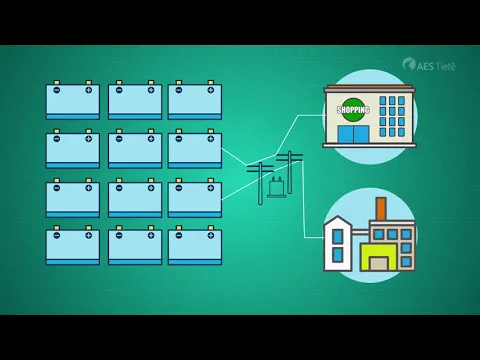
In light of this scenario, operators reinforced the need to enhance grid flexibility. Batteries gained prominence because they store excess energy and release electricity during peak consumption times.
Thus, the growth of battery storage in the US ceased to represent merely a technological advance and became central to the national energy strategy.
Billion-Dollar Investments Strengthen the Market
During 2025, private companies increased investments in the storage sector. Infrastructure funds, solar and wind energy developers, and large technology companies directed resources toward new projects.
At the same time, federal policies encouraging the energy transition increased the economic viability of the ventures. Tax credits and financing mechanisms reduced risks and stimulated the adoption of new systems.
Analysts from Wood Mackenzie highlighted, even in 2025, that the combination of falling battery prices and government incentives created the ideal environment for record growth.
California Leads While Texas Gains Prominence
California maintained its leadership in large-scale battery installation throughout 2025. The state invested heavily in storage to compensate for the intermittency of solar energy.
However, Texas gained prominence in the same period by recording significant growth in new systems connected to the grid. The state integrated hybrid projects that combine solar plants with large-scale storage.
This model allowed energy to be stored during the day and released at the beginning of the night, a period of higher residential consumption. Consequently, operators reduced the activation of thermal power plants.
Installed Capacity Reaches New Historical High
Sector reports indicated that the total installed storage capacity in the United States nearly doubled in 2025 compared to 2024.
This leap consolidated the growth of battery storage in the US as one of the pillars of the energy transition. Furthermore, batteries began to play a decisive role during peak demand moments.
Operators confirmed that the systems come online within seconds to stabilize grid frequency and avoid overloads.

Impacts Are Already Appearing in 2026
Now, in 2026, the effects of the expansion recorded last year are already clearly visible. States have greater energy security, enhanced renewable integration, and reduced volatility in supply.
Projects that began operating at the end of 2025 are currently helping to balance supply and demand. Additionally, developers are already structuring new phases of expansion.
Experts point out that 2026 is expected to maintain a robust growth pace, although the extraordinary leap occurred in 2025.
Cost Reduction Sustains Expansion
The decrease in lithium-ion battery costs over the past few years supported the progress observed in 2025. Mass production and technological advancements enhanced the competitiveness of the technology.
With more affordable prices, developers incorporated storage into virtually all new solar and wind projects contracted last year.
Thus, the growth of battery storage in the US gained a solid structural foundation and ceased to rely solely on fiscal incentives.
Domestic Industry Expands Production and Generates Jobs
The boom recorded in 2025 also stimulated the establishment of new battery factories on US soil. Companies announced industrial units focused on the production of cells and complete storage systems.
This movement strengthened the domestic supply chain and created jobs in various states. Energy sector authorities classified industrial expansion as strategic to consolidate technological autonomy.
Trend of Continuity in the Coming Years
Analysts project that the growth of battery storage in the US will continue throughout 2026 and in the following years. The expansion of renewable energy requires flexible solutions, and batteries occupy a central position in this process.
Companies are already planning new projects for the upcoming investment cycles. States that still have lower installed capacity should accelerate investments to keep pace with the national trend.
The growth of battery storage in the US marked 2025 as a historic period for the energy sector. The expansion increased installed capacity, strengthened the domestic industry, and accelerated the energy transition.
In 2026, the impacts of this advancement are already evident in grid stability, greater renewable integration, and the consolidation of storage as a key component of the American electric matrix.









-

-

-

4 pessoas reagiram a isso.