





 Portuguese
  English
  Spanish
  6 min of reading
  0 comments


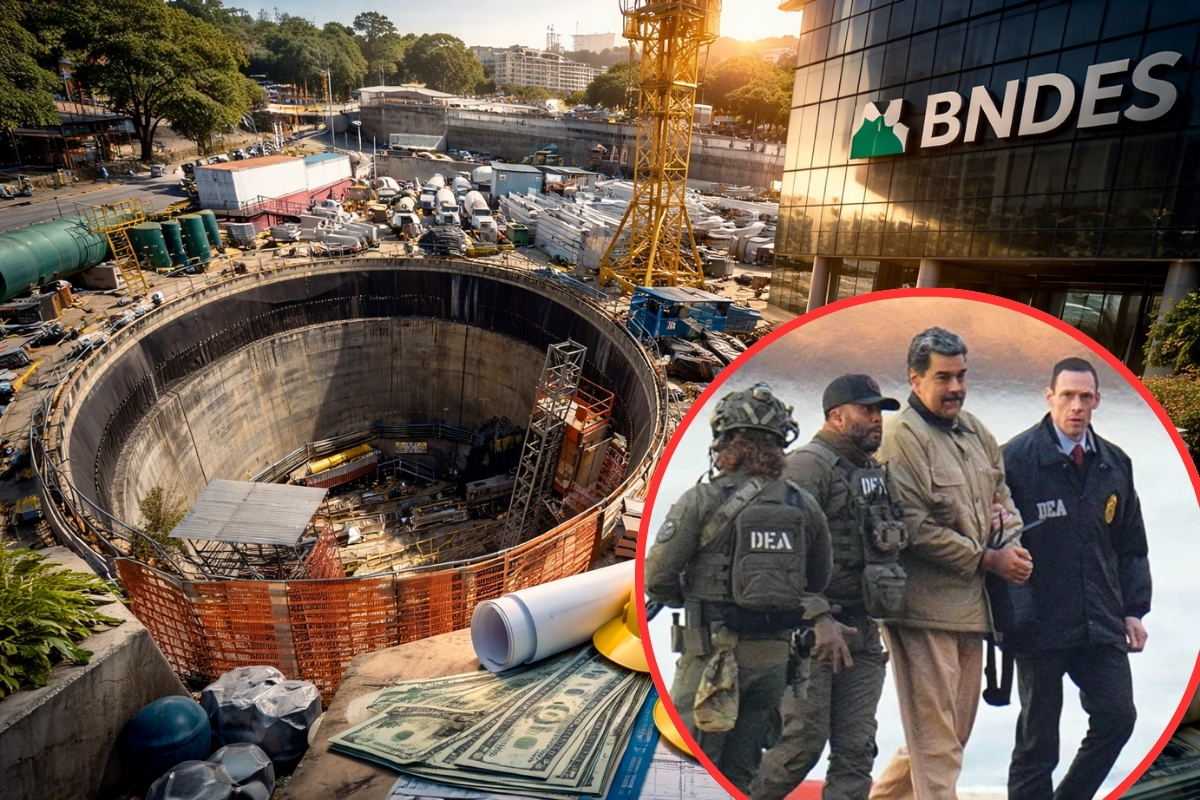
The Financing of Subways in Caracas, the Construction of Steelworks, and Infrastructure Contracts Transformed Venezuela into One of the Largest Foreign Debtors Linked to a Brazilian Public Bank; With Interest Rates of 1.2% Per Year and Default Since 2018, the Case Gained Global Dimension After the Arrest of Maduro in the U.S.
Brazil Heavily Invested in Works in Venezuela Over the Years, Mainly Through Financing Related to the Export of Engineering Services, and Now Faces a Liability That Has Already Exceeded 11.4 Billion (≈ US$ 2.20 Billion) Without a Clear Payment Prospect. The Topic Was Already Sensitive Due to Involving Construction Companies, Sovereign Risk, and Public Guarantees; But Gained a New Component of Uncertainty After the Capture of Nicolás Maduro by the United States on January 3, 2026, When He Was Taken to New York to Answer Federal Charges and Had Hearings Scheduled in American Courts.
The Question That Dominated the Debate Is Direct: Does the Debt “Die” with the Arrest of the Head of the Regime? The Technical Answer Is “No,” but the Path to Recover Money May Become Even More Difficult — or, in Certain Scenarios, Open a Window for Renegotiation.
The Debt Is of the State, Not the President, but Politics Changes Everything
In Financial and Legal Terms, the Obligation Does Not Belong to Maduro as an Individual: It Is a Debt Associated with the Venezuelan State (in Operations Related to Exports and Brazilian Public Guarantees). This Means That, Even with Maduro in Prison, The Debt Continues to Exist and, in Theory, Is Inherited by Whoever Is in Command of the Country. What Changes Is the Power Environment and Venezuela’s Ability to Negotiate, Assume Commitments, and Execute an Agreement.
-
The government requests the Federal Revenue Service for a new system to automate the income tax declaration, reducing errors, time, and bureaucracy for millions of Brazilians.

-
Pix in installments, international Pix, and contactless payment without internet: the Central Bank revealed the new features coming to the tool that is already used by almost every adult in Brazil.

-
Mercado Livre has just started selling medications with delivery in up to three hours to your door, and this move could completely change the way Brazilians buy medicines on a daily basis.

-
In Dubai, rising tensions from the war in the Middle East are causing super-rich individuals to leave the Gulf and direct their fortunes to a new financial refuge in Asia.


In Practice, What Is at Stake for Brazil Is Whether There Will Be a Legitimate and Capable Interlocutor to Restart Talks, Propose Timelines, Acknowledge Values, and, Most Importantly, Pay, Something That Has Not Happened Since 2018.

Between 2007 and 2015, Brazil “Bet” on Venezuela and Accepted Exceptional Conditions
The Works Financed in Venezuela Were Part of the Credit Program Aimed at the Export of Engineering Services. The Result Was a Large Volume of Infrastructure Contracts Abroad, with Brazilian Companies in the Lead, and a Risk That Ultimately Fell on Brazil When the Debtor Country Entered Financial Collapse.
One Little-Remembered Detail Outside Technical Circles Is That Venezuela Was Benefited by Unusual Conditions: Reports Indicate That The Interest Rate Applied to the Country Reached 1.2% Per Year, Identified as the Lowest Among Operations of This Type. In an Intuitive Comparison, This Is Extremely Low for a High-Risk Debtor and Helps Explain Why This Case Continues to Be Highlighted as an Example of External Credit with Asymmetric Risk, Especially When Default Materializes.
Subways, Steelworks, and Shipyards: How Much Money Was Put on the Table
The Expansion of Subway Systems Is One of the Central Chapters. The Financing for Subway Works in Caracas and Los Teques Is Reported at R$ 2.2 Billion (≈ US$ 424 Million), Considering the Approximate Equivalence at the Exchange Rate of R$ 5.18 per Dollar Used in Reference Data on the Debt in 2026. The Promise Was to Expand Urban Transport for Millions of Passengers, and the Topic Crosses Governments and Decades, with Incentives Beginning in the 1990s and Subsequent Expansion.
Another Undertaking Frequently Cited as a Symbol of This Credit Cycle Is the National Steelworks in Venezuela, Associated with Financing of Around US$ 865 Million (≈ R$ 4.48 Billion), Again Using R$ 5.18/US$. The Project Ended Up Being Interrupted by Crises and by Indirect Effects of Investigations and Controversies Involving Large Construction Companies, Which Weakened the Political Environment and Stalled Developments.
Combined with Other Contracts, Such as Shipyards and Related Works, These Investments Fed the Liability That Now Appears as Outstanding Debt and Coverage by Guarantees.

Since 2018, Venezuela Has Not Paid, and Interest Has Inflated the Deficit
The Default Is Old Enough to Have Become a Timeline: Default Began in 2018 and, Since Then, the Balance Has Grown. Data Cited by CNN Brazil Indicates That, Until February 2025, the Debt Had Already Exceeded R$ 10.3 Billion (US$ 1.99 Billion) and That More Than R$ 2.7 Billion (≈ US$ 521 Million) of the Total Were Interest Accumulated Since the Start of the Default.
If the Growth Rate Observed at the Beginning of 2025 Is Maintained, the Balance Could Have Increased by About US$ 208 Million by February 2026 (≈ R$ 1.08 Billion), Raising the Debt to Approximately R$ 11.4 Billion (≈ US$ 2.20 Billion). In This Scenario, Since the Increase Has Been Almost Entirely Driven by Charges, Accumulated Interest Could Already Be Approaching R$ 3.8 Billion (≈ US$ 733 Million) in the Same Period.
The Fund (FGE) and the Treasury Come Into Play: When Default Becomes a Public Account
An Essential Part to Understand Why the Issue Occasionally Explodes in Domestic Debate Is the Guarantee Mechanism. In Various Operations, Default Does Not Stay “Just” on Paper: It Materializes as Compensation and Obligations Covered by Public Guarantees, and This Helps Explain Why the Topic Is Treated as a Loss That “Falls on the Taxpayer” When the Debtor Does Not Pay. The Public Reading of the Case Intensifies Precisely Because the Financing Was Made with the Logic of External Economic Policy, but the Final Risk Falls Internally When the Flow Breaks.
Maduro’s Arrest: What Objectively Changes for the Debt?
The Capture of Maduro by the U.S., with Hearings in New York and Progress of the Case in American Courts, Does Not Automatically Erase the Debt, but Changes the Board for Four Reasons.
First, Because a Possible Political Transition Could Create a New Interlocutor Interested in “Clearing the Deck” and Renegotiating Liabilities to Unlock Relations and Trade. Second, Because Instability Increases the Risk of Venezuela Remaining Stuck for Years, Which Pushes the Debt into a Limbo of Interests and Diplomatic Discussions. Third, Because International Pressure May Generate Bargaining Opportunities, and, in These Bargains, Creditors Attempt to Enter (or Stay Out). Fourth, Because the Topic Becomes Even More Political: If Previously the Criticism Was “Why Lend Without Guarantees?”, Now the Question Becomes “With Whom Does Brazil Negotiate, and Under What Conditions?”.
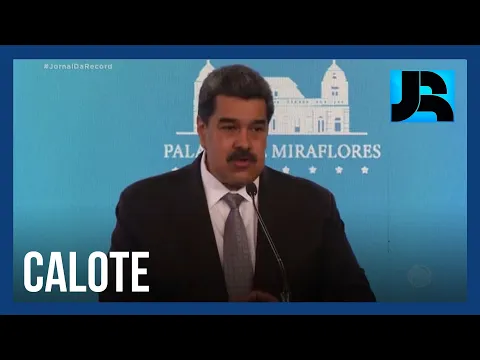

The Central Question Remains: Can It Be Recovered or Has It Become a De Facto Loss?
With Maduro in Prison, the Debt Continues to Exist, but the Most Realistic Scenario Is That Brazil Will Be Caught Between Two Paths: Trying to Transform the Liability Into a Long-Term Agreement (If There Is a Government with the Capacity to Sign and Comply) or Watching the Debt Continue to Grow Due to Interest, with Improbable Payments in the Short Term, Especially in a Country with a Chronic Economic Crisis.
This Is Where the Data on the 1.2% Annual Rate Gains Editorial Weight: While It Was an Exceptionally Favorable Condition for the Debtor, It Reinforces the Argument That Brazil Assumed Significant Risk, and Now Tries to Understand If Those Billions Will Return Someday.









Seja o primeiro a reagir!