





 Portuguese
  English
  Spanish
 3 min of reading
  0 comments


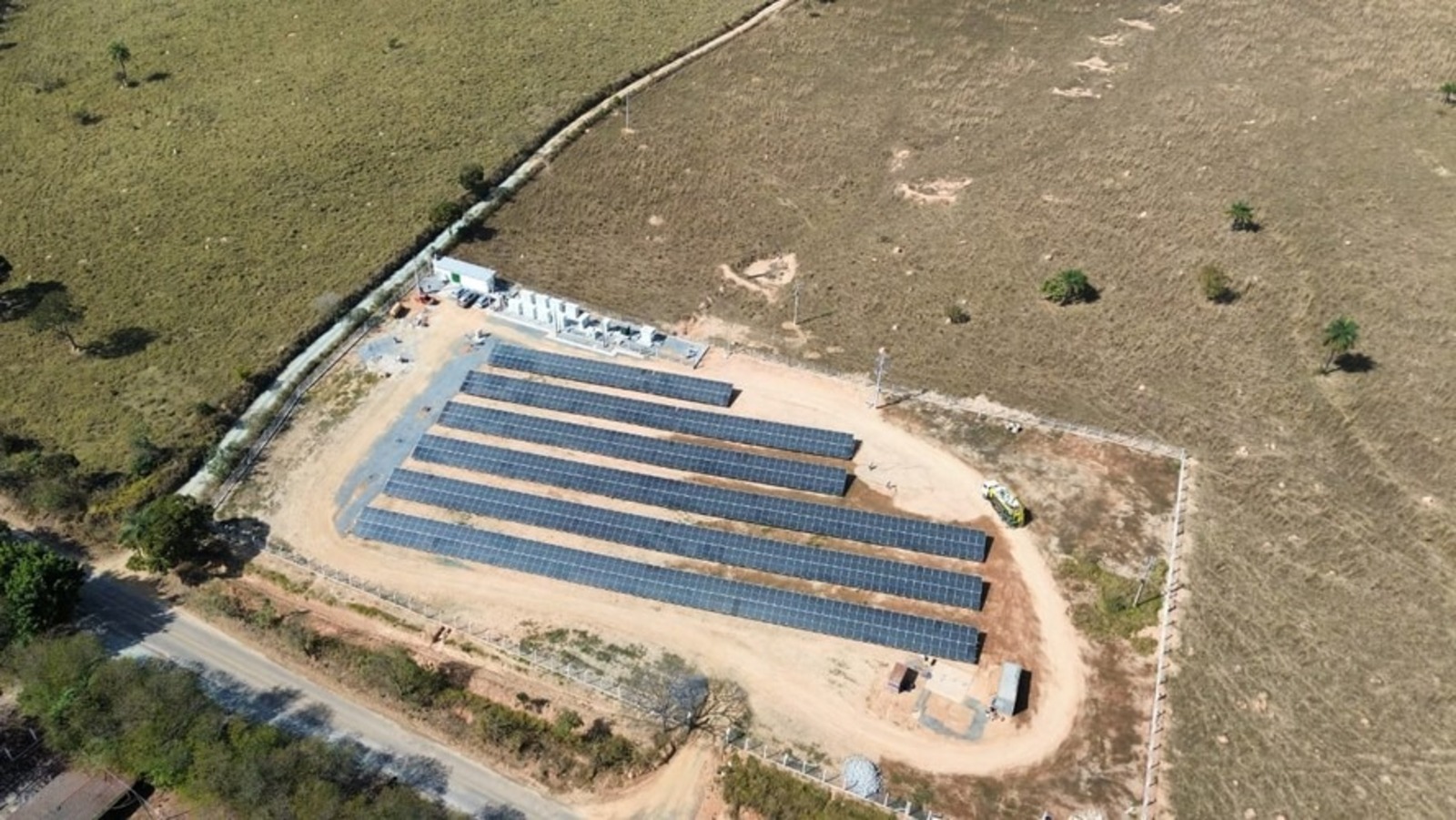
Cemig’s Pilot Project with Enerzee Technology Uses Solar Panels and Batteries to Ensure Continuous Energy, Protect Essential Services and Validate Replicable Model in Small Brazilian Municipalities
With just over 850 residents, Serra da Saudade, in Minas Gerais, carries a curious title and, now, a new milestone. Known as the least populated city in Brazil, it was chosen to host a pilot project of an anti-blackout system capable of serving the entire municipality.
The solution was officially inaugurated in January 2026 and arises as a response to an old problem: frequent power outages.
Unstable Energy, Affected Routine
In a statement sent by the Serra da Saudade City Hall to the Casa e Jardim portal, the administration described the direct impacts of the interruptions.
-
Seagri’s headquarters invests in solar energy with Neoenergia Coelba and promises to cut electricity costs, highlighting a strategic advance in sustainability and energy efficiency within state public administration.

-
Solar Pyramid draws attention by converting solar energy into million-dollar savings and repositioning the City Hall of Curitiba as an example of innovation, sustainability, and intelligent use of public resources.
-
Europe records strong euro economy with solar energy in March and sparks curiosity about which country leads growth that redefines the energy market and reduces costs.

-
Piauí reaches a historic milestone in energy transition: State records nearly 160,000 households powered by solar energy and leads growth in the Northeast.

“On many occasions, these interruptions delayed the progress of public service and compromised the quality of the services provided”, it informed.
The statement summarizes a reality that affected everything from administrative processes to essential daily activities.
A City as a Laboratory
With the perception of the problem, the project was developed by the Energy Company of Minas Gerais (Cemig), with technology created by Enerzee.
According to Alexandre Sperafico, CEO of the company, the municipality offered ideal conditions. “Serra da Saudade is an ideal location for a pilot project, precisely because it allows testing the solution with a direct impact on the entire population, but on a smaller scale. This enables the validation of the model for later replication in other cities“, he analyzes.
According to Sperafico, networks triggered in case of power outages already exist, but this is the first initiative in Brazil designed to sustain an entire city.
The system continuously monitors the grid. “The system reads to identify whether the grid is operating normally or if there has been an interruption, automatically activating the batteries to meet the demand“, he explains.
Structure and Functioning
To enable the operation, the technical requirements of Cemig were followed. The installation involved intelligent software, meters, load control, batteries, and a monitoring system.
The process took six months and was completed in June 2025. Since then, tests and adjustments have been made until the officialization in January this year.
In total, there are 800 solar modules and a system of eight battery racks. The autonomy varies according to consumption. “In times of higher demand, autonomy can vary between 12 and 15 hours; in periods of lower and stable consumption, it can reach 48 hours or more, if only essential loads are active“, details the CEO.
In practice, the batteries remain connected to the traditional grid. Through a programmable logic controller, the supply is automated.
When an outage occurs, the conventional grid recloser is turned off, and power is supplied by the batteries.
Although automatic, the operation is monitored by Cemig, which can opt for manual reconnection.
Perceived Impacts
Since the official implementation in January, the City Hall states there has been greater energy security and a significant reduction in the City Hall’s electricity bill.
Essential services, such as the CEMEI Menino Jesus Daycare, the Health Center, and the Municipal City Hall building, are among the beneficiaries.
According to Enerzee, the batteries have an estimated lifespan of at least 20 years, with no pollutant emissions or noise, and can be recycled at the end of their cycle.
Cemig is considering expanding the model to other cities, especially where technical assistance in power outages tends to take longer.
With information from Casa e Jardim.









Seja o primeiro a reagir!