





 Portuguese
  English
  Spanish
  6 min of reading
  0 comments


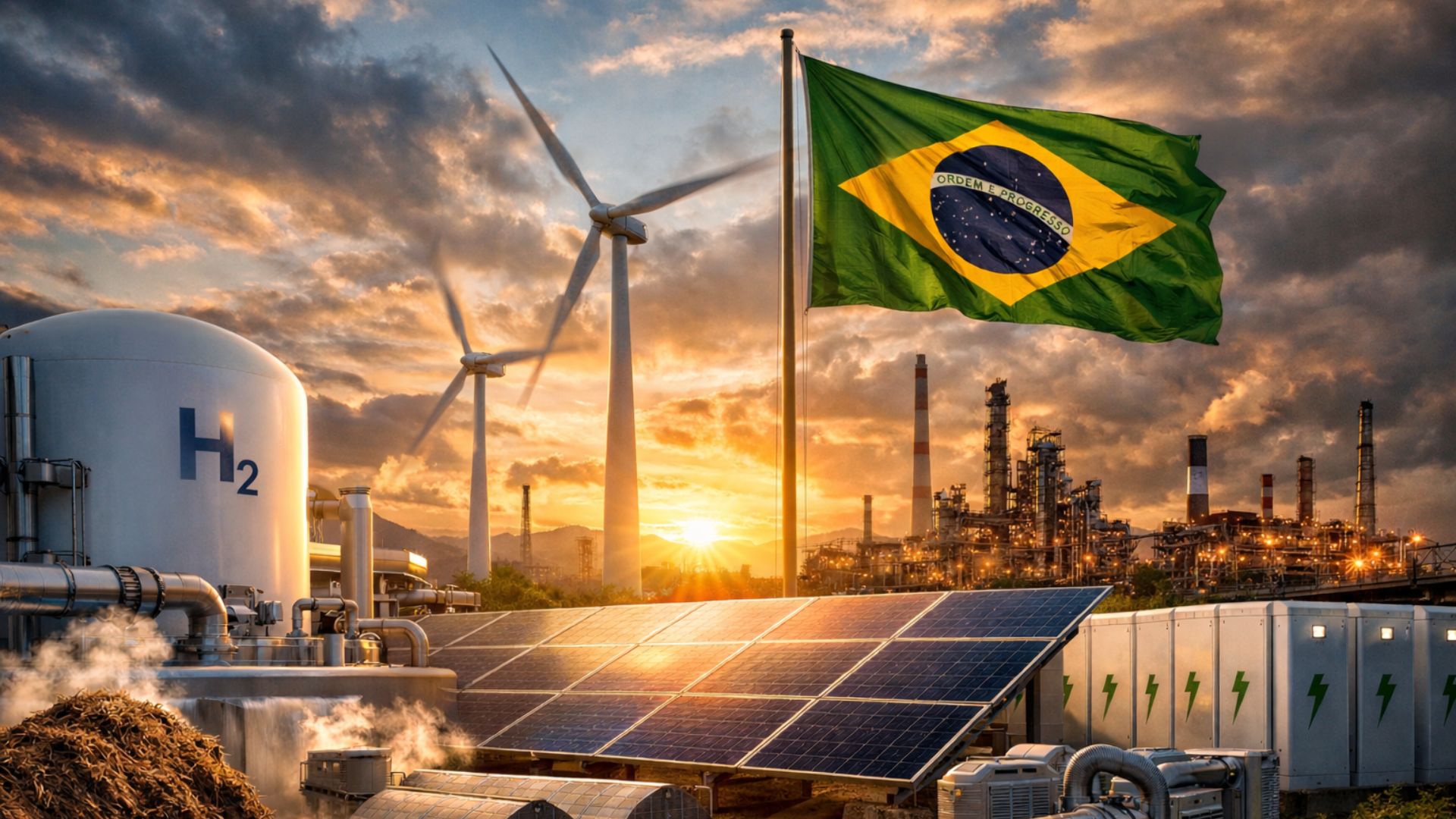
Brazil Opened Strategic Call to Boost Clean Energy and Stimulate Innovative Technologies in Partnership with Companies and ICTs. The Initiative Strengthens the National Industry, Incentivizes Low-Carbon Solutions, and Expands Opportunities in the Energy Transition.
Brazil has taken a strategic step in the energy transition agenda by launching a new call focused on the strengthening of clean energy and the development of innovative technologies. The public call integrates the Finep Mais Inovação Brasil program and was launched on February 6 by the Ministry of Science, Technology and Innovation (MCTI) and the Funding Authority for Studies and Projects (Finep). The deadline for submitting proposals remains until August 31.
According to an official publication made by the MCTI on February 24, the call supports projects developed by Brazilian companies, necessarily in partnership with Scientific, Technological, and Innovation Institutions (ICTs). The initiative is part of the Structuring and Mobilizing Programs of the MCTI and is linked to the Innovation Program for Sustainable Industrialization, within the Mais Inovação Brasil.
Brazil Bets on Structuring Call to Boost Clean Energy and Innovative Technologies
Right at the announcement, the goal was clear: to stimulate solutions capable of reducing carbon emissions, strengthening the national industry, and expanding Brazil’s competitiveness in strategic chains associated with the low-carbon economy. The proposal connects industrial policy, applied science, and technological development in a single strategy.
-
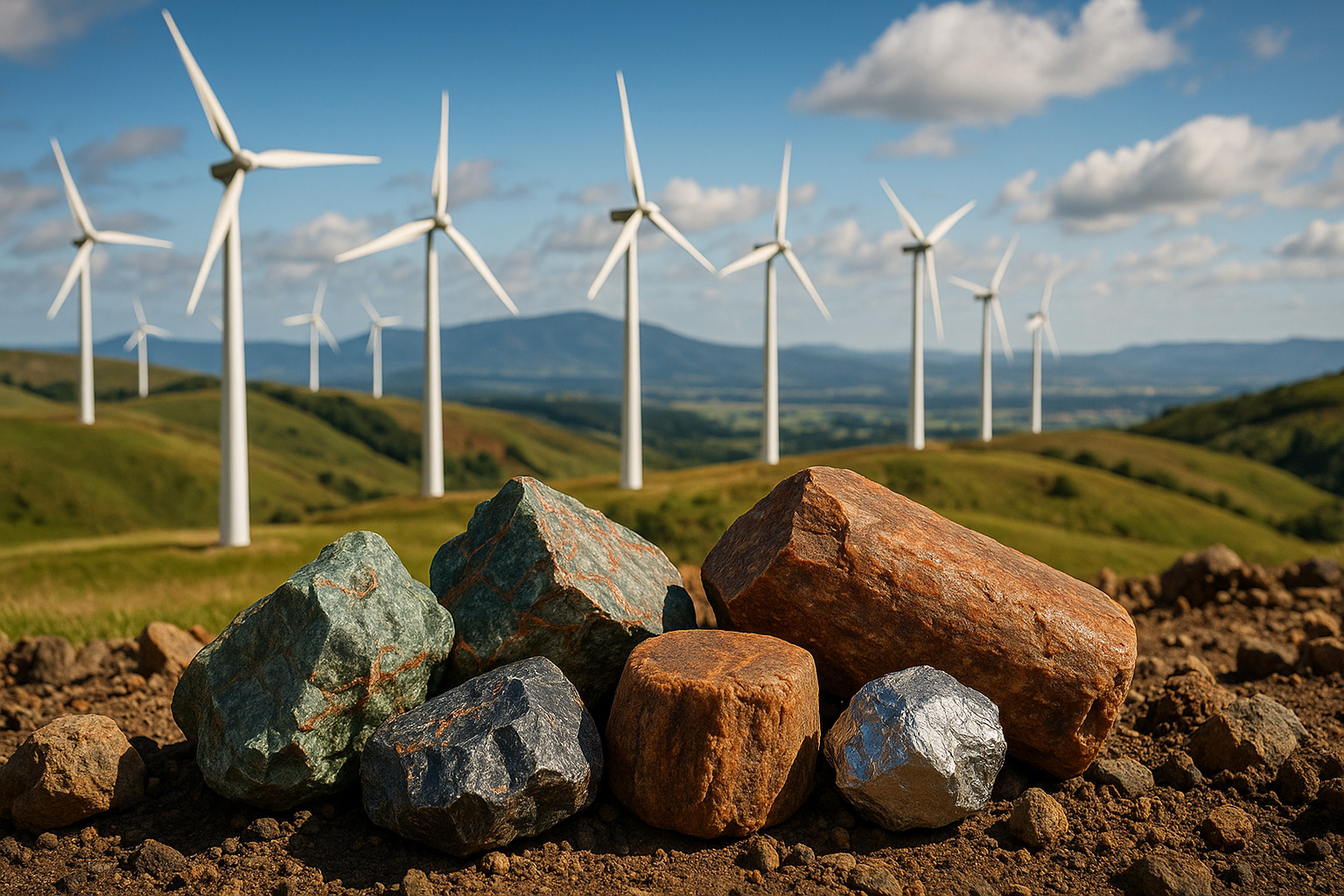
The Brazilian state accelerates industrial competitiveness with a focus on the extraction of strategic minerals to boost the energy transition in Goiás.
-
A Canadian retiree creates a hydroelectric system on a real river, generating energy continuously throughout the day and demonstrating how the power of water can supply a house with stability even in a simple structure.

-
Petrobras reaffirms its commitment to the market and ensures that it will carry out the energy transition safely to maintain national sovereignty.
-
Researchers discover a possible hydrogen deposit of up to 46 million tons beneath an ancient coal basin, and the volume could exceed half of the entire global production.


The new call does not arise in isolation. It is part of a broader strategy for sustainable reindustrialization, aligned with the MCTI’s priority missions: health, digital transformation, energy transition, and national defense.
The climate agenda also guides the initiative. Brazil has made international commitments under the Paris Agreement, which sets targets for emission reductions and climate neutrality by 2050. Strengthening clean energy is considered one of the pillars to achieve these goals.
According to the Energy Research Company (EPE), Brazil’s electricity matrix is predominantly renewable, with over 80% participation from sources such as hydropower, wind, solar, and biomass. This scenario positions Brazil in a comparative advantage, but it also requires constant investments in technological innovation to maintain competitiveness and energy security. The call emerges precisely to accelerate this movement by promoting innovative technologies developed within the national territory.
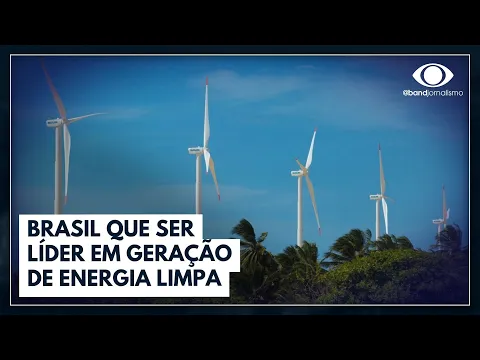

Eight Strategic Areas Connect Clean Energy to Brazil’s Reindustrialization
The public call encompasses eight major innovation areas focused on energy transition and carbon emissions reduction. These areas cover sectors considered strategic for the future of the industry and energy production in the country.
Among them is the development of technologies for low-carbon energy generation, including solutions applied to solar, wind, hydropower, biomass, and nuclear sources. Brazil has already seen significant growth in solar and wind sources over the past decade, according to data from the National Electric Energy Agency (ANEEL).
Besides the expansion of generation, the call encourages the development of equipment, industrial processes, and critical components. The goal is to reduce dependence on technological imports and strengthen national production linked to clean energy. This combination of innovation and industrial policy aims to transform Brazil into a provider of solutions rather than merely a consumer of foreign technologies.
Low-Emission Hydrogen Gains Space in the Call and Expands Brazil’s Role
One of the most strategic axes of the call is the support for projects related to low-emission hydrogen. The production, storage, and use of so-called clean hydrogen are at the center of the global energy transition.
The International Energy Agency (IEA) identifies hydrogen as a fundamental solution to decarbonize industrial sectors that are difficult to electrify, such as steel, cement, and heavy transport. Brazil has competitive potential in this segment due to the abundant availability of renewable sources.
The call encourages the development of innovative technologies that enable complete hydrogen production chains. This includes electrolysis systems, safe storage, transportation, and industrial applications.
By supporting this area, Brazil strengthens its strategic position in the international clean energy landscape and expands opportunities for exports and high-quality job creation.
Energy Storage and Modernization of the Brazilian Electric System
The growth of clean energy requires efficient storage solutions and modernization of the electric grid. Therefore, the call includes support for battery projects, storage systems, and technologies aimed at the security and resilience of the Brazilian Electric System.
With the expansion of intermittent sources, such as solar and wind, it becomes essential to enhance the stability of the grid. The Brazilian system is coordinated by the National Electric System Operator (ONS), responsible for the integrated operation of one of the largest interconnected systems in the world.
The digitization of the grid, the modernization of transmission, and the use of smart tools are also part of the call’s priorities. These initiatives strengthen supply reliability and enhance national energy security. Investment in innovative technologies in this area is deemed critical to consolidating the sustainable expansion of the electricity matrix.
Biomass, Biofuels, and Sustainable Fuels at the Center of the Strategy
Brazil is internationally recognized for its leadership in biofuel production, especially ethanol and biodiesel. Data from the National Agency of Petroleum, Natural Gas, and Biofuels (ANP) confirms the sector’s relevance in the transport matrix.
The call stimulates advances in biomass for biofuels, focusing on the development of renewable inputs, new energy crop varieties, microorganisms, and enzymes capable of enhancing productive efficiency.
Processes and components for sustainable fuels, such as green diesel and sustainable aviation fuel (SAF), are also included. The initiative seeks to enhance the competitiveness of the national industry in light of global demands for emission reductions.
The transformation of waste into clean energy, including biogas and biomethane, is another highlight. These solutions promote a circular economy and help reduce environmental impacts associated with the improper disposal of waste.
Carbon Capture and Digital Tools Strengthen the Climate Agenda
The capture, storage, and utilization of CO₂ compose another strategic area of the call. Carbon capture technologies are considered essential to achieve climate neutrality targets, as highlighted by the Intergovernmental Panel on Climate Change (IPCC).
The call supports projects focused on carbon reuse and the development of digital tools to measure emissions and calculate the carbon footprint. These solutions are increasingly in demand from international markets and investors.
By integrating innovative monitoring and environmental management technologies, Brazil expands its capacity to meet global sustainability standards and strengthens the competitiveness of the national industry.
How the Call Strengthens Productive Chains and Reduces Technological Dependence
In addition to the environmental dimension, the call explicitly focuses on sustainable reindustrialization. Resources are allocated for the development of equipment, industrial processes, and critical components that make Brazil more competitive.
The Minister of Science, Technology, and Innovation, Luciana Santos, stated that the public call represents a concrete step in consolidating the new Brazilian industrial policy. According to her, the instrument strengthens the industry based on science and innovation.
By requiring partnership between companies and ICTs, the call stimulates integration between the productive sector and scientific research. This model is internationally recognized as one of the main drivers of technological innovation.
The strengthening of clean energy associated with the development of innovative technologies creates a virtuous cycle of economic growth, job creation, and emission reduction.
A Strategic Movement That Redefines Brazil’s Role in the Low-Carbon Economy
The launch of the call marks a significant moment for Brazil. The initiative brings together energy transition, industrial policy, and technological innovation into an integrated strategy.
With a submission deadline until August 31 and an official launch on February 6, the public call represents a concrete opportunity for Brazilian companies to expand their activities in clean energy and innovative technologies.
By supporting eight strategic areas and prioritizing partnerships with ICTs, Brazil strengthens its capacity to develop its own solutions, reduce external dependence, and enhance international competitiveness.
More than just a funding instrument, the call signals the intent to consolidate the country as a protagonist in the low-carbon economy. The combination of renewable matrix, scientific foundation, and targeted industrial policy creates favorable conditions for a new cycle of sustainable and innovative development.








Seja o primeiro a reagir!