





 Portuguese
  English
  Spanish
  5 min of reading
  0 comments


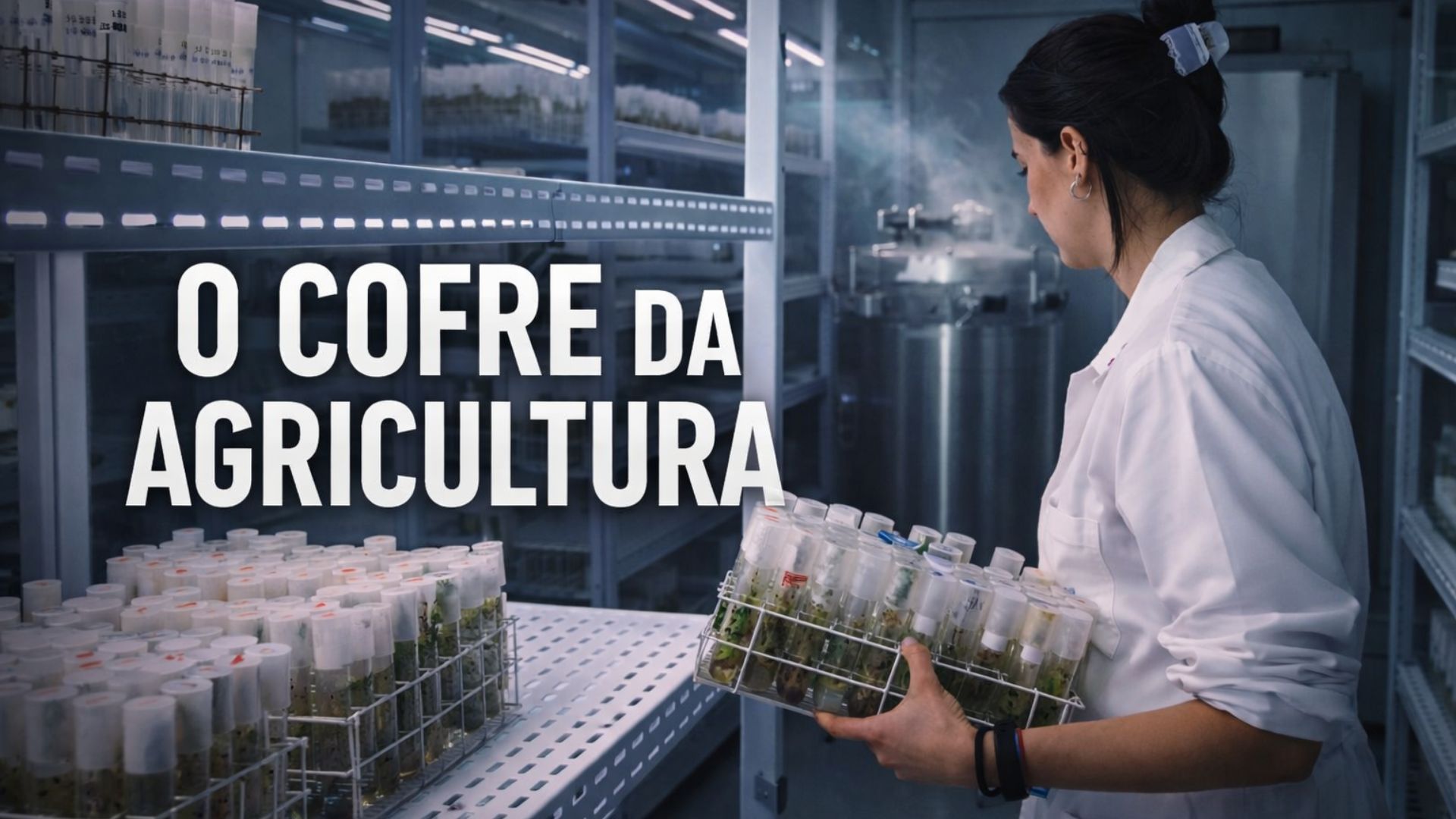
Structure in Brasília Gathers Up to 750 Thousand Seeds, Conservation at -180°C and Capacity Over 1 Million Samples, Placing Brazil Among the Largest Genetic Repositories in the World and Strengthening Research Against Pests, Diseases, and Climate Impacts on Agriculture.
Brazil maintains, in Brasília, one of the largest structures dedicated to the conservation of genetic resources aimed at agricultural research, with the capacity to store up to 750 thousand seed samples under controlled conditions, according to Embrapa Genetic Resources and Biotechnology.
Installed in a building of more than 2 thousand square meters, the Embrapa Genetic Bank gathers collections that support studies and technologies used in the field, with materials cataloged and maintained under conservation protocols to preserve biological diversity for long periods.
By concentrating seeds, plants held in laboratories, and materials preserved at extremely low temperatures, the infrastructure aims to reduce the risk of loss and ensure that the collection remains accessible to breeding projects, plant health, and crop adaptation to adverse environmental conditions.
-
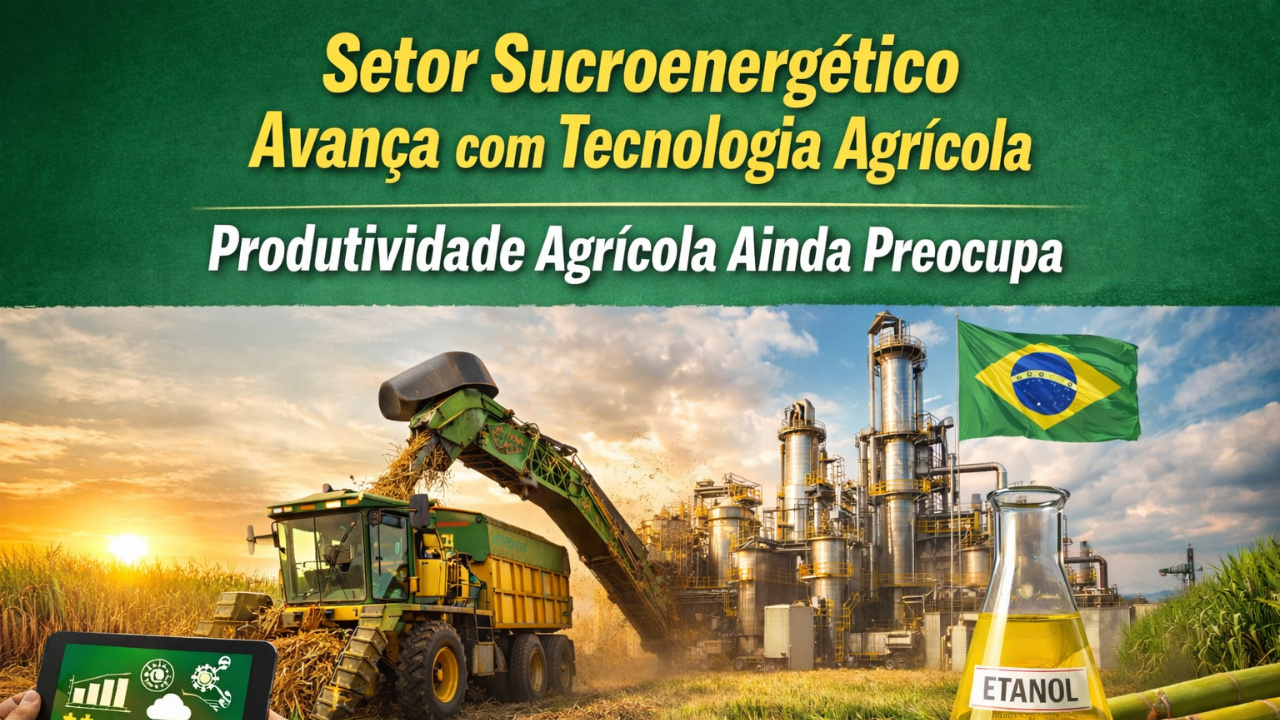
The sugar-energy sector advances with agricultural technology, but agricultural productivity still raises concerns.
-
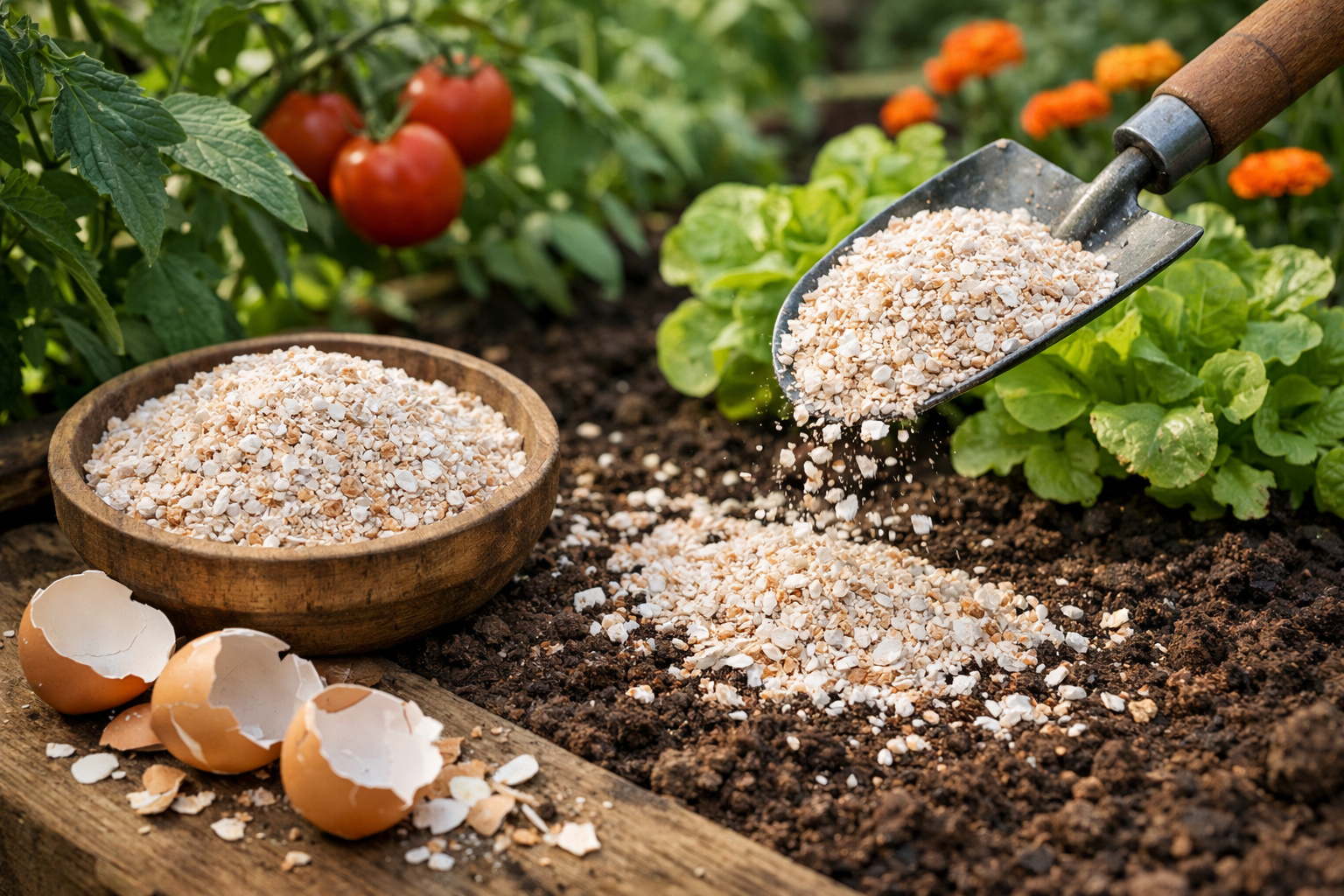
The eggshell that almost everyone throws away is made up of about 95% calcium carbonate and can help enrich the soil when crushed, slowly releasing nutrients and being reused in home gardens and vegetable patches.
-
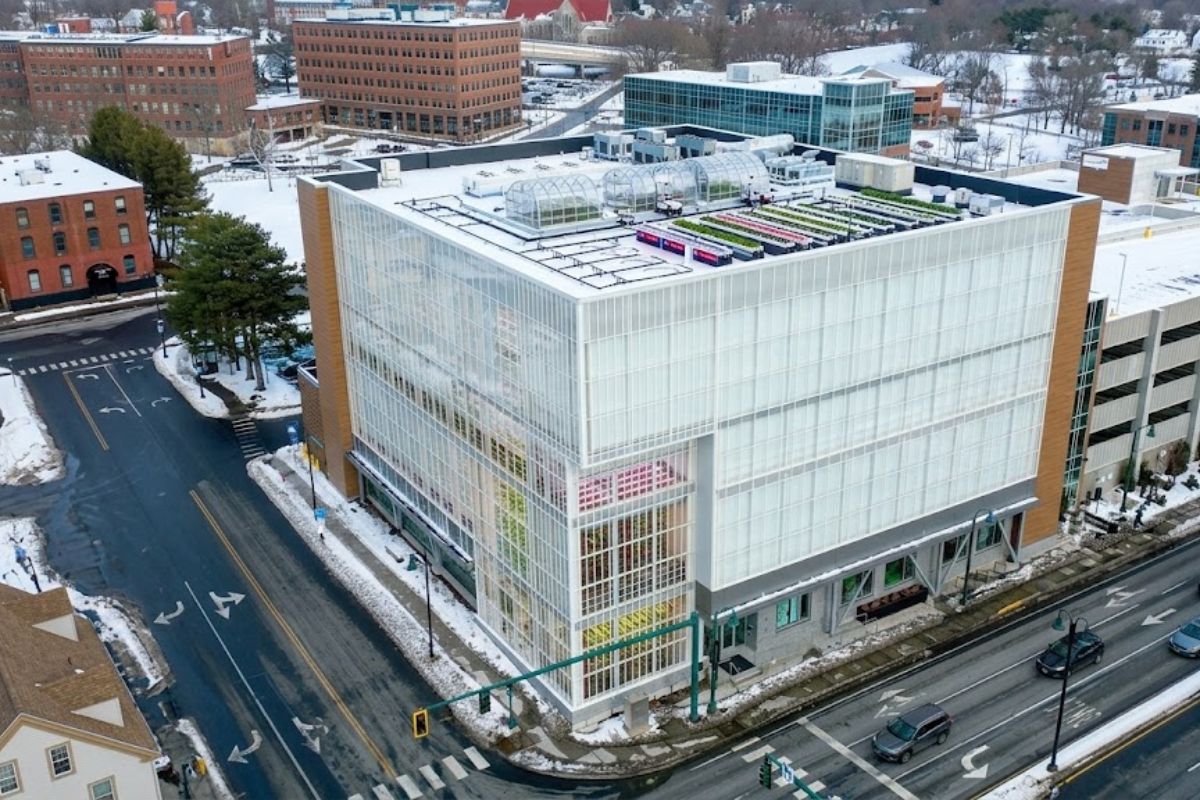
This farm in the United States does not use sunlight, does not use soil, and produces 500 times more food per square meter than traditional agriculture: the secret lies in 42,000 LEDs, hydroponics, and a system that recycles even the heat from the lamps.
-
The water that almost everyone throws away after cooking potatoes carries nutrients released during the preparation and can be reused to help in the development of plants when used correctly at the base of gardens and pots, at no additional cost and without changing the routine.


Embrapa Genetic Bank and Conservation of Genetic Resources
Known as the Embrapa Genetic Bank, the complex functions as a kind of library of the biological heritage associated with agriculture, storing samples that may represent cultivated varieties, wild relatives of agronomic interest, and microorganisms with potential for use in research.

Within this logic, each item needs to remain stable and traceable, because the scientific utility depends on knowing where the material came from, what characteristics are described, and under what conditions it was preserved, as well as rules of access and use.
Besides the storage of seeds, the bank was designed to maintain around 10 thousand in vitro plants, a method adopted when seed conservation is not the most suitable alternative for certain species and types of biological material.
Cryopreservation at -180°C and Use of Liquid Nitrogen
Another central front of the Genetic Bank is cryopreservation, which uses liquid nitrogen and keeps collections at around -180°C, a temperature at which biological activity is practically halted, allowing materials to be preserved for extended periods.
In this modality, Embrapa expects collections with over 200 thousand samples of plant, animal, or microorganism origin, meeting different research demands, such as germplasm conservation and maintenance of materials for studies requiring stability over time.
In recent years, the availability of liquid nitrogen has also been treated as a strategic component of operations, as the input is essential to keep part of the collection at cryogenic temperatures and sustain conservation and security routines for the stored material.
Genetic Improvement and Security for Agriculture

The size of the bank draws attention due to the volume, but the practical impact is linked to the use of the collection as a basis for genetic improvement programs, which depend on diversity to select characteristics such as pest and disease resistance, productivity, and stress tolerance.
When this diversity decreases in the environment or in agricultural areas, conserved collections can serve as a reference for studies and planned reintroductions in research programs, always within technical protocols and criteria of safety, traceability, and responsibility.
In this context, the popular idea of “saving” agriculture often relates to the role of germplasm banks as scientific reserves, capable of keeping rare or strategic materials available to respond to problems affecting crops and livestock.
Still, Embrapa emphasizes that ex situ conservation does not replace policies for protecting natural environments or maintaining varieties in cultivation, because genetic diversity also depends on habitat, sustainable management, and agricultural practices that preserve resources in the territory.
Capacity for Over 1 Million Samples
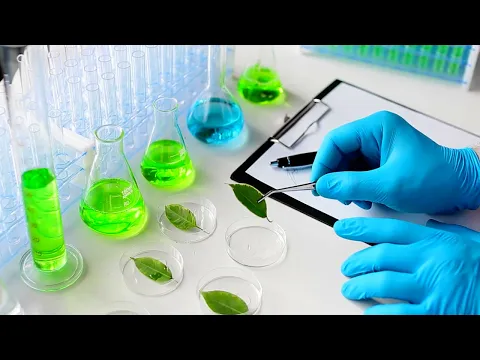

The design of the Genetic Bank aimed to centralize different methods in the same complex and enhance storage security, combining conservation environments and operational routines to reduce vulnerabilities, especially in collections that need to last for decades without losing quality.
When all modalities are added together, the total capacity of the building can exceed 1 million samples, considering the particularities of each technique, a level that led Embrapa to classify the facility among the largest in the world in storage capacity.
Inaugurated on April 24, 2014, the building was designed to accommodate materials from different units and collections, functioning as a support structure for the conservation and sustainable use of genetic resources maintained by Embrapa and partner institutions.
The bank also connects to documentation and information management initiatives, such as the Alelo platform and corporate databases, which organize records on the origin, characterization, and location of the material, allowing the collection to be found and used according to established rules.
Traceability and Management of Scientific Data

Beyond cold chambers and cryogenic tanks, the usefulness of the collection depends on consistent information, because samples without reliable data lose scientific value, hinder reuse, and increase the risk of errors in research that require precise identification and history.
With traceability systems, the institution records where each sample is stored and what attributes are associated with it, such as collection data, characterization, and conservation conditions, a step considered critical to maintaining the integrity of the set over time.
This type of organization gains relevance in light of increasing pressures on food systems, as pests, diseases, and extreme climate events can accelerate losses and require rapid responses from research, from seeking environmental tolerance to biological alternatives in agricultural management.
By preserving materials of agricultural and environmental interest, Brazil enhances its capacity to support long-term research and reduce risks of disappearance of rare genetic resources, without relying exclusively on dispersed collections vulnerable to physical, biological, and operational failures.









-

-

2 pessoas reagiram a isso.