





 Portuguese
  English
  Spanish
 3 min of reading
  0 comments


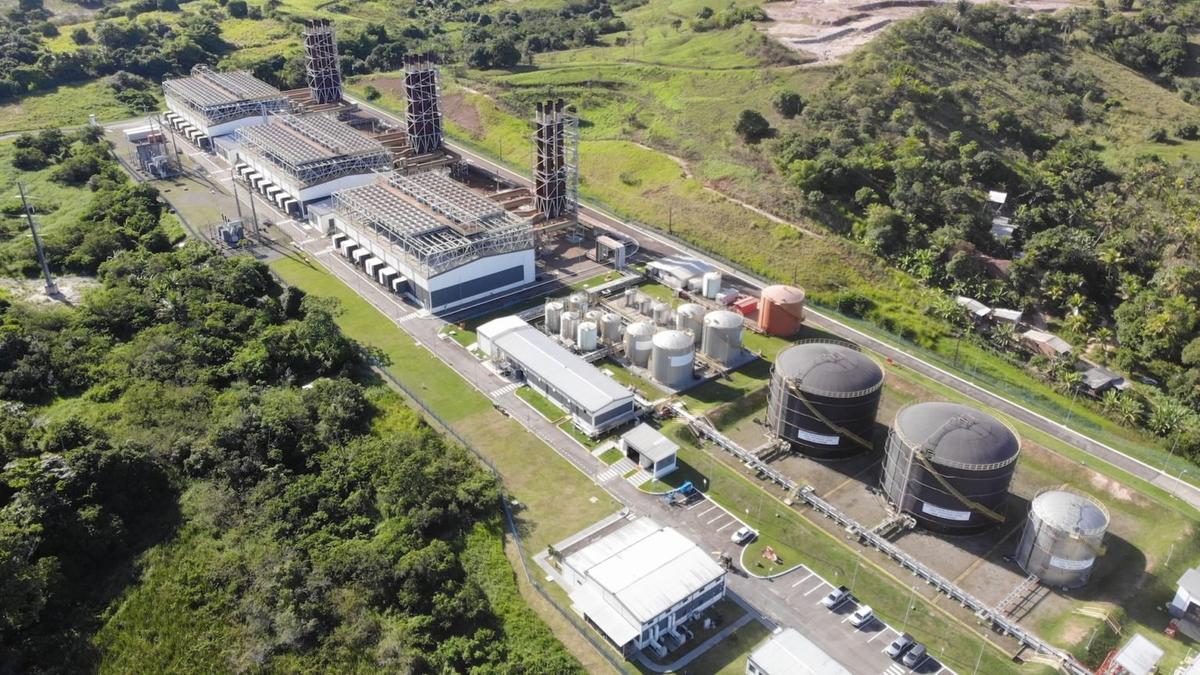
Unprecedented Project Can Supply Millions of Families and Drastically Reduce Carbon Emissions in the Country
Brazil began, in 2024, the implementation of the world’s first large-scale ethanol-fired thermoelectric plant. The investment of R$ 60 million is led by Savana Holding in partnership with Suape Energia and the Finnish company Wärtsilä.
The pilot project is underway at the Suape Thermal Plant 2, in Pernambuco, and is already attracting international attention. The first 4 MW engine-generator is being installed. However, the potential is much greater: the plant can reach 600 MW, enough power to serve more than 2 million Brazilian families.
Project Structure and Established Timeline
Savana Holding owns 80% of the enterprise, while Petrobras holds 20% and also acts as a financier. Additionally, Wärtsilä supplied half of the necessary equipment, and Suape Energia has taken responsibility for assembly and infrastructure.
-
Brazil accelerates hydrogen and biofuel projects to consolidate the fuel of the future and reduce dependence on oil by 2026.
-
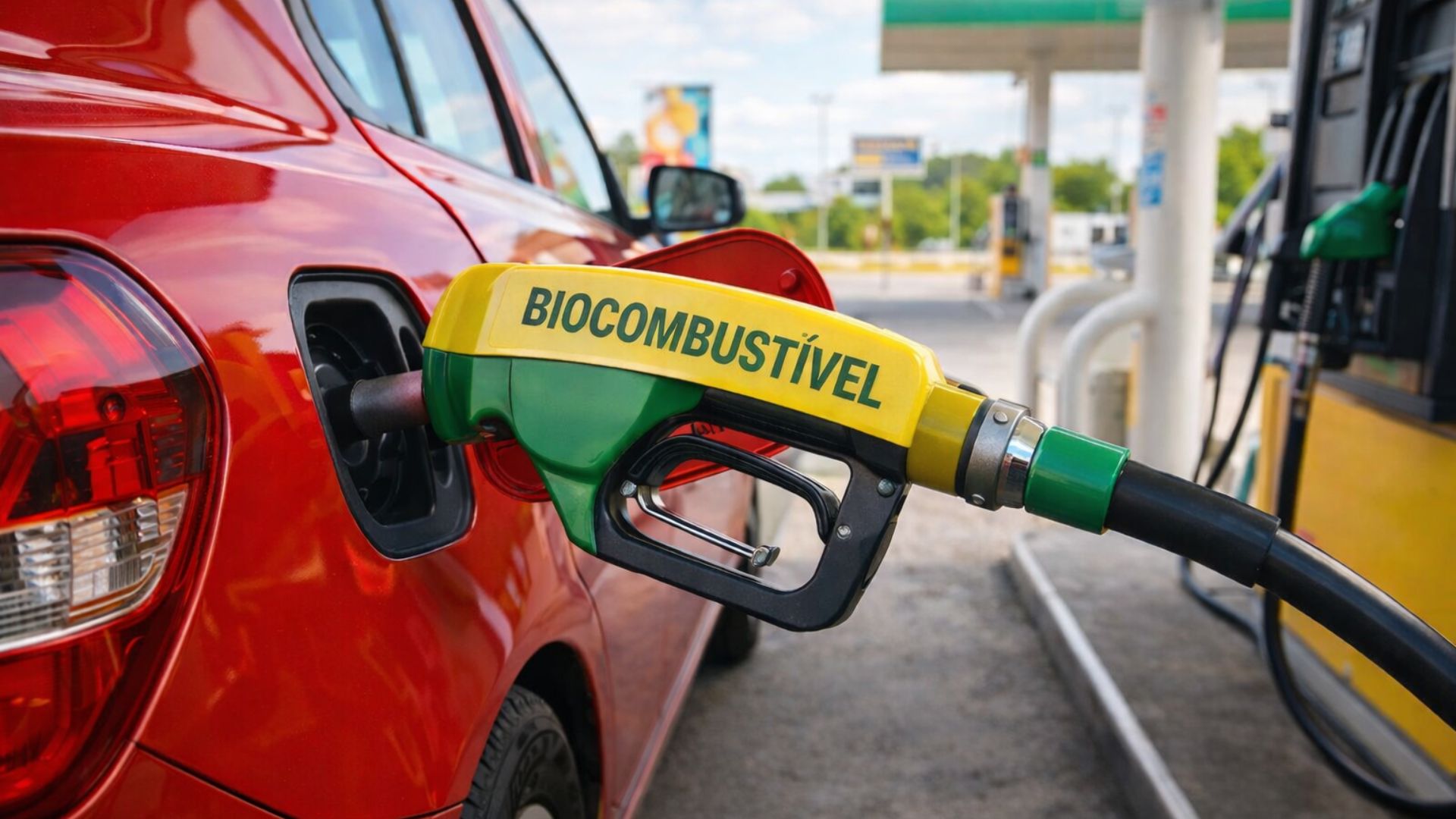
CNPE strengthens policy and prevents imported biodiesel from being mixed with diesel, aiming to strengthen the Brazilian industry and protect jobs by reducing external dependence amid tensions in the global market.
-
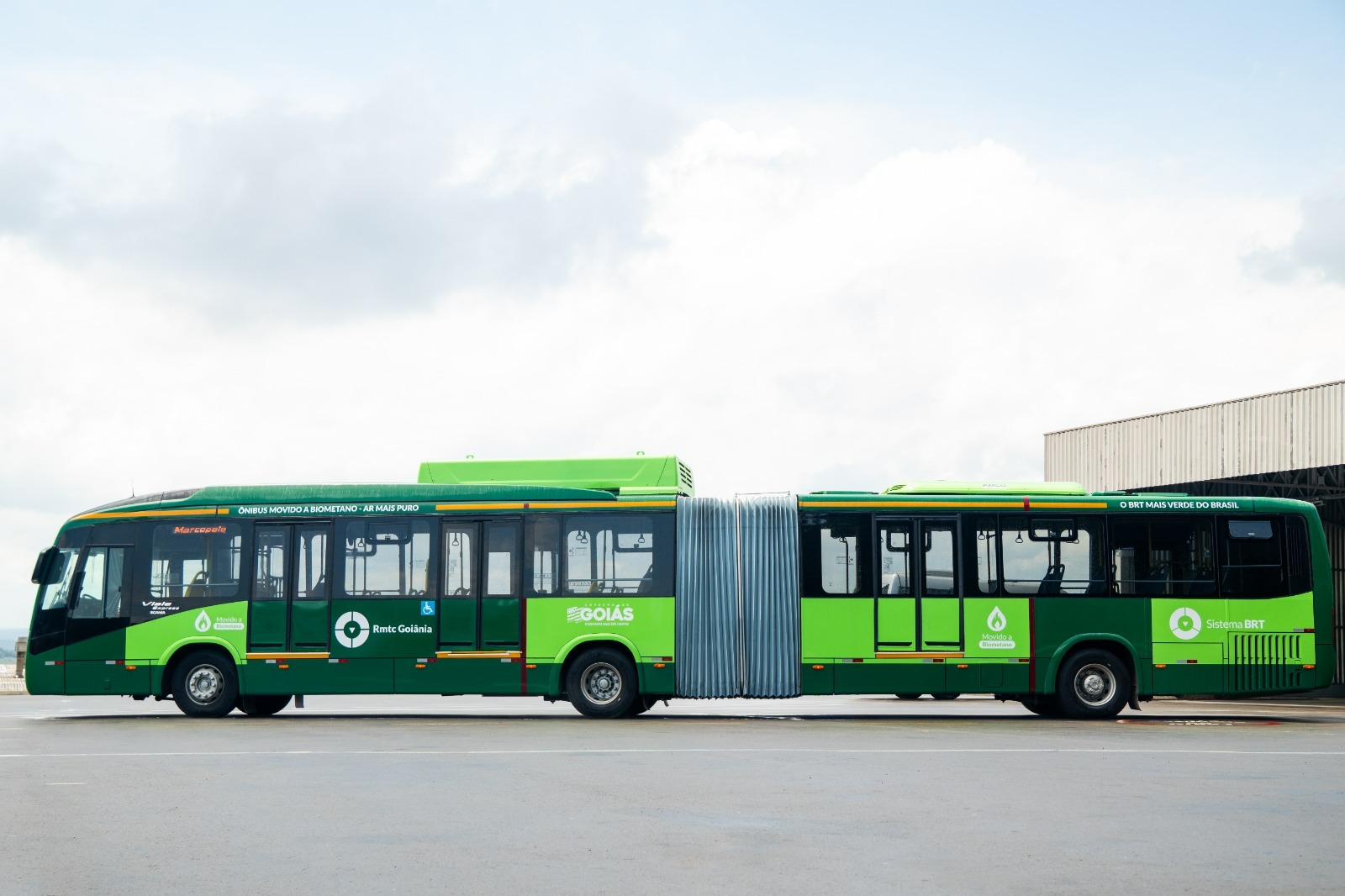
Revolution in public transport: Goiânia puts into circulation the first articulated buses powered by biomethane in Brazil and promises to drastically reduce pollution on the Anhanguera Corridor.
-
From the field to the pipelines: Mato Grosso do Sul accelerates the energy transition and consolidates a new axis in renewable energy with the arrival of a giant biogas plant.

The timeline is already established. Assembly is expected to be completed by December 2025, and tests are scheduled for January and February 2026. During this phase, there will be a consumption of 6 million liters of ethanol in an operation of 4,000 hours.
Energy Efficiency and Emission Reduction
In an interview with Poder360 in August 2024, José Faustino, CTO of Suape Energia, emphasized that the plant places Brazil at the forefront of the global energy transition.
According to him, the efficiency of the ethanol engine reaches 40%, close to that of diesel engines, which range between 46% and 48%. However, the major difference lies in environmental impact: the ethanol engine emits only 10% of the CO₂ released by a diesel engine.
Moreover, the thermoelectric plant ensures a faster response to the National Interconnected System (SIN). While fuel oil plants require heating and filtration, the ethanol unit could operate in less than 30 minutes, providing agility to the electrical system.
Fuel Supply and Ethanol Market
The fuel will be the responsibility of Vibra Energia. Savana Holding stressed that there is no risk of competition with the automotive sector, as the demand from a thermoelectric plant is much lower compared to that of vehicles.
“This project strengthens the sugarcane and ethanol market, sectors that still face financial difficulties”, declared Faustino.
The Vice President of Savana, Carlos Mansur, highlighted that currently, ethanol can only be marketed through distributors. However, he believes that future capacity auctions could spur adjustments in legislation, allowing new supply methods and expanding access to the market.
Economic and Social Impacts
The implementation of the plant in Pernambuco strengthens the local economy, creates jobs, and reduces dependence on imported fuels. In addition, the project leverages the already consolidated ethanol supply chain in Brazil to stimulate investments and drive innovation in the energy sector.
According to the executives involved, the experimental milestone expected for 2026 could transform Brazil into an international reference in the use of ethanol for electric generation. This model, if consolidated, could pave the way for new plants nationally and abroad.
Technical and Strategic Milestones of the Project
- Initial Investment: R$ 60 million in 2024.
- Location: Suape Thermal Plant 2, Pernambuco.
- First Stage: 4 MW engine-generator.
- Total Potential: 600 MW, enough for 2 million families.
- Tests: 6 million liters of ethanol, duration of 4,000 hours.
- Assembly Forecast: by December 2025.
- Start of Tests: January 2026.
- Efficiency: up to 40% on ethanol compared to up to 48% on diesel.
- Emission Reduction: only 10% of CO₂ compared to diesel.
- Supply: Vibra Energia.
A Global Milestone in Energy Transition
The pioneering nature of the ethanol plant shows how Brazil can take the lead in the energy transition by investing in a renewable, sustainable source that is already integrated into its economy.
While other countries are still seeking alternatives, the Pernambuco project positions ethanol as a strategic vector to reduce emissions and enhance national energy security.
What do you consider most important for the future of the Brazilian energy sector: to quickly expand this model to other states or to advance gradually, ensuring stability and sustainability?









Seja o primeiro a reagir!