





 Portuguese
  English
  Spanish
  5 min of reading
  0 comments


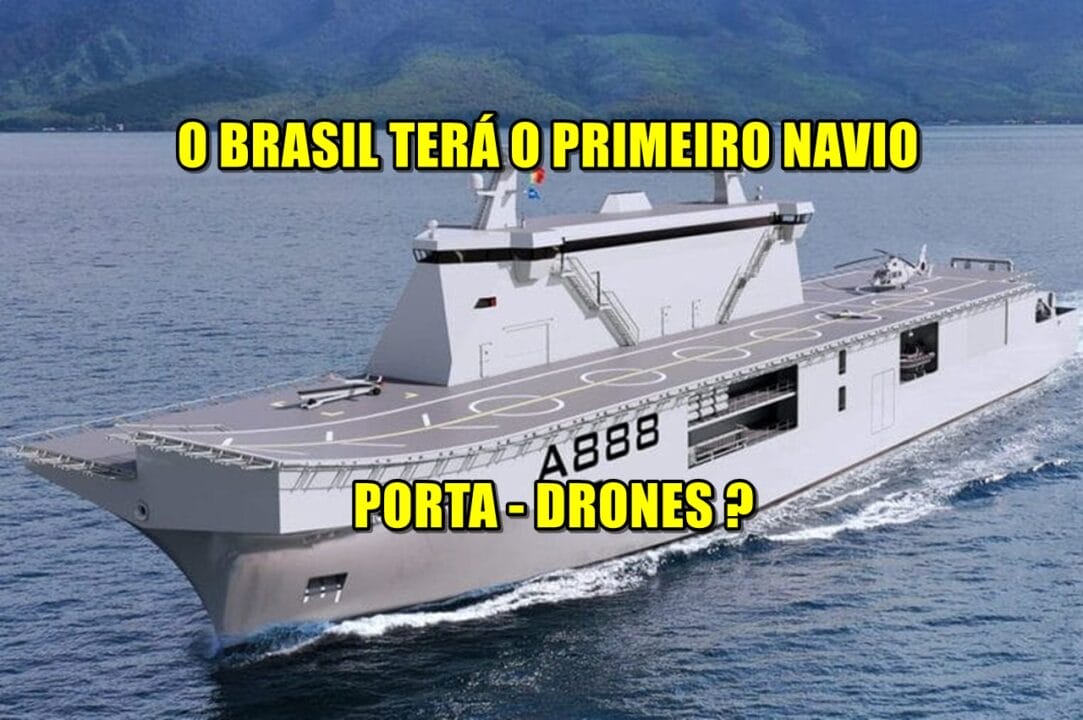
Will Brazil Have The First Drone Carrier? When The Brazilian Navy Began Its Search For Partners For The Development Of Its Tamandaré-Class Frigates, The Damen Project Was One Of The Finalists
Discover the new multipurpose support ship developed by the Damen Shipyards group, which has also been classified as the first drone carrier. We will see how this innovative concept could represent the next step in naval combat and whether these ships could be acquired and operated by the Brazilian Navy.
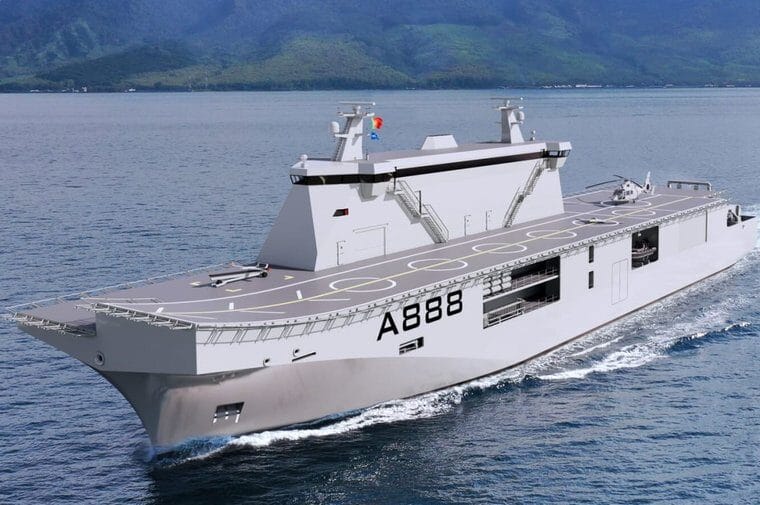
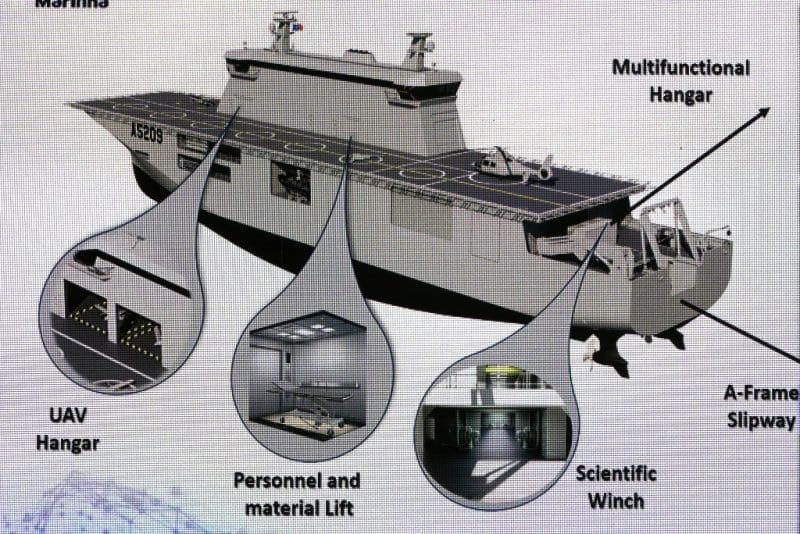
Recently, the Damen Shipyards group revealed its newest project, the Multipurpose Support Ship, also called MPSS, developed together with the Portuguese Navy, which aims to be the first to acquire this new type of ship. Its main task is to operate drones of various types, whether aerial, aquatic, or underwater.
High Versatility
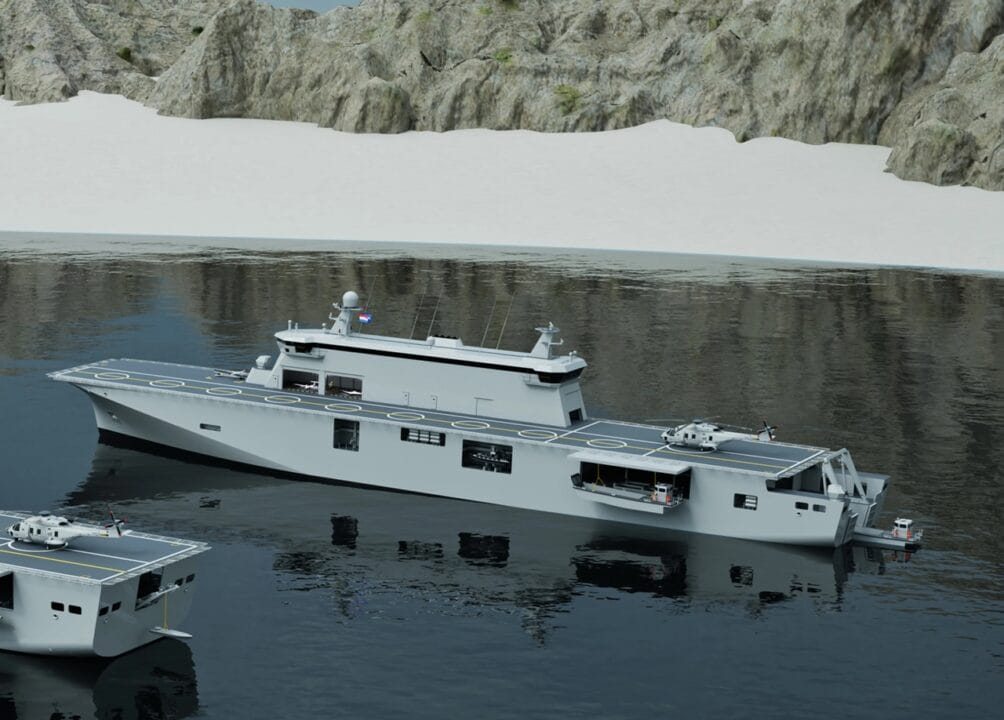
The MPSS aims to be an option for both large and small navies, offering high versatility in a compact package. In addition to its primary task, the multipurpose support ship can also be used to fulfill various other secondary functions, from humanitarian and search and rescue operations to amphibious support operations and submarine recovery.
-
Europe is trying to create an ammonia-powered marine engine without auxiliary fuel, which could unlock the race for giant emission-free ships. The technology aims to eliminate one of the biggest obstacles to clean maritime propulsion.

-
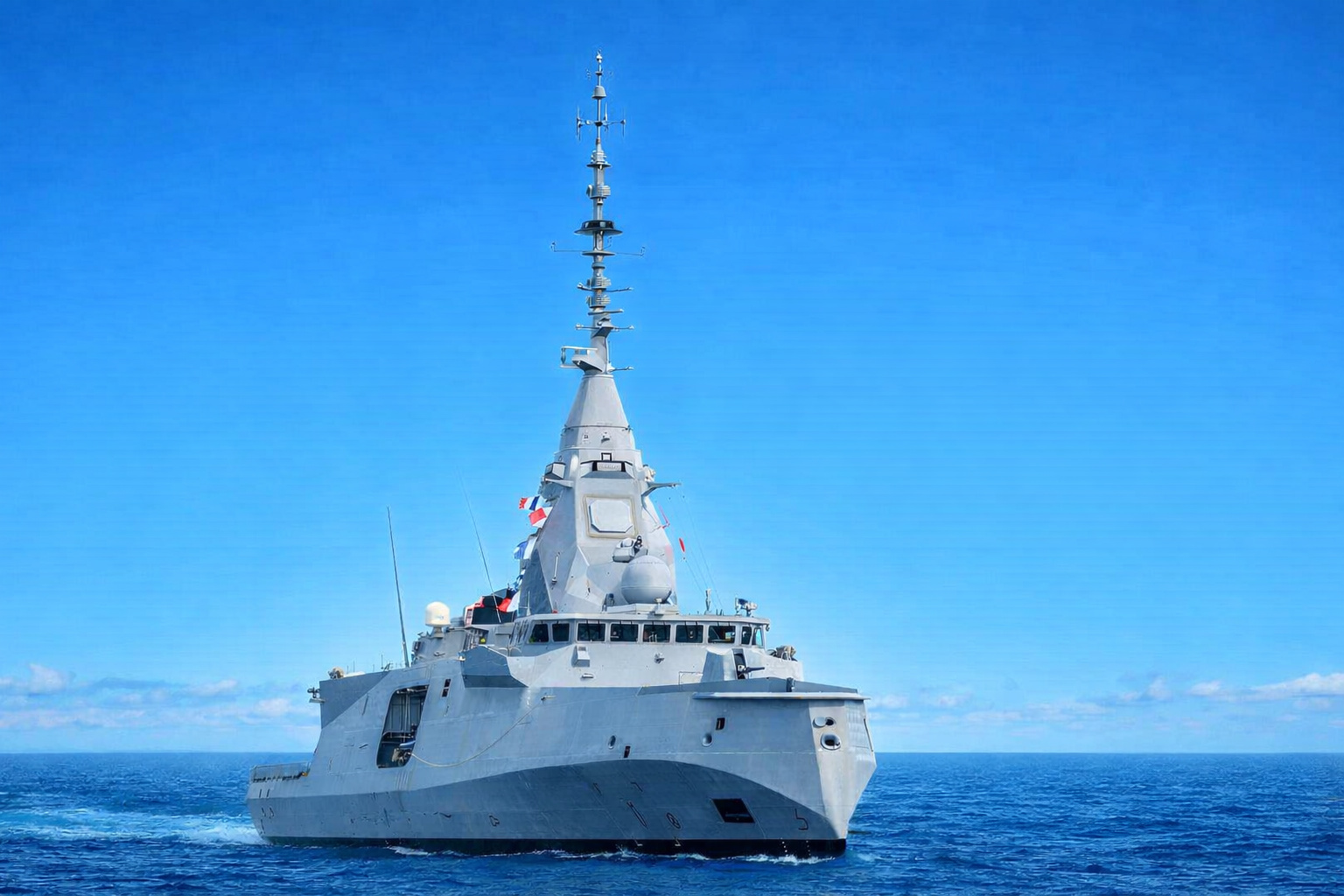
A 4,500-ton frigate with just over 100 crew members, state-of-the-art radar, and cruise missiles is being touted as the new standard of naval warfare in the 21st century.
-
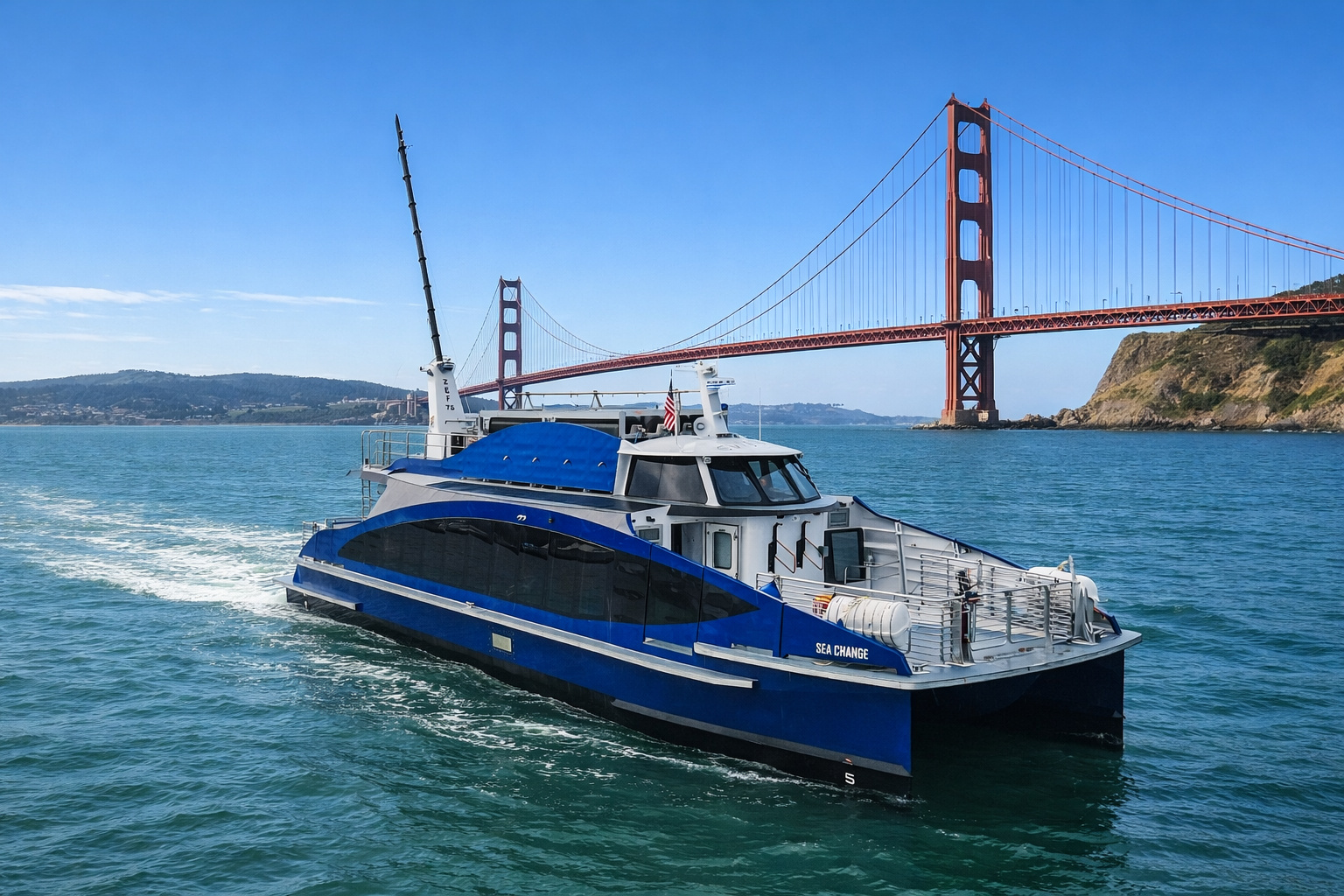
The first commercial hydrogen-powered ferry enters operation in the U.S., eliminates the use of diesel, uses fuel cells to generate clean energy on board, and transforms San Francisco Bay into a landmark of the new era of emission-free navigation.
-
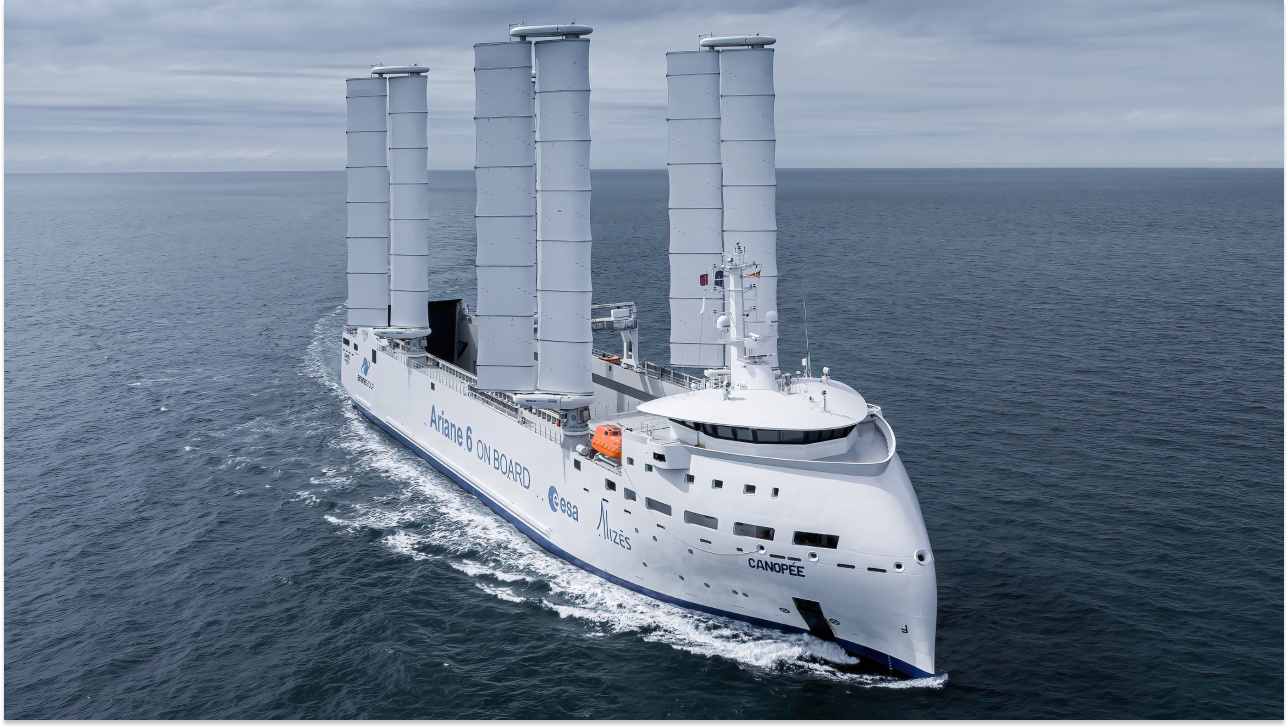
With a length of 121 meters and four rigid sails of 36 meters that automatically rotate to capture the wind, Canopée is the world’s first hybrid industrial cargo ship powered by wind, used to transport rockets and reduce fuel consumption by up to 30% on transoceanic routes.

Dimensions And Capacity
Another significant differential of this ambitious project is its cost-effectiveness. The MPSS is a relatively small ship, with versions of 7,000 and 9,000 tons, comparable to the displacement of some modern frigates and destroyers. Its dimensions are also not very large, with the 9,000-ton version reaching 130 m in length and the 7,000-ton version being only 107 m long, similar to the future Brazilian frigates of the Tamandaré class. Its size is very well utilized. Despite having a low maximum speed of only 15 knots, its range can reach over 10,000 nautical miles, and its endurance at sea is 45 days. The MPSS also does not require a large crew, with plans to be operated by a crew of 48 people and with additional facilities for another 100 passengers and temporary accommodations for 42 more.
Revolutionizing The Naval Industry
With its capacity to operate drones in combat and surveillance missions, versatility to perform other tasks, compact size, low operational cost, and ease of construction and maintenance, the multipurpose support ship promises to revolutionize the naval industry as an essential unit for modern navies. The Portuguese Navy, which was involved in the development process of the MPSS, has already ordered its first unit, and it is likely that many other nations will follow this example. The multipurpose support ship is a significant innovation that incorporates new learnings to provide an appropriate solution to current problems, just as it happened in the past with battleships and later with aircraft carriers.
Impact Of The Ship On The Brazilian Navy
The proven effectiveness of drones in modern conflicts is something that many nations, including Brazil, have been studying, which has already invested in this area. For the Brazilian Navy, the possibility of operating a unit like Damen’s multipurpose support ship could have a significant impact on its operational capability. No matter how powerful and symbolic a conventional aircraft carrier may be, the reality is that these ships require a large investment to be acquired and operated, draining resources from a navy like Brazil’s, which currently does not possess them. The ability to use aircraft as part of a navy’s offensive arsenal remains an extremely important factor when assessing its capability to combat different threats.
A Valuable Option
The Damen Shipyards project aims to offer a good middle ground, focused on the operation of drones instead of manned aircraft. This is an alternative that, in some cases, may be less effective but still offers an advantage against surface ships. Its low operational and maintenance cost makes it a valuable option for a navy with limited resources to invest. Additionally, its versatility would make it a good addition for other operations frequently performed by the Brazilian Navy, such as humanitarian assistance. It is worth noting that Damen Shipyards has always shown a willingness to provide the necessary resources for its clients to build their ships in their own shipyards, assisting nations like Mexico and Colombia in developing their own naval industries.
The Potential Of The MPSS Ship For The Brazilian Navy
When The Brazilian Navy Began Its Search For Partners For The Development Of Its Tamandaré-Class Frigates, The Damen Project Was One Of The Finalists, Even Though It Was Not The Final Choice Of The Navy. Taking These Factors Into Consideration, It Would Be Possible For The Brazilian Navy To Acquire A New Damen Multipurpose Support Ship And Possibly Even Build Its Units Nationally. The MPSS Would Undoubtedly Have A Significant Impact On The Brazilian Navy, Allowing It To Be At The Forefront Among Navies Operating This Type Of Ship In The Region, Which Would Subsequently Help Maintain Its Position As The Most Powerful In The Region.
The Costs For Brazil To Acquire And Operate The Multipurpose Support Ship Would Be Much Lower Than Those Of Larger Units Like Aircraft Carriers While Allowing The Country To Have A Capable Unit To Perform Various Types Of Additional Operations. Although The MPSS Is A New Concept That Still Needs To Be Tested, Its Potential Is Evident And Should Be Closely Monitored By Navies That Do Not Wish To Be Left Behind In The Face Of New Naval Technologies.









Seja o primeiro a reagir!