





 Portuguese
  English
  Spanish
  2 min of reading
  0 comments


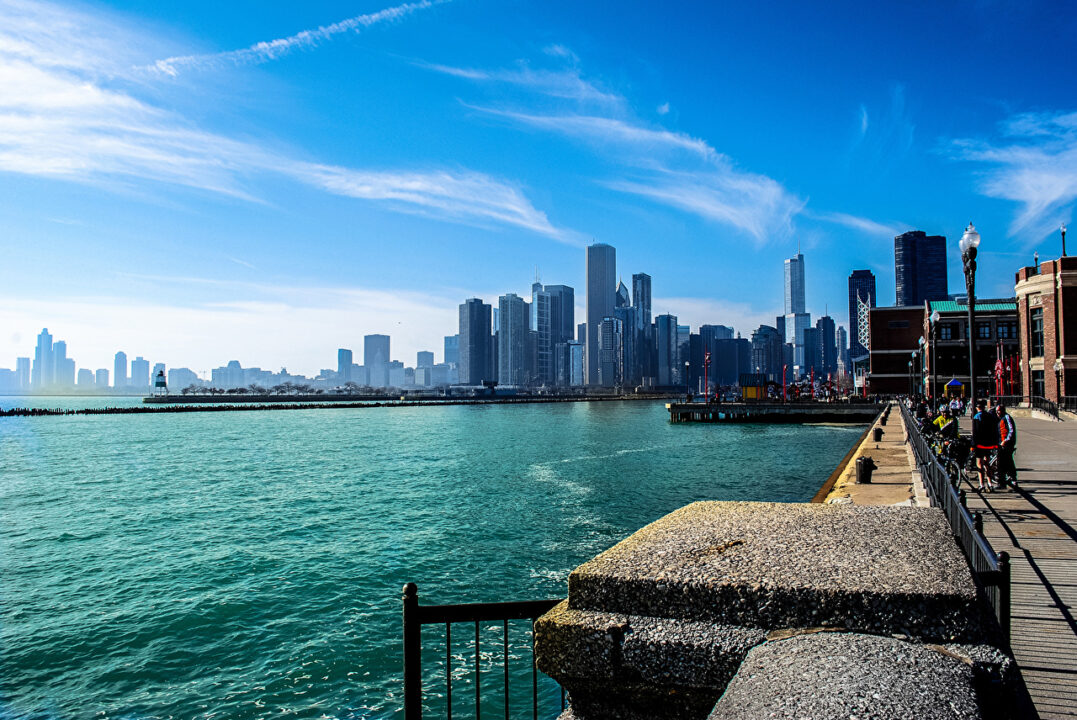
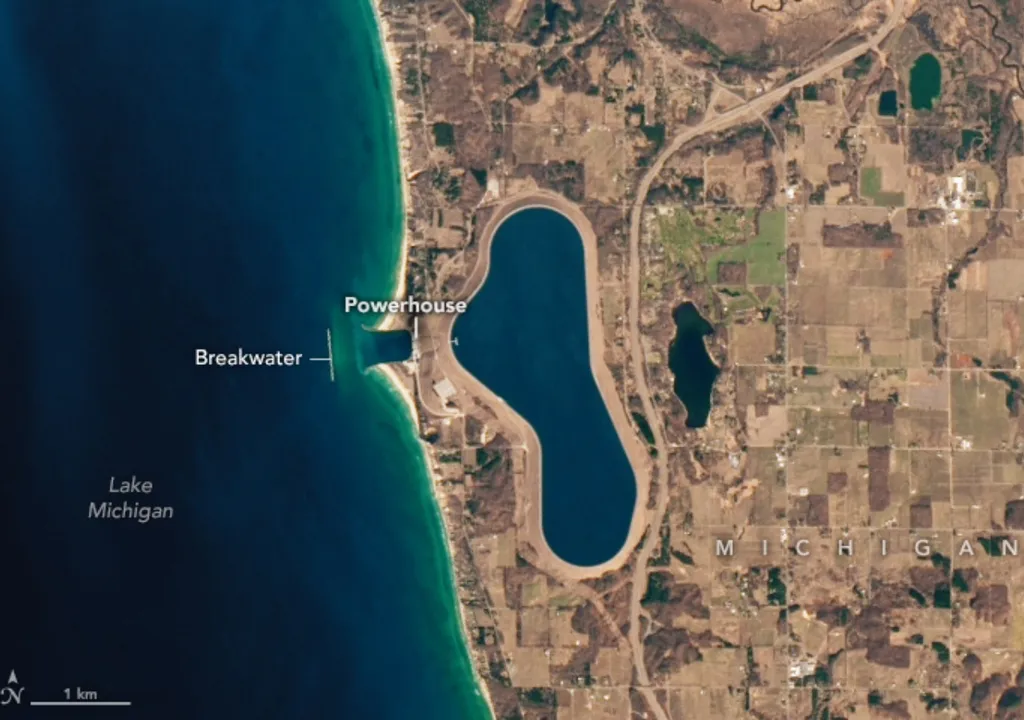
Opened in 1973, the Ludington Pumped Storage Plant is comparable to a lasting battery, remaining active for over five decades. The vast reservoir that makes up the upper part of the plant extends for about 4 km in length and 1.6 km in width.
According to time.com, amid the relentless search for renewable energy sources, a sleeping giant stands out on the shores of Lake Michigan. The Ludington Pumped Storage Plant, operating for over half a century, is a landmark in modern engineering and a testament to human potential for innovation. This text explores the plant that functions as a colossal battery, storing and releasing hydroelectric energy with the simplicity of physics and the promise of a sustainable future.
The Heart of the Plant: Energy Storage and Generation
The Ludington Plant operates on an elegant principle, using surplus electricity to lift water from Lake Michigan to an elevated reservoir. When energy demand increases, the water is released, activating turbines that generate electricity. This cycle creates a reservoir of energy (battery) ready for use, essential in a world where electricity demand is unpredictable and constantly growing.
Half a Century of Service: The Durability of the Ludington Pumped Storage Plant
Since 1973, the plant has been a central piece in Michigan’s electrical grid. With an upper reservoir extending for miles, the facility not only generates power but also protects local biodiversity. Furthermore, the ability to adjust the reservoir level by centimeters per hour demonstrates precise control and impressive operational efficiency.
-
With 74% of companies facing difficulties in hiring, technicians and engineers in renewable energy are becoming scarce in Brazil and are essential to support the expansion of solar, wind, and green hydrogen projects.

-
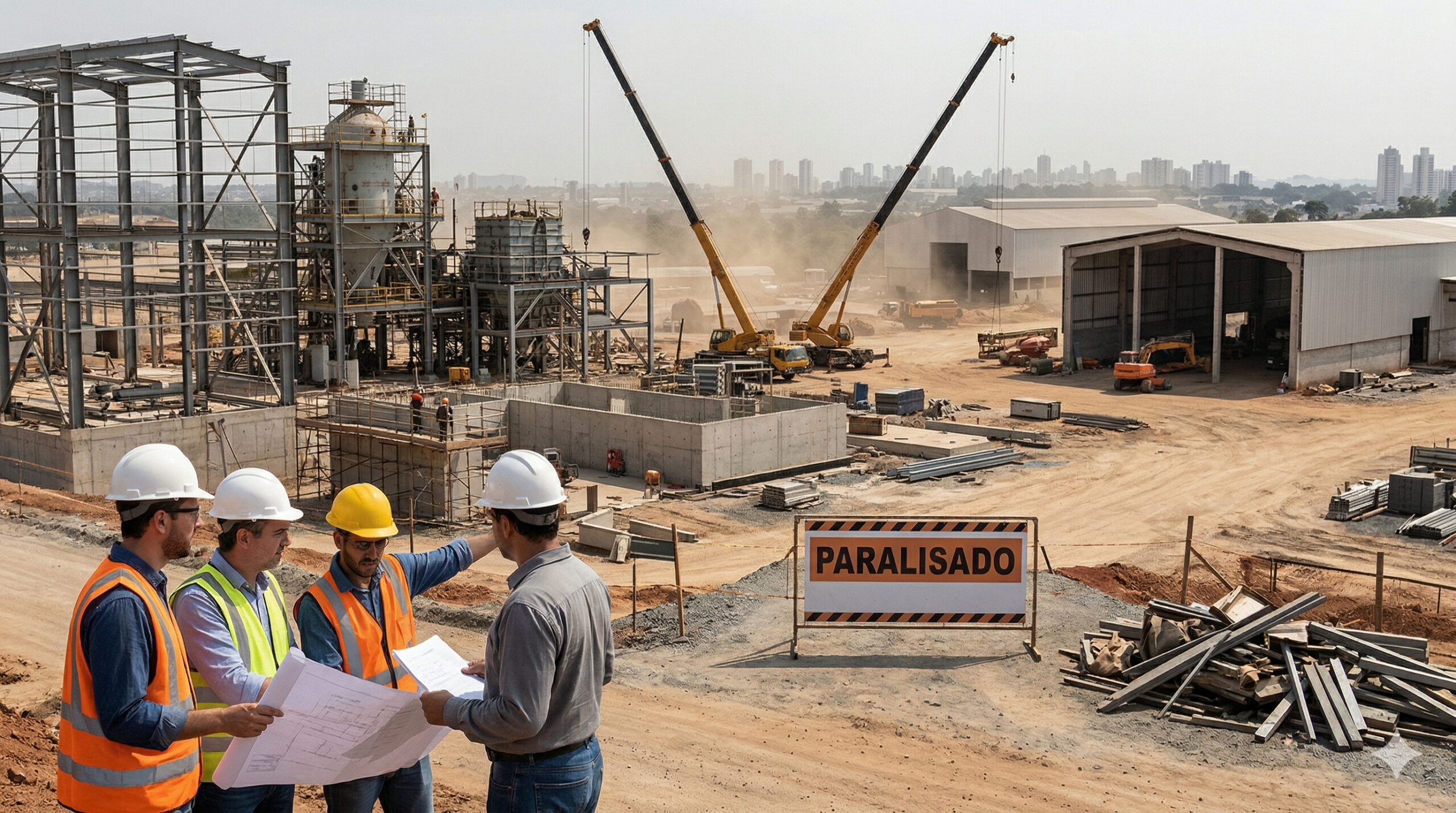
The lack of welders, electricians, and operators becomes a structural threat in 2025, with the construction industry and manufacturing already suffering from delays, cost pressures, and labor shortages in Brazil.
-
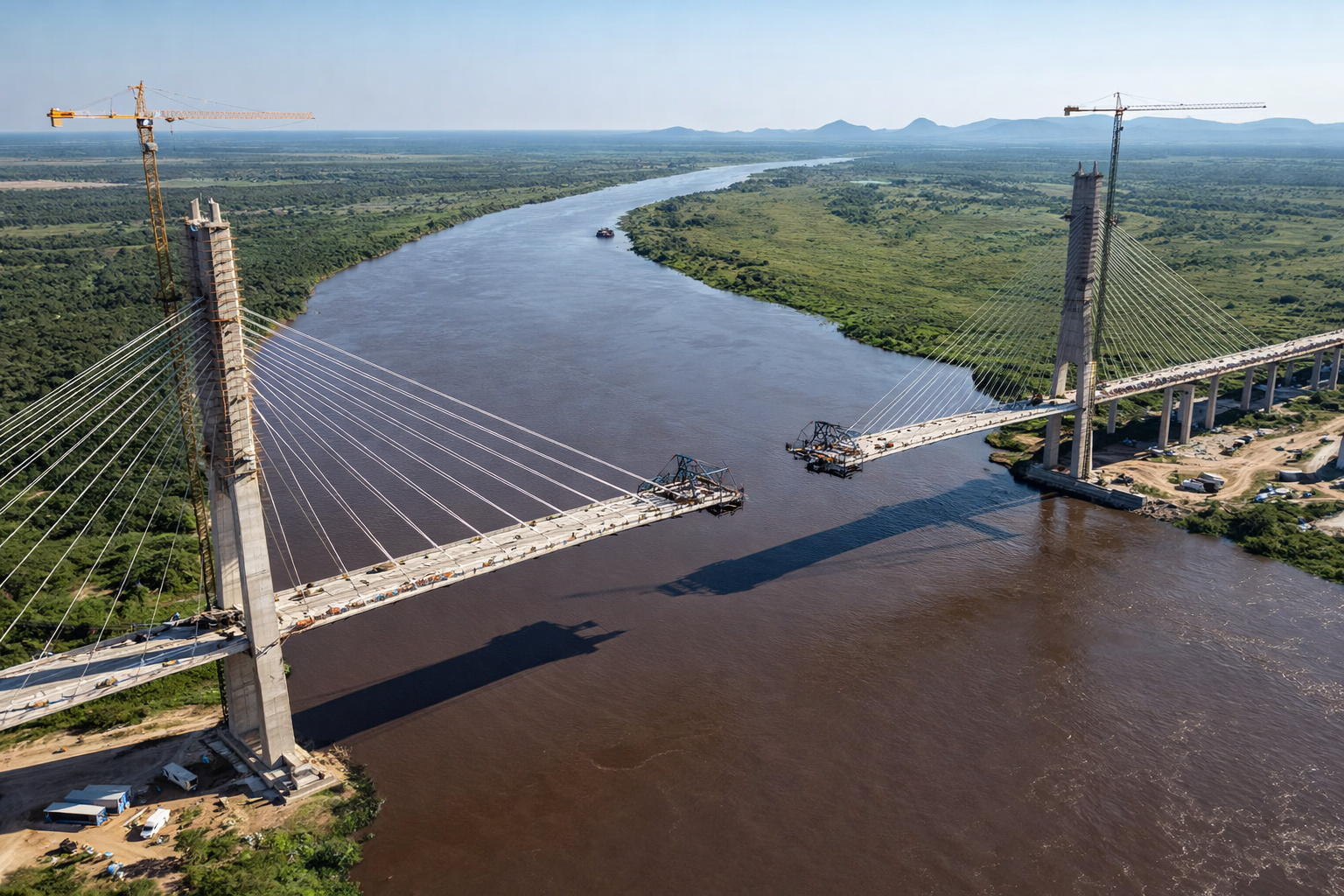
Brazil and Paraguay are just 46 meters away from a historic union on the bioceanic bridge that promises to revolutionize trade between the Atlantic and the Pacific.
-
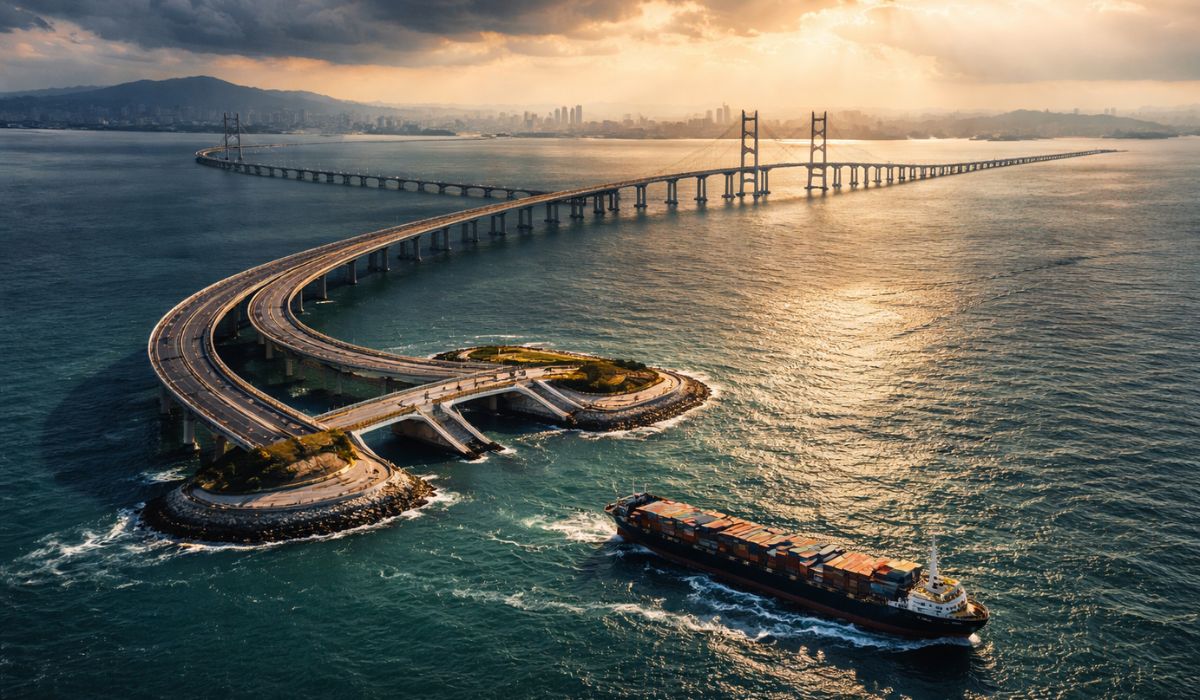
With 55 km over the sea, a cost of US$ 20 billion, and enough steel to build 60 Eiffel Towers, China’s largest project has connected Hong Kong, Zhuhai, and Macau in a colossal bridge that defies the logic of engineering.

Adaptation and Modernization: The Path to Clean Energy
The transition to renewable energy is a global challenge, and the Ludington Plant is ready to adapt. With the inclusion of sources such as solar energy, the plant can alter its operating schedule, maximizing efficiency and supporting the electrical grid without relying on fossil fuels. This flexibility is vital to integrating intermittent energy sources, such as solar and wind, into the energy mix.
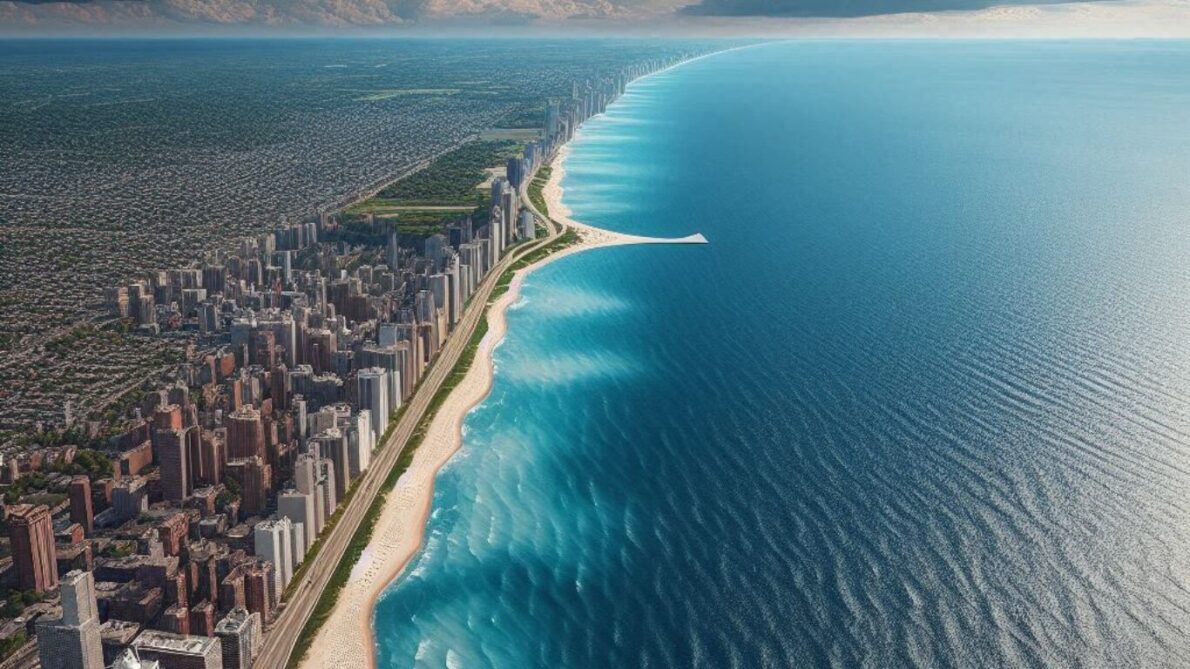
Therefore, the Ludington Pumped Storage Plant is more than an imposing structure; it is a symbol of resilience and adaptability. As the United States and the world move towards a future of clean energy, facilities like Ludington will be crucial. With the capacity to double pumped storage and ongoing modernization, the plant is not just a witness to the past, but also a key to the future of renewable energy.








Seja o primeiro a reagir!