





 Portuguese
  English
  Spanish
  3 min of reading
  0 comments


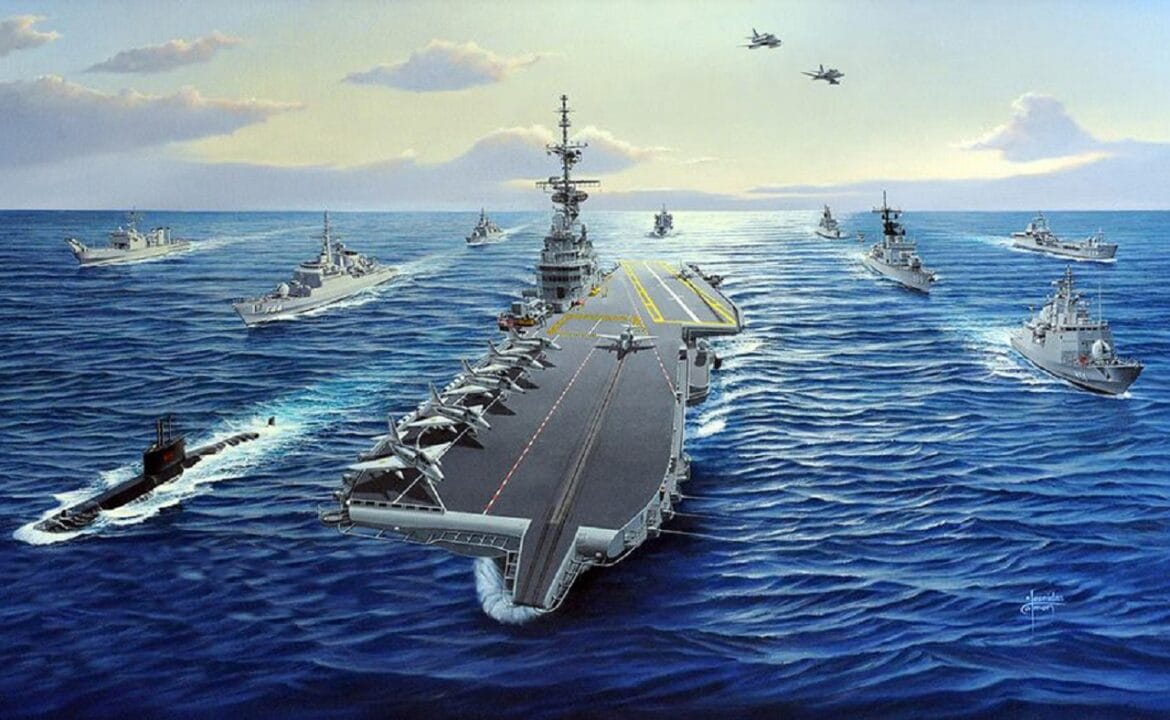
Brazilian Navy Takes Command of Multinational Task Force Against Pirates in the Red Sea. CTF, founded in 2009, Includes Several Countries Such as the USA, the United Kingdom, and More!
At the end of January, the Brazilian Navy took command of the Combined Task Force (CTF) 151 – Combined Maritime Forces, with the aim of coordinating multinational naval forces in operations to combat piracy in one of the world’s major maritime routes, which includes the Gulf of Aden, the Somali Basin, and the Arabian Sea.


The rotating command is now in Brazil’s hands at a time of escalating tensions between Western countries and the Houthi militia in Yemen. The mandate for leading the group against pirates in the Red Sea includes Bahrain, Denmark, Brazil, Japan, Kuwait, Jordan, Pakistan, the Philippines, New Zealand, the Republic of Korea, Thailand, Singapore, Turkey, the United Kingdom, and the USA, and can vary from three to six months.
Leading the Brazilian Navy task force is Rear Admiral Antonio Braz de Sousa, who stated that the focus will be on cases of piracy and attacks on merchant ships carried out by the Houthi rebels from Yemen.
-
With 74% of companies facing difficulties in hiring, technicians and engineers in renewable energy are becoming scarce in Brazil and are essential to support the expansion of solar, wind, and green hydrogen projects.

-
Europe is trying to create an ammonia-powered marine engine without auxiliary fuel, which could unlock the race for giant emission-free ships. The technology aims to eliminate one of the biggest obstacles to clean maritime propulsion.

-
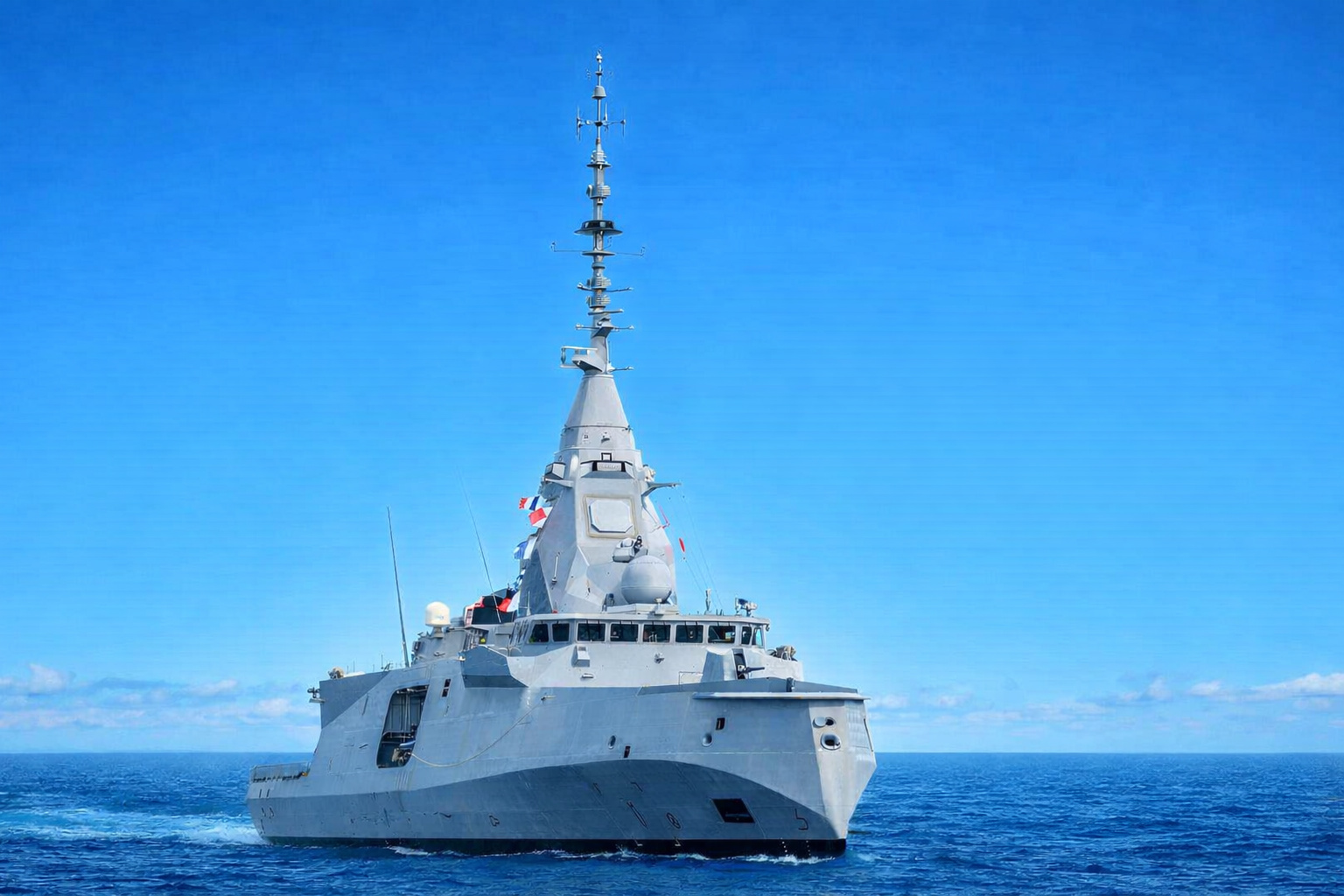
A 4,500-ton frigate with just over 100 crew members, state-of-the-art radar, and cruise missiles is being touted as the new standard of naval warfare in the 21st century.
-
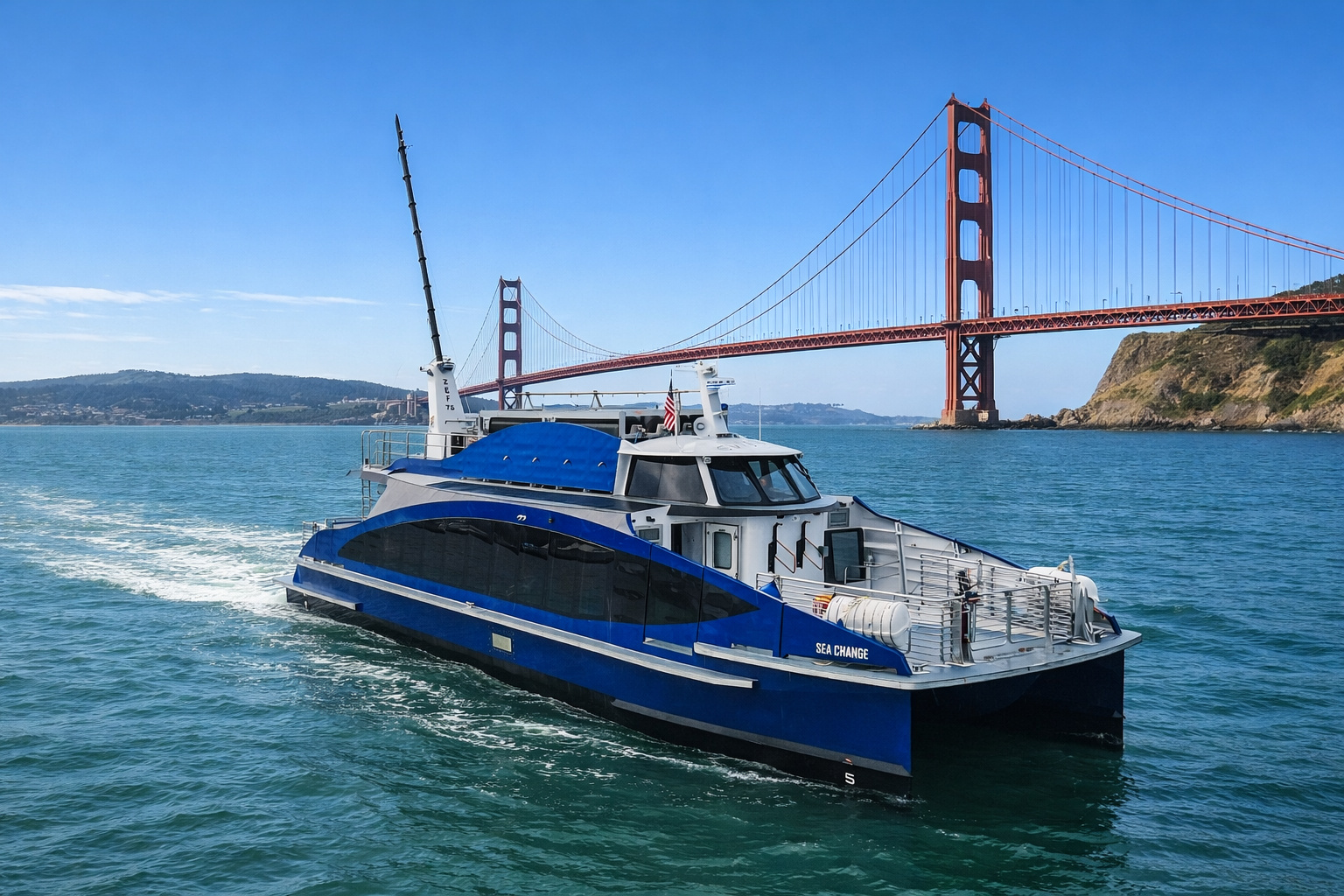
The first commercial hydrogen-powered ferry enters operation in the U.S., eliminates the use of diesel, uses fuel cells to generate clean energy on board, and transforms San Francisco Bay into a landmark of the new era of emission-free navigation.
Who Will Lead the Action of the Brazilian Navy?
According to the rear admiral, during the change of command ceremony in Bahrain, while accepting the invitation to lead this force once again, the Brazilian Navy, the first South American country to play a prominent role in this multinational maritime coalition, reaffirms its dedication to the maritime community and, particularly, to the Combined Maritime Forces.
This commitment aims to enhance global security and stability, contributing to collective well-being. Braz de Sousa takes command of CTF 151 after serving as Chief of Staff of the Fleet Command. He has participated in various missions sailing in the South Atlantic, including the rescue of survivors from the crash of Air France flight 447 in 2009.
Brazil Must Maintain Vigilance Against Pirates in the Red Sea 24 Hours
This is the third time Brazil will command CTF 151 to combat pirates in the Red Sea, but the first time it will be overseeing an area of approximately 3.2 million square miles, around eight million square kilometers, of international waters during a surge in attacks. The multinational group is one of five operational within the international Combined Maritime Forces (CMF), which also addresses human trafficking and illegal fishing.
CTF 151 has already been led by 16 countries and was established in January 2009 in response to piracy attacks off the coast of Somalia, with a specific mandate based on anti-piracy missions. Among the missions under the group’s command, the Brazilian Navy must maintain proactive vigilance 24 hours a day and report suspicious activities to the authorities.
On ships operating in the area, forces often remove boarding ladders, secure low access points, use deck lighting, nets, barbed wire, electric fences, fire hoses, and surveillance equipment to detect pirates in the Red Sea.
Learn More About the Crisis in the Red Sea
Since the early days of the war between Israel and Hamas in Gaza, the Houthis, who control part of Yemen and are financially and militarily supported by Iran, have been carrying out attacks against commercial vessels transiting the Red Sea, one of the busiest maritime routes on the planet, through which 12% of global exports pass.
According to the group, these actions are a way to support the resistance in Gaza and target ships registered to or owned by Israeli companies or that are destined for Israeli ports, even if just passing through. In November, a cargo ship was captured by the militia in a cinematic action involving a helicopter.








Seja o primeiro a reagir!