





 Portuguese
  English
  Spanish
  4 min of reading
  1 comment


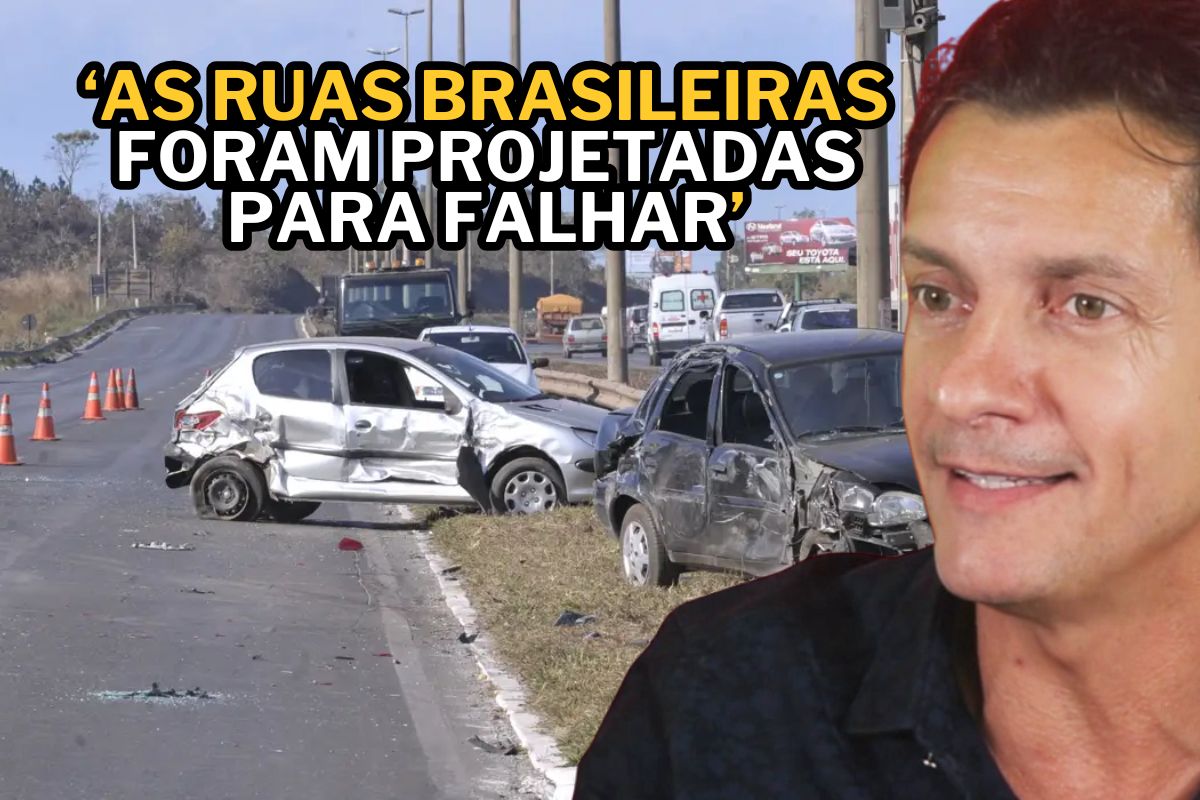


Brazilian Traffic Accumulates Infrastructure Failures, Potholes, Unpopular Speed Decisions, and a Risk Culture That Especially Exposes Young Motorcyclists in Cities, Forming a Cycle of Violence That Reinforces Itself and Is Difficult to Break
The Brazilian traffic coexists with structural choices that prioritize apparent fluidity over real safety. Poorly maintained roads, uneven surfaces, unsafe shoulders, and urban sections embedded in highways create scenarios where human error is amplified and the consequences are severe.
As Cezar Unhani explains, at the same time, speed management measures encounter political and social resistance, while the risk culture remains normalized. The result falls heavily on the most vulnerable in cities, especially young motorcyclists, in an environment where every pothole, every uneven surface, and every design choice alters the outcome of a trip.
Infrastructure That Fails at the Basics
The country’s road network is heterogeneous.
-
A French brand placed a car on four huge red balloons to prove that its suspension made the vehicle “float,” and the surreal scene became one of the most iconic and unusual images in automotive history.

-
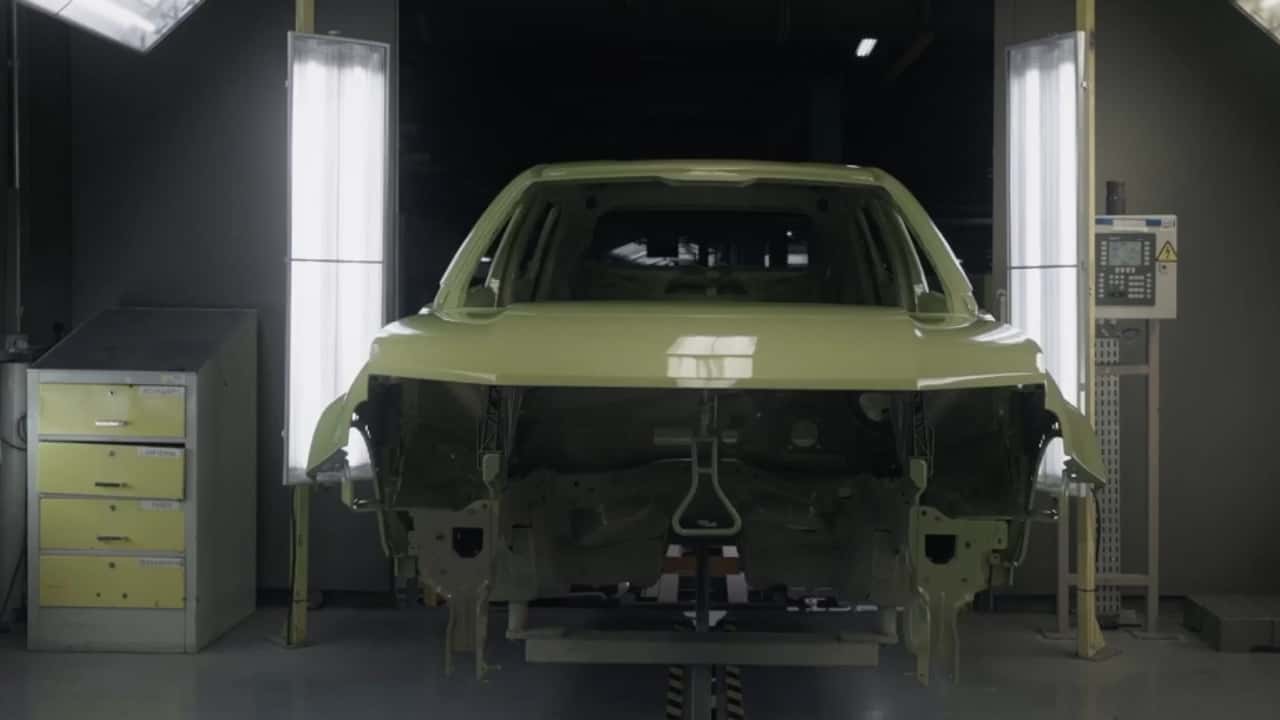
Jeep Avenger begins production in Brazil, debuting as the brand’s new entry-level SUV and inaugurating an unprecedented phase by becoming the first national Jeep manufactured outside of Goiana, as part of a R$ 3 billion plan.
-
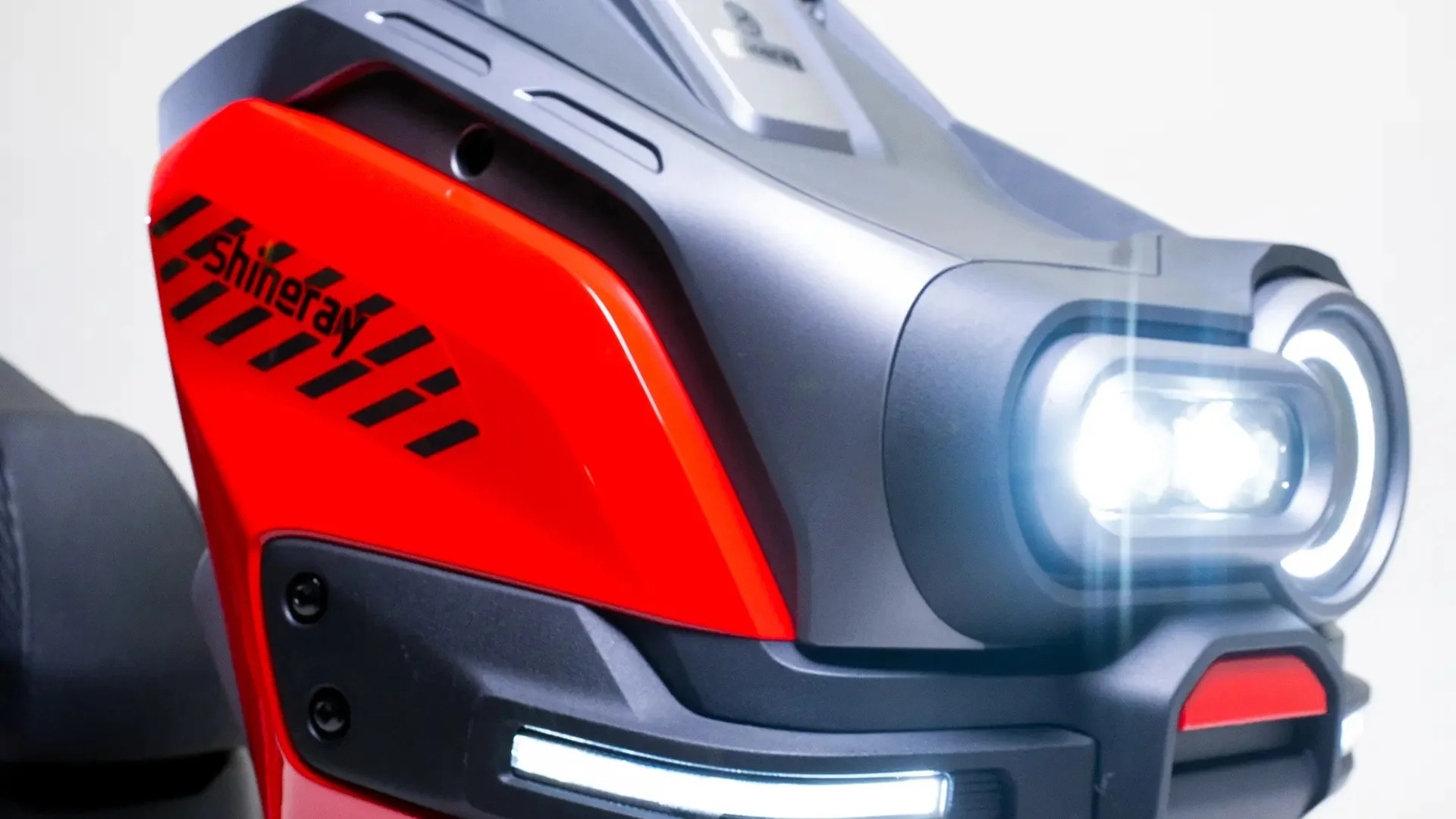
Costing R$ 12,490, the new Shineray Urban Lite 150 “cheap one” arrives in Brazil with a CVT transmission, digital dashboard, and LED lights, making it more affordable than the Biz and targeting those who want to abandon the bus.
-
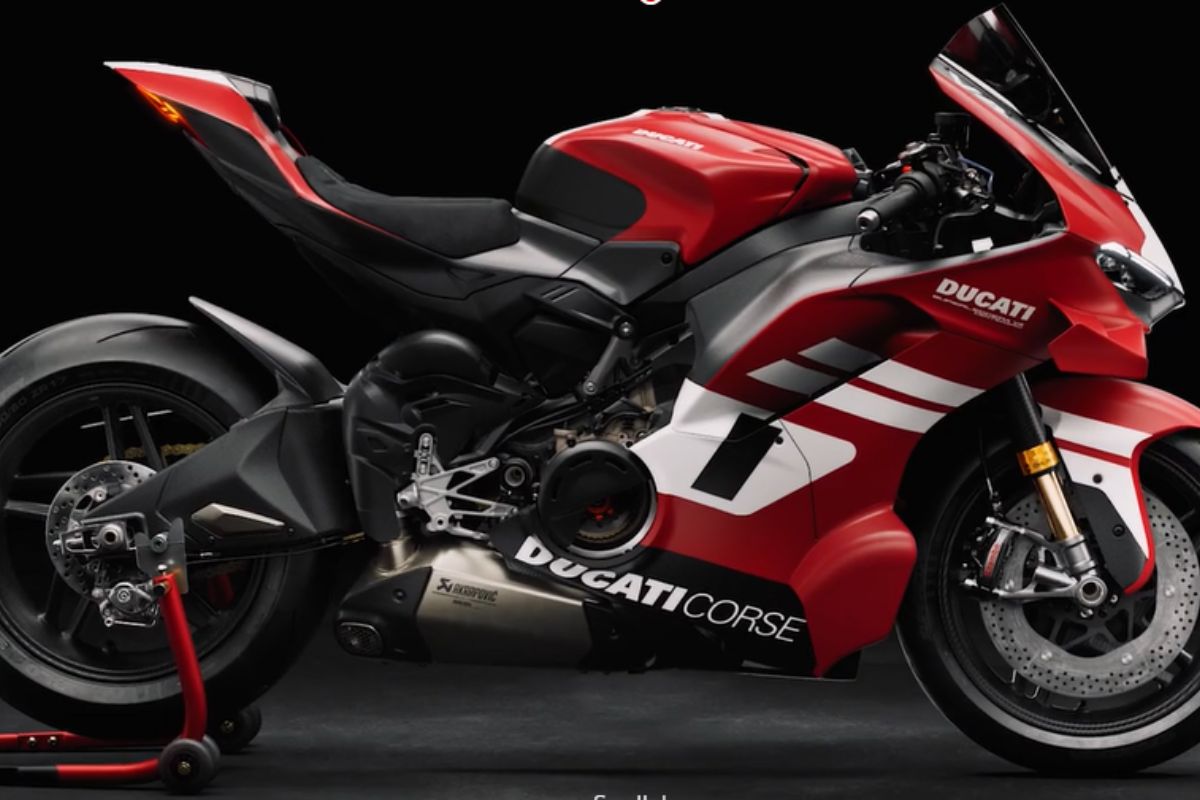
Ducati brings to Brazil the Superleggera V4 Centenario: 228 hp that become 247 with a track kit, carbon fiber and carbon-ceramic brakes, estimated price between R$ 1.5 and 2 million, deliveries only in 2027.

High-quality segments coexist with patched pavement, a mix of asphalt and cement, and “bumping” that destabilizes vehicles.
In many corridors, geometry does not forgive mistakes, and level variations in storm drains and poorly executed joints force sudden evasive maneuvers, especially dangerous with motorcycles weaving between lanes.
Another recurring problem is the proximity of urban areas to highways, creating conflict perimeters where the fast lane turns into an avenue without safe transition.
Narrow lanes, improvised accesses, and pedestrians on the shoulder make up a daily picture.
When the road becomes a boundary for urban expansion, the road design starts to produce risk by design, rather than by exception.
Speed Management: Why It Is Unpopular and Why It Works
Reducing average speeds saves lives immediately, but faces political costs.
The perception that “the city needs to move faster” ignores that adjustments to limits reconcile the differences between cars, buses, trucks, and especially motorcycles.
When the road operates at 40 km/h and motorcycles cross at 80 km/h in the corridor, the incompatibility becomes a factor for accidents.
Experiences suggest that adaptive speeds by time and flow can balance efficiency and safety.
Variable signs and dynamic control favor public transport during peak times and reduce speed shock during off-peak times.
The technical message is simple: addressing speed is the intervention with the greatest immediate impact, while major works require years and larger budgets.
Risk Culture and Shared Responsibility
There is a cultural component that normalizes unsafe behaviors.
Stopping on the shoulder, gathering at unprotected points, circulating just inches away from heavier vehicles are part of routines that increase the chance of error.
There is no such thing as a “small motorcycle fall” without injury, and every improvised detour to avoid a pothole can throw a motorcyclist to the ground.
The contemporary view of road safety requires shared responsibility. Those driving the heavier vehicle have a greater duty of care.
The public manager is responsible for the design of the roads, maintenance, inspection, and communication. And each user needs to recognize physical and contextual limits.
Blaming only the victim impoverishes the diagnosis and prevents effective corrections.
Young Motorcyclists at the Center of Urban Tragedy
The combination of expensive mobility, insufficient public transport, and economic necessity pushes many young people to motorcycles as a means of income and transportation.
The motorcycle is agile and accessible, but exposes the body to an environment that was not designed for mistakes. Potholes, uneven surfaces, oil on the road, and emergency braking exact a high toll.
Reports from hospitals indicate that a significant portion of hospitalizations does not involve professional activity and that lack of licensing and consumption of alcohol or drugs frequently appear in medical records.
These findings reinforce that the problem is not a single group, but a diffuse risk ecosystem in which training, enforcement, and engineering need to work together to reduce harm.
What to Do Now: Engineering, Inspection, and Communication
Some measures have low complexity and high return.
Patching potholes with a quality standard, leveling grates and joints, correcting unevenness at manhole doors, and reinforcing grip reduce falls and evasive maneuvers.
In critical corridors, renewed horizontal signage, wider lanes where possible, and refuge spaces decrease conflicts between cars and motorcycles.
In management, limits compatible with the actual design of the road, predictable enforcement, and clear communication change behaviors.
Education focused on real scenarios, such as maintaining speed in the corridor consistent with the flow, respecting arrows and creating gaps for lane changes, improves coexistence.
Open data and public goals help align expectations and demand results.
Brazilian traffic needs to stop relying on luck. Well-maintained infrastructure, evidence-based speed management, and a culture of responsibility form the tripod for reducing deaths, especially among young motorcyclists in cities.
Potholes, uneven surfaces, and unpopular decisions cannot continue deciding who gets home.
Do you agree that tackling potholes, uneven surfaces, and speed management should be an immediate priority in Brazilian traffic? Where in your city is the risk most visible in daily life, and what would work first in your assessment? Share your insights in the comments; we want to hear from those who experience this on the streets.










Concordo plenamente. Já existe a muitos anos, uma falta de preocupação em manutenção com as vias públicas. Os gestores públicos entenderam que não investir na manutenção de qualidade das vias públicas, além de ser uma tarefa a menos, é altamente rentável, do ponto de vista da arrecadação de impostos, afinal, tanto um carro, quanto principalmente peças como pneus, amortecedores e demais componentes tem vida útil extremamente reduzida em uma via com buracos e desníveis.
Sendo assim, o proprietário terá que realizar manutenções e trocas de peças com muito mais frequência, arrecadando mais impostos.