





 Portuguese
  English
  Spanish
 3 min of reading
  0 comments


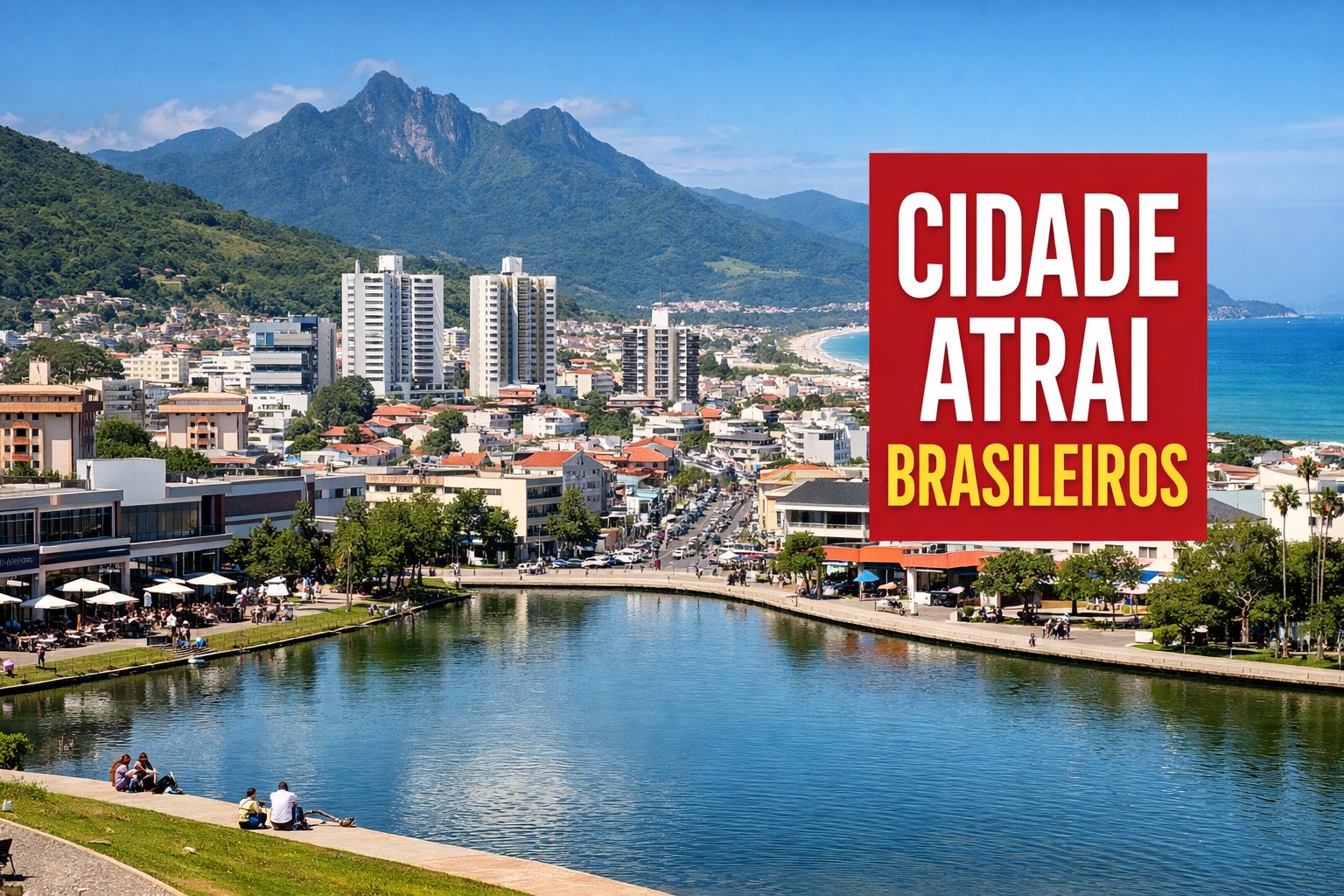
Between Planned Urban Expansion, Strategic Access to BR-101, Inclusive Education and Remarkable Beaches, Palhoça Consolidates Regional Protagonism, Combines More Affordable Cost of Living, Significant Population Growth and New Economic Opportunities
Palhoça has established itself as one of the main economic hubs of the Santa Catarina coast. Located just 18 km from Florianópolis, the city combines proximity to the capital with quality of life and a more affordable cost of living. This set has been attracting thousands of new residents year after year, visibly altering the urban pace and social profile of the municipality.
“Target” of Brazilians: Urban Transformation and Population Surge
In recent decades, Palhoça has undergone a profound change. In just over a decade, its population increased by more than 62%, resulting from a planned expansion process that began long after its founding in 1894.
The municipality is no longer seen merely as a residential extension of the capital and has begun to assert its own prominence.
-
The government requests the Federal Revenue Service for a new system to automate the income tax declaration, reducing errors, time, and bureaucracy for millions of Brazilians.

-
Pix in installments, international Pix, and contactless payment without internet: the Central Bank revealed the new features coming to the tool that is already used by almost every adult in Brazil.

-
Mercado Livre has just started selling medications with delivery in up to three hours to your door, and this move could completely change the way Brazilians buy medicines on a daily basis.

-
In Dubai, rising tensions from the war in the Middle East are causing super-rich individuals to leave the Gulf and direct their fortunes to a new financial refuge in Asia.


Part of this turnaround is associated with modern urban projects, such as the Pedra Branca neighborhood, internationally cited as a model of sustainable urbanism.
The development helped shape the city’s image beyond regional borders, strengthening an identity linked to innovation and urban planning.
The strategic location within Greater Florianópolis also drives growth. With direct access to BR-101 and the ring road, Palhoça has expanded its logistical attractiveness, facilitating the flow of goods and the establishment of companies.
In the educational field, it stands out for hosting the first bilingual campus (Libras/Portuguese) of the Federal Institute of Santa Catarina (IFSC) in Latin America, reinforcing the local vocation for inclusion, qualification, and development.
Choice of Brazilians: Quality of Life in Focus
Living in Palhoça means finding a balance between urban dynamism and natural landscapes. Data from the Brazilian Institute of Geography and Statistics (IBGE) indicate a Human Development Index (HDI) of 0.757, a figure considered high.
The number reflects advances in average income and constant improvements in service infrastructure.
The education network is another significant indicator. The schooling rate reaches 98.3% among children and youth, demonstrating a robust educational system.
In health, the municipality keeps pace with vegetative growth with recent expansions in polyclinics, striving to maintain its service capacity in light of increasing demand.
Daily life combines metropolitan routine with outdoor leisure. Places like Guarda do Embaú and Praia do Sonho become frequent weekend destinations, while urban gathering areas such as Passeio Pedra Branca act as meeting points for gastronomy and social life.

Numbers That Explain the Expansion
Palhoça reached 222,000 inhabitants in the latest census, with estimates projecting over 253,000 residents.
The municipality occupies an area of 395 km², characterized by diverse geography that includes coastal plains and preserved areas of Atlantic rainforest in the Serra do Tabuleiro State Park.
The population density is approximately 563 inhabitants per km², an indicator that suggests room for expansion.
Unlike the neighboring capital, limited by its island territory, Palhoça still has areas available for new residential and industrial developments, keeping the real estate market active.
The humid subtropical climate, strongly influenced by maritime conditions, completes the scenario. The hot and humid summers favor beach tourism and enhance the region’s natural appeal.
As a backdrop to this trajectory, audiovisual content also helps narrate local progress.
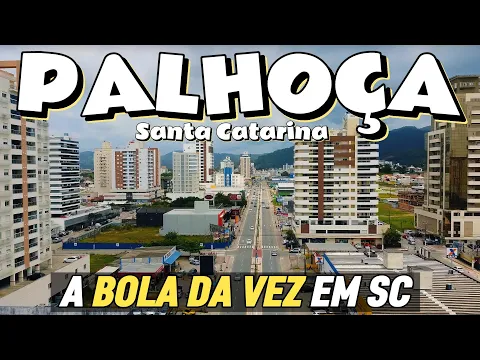
A video from the channel Coisas do Mundo, which has over 800,000 subscribers, details the rapid development and perception of quality of life in the municipality.
In the background of this story, important antecedents remain: the late urban planning, investments in mobility, and the continuous search for balance between growth and well-being, challenges that continue to shape the city’s future.
With information from TupiFM.








-

Uma pessoa reagiu a isso.