





 Portuguese
  English
  Spanish
  4 min of reading
  0 comments



Video Reveals Cemetery with Over 10,000 Vintage Cars in Arizona, Where Vehicles in Various Conditions Are Stored.
Recently, a video published on the Remote Trooper channel on YouTube brought to light an unusual location in the United States: a true car cemetery. The video, which is nearly 30 minutes long, reveals what could be one of the largest vehicle deposits in the world. Located in the state of Arizona, the car cemetery houses over 10,000 vehicles, according to the video’s author. The cars are in different conditions, ranging from those completely corroded to others that still have potential for restoration.
The History of Desert Valley Auto Parts
The hot and arid climate of Arizona, where the junkyard is located, could theoretically help preserve the vehicles, but the video also shows that many of the cars were severely damaged by time.
Some of them are so deteriorated that it’s hard to imagine they were once considered treasures on wheels.
-
A French brand placed a car on four huge red balloons to prove that its suspension made the vehicle “float,” and the surreal scene became one of the most iconic and unusual images in automotive history.

-
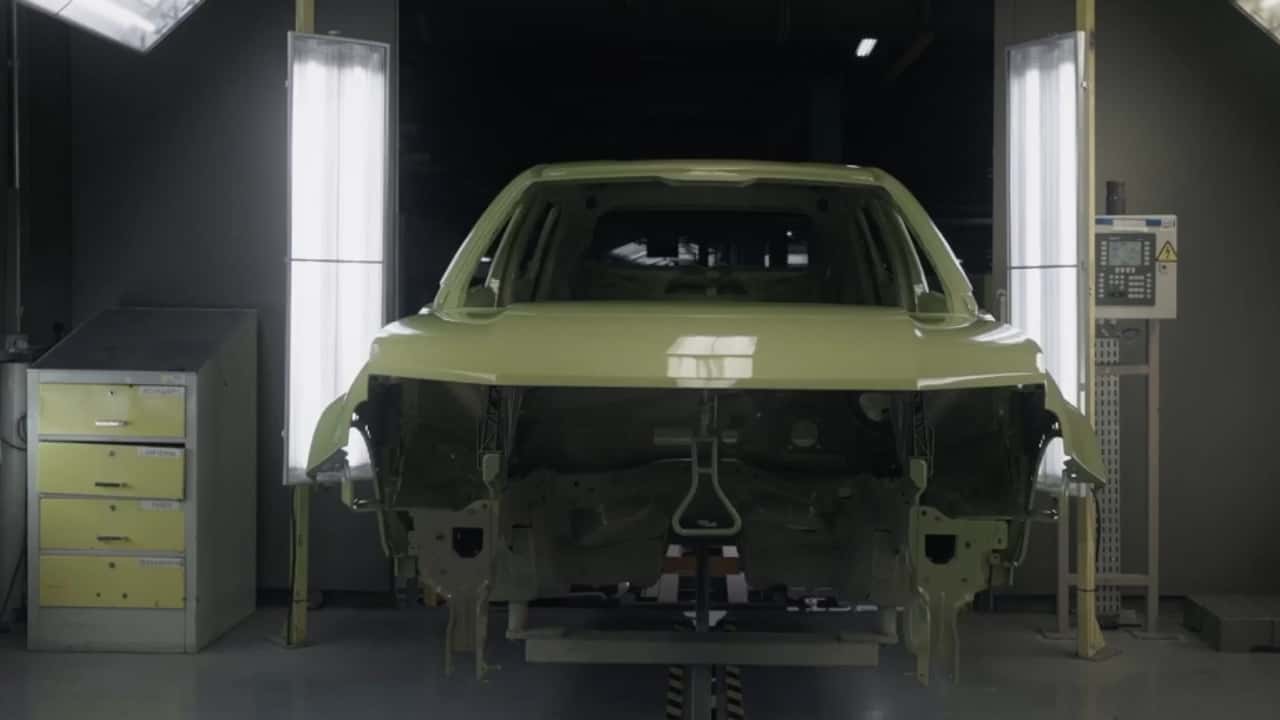
Jeep Avenger begins production in Brazil, debuting as the brand’s new entry-level SUV and inaugurating an unprecedented phase by becoming the first national Jeep manufactured outside of Goiana, as part of a R$ 3 billion plan.
-
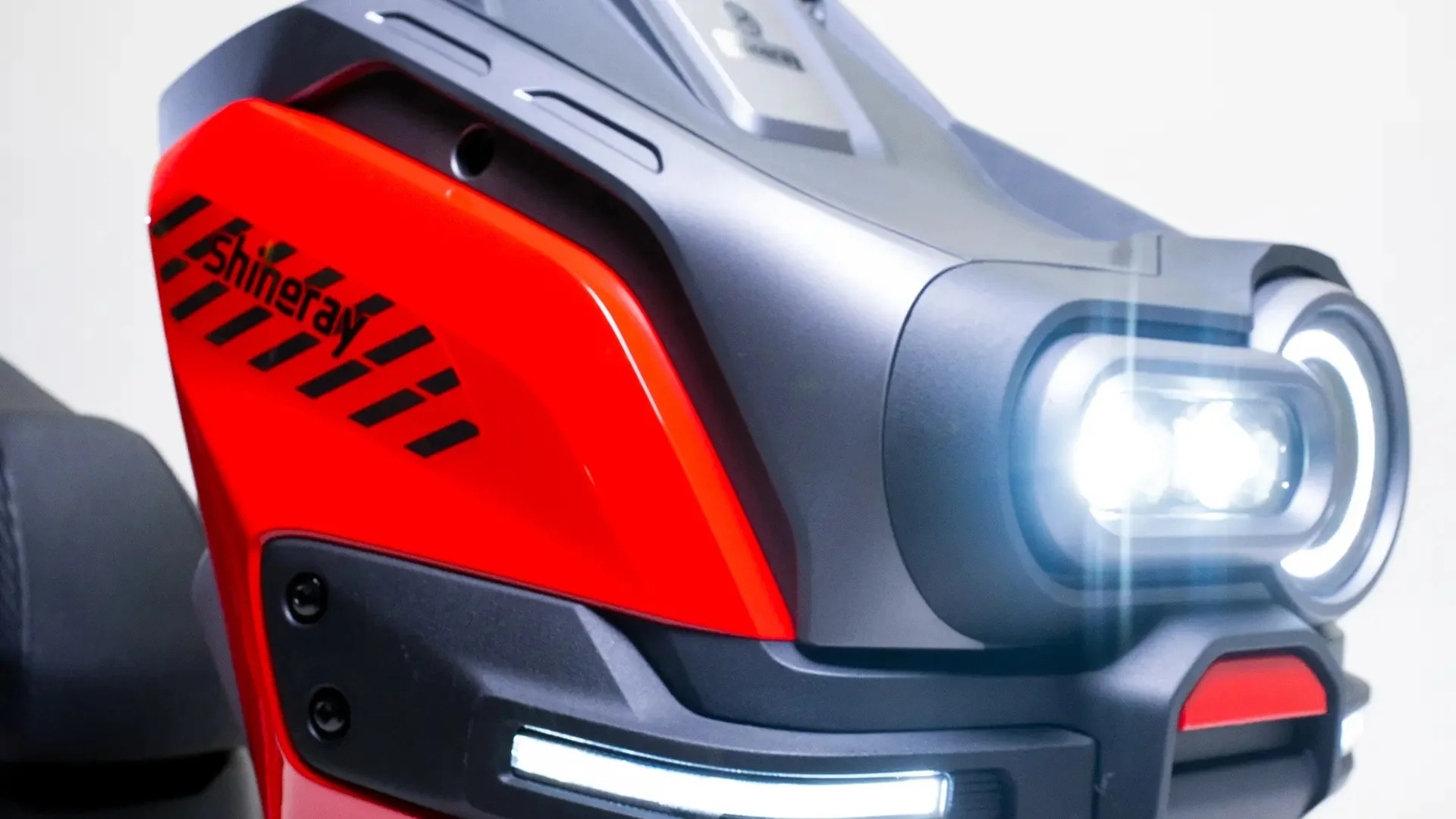
Costing R$ 12,490, the new Shineray Urban Lite 150 “cheap one” arrives in Brazil with a CVT transmission, digital dashboard, and LED lights, making it more affordable than the Biz and targeting those who want to abandon the bus.
-
Ducati brings to Brazil the Superleggera V4 Centenario: 228 hp that become 247 with a track kit, carbon fiber and carbon-ceramic brakes, estimated price between R$ 1.5 and 2 million, deliveries only in 2027.

This car cemetery belongs to Desert Valley Auto Parts, a family-owned business founded in 1993.
The company specialized in purchasing vintage cars, focusing on models made before 1964.
The initial idea of the owners was to restore these vehicles and eventually sell them.
However, over the years, this practice has been sidelined, and the inventory of cars has grown exponentially.
Today, the owners of Desert Valley Auto Parts admit that they no longer have total control over the entire collection.
The number of cars accumulated over time is so large that many of them are not even listed in the company’s catalog.
Additionally, a good portion of the collection consists of brands that no longer exist, making the junkyard even more unique.
The video from Remote Trooper gives a good idea of the size of the location, showing long rows of vintage cars, many of which have been abandoned for decades.
For classic car enthusiasts, the location could be seen as a true paradise, although it is also a sad sight, considering the state of deterioration of many of the vehicles.
Cars in Different Conditions at the Cemetery
The cemetery of cars in Arizona houses vehicles in various conditions. Some are practically intact, with few signs of aging, while others are little more than rust-corroded shells.
This difference in conditions reflects both the age of the vehicles and the time they have been exposed to the elements.
Despite the condition of many of the cars, there are still those who believe in the restoration potential of some of the parts that are there.
However, Desert Valley Auto Parts, which once focused on restoration, now dedicates itself more to providing replacement parts.
Many of the cars that still hold some value are dismantled, and their parts are sold to collectors and restorers worldwide.
The Profit from the Car Cemetery
This approach of selling parts separately has become more practical and profitable for the company, as the classic car restoration market can be extremely competitive and time-consuming.


With over 10,000 vehicles in its inventory, Desert Valley Auto Parts can provide rare and hard-to-find parts for vintage car enthusiasts, keeping the business running.
Similarities Worldwide: The Case of China
Car cemeteries are not an exclusivity of the United States.
About a year ago, a similar discovery occurred in China, where a deposit with thousands of abandoned vehicles was found.
This Chinese car cemetery had a different history: most of the vehicles were electric cars that were part of the fleet of a failed car-sharing business.
With the bankruptcy, the vehicles were left out in the open, resulting in a massive cemetery of electric cars.
The comparison between the car cemetery in the United States and that of China reveals a global reality.
As the world advances technologically, vintage vehicles and obsolete models are being discarded in large numbers.
Whether in the US, where vintage and classic models are left behind, or in China, where the electric model revolution has generated a mass discard of vehicles, these car cemeteries reflect changes in the automotive industry.
These locations also raise questions about the environmental impact of large-scale vehicle disposal.
With the increasing number of vehicles in circulation worldwide, it is likely that more car cemeteries will appear in different regions, raising the need for solutions for the management and recycling of these vehicles.










Seja o primeiro a reagir!