





 Portuguese
  English
  Spanish
  6 min of reading
  5 comments


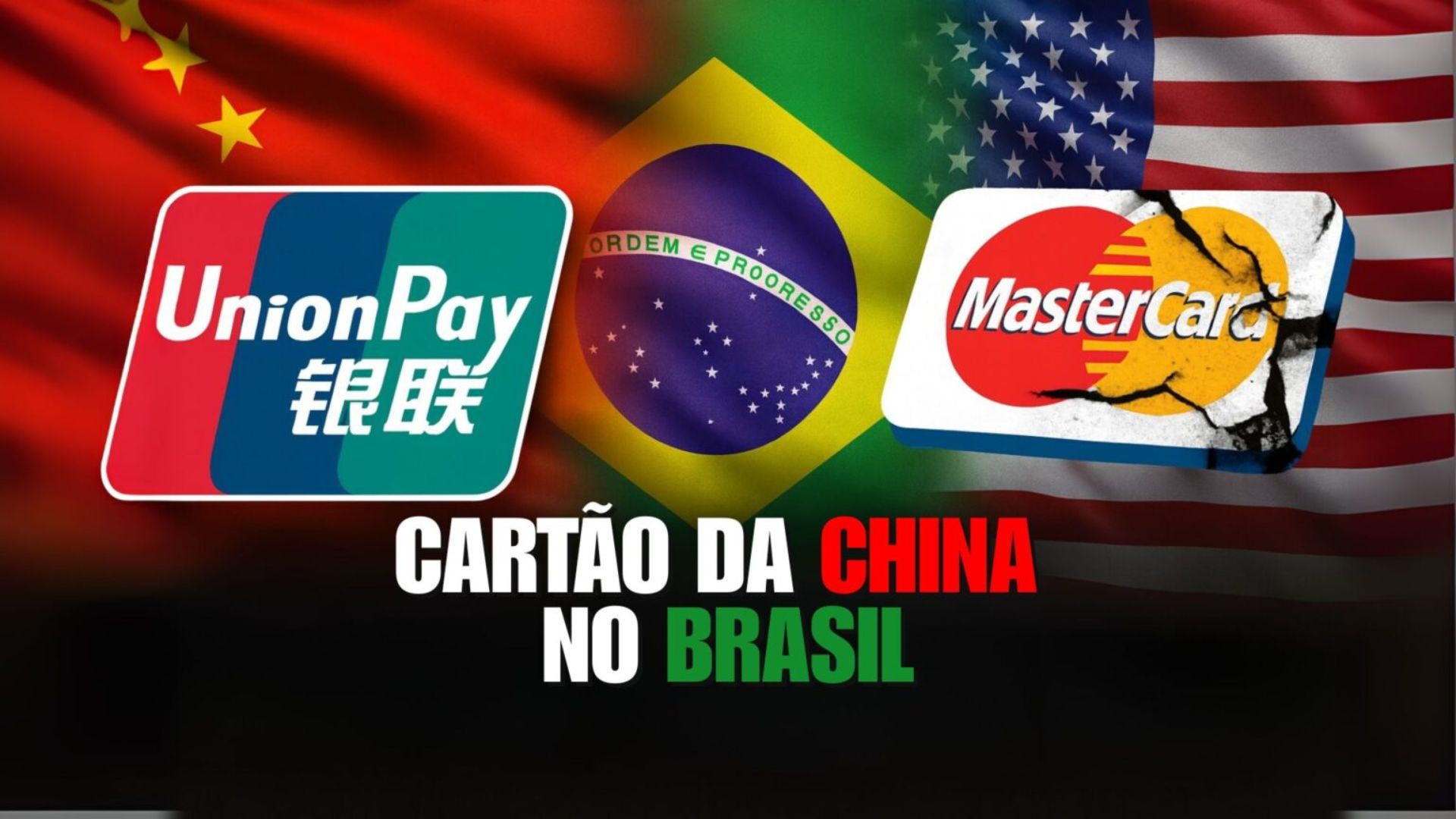


The Arrival of UnionPay Promises to Boost the Card Sector in Brazil in 2025, with Digital Issuance, Social Impact, and Direct Competition with Visa and Mastercard, Expanding the Diversity of Options for Consumers and Merchants.
UnionPay, the largest card network in the world by volume issued, is preparing to debut in Brazil in 2025 in partnership with the Brazilian fintech Left.
This move is expected to add a new brand to the competition with Visa and Mastercard, at a time when the acceptance of UnionPay is already partial in the country and the geopolitical agenda between Brazil and the United States has become tense due to recent tariffs and sanctions.
In broad terms, the proposal combines digital issuance, integration with the local ecosystem, and a social impact component articulated by Left.
-
The government requests the Federal Revenue Service for a new system to automate the income tax declaration, reducing errors, time, and bureaucracy for millions of Brazilians.

-
Pix in installments, international Pix, and contactless payment without internet: the Central Bank revealed the new features coming to the tool that is already used by almost every adult in Brazil.

-
Mercado Livre has just started selling medications with delivery in up to three hours to your door, and this move could completely change the way Brazilians buy medicines on a daily basis.

-
In Dubai, rising tensions from the war in the Middle East are causing super-rich individuals to leave the Gulf and direct their fortunes to a new financial refuge in Asia.

According to industry sources, the Brazilian operation would begin with credit cards and a subsequent expansion of functions.
The fintech will be responsible for connecting with acquirers, banks, and terminals, in addition to integrating with national services.
The Chinese brand will bring its global network, currently present in over 180 countries and regions.
Though the launch is scheduled for 2025, UnionPay is not an unknown entity among Brazilians: tourists and foreign cardholders have been using the brand here for years, with growing acceptance in commercial and tourist areas.
Who Is UnionPay and What Is the Global Weight of the Brand
Founded in 2002 with the endorsement of the People’s Bank of China, UnionPay has established itself as the largest network in the world in terms of the number of cards issued, with a massive presence in the Chinese market and expansion in emerging countries.
It is estimated that there are currently billion cards in circulation outside and inside China, and acceptance extends to popular destinations across all continents.
In various markets, the company also operates mobile payment solutions, QR Code, and digital wallets, a strategy that has become a pillar of international expansion.
In terms of competition, the rivalry with Visa and Mastercard is less about nominal presence and more about depth of use outside of China.
Nevertheless, the size of UnionPay’s base weighs in negotiations with networks and retailers.
How Is Acceptance in Brazil Today
Even before local issuance, acceptance for international cardholders has expanded.
Establishments with Rede (Itaú) and Stone terminals already process transactions from the brand, and cash withdrawal is possible at Itaú ATMs and the Saque e Pague network.
In capitals and tourist hubs like São Paulo, Rio, Foz do Iguaçu, Manaus, and Salvador, usage tends to be easier, especially in hotels, restaurants, and stores aimed at foreign visitors.
UnionPay reports that local coverage exceeds a significant portion of retail, thanks to agreements made in recent years with acquirers and ATM networks.
What Changes with Local Issuance in 2025
The formal arrival opens up space for cards issued in Brazil, something different from the acceptance of foreign cards.
In practice, this means competing for customers with the domestic portfolios of Visa and Mastercard in credit, debit, and potentially prepaid products.
The launch will be digital, with account opening and issuance 100% online, targeting those who travel to Asia, make international purchases, or seek competitive exchange rates and fees.
For merchants, increased competition between brands usually exerts pressure on acceptance costs and expands options for routing transactions.
The Role of Left and the Social Impact Component
According to Left, the proposal includes a social impact model integrated with financial services: part of the customer relationship in the app — transfers, payments, and products — helps fund inclusion initiatives and community projects.
The fintech positions itself as a “bank with a cause,” with narratives supporting cooperatives, actions against food insecurity, and diversity policies.
José Kobori, a board member of the company, has highlighted that the entry of a non-American brand could “decolonize” the local payment arrangement, historically dominated by networks headquartered in the USA.
Operationally, Left is expected to act as the issuer and integrator of UnionPay into the national system.
Comparison with Visa and Mastercard: Competition and Expected Effects
In Brazil, Visa and Mastercard maintain acceptance coverage close to universality, multiple issuers, and a wide range of benefits, from miles to insurance and partnerships.
UnionPay arrives with a robust international network and a focus on digital solutions, but will need to build loyalty programs, credit offerings, and presence in wallets and superapps with local partners.
The existing acceptance history with Rede and Stone is beneficial; however, the competition for top of wallet status will depend on price, benefits, and user experience.
Even so, another brand in the market tends to create competitive pressure on fees, reduce concentration, and diversify negotiation sources for issuers and merchants.
Comparative Table of Major Brands
| Brand | Approximate Global Share | Origin | Main Characteristics |
|---|---|---|---|
| UnionPay | ~40% | China | Largest volume of cards in the world, focus on emerging markets, digital expansion, model with social impact |
| Visa | ~32% | USA | Globally established network, wide acceptance in Brazil, strong banking integration |
| Mastercard | ~24% | USA | Innovation in digital services, benefits in points and travel programs, massive presence in the country |
| Others (Amex, Elo, etc.) | ~4% | USA/Brazil | Premium or regional niche, limited acceptance compared to leaders |
Geopolitical Context: Why Timing Matters
The movement occurs while Washington and Brasília are experiencing a period of friction.
In July and August, the United States announced tariffs on a list of Brazilian products and sanctions on authorities and individuals linked to the Judiciary, with incidents of visa revocation and measures based on American sanction legislation.
This environment has heightened the domestic debate about dependence on American-sourced financial infrastructure.
For analysts, the entry of a Chinese brand does not resolve trade tensions, but offers redundancy and diversification of payment methods, especially for flows linked to Asia.
What Consumers Can Expect
For those traveling to Asian destinations, the presence of UnionPay reduces friction in purchases and withdrawals.
In international e-commerce, the brand’s compatibility with gateways and marketplaces tends to expand checkout options.
If local issuance progresses with competitive fees and benefit programs aligned with the Brazilian profile, the product may become a real alternative in personal portfolios.
On the merchant side, the trend is for more acceptance flexibility and the possibility of specific offers to brand customers, including via contactless payments and QR Code.
What Still Requires Public Confirmation
There are points that depend on a detailed official announcement: issuance schedule, benefits embedded in the first cards, exchange conditions for international purchases, eventual integration with Pix, and mechanisms of the social impact program in card transactions.
There is also anticipation about coverage goals, governance of social transfers, and which banking partners will support the project at the outset.
In the meantime, the existing acceptance for foreign cardholders remains active and serves as a foundation for the next phase.
How This Entry Could Redesign the Market in 2025
Increased competition between brands tends to benefit the end user, both in price and in services.
In credit, issuers gain bargaining power when negotiating with three global networks.
In debit, adaptation to Brazilian regulations and coexistence with local arrangements will define the speed of adoption.
For tourism, interconnection with Asia and presence in countries with business flows to Brazil may facilitate payments.
In the medium term, success will depend on digital experience, the ecosystem of partners, and the ability to translate UnionPay’s global scale into value propositions that make sense for the Brazilian public.
What factors do you believe weigh most for you to consider a new brand in your daily life: cost, benefits, international coverage, integration with digital wallets, or brand reputation?








Assim que estiver disponível no BB, já farei o meu.
Com certeza vou solicitar um cartão desse UnionPay.
Será que vai ser como a BYD aqui no Brasil?