





 Portuguese
  English
  Spanish
  3 min of reading
  0 comments


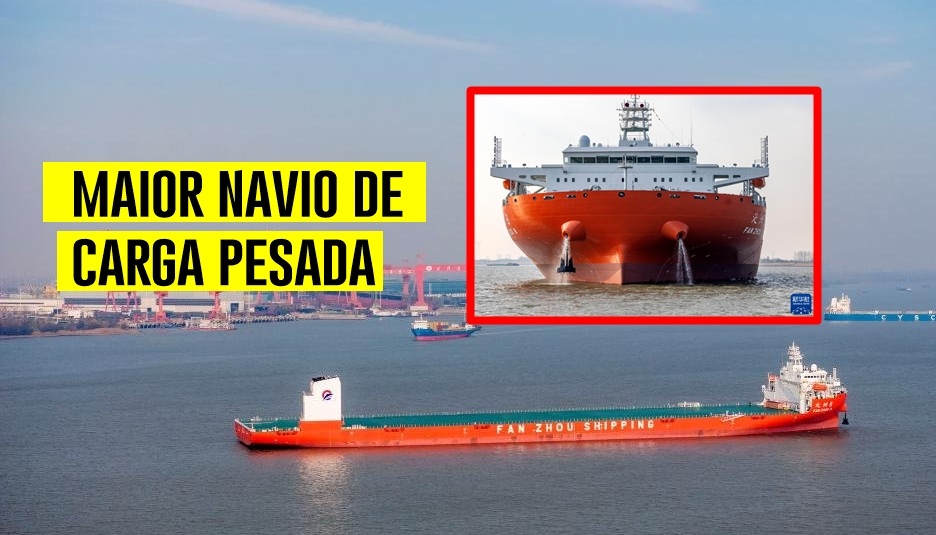
China Unveils Largest Heavy-Lift Vessel Ever Built, Measuring an Impressive 256 Meters in Length, 51 Meters in Width and Capable of Carrying 58,000 Tons.
China claims to have broken a “world record” by launching the polar cargo ship Fan Zhou 8, with an impressive 58,000 tons of capacity.
Equipped to tackle polar waters and small drifting ice chunks, the sea giant promises to transform global maritime operations.
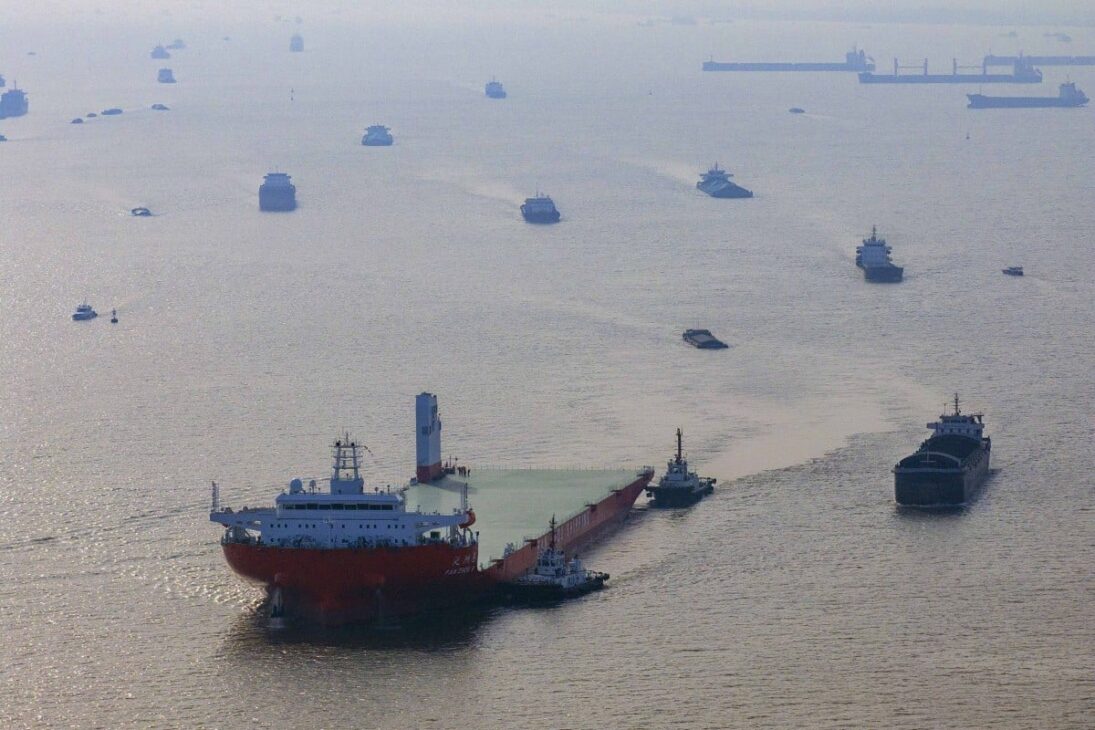
Impressive Features of the World’s Largest Cargo Ship
The Fan Zhou 8 was completed in 2024 and recently underwent five days of rigorous testing in waters east of Shanghai, which confirmed its navigability.
-
Europe is trying to create an ammonia-powered marine engine without auxiliary fuel, which could unlock the race for giant emission-free ships. The technology aims to eliminate one of the biggest obstacles to clean maritime propulsion.

-
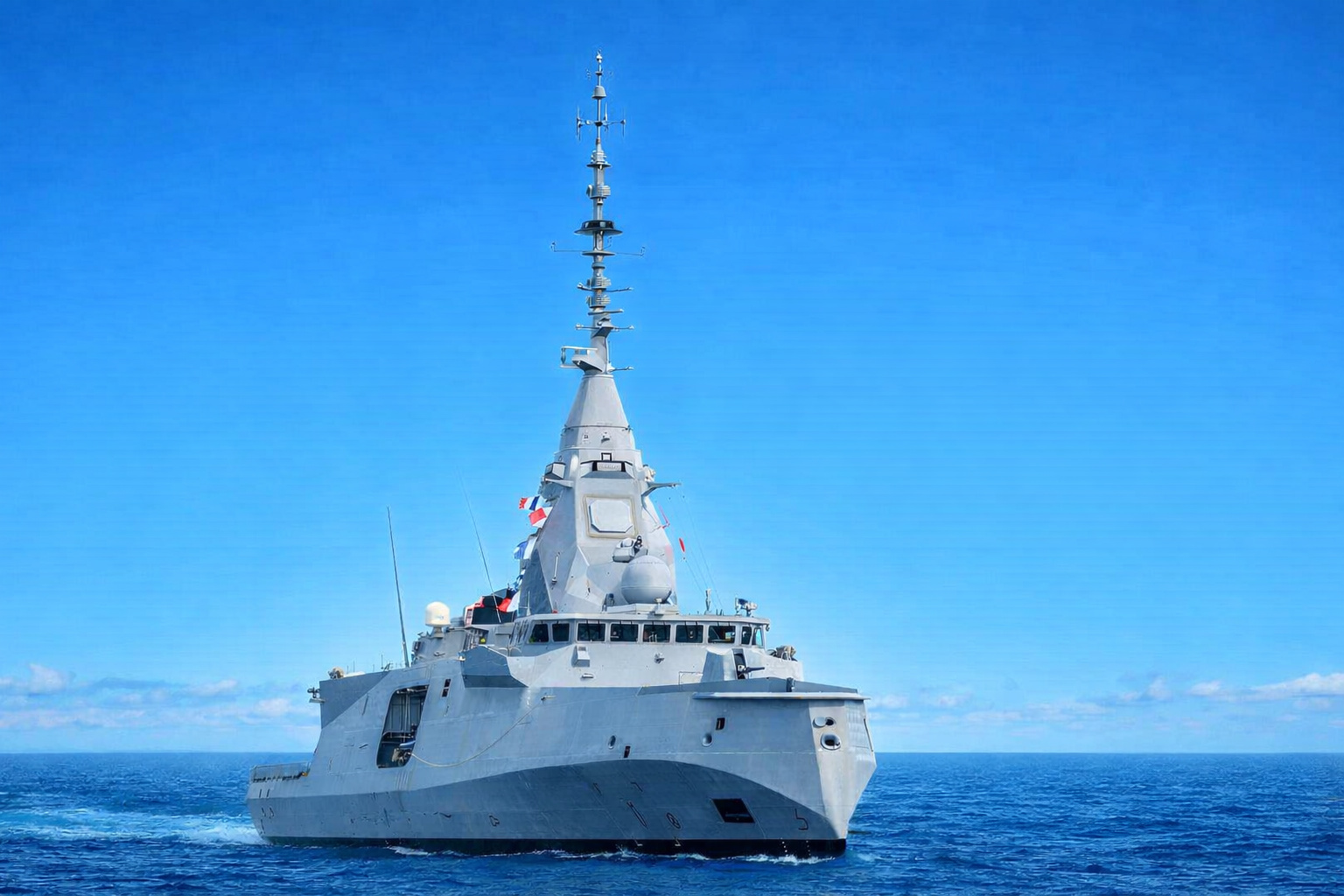
A 4,500-ton frigate with just over 100 crew members, state-of-the-art radar, and cruise missiles is being touted as the new standard of naval warfare in the 21st century.
-
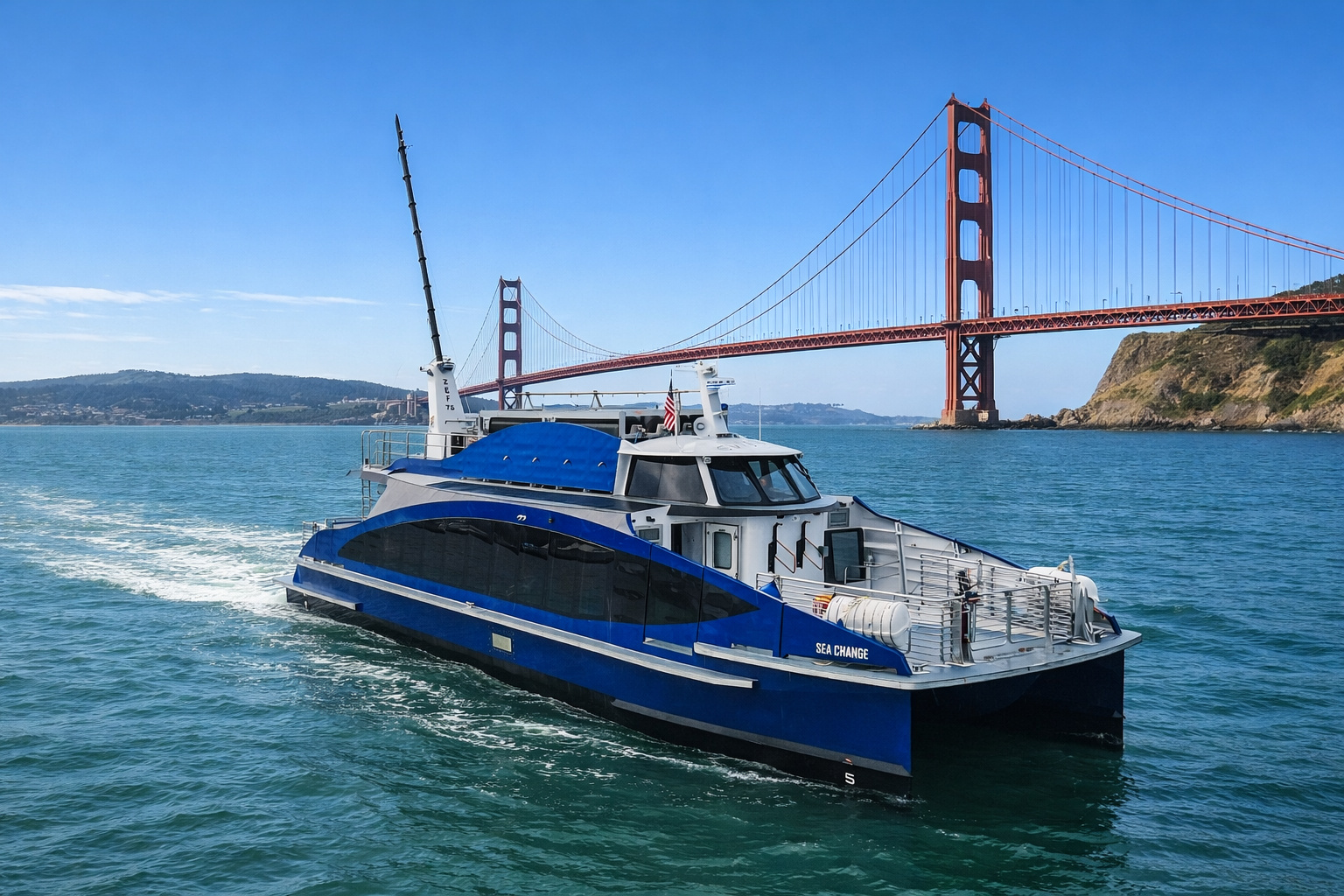
The first commercial hydrogen-powered ferry enters operation in the U.S., eliminates the use of diesel, uses fuel cells to generate clean energy on board, and transforms San Francisco Bay into a landmark of the new era of emission-free navigation.
-
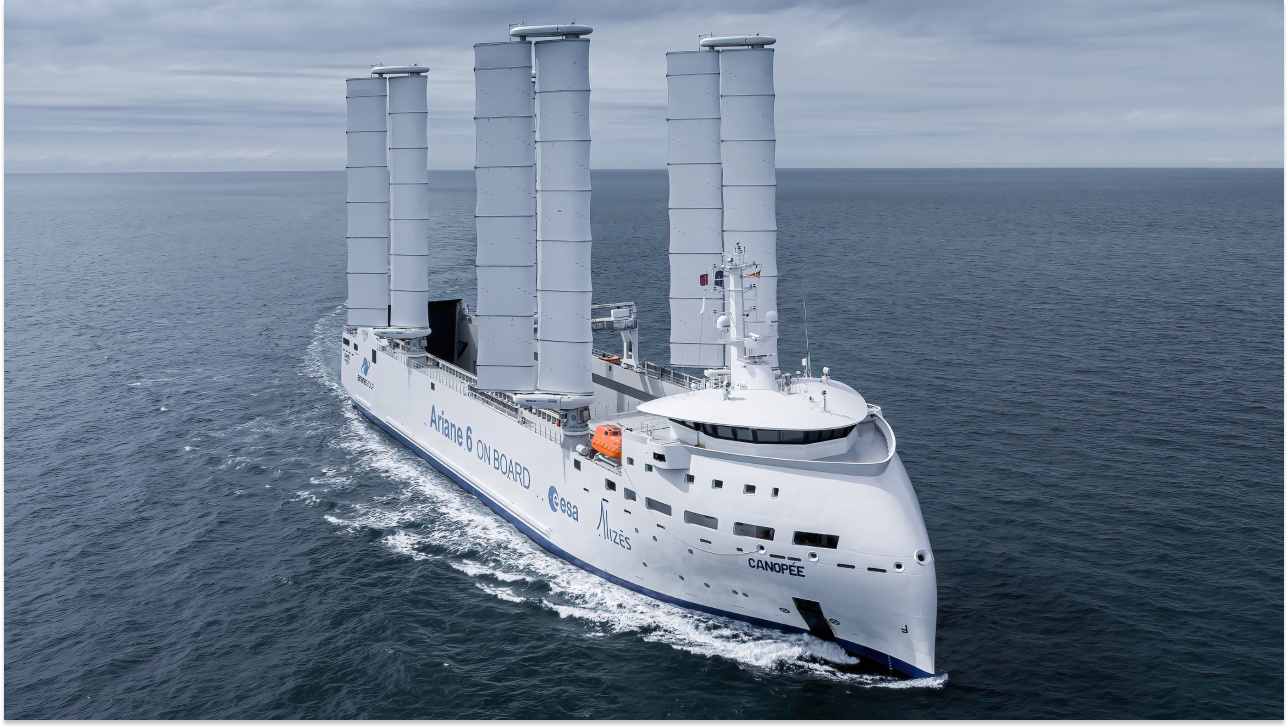
With a length of 121 meters and four rigid sails of 36 meters that automatically rotate to capture the wind, Canopée is the world’s first hybrid industrial cargo ship powered by wind, used to transport rockets and reduce fuel consumption by up to 30% on transoceanic routes.

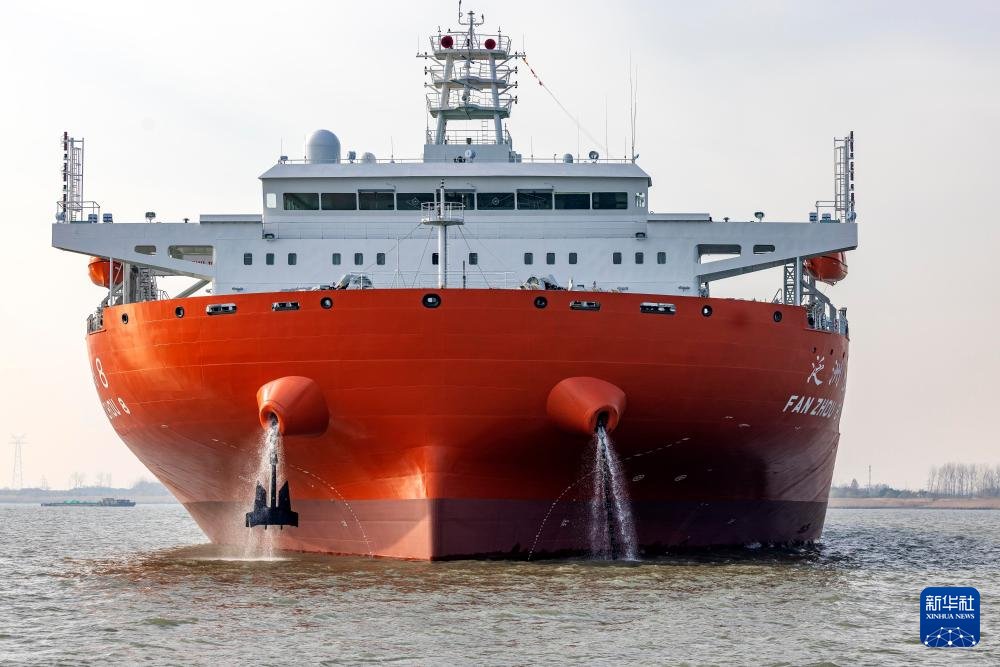
Measuring 256 meters in length and 51 meters in width, the vessel boasts a deck that occupies most of its hull.
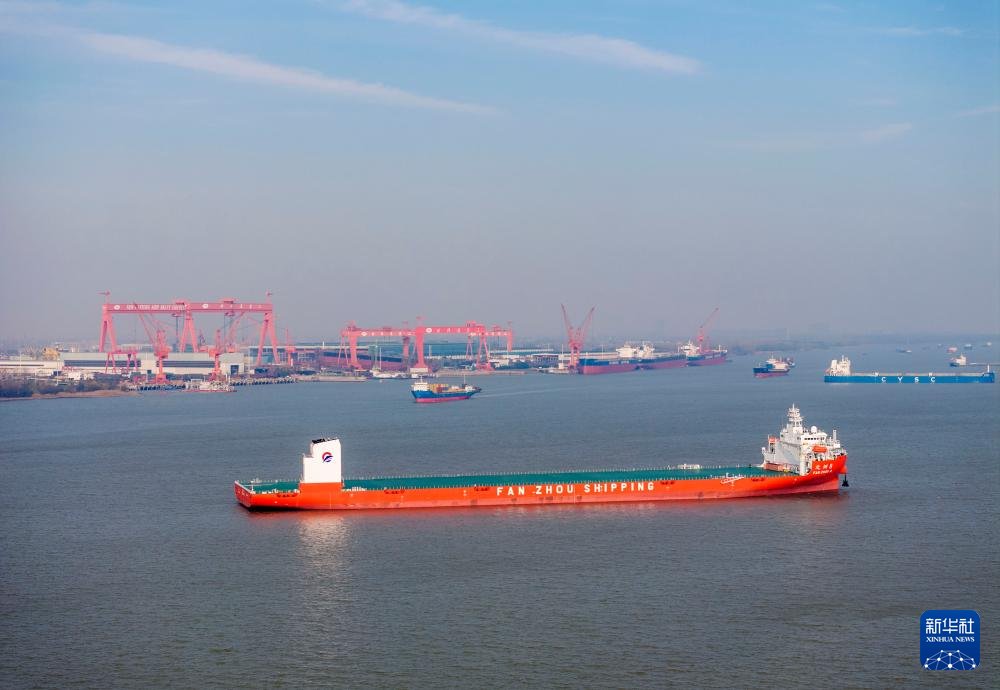
This structure enables the transport of robust cargoes, such as nuclear power equipment, offshore wind farms, and large steel sections.
Additionally, the vessel is registered under the Chinese flag and has a range of 16,000 nautical miles (about 18,392 miles), allowing for large-scale operations.
It is capable of reaching speeds exceeding 15 knots, qualifying it to face adverse conditions in polar regions.
Comparison with the Aircraft Carrier Fujian
An interesting curiosity that caught the attention of Chinese bloggers was the comparison of the Fan Zhou 8 with the aircraft carrier Fujian, the first developed entirely in China.
While the Fujian measures 300 meters in length and 70 meters in width, the deck of the Fan Zhou 8 rivals in size, reinforcing China’s industrial capacities in the naval sector.
This comparison fuels speculation about possible military uses for the Fan Zhou 8, although the ship is painted in civilian green, with no markings indicating military purposes.
Polar Code and Technological Advances
The Fan Zhou 8 strictly complies with the Polar Code, a set of international regulations for navigation in polar waters. This demonstrates China’s effort to align with global standards while projecting its technological and industrial supremacy.
With superior navigability, the vessel can operate in extreme conditions, transporting bulky structures and heavy equipment that previously relied on foreign vessels.
China and Naval Leadership
The launch of the Fan Zhou 8 is another step for China towards dominance in high-value vessel construction.
In 2023, the country also delivered the MSC Irina, the largest container ship in the world, measuring 400 meters in length and 51 meters in width.
The rapid technological evolution and advancements in the naval sector reflect China’s strategy to expand its influence at sea. With vessels like the Fan Zhou 8 and the MSC Irina, the country reaffirms its position as a global leader in maritime infrastructure and industrial innovation.
Although the final destination of the Fan Zhou 8 is still uncertain, it already represents a milestone in naval engineering and a sign of China’s strategic advancement in the oceans.
Currently, trackers indicate its position in the waters of southern China, ready to begin its journey on the international maritime stage.









-

Uma pessoa reagiu a isso.