





 Portuguese
  English
  Spanish
  4 min of reading
  0 comments


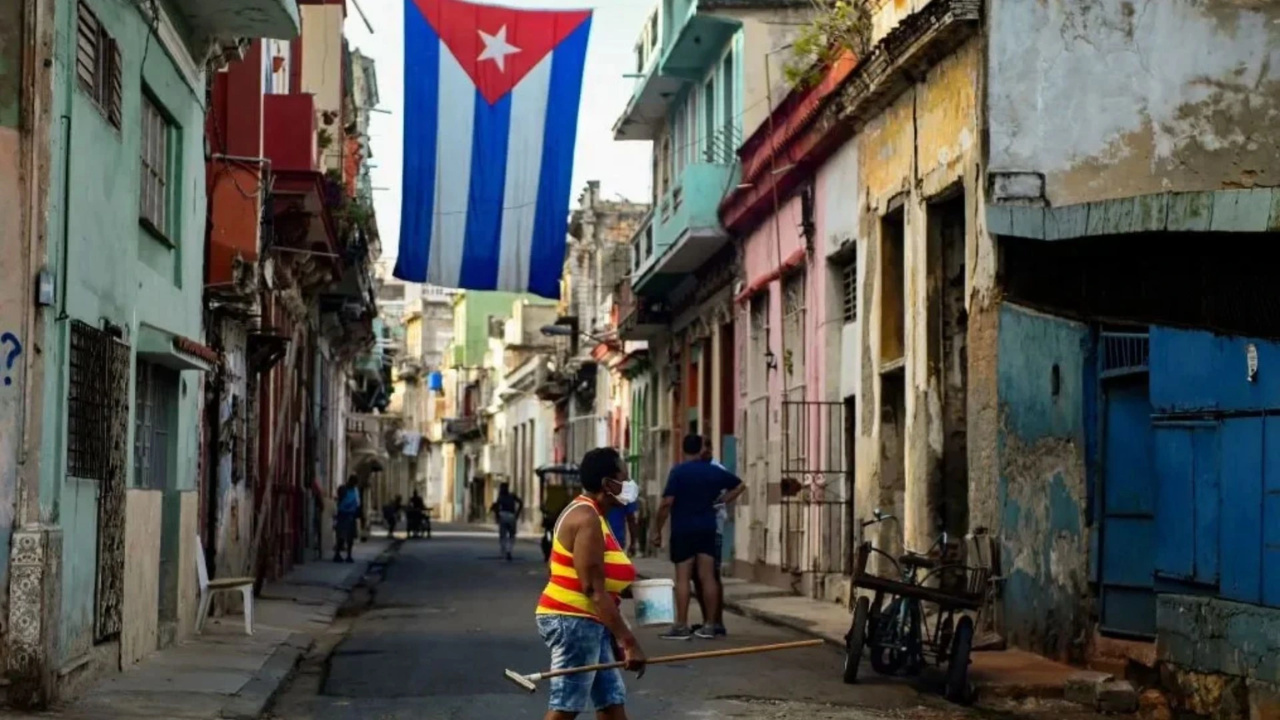
Blockade On Oil Imposed By Trump Deepens The Energy Crisis In Cuba, Causes Blackouts, Pressures The Economy And Provokes Reactions From The Cuban Government And The International Community.
Oil has returned to the center of an international dispute that promises to shake economies, governments, and millions of people.
Cuba is experiencing one of the most delicate moments in its recent history after new measures from the United States, led by Donald Trump, intensified the economic and energy blockade against the island.
The restrictions directly impact the supply of oil, which remains the main source of electricity generation in the country.
-
Petrobras evaluates suspension of sales to distributors and considers canceling the cooking gas auction following guidelines from the Federal Government.
-
Lula reveals a masterstroke by Petrobras to undo a deal made by Bolsonaro, which involves the return of an important refinery that currently produces less than half of what was expected and makes Brazil dependent on international diesel.
-
A study confirms that the natural gas sector will reduce greenhouse gas emissions in Brazil by 0.5% and accelerate the energy transition by 2026.

-
Petrobras implements a severe adjustment and confirms a 55% increase in the price of aviation kerosene with a proposal for installment payments for the companies.


Although the embargo has lasted more than six decades, the impact has now become even deeper. Additionally, the threat of sanctions against any country that sells oil to Cuba has created an atmosphere of fear in the international market.
As a consequence, ships are failing to dock, contracts are being suspended, and fuel simply does not arrive.
New Order From The USA Expands The Siege On Cuban Oil
On January 29, Trump signed an Executive Order that classified Cuba as an “unusual and extraordinary threat” to the security of the United States.
The measure cites the alignment of the Cuban government with Russia, China, and Iran. However, the main practical effect was the blockade on oil trade.
According to the decision, any country that supplies oil to the island runs the risk of facing tariffs and penalties.
Prior to this, Cuba was already facing difficulties importing fuel. Now, the situation has become even more critical.
According to data from the International Energy Agency, by 2023 about 80% of Cuban electricity depended directly on oil derivatives. That is to say, without fuel, the country literally stops.
Ambassador Denounces “Genocidal” Policy
In an interview granted in Brasília, the Cuban ambassador to Brazil, Adolfo Curbelo Castellanos, was direct in classifying the policy of the United States.
“Without energy, everything is compromised. What they have done is condemn the Cuban people to extermination. A country like Cuba, which needs oil to generate electricity, simply cannot import it in the exercise of its sovereign right. The sovereignty of the rest of the world has also been violated by the USA, not just that of Cuba,” he stated.

According to the diplomat, the blockade had been expanded since Trump’s first term.
In total, there were more than 243 additional measures, many of which aimed at making oil transport by ships more difficult or even preventing insurers from covering vessels that supply the island.
How Oil Affects Everything, From Food To Hospitals
The lack of oil does not only impact electricity generation. It affects the entire economic chain. Without energy, hospitals face difficulties operating equipment.
Schools miss classes. The industry comes to a halt. Transportation collapses.
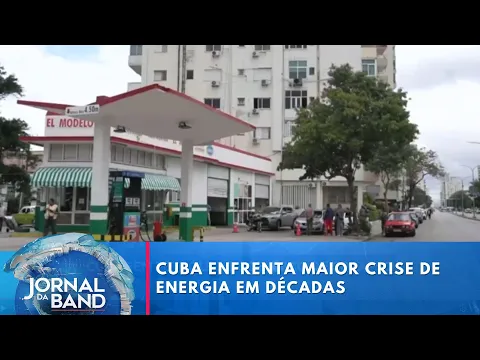

The ambassador himself explained that the country had to adopt extreme measures. Work was reorganized so that people stay at home whenever possible.
Neighborhoods and hospitals are being prioritized in the limited supply of electricity. Homes with children in delicate health situations are also being given priority.
Still, blackouts have become routine across the country.
Solar Energy Advances, But Does Not Replace Oil
In light of the blockade on oil, Cuba has begun to invest heavily in solar energy. According to Curbelo, only in the past year systems generating about 1,000 megawatts have been installed.
This has increased the share of solar energy in national generation from 3% to about 10%.
During the day, nearly 40% of electricity already comes from solar panels. Banks, hospitals, and food production centers are being protected with photovoltaic systems.
Even so, the energy deficit remains high. The problem is that Cuba’s infrastructure is still based on old thermoelectric plants powered by oil, and the country lacks the resources to modernize them or sufficient storage capacity for solar electricity.
Tourism In Collapse And Planes Without Fuel
The blockade on oil also affects tourism, one of Cuba’s largest sources of dollars. Without enough fuel, some airlines have begun to suspend flights, including Canadian companies.
According to the ambassador, the USA is also trying to suffocate tourism to cut off the influx of foreign currency into the country. Without dollars, Cuba cannot buy food, medicine, or, mainly, oil.
“That’s why I spoke of genocide, because the objective of this measure is precisely to deprive the Cuban people of their means of livelihood,” he declared.
In your opinion, calling the United States sanctions against Cuba “genocide” is an exaggeration or reflects the seriousness of the situation well?









-

2 pessoas reagiram a isso.