





 Portuguese
  English
  Spanish
 3 min of reading
  0 comments


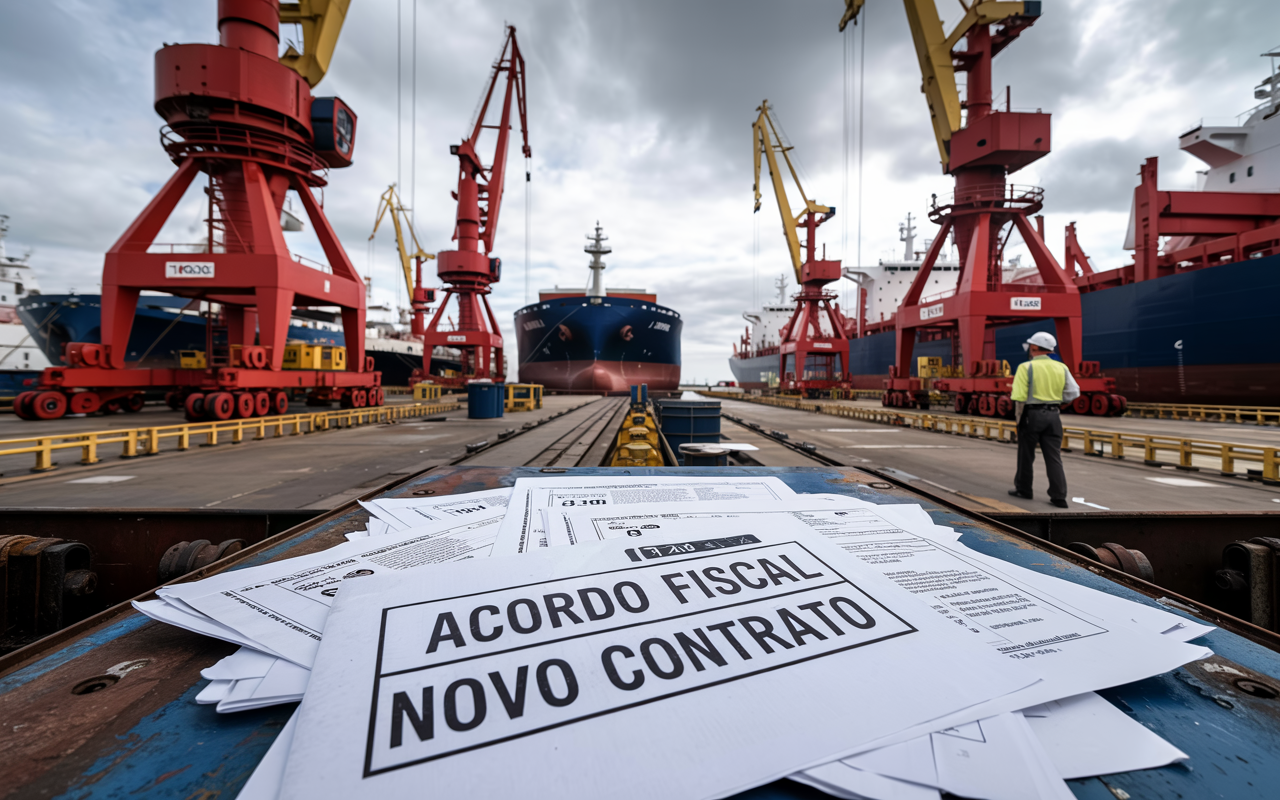
After Scandals in Operation Lava Jato and Years of Crisis, Ecovix Renegotiates Billion-Dollar Debt and Resumes Contracts in Naval Construction, Reigniting the Industry at the Rio Grande Shipyard.
The Rio Grande Shipyard, one of the largest industrial complexes in the naval sector in Brazil, is about to begin a new cycle after years of uncertainties. Controlled by the Ecovix Group, which entered judicial recovery in 2016, the shipyard located in the city of Rio Grande in Rio Grande do Sul is expected to gradually resume its operations, driven by Ecovix’s exit from the judicial recovery process later this semester. This measure marks a new chapter after nearly a decade of shutdowns, mass layoffs, and contract cancellations.
The resumption became feasible after Ecovix signed an agreement with the federal government to renegotiate its tax debt, reducing a liability of nearly R$ 1 billion in overdue taxes to R$ 214 million. The negotiation was conducted with the support of lawyer Luiz Trindade and secured the company a negative debt certificate, a necessary document to return to competing for public bids.
Judicial Recovery and Crisis in the Naval Sector
The crisis at Ecovix began amid the revelations of Operation Lava Jato, which was launched in 2014. The group, linked to Engevix Engenharia, was identified as one of the beneficiaries of corruption schemes involving contracts with Petrobras. Executives such as Gerson Almada and José Antunes Sobrinho were convicted for participating in illicit practices, including the payment of bribes to obtain billion-dollar contracts.
-
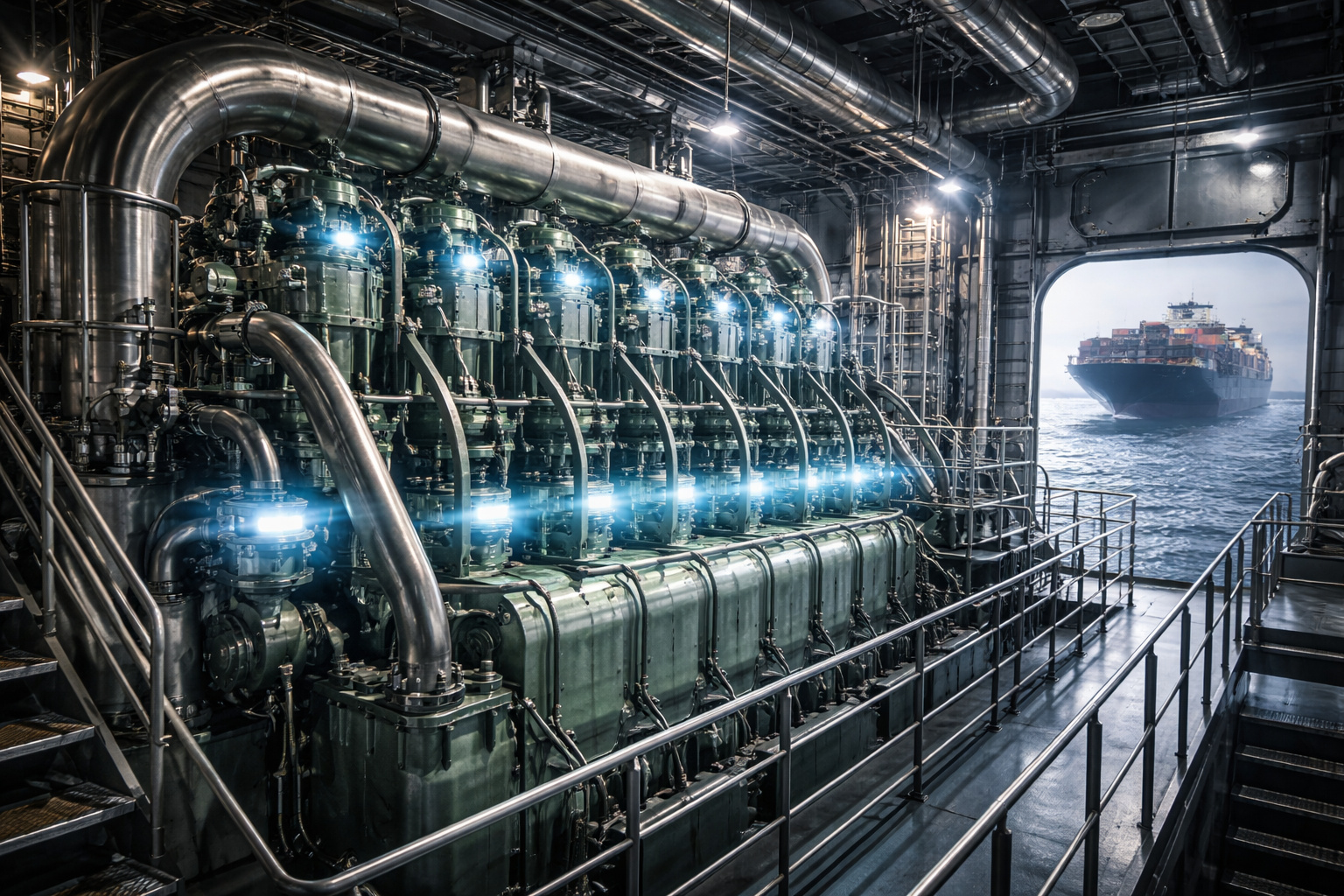
Europe is trying to create an ammonia-powered marine engine without auxiliary fuel, which could unlock the race for giant emission-free ships. The technology aims to eliminate one of the biggest obstacles to clean maritime propulsion.
-
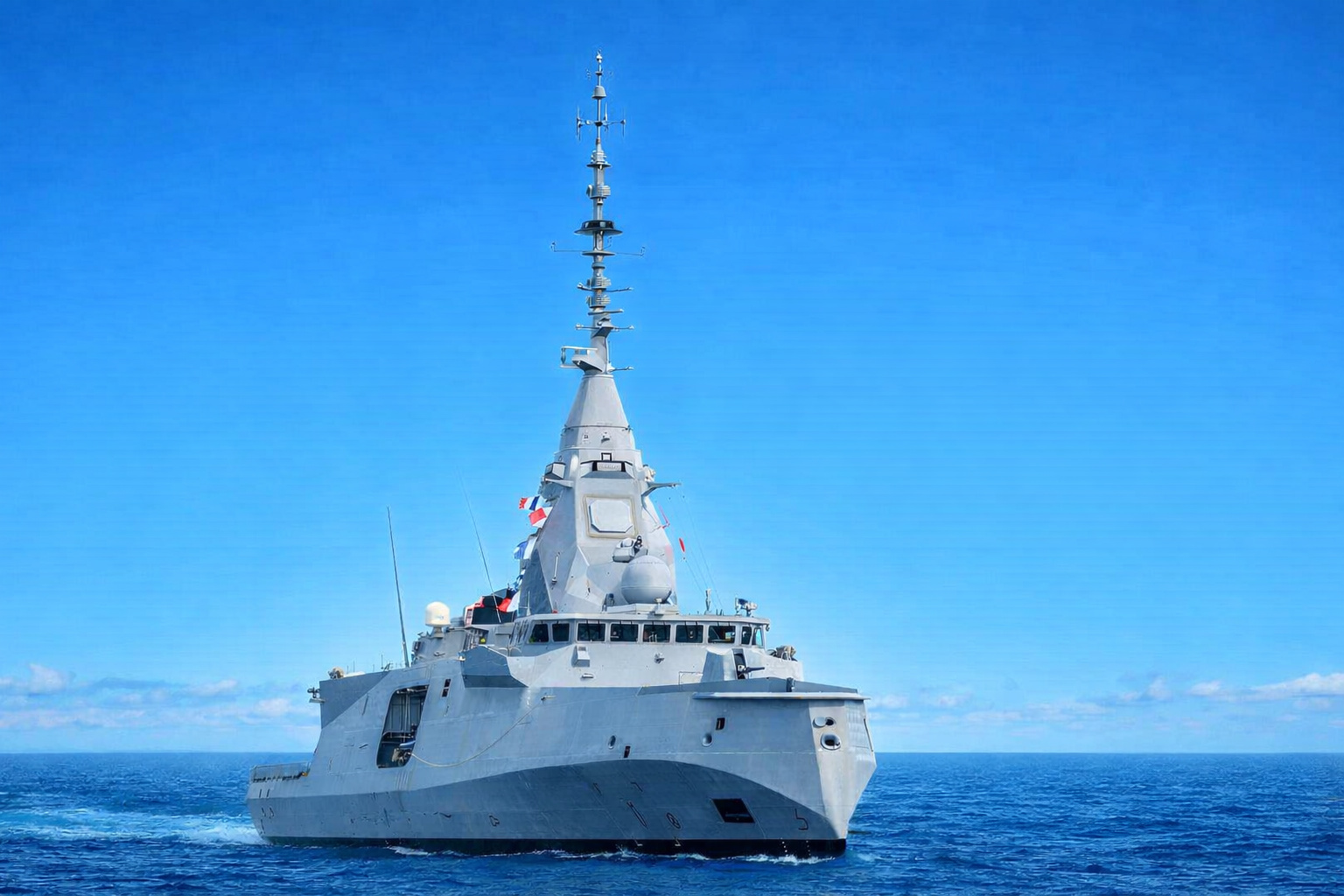
A 4,500-ton frigate with just over 100 crew members, state-of-the-art radar, and cruise missiles is being touted as the new standard of naval warfare in the 21st century.
-
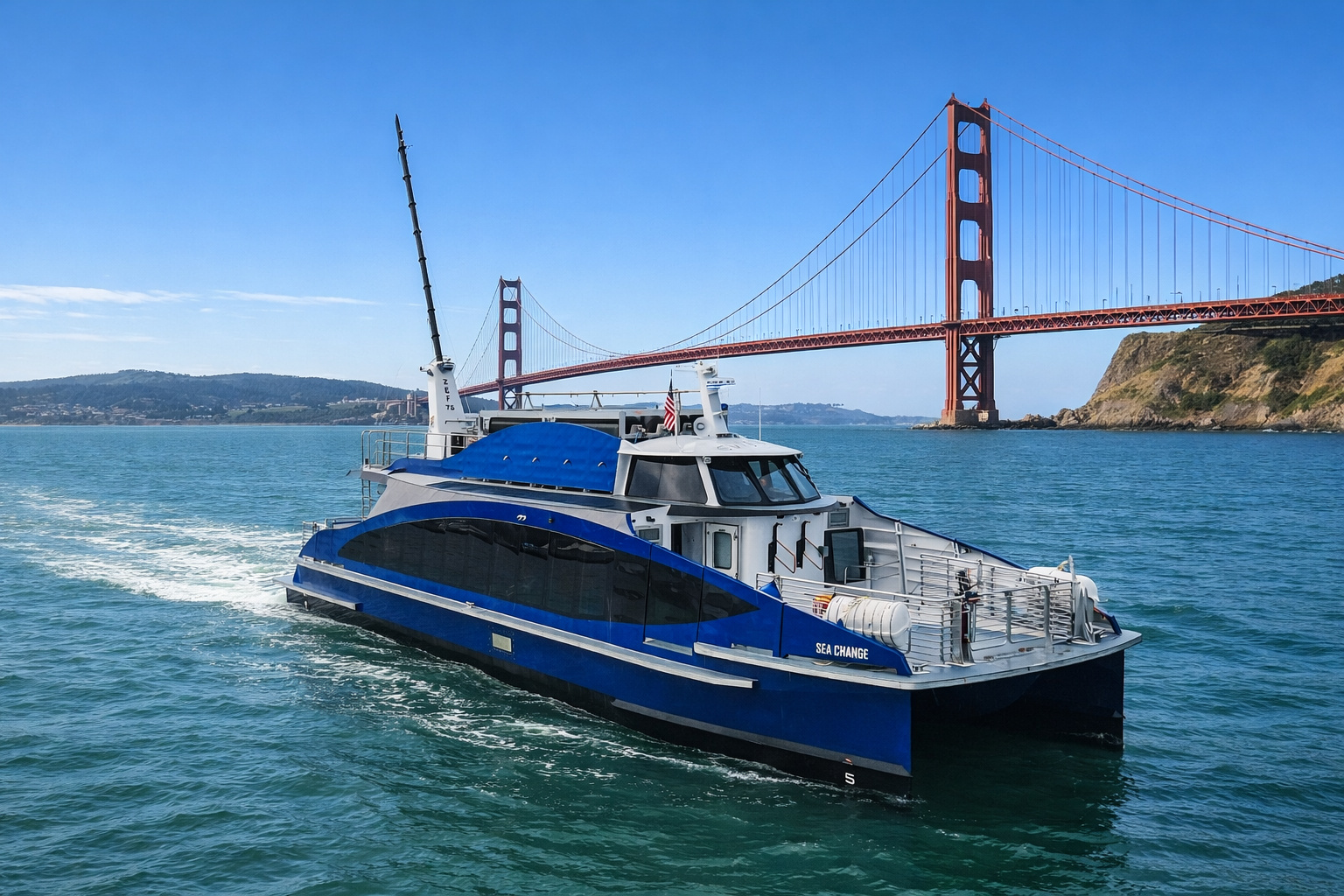
The first commercial hydrogen-powered ferry enters operation in the U.S., eliminates the use of diesel, uses fuel cells to generate clean energy on board, and transforms San Francisco Bay into a landmark of the new era of emission-free navigation.
-
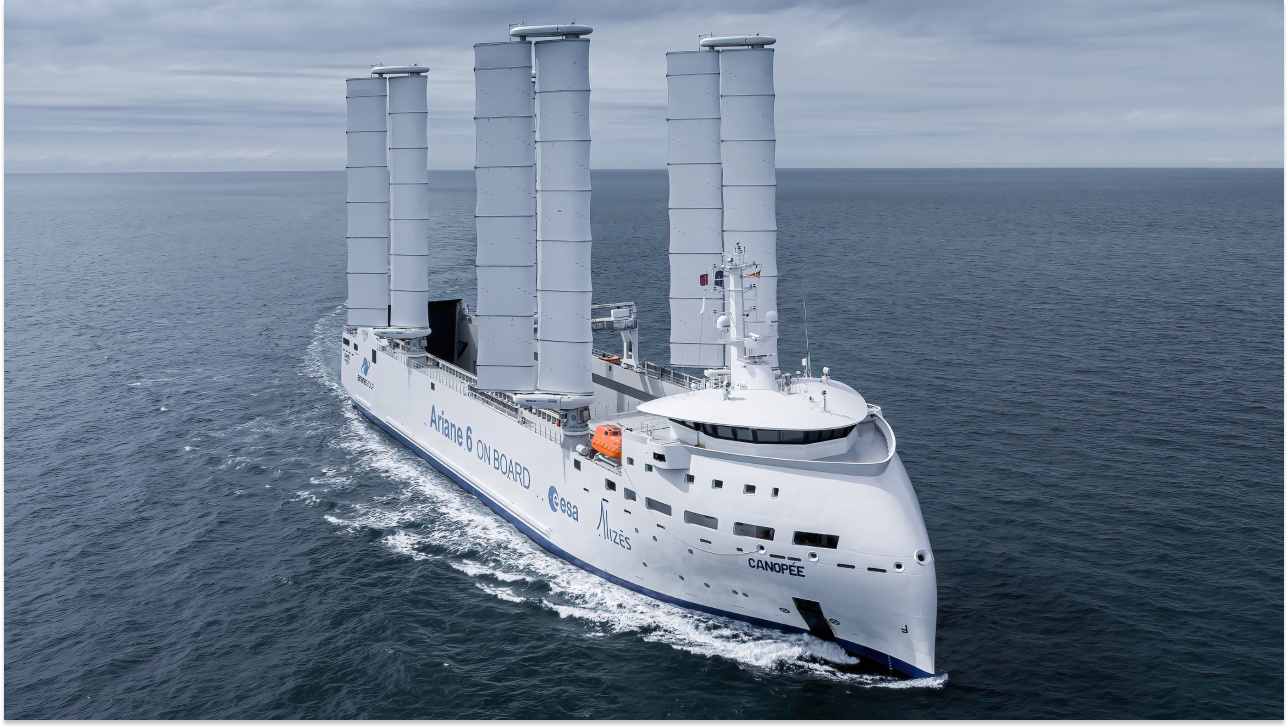
With a length of 121 meters and four rigid sails of 36 meters that automatically rotate to capture the wind, Canopée is the world’s first hybrid industrial cargo ship powered by wind, used to transport rockets and reduce fuel consumption by up to 30% on transoceanic routes.

The repercussions of the investigations and the suspension of contracts led to the halt of strategic projects, such as the construction of platforms P-71 and P-72, which were even sold as scrap, resulting in significant financial losses. In 2016, around 3,200 workers were laid off, severely impacting the local economy.
Still in 2016, the company filed for judicial recovery, at that time with debts estimated at R$ 8 billion. The restructuring plan was approved in 2018, paving the way for renegotiations and new opportunities.
Resumption with a Contract of R$ 1.7 Billion
With the fiscal situation regularized, Ecovix has attracted relevant contracts once again. The company recently secured an order from Transpetro, a subsidiary of Petrobras, worth R$ 1.7 billion, marking the resumption of industrial activity at the Rio Grande Shipyard. The expectation is that the project will contribute to job creation and stimulate the local production chain.
In addition, Ecovix is targeting a new contract estimated at R$ 7 billion, also with Transpetro, which could consolidate the company’s recovery and strengthen its presence in the naval construction sector.
History of the Rio Grande Shipyard
The Rio Grande Shipyard was founded in the early 2000s, as part of the federal government’s strategy to revitalize the Brazilian naval industry, driven by pre-salt exploration. The venture stood out for its capacity to construct large platforms and ships, attracting investment and generating thousands of jobs in the southern region of the country.
However, scandals of corruption and management issues affected its continuity. The sale of unfinished platforms and the partial closure of operations raised doubts about the future of the venture.
Opportunity for Reindustrialization
The resolution of tax liabilities and the return to contractual activities position Ecovix to rebuild its reputation and regain its participation in the national naval sector. The shipbuilding industry, essential for the development of maritime infrastructure and the oil and gas chain, is seen as strategic for the country.
The possible full resumption of activities at the Rio Grande Shipyard could have positive repercussions on the economy of Rio Grande do Sul, especially in the southern region of the state, which historically depends on industrial activity and maritime logistics.









-

Uma pessoa reagiu a isso.