





 Portuguese
  English
  Spanish
  4 min of reading
  1 comment


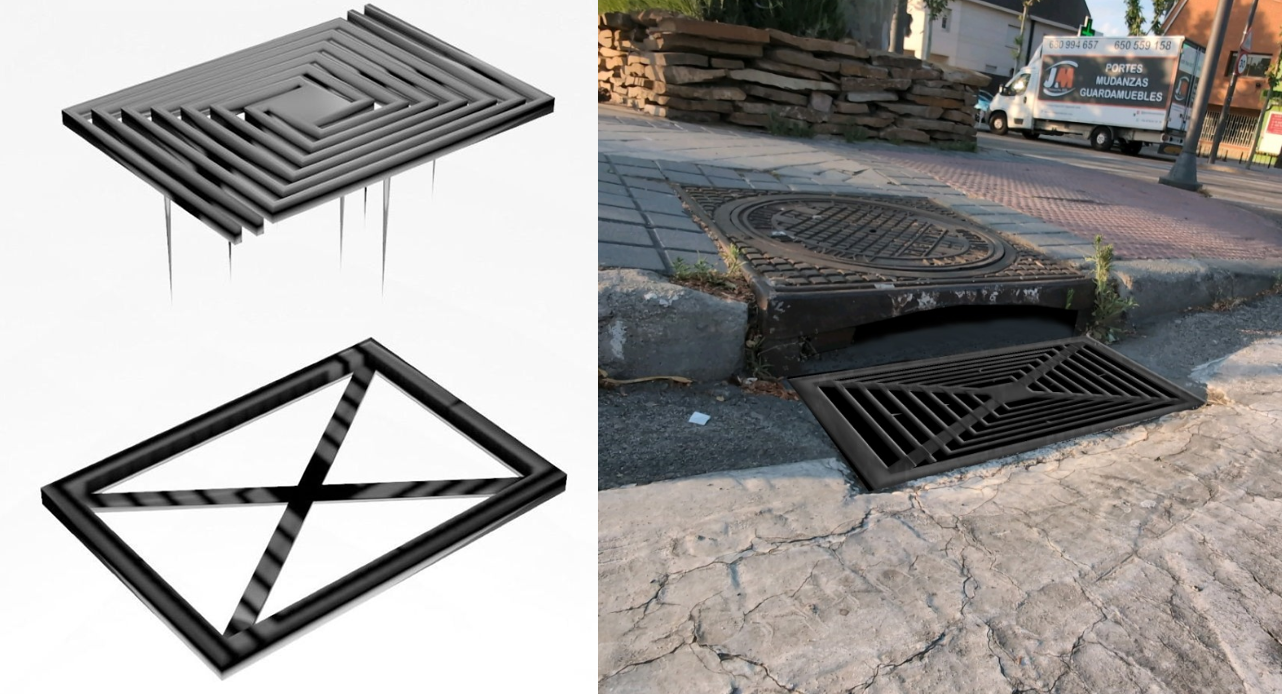


A New Innovative Sewage System Uses The Vibrations Produced By Vehicles To Automatically Unclog Waste, Facilitating Urban Maintenance.
A new sewage grate system is generating expectations by promising to transform the management of stormwater and urban waste. Developed by a team from the Polytechnic University of Madrid, the project combines technological innovation, mechanical efficiency, and environmental sustainability.
Focusing on the prevention of waste blockages, flood reduction, and promoting sustainable urban practices, the design offers an adaptable and autonomous solution to a common urban problem.
The Problem Of Blockages And Their Consequences
Clogged sewage systems are a constant reality, especially in densely populated urban areas.
-
Motorola launched the Signature with a gold seal from DxOMark, tying with the iPhone 17 Pro in camera performance, Snapdragon 8 Gen 5 that surpassed 3 million in benchmarks, and a zoom that impresses even at night.

-
Satellites reveal beneath the Sahara a giant river buried for thousands of kilometers: study shows that the largest hot desert on the planet was once traversed by a river system comparable to the largest on Earth.

-
Scientists have captured something never seen in space: newly born stars are creating gigantic rings of light a thousand times larger than the distance between the Earth and the Sun, and this changes everything we knew about stellar birth.

-
Geologists find traces of a continent that disappeared 155 million years ago after separating from Australia and reveal that it did not sink, but broke into fragments scattered across Southeast Asia.

They occur primarily due to the accumulation of solid waste, such as plastics, leaves, and urban trash, exacerbated by a lack of regular maintenance and inadequate waste disposal practices.
Additionally, natural factors, such as heavy rains and falling leaves, contribute to this problem, especially during seasonal periods.
The consequences of blockages go beyond momentary inconveniences. Among the main impacts are:
- Flooding: Causes structural damage to streets and buildings, in addition to posing risks to the safety of pedestrians and vehicles.
- Environmental Pollution: Standing water fosters the proliferation of pests and contaminates nearby water sources, causing significant ecological damage.
- High Maintenance Costs: Expenses for repairs, emergency clean-ups, and recovery of affected areas significantly increase the public budget.
Inspiration For The Design
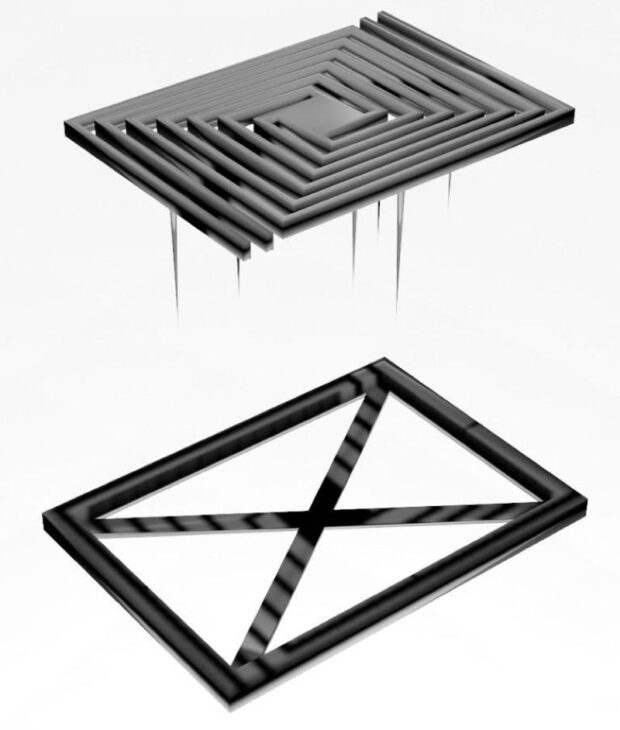
The design of the new grate system was inspired by two key concepts: springs and mechanical vibrations.
Springs are recognized for their efficiency in mechanical applications, providing a simple and effective solution for unclogging problems.
Meanwhile, the vibrations generated by vehicle traffic on urban roads represent a source of energy that, when harnessed properly, can be integrated into the system’s operation to make it autonomous and sustainable.
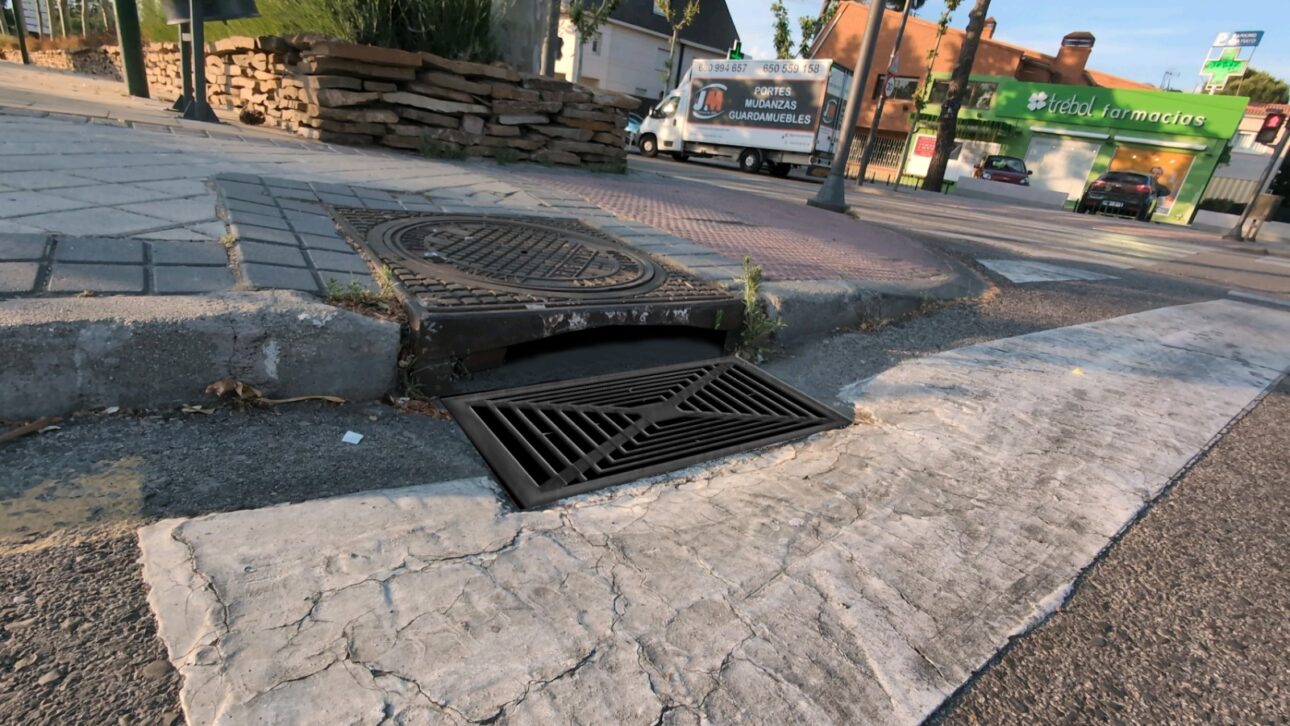
Sewage: How The System Works?
The system combines two main mechanisms, complemented by a robust and functional design:
- Pointed Rods: Made of corrosion-resistant stainless steel, these rods remove debris accumulated at different levels of the grate. The pointed shape allows the system to reach hard-to-eliminate waste, promoting efficient and lasting unclogging.
- Manual Spring: The spring is manually activated in emergency situations, lifting and releasing the grate to create impact. This impact generates additional vibrations that unclog more persistent debris, ensuring the system’s continuous functionality.
- Vehicle Vibrations: Capitalizing on daily traffic, the vibrations generated by the weight and movement of vehicles are channeled to operate the pointed rods autonomously, sustainably eliminating waste.
Challenges And Solutions In Development
During the creation process, the team faced several technical and functional challenges. Initially, designs that included physical barriers or elevations in the grates were considered, aiming to prevent the entry of waste into the sewage system.
However, these solutions presented practical issues, interfering with the mobility of pedestrians and vehicles.
After testing and adjustments, the team opted for a design that operates after a blockage has already occurred, allowing the system to effectively handle accumulated debris. This approach combines autonomous operation based on external vibrations with manual functionality for more severe situations, resulting in a versatile and highly efficient system.
Differentiating Aspects Of The Design
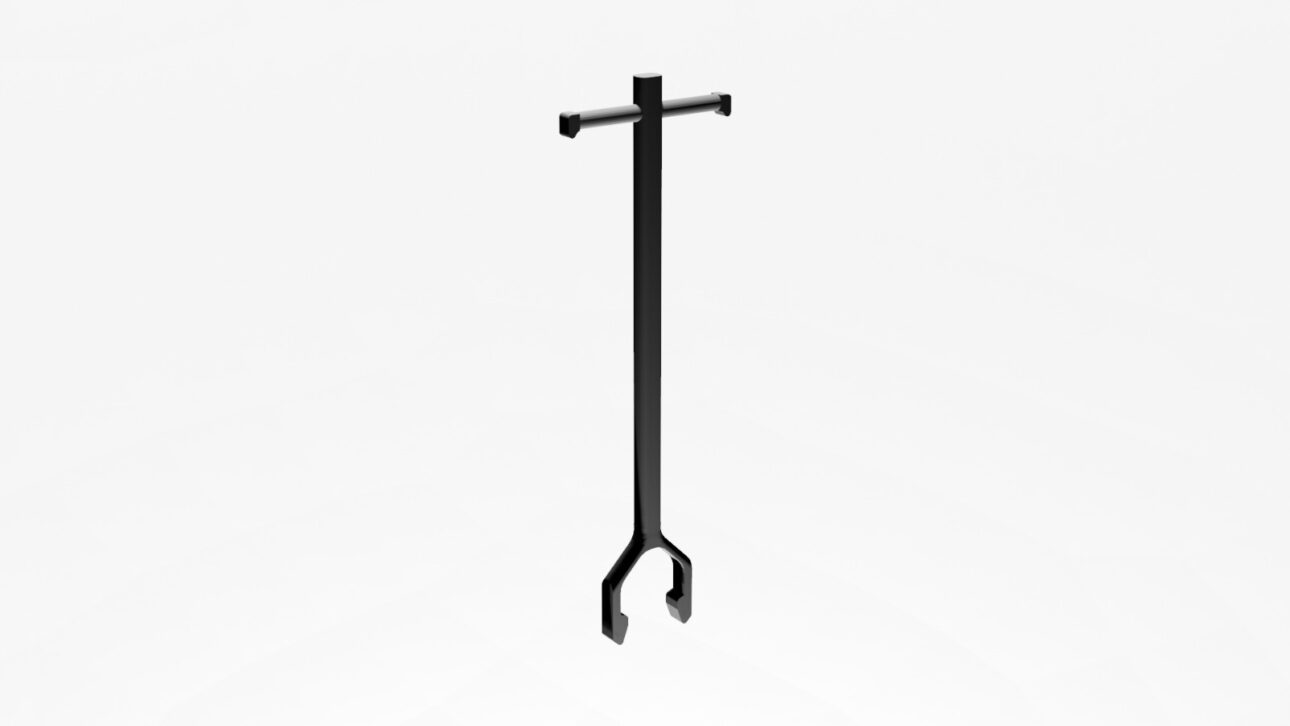
The redesign of the grates features several characteristics that differentiate it from traditional options available in the market:
- Adaptability: Can be adjusted for different sizes and applications, catering to both residential areas and critical points in large urban centers.
- Aesthetics: Allows for customizations, such as the inclusion of municipal emblems or specific patterns, integrating smoothly into the urban landscape.
- Sustainability: By using vehicle vibrations as a power source, the system aligns with the principles of the circular economy, promoting efficiency and reducing waste.
- Affordable Cost: Combines advanced functionality with low production and maintenance costs, making its application viable on a large scale.
Utilization Of Mechanical Vibrations
The vibrations generated by vehicular traffic are often underutilized in the urban context. This project innovates by using these vibrations as a valuable resource, not only to unclog sewers but also potentially to power piezoelectric devices or monitor the state of urban infrastructure.
By maximizing the use of these resources, the design contributes to a more sustainable and efficient approach to city management.


Future Projections And Expansion
The redesigned grate system has already demonstrated its feasibility in initial tests and has an ambitious expansion plan. Implementation will initially be carried out in critical points of cities, where the risk of blockages and flooding is higher.
Gradually, the replacement of traditional grates will be expanded to other areas, optimizing waste management and reducing environmental impacts.
Moreover, the project anticipates the incorporation of additional technologies, such as sensors for real-time monitoring.
These sensors will allow for the identification of blockages before they cause larger problems, optimizing preventive maintenance and reducing operational costs.








Na verdade esse sistema é para o sistema de rede pluviais e não para esgotamento sanitário, uma ótima idéia para o nosso sistema de escoamento de aguadas das chuvas