





 Portuguese
  English
  Spanish
  6 min of reading
  0 comments


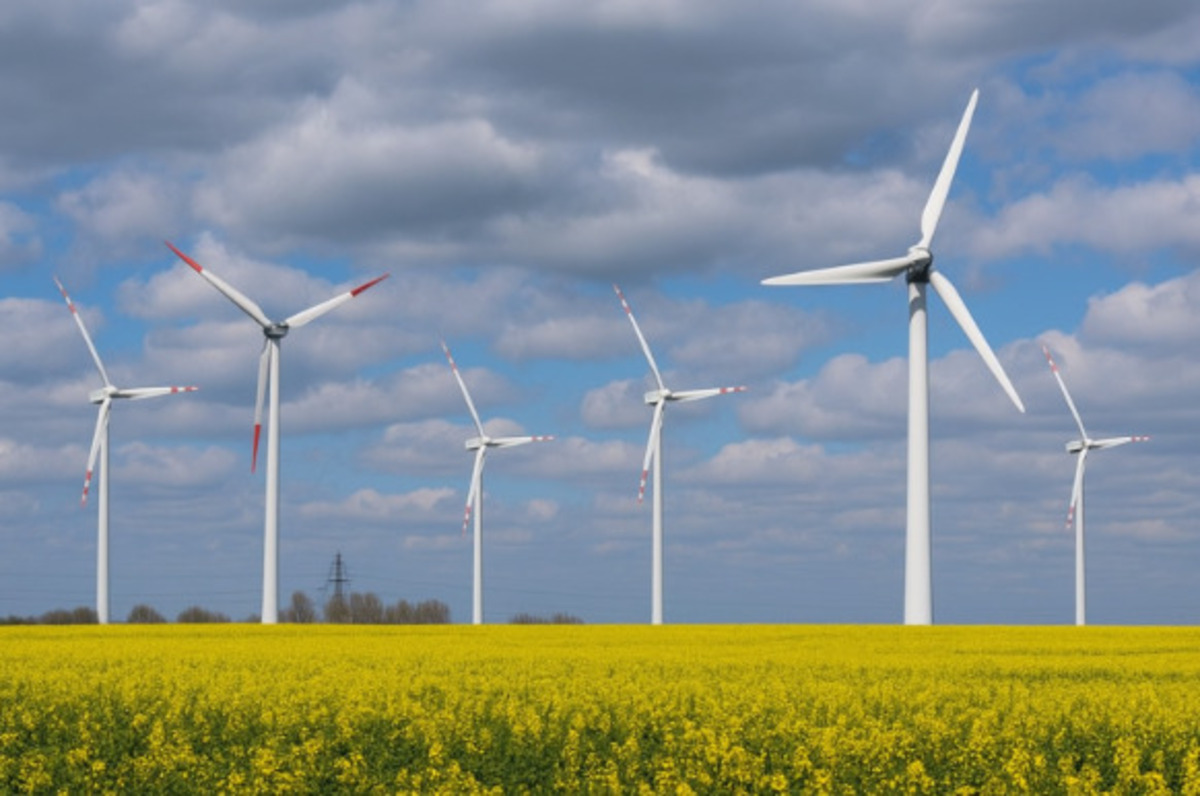
Understand How the Excess Energy Production in Brazil Threatens the Stability of the Electric System and Challenges the Future of the Renewable Matrix.
Brazil is experiencing an unprecedented moment in its energy history. For decades, the main challenge was to ensure sufficient generation capacity to meet the growing consumption of an expanding population and a developing economy.
However, the country today faces an opposite scenario: the excess energy production. At first glance, this may seem like good news, as it signifies an abundance of resources, especially from renewable sources.
However, this situation raises concerns and threatens the security of the national electric system.
-
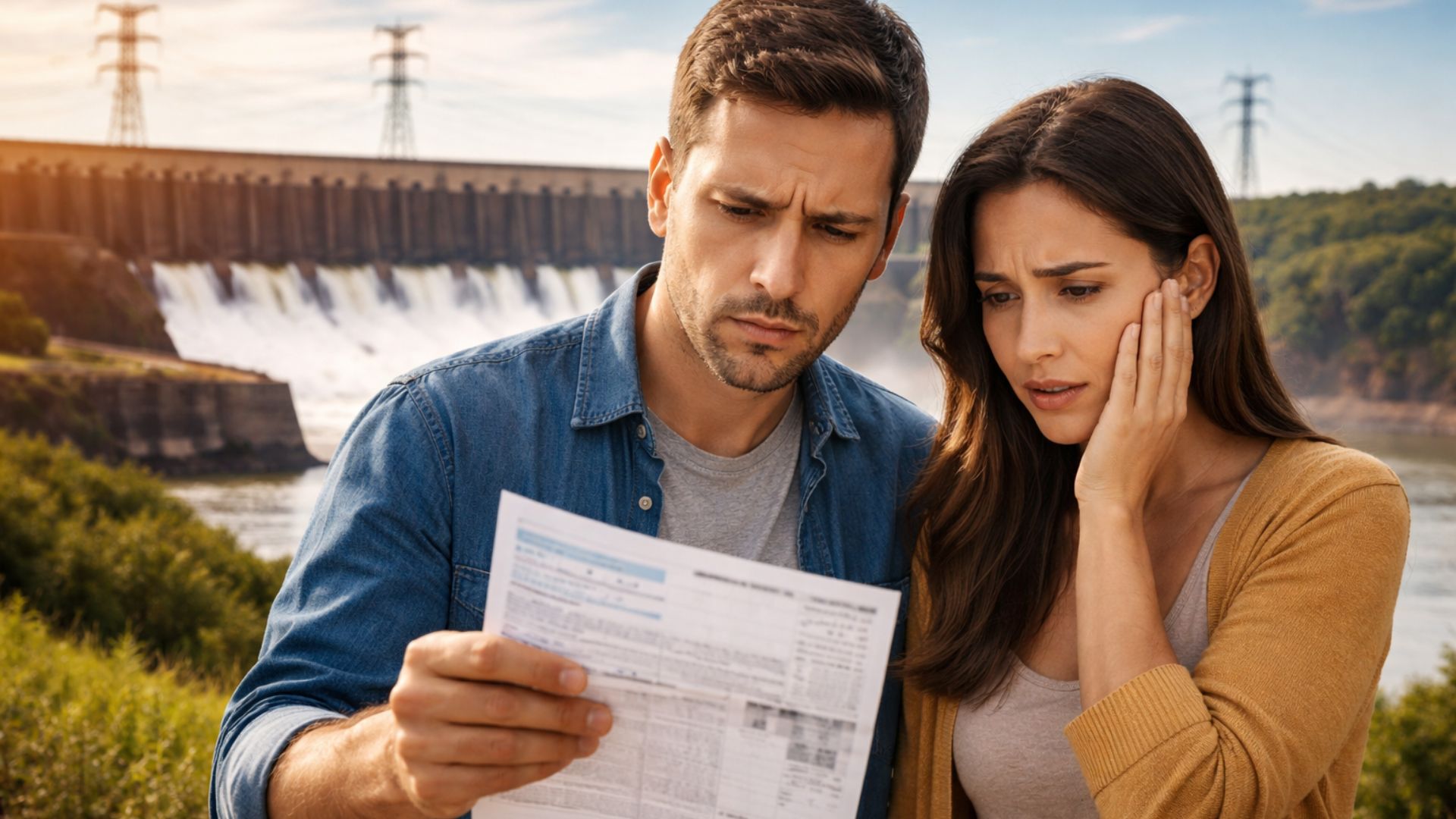
Brazilians paid R$ 18 billion more for energy from the Itaipu plant, reflecting a direct impact on tariffs and generating discussions about costs, transparency, and balance in the national electricity sector.
-
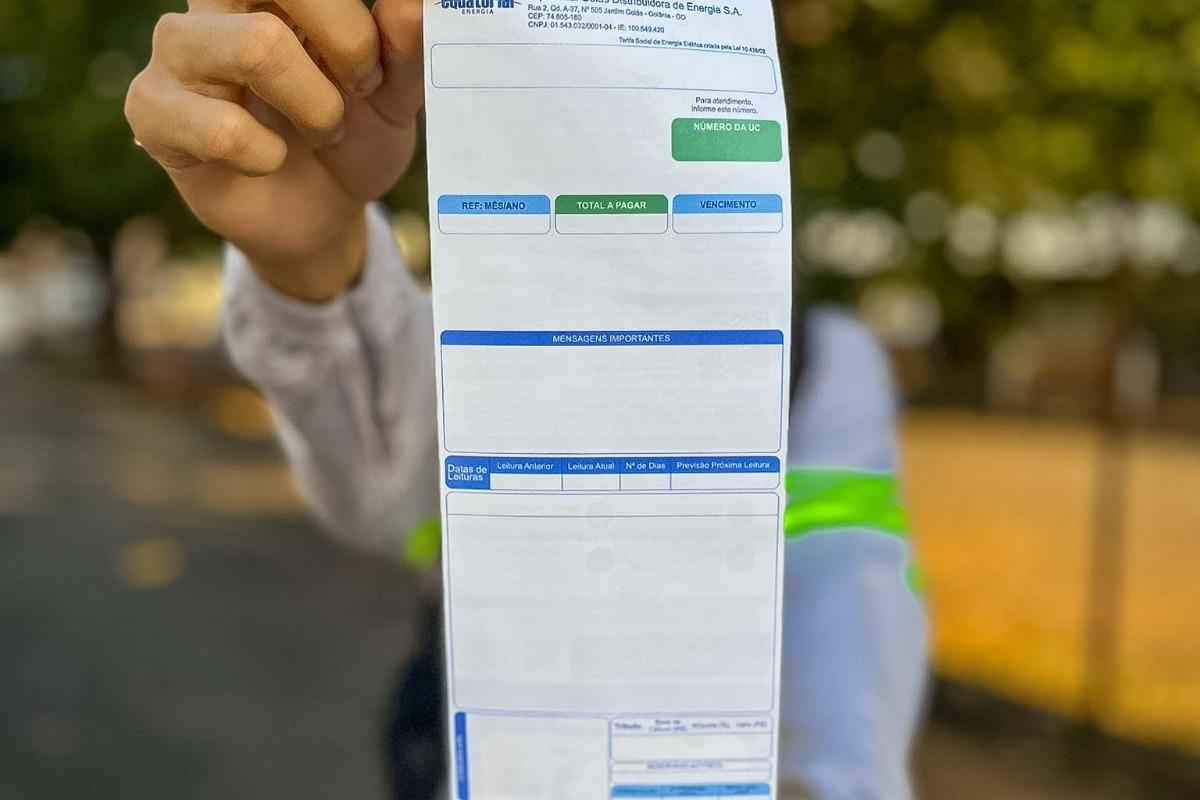
Equatorial adopts new national number for consumer units on electricity bills starting in April, following ANEEL standards and modernizing energy bills in several states.
-
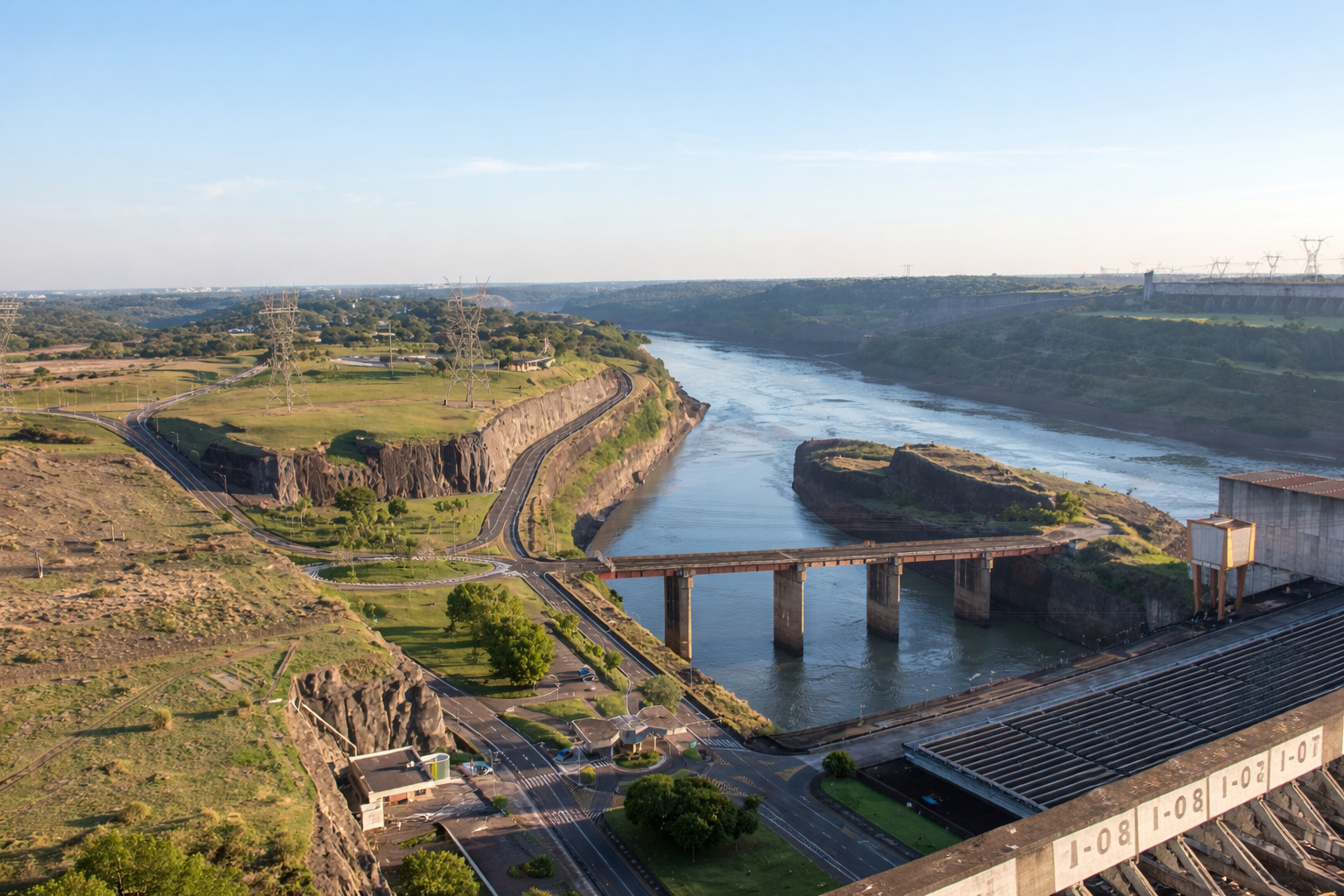
Itaipu Impresses the World: Hydroelectric Plant with 20 Turbines and 14,000 MW Generates Over 2.9 Billion MWh and Leads Global Clean Energy Production
-
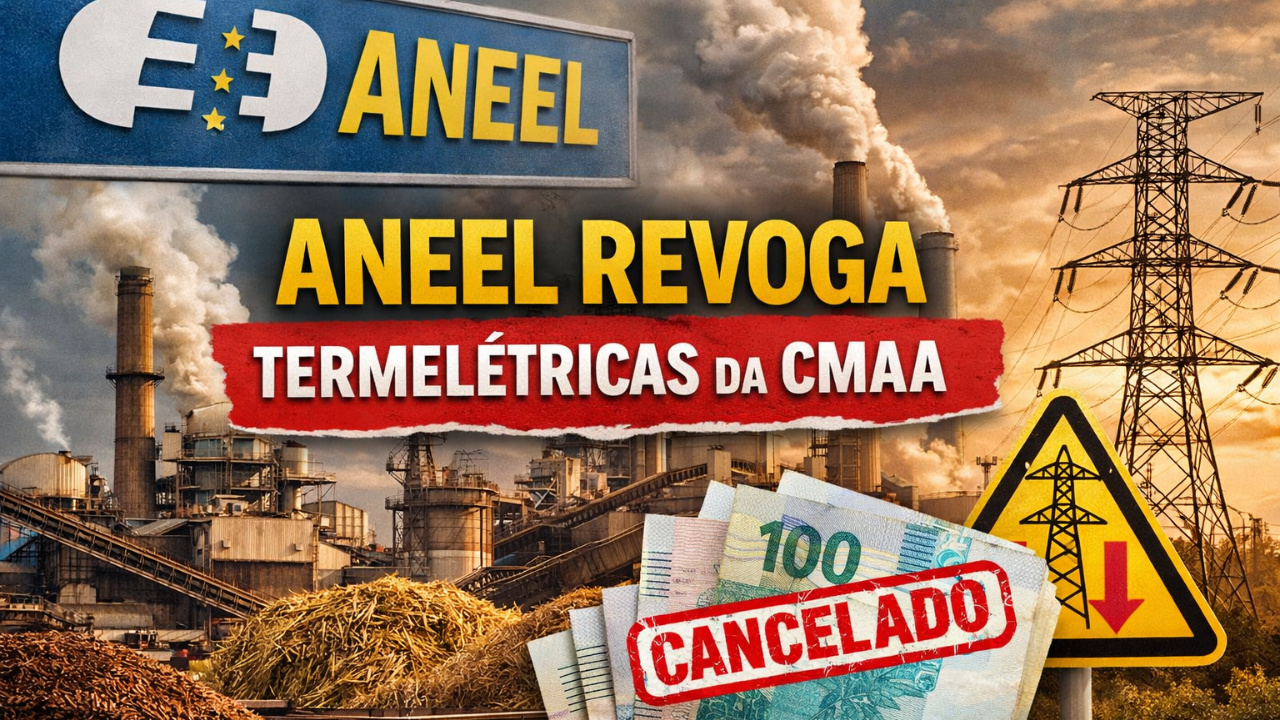
Aneel Revokes CMAA Thermal Power Plants After Network Restrictions and Excess Energy in the System

For this reason, the National Electric Energy Agency (Aneel) is studying new rules and protocols to deal with supply exceeding demand.
Consequently, the overload caused by excessive production, mainly from wind and solar parks in the Northeast, jeopardizes the balance of the National Interconnected System (SIN).
The Energy Transition and Brazil’s New Reality
Historically, Brazil has established itself as a powerhouse in renewable energy. Since the second half of the 20th century, the country’s electrical matrix has relied on the predominance of hydropower plants.
Large projects, such as Itaipu and Tucuruí, ensured electricity in sufficient scale to sustain industrialization and bring light to millions of Brazilians.
Later, in the 2000s, the country began a strong expansion in complementary clean energies.
This happened because government incentives, energy auctions, and public policies stimulated the installation of wind and solar parks, mainly in the Northeast, where solar incidence is high and winds blow consistently.
Thus, Brazil started to rank among the countries with the highest installed capacity of these sources in the world.
As a result, a true energy revolution took place.
However, this transformation also created an unexpected challenge: at various times, generation exceeds consumption needs.
The excess energy production cannot simply be stored, as the country still lacks sufficient infrastructure for batteries or other storage solutions.
Moreover, seasonality reinforces this scenario.
During periods of heavy rainfall, hydropower plants generate at high capacity.
Meanwhile, strong winds blow in the Northeast, and solar radiation remains constant.
This combination causes a overlap of sources that further increases the volume of electricity available on the grid.
The Impact of Oversupply on the Electric System
The National Electric System Operator (ONS) coordinates the production and distribution of electricity throughout the national territory.
Thus, when supply exceeds demand, the ONS needs to order a reduction or even a shutdown of generation at certain plants.
This procedure occurs almost daily, especially with solar and wind projects.
However, turning off a plant seems simple, but the reality is more complex.
Since the Brazilian electric system operates in an interconnected manner, any variation can have repercussions across the entire country.
Moreover, wind and solar plants are more sensitive to natural variations in wind and solar radiation.
This means that production fluctuates throughout the day.
At certain times, when the sun and wind are strong, generation rises quickly and puts pressure on the grid.
If this peak coincides with low consumption, the overload threatens the balance of the system.
In this regard, Aneel and ONS acknowledge that the current protocols do not address this new type of scenario.
Until recently, generation cuts were related to lack of rainfall in hydropower plants.
Now, the challenge has inverted: authorities need to shut down plants in times of abundance to prevent collapse.
Consequently, this process also generates an economic impact.
When a plant halts generation, the investment made by its operators ceases to yield during the shutdown period.
Thus, it creates regulatory insecurity, which may discourage new financial contributions.
Especially in a sector that needs to grow continuously to sustain the energy transition.
Distributors, Consumers, and Distributed Generation
Another relevant point in this debate is mini and micro distributed generation.
This model allows consumers to install solar panels in homes or businesses and inject the excess energy into the grid, receiving discounts on their electricity bills.
Since 2012, when the regulations became more favorable, distributed generation has grown rapidly in Brazil.
Although democratizing access to clean energy represents an advance, it complicates the management of the electric system.
This occurs because distributed production is not under the direct control of the ONS, but rather the local distributors.
As a consequence, when there is an excess energy production, this additional volume injected into the grid further amplifies the oversupply.
This requires coordination mechanisms between ONS, distributors, and consumers.
Additionally, small hydropower plants also influence this scenario.
Although they offer greater control, they operate outside the basic network and impact the system indirectly.
For this reason, Aneel proposes clear rules to define who should reduce or interrupt generation in critical moments and how this should occur.
The discussion also involves political and economic issues.
After all, it is necessary to balance the interests of large generators, distributors, and small producers who have invested in solar panels.
As any change can lead to legal disputes, the need to ensure predictability and regulatory security grows.
Therefore, the excess energy production proves to be a topic that goes beyond the technical aspect: it reaches regulation, economy, and society.
The Paradox of Clean Energy
Brazil is experiencing a true energy paradox.
On one hand, the electric matrix is becoming increasingly clean and renewable, aligned with global decarbonization goals.
On the other hand, the very success of this expansion creates risks to electric stability.
This dilemma, however, is not unique to Brazil.
Germany and Spain have faced similar situations, where excess energy production forced the shutdown of plants.
In these countries, the solution involved investing in large-scale storage systems, such as lithium batteries, green hydrogen, or pumped-storage hydropower plants.
These technologies allow storing energy during surplus moments to use it during peak demand periods.
In Brazil, this debate is still in its infancy but is likely to gain momentum in the coming years.
In addition, the experience of California, in the United States, helps illustrate the risks of abundance.
There, solar expansion gave rise to the so-called “duck curve”, which shows how excess production during the day lowers grid demand and creates difficulties in the early evening.
Thus, international experience can serve as both a warning and inspiration.
So that Brazil finds quick and efficient solutions to deal with its own energy abundance.
The Future of Regulation and Possible Paths
For experts, what is at stake is not limited to the technical balance of the system.
On the contrary, predictability for investors and consumers also needs to be part of the equation.
Those who install a wind, solar, or hydropower plant depend on clear rules to operate.
Therefore, transparent protocols reduce insecurity and avoid economic losses.
In this context, Aneel is studying compensation mechanisms or more objective limits for generation cuts.
Simultaneously, there is increasing pressure for the country to invest in storage technologies and in smart energy usage strategies.
Such as “demand response”, where consumers adjust their consumption during surplus times and take advantage of cheaper electricity.
Another alternative involves exporting energy on a larger scale to neighboring South American countries.
Brazil already has interconnections with Argentina, Uruguay, and Paraguay.
But it can expand these networks to prevent waste and transform excess into revenue and regional integration.
Thus, the major challenge is to balance electrical security, investment appreciation in renewable sources, and meeting end-user needs.
The excess energy production, if well managed, can turn into a competitive advantage.
Strengthening Brazil as a exporter of electricity and as a global leader in the energy transition.
Brazil has entered a new phase in its electrical history.
After facing blackouts and rationing crises, the country now needs to learn to manage abundance.
The excess energy production is not just a technical challenge, but also an opportunity for innovation and transformation.
If the country structures clear protocols, invests in storage, and enhances integration between generation, distribution, and consumption, what currently seems like a threat could turn into an asset for the future.
But how Brazil positions itself in the global race for sustainability and energy efficiency.
Excess energy, paradoxically, could become the fuel for a safer, cleaner, and more strategic future for the country.










Seja o primeiro a reagir!