





 Portuguese
  English
  Spanish
  6 min of reading
  0 comments


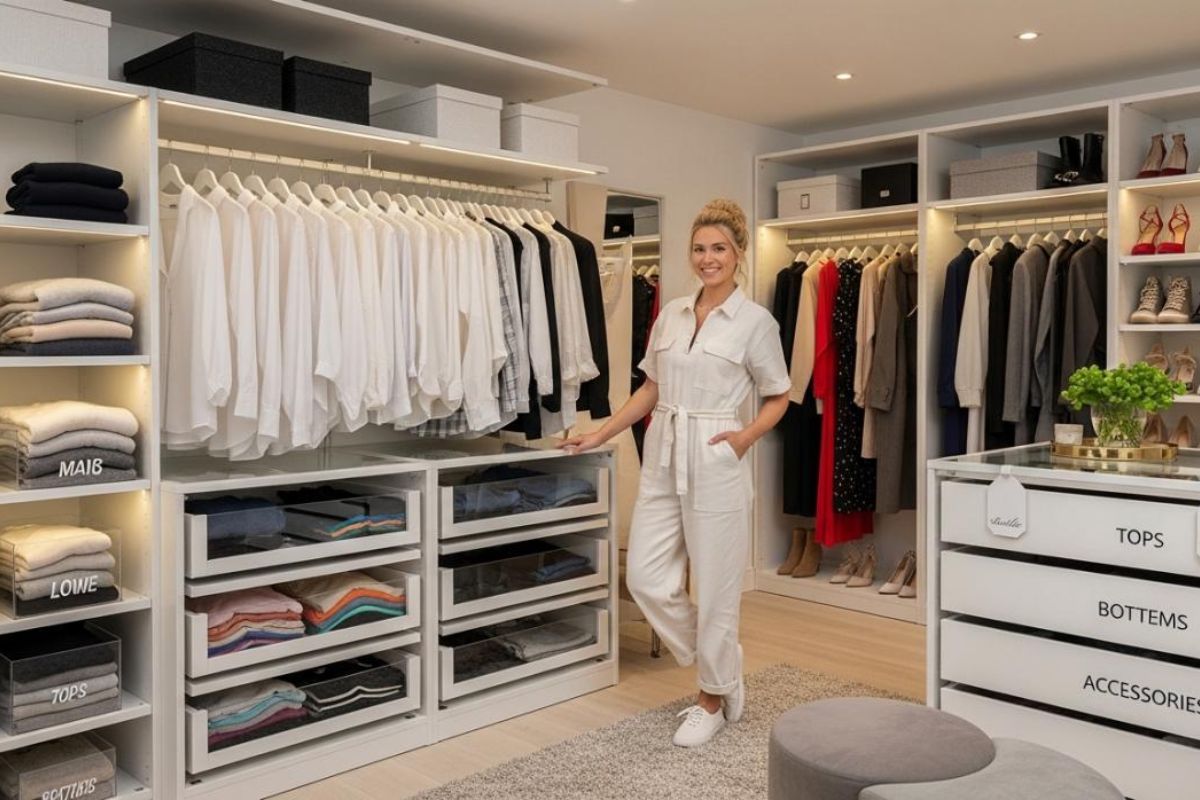
Organize Your Wardrobe Efficiently and Practically! Discover Expert Tips to Optimize Space, Categorize Your Clothes, and Keep Everything Always in Order
Who has never felt overwhelmed when opening the wardrobe and facing a chaos of clothes? Calm down, friend, you are not alone! The good news is that organizing the wardrobe can be easier and more enjoyable than you imagine. With the right tips, you can transform your closet into a functional and stylish space. In this complete guide, I, as your friend and organization expert, will show you a practical step-by-step to optimize every corner of your wardrobe.
We will go from sorting out the pieces you do not use anymore to folding techniques that save space. Get ready to be inspired and roll up your sleeves! The goal here is to give you all the tools so you can create an organization system that works for you, taking into account your lifestyle and needs. No more wasting time looking for that top you love! Shall we get started?
Organizing the Wardrobe: From Chaos to Order
Organizing the wardrobe doesn’t have to be a painful task. With a little planning and the right techniques, you can transform this space into a functional and pleasant area. Shall we get started?
-
Friends have been building a small “town” for 30 years to grow old together, with compact houses, a common area, nature surrounding it, and a collective life project designed for friendship, coexistence, and simplicity.

-
This small town in Germany created its own currency 24 years ago, today it circulates millions per year, is accepted in over 300 stores, and the German government allowed all of this to happen under one condition.

-
Curitiba is shrinking and is expected to lose 97,000 residents by 2050, while inland cities in Paraná such as Sarandi, Araucária, and Toledo are experiencing accelerated growth that is changing the entire state’s map.

-
Tourists were poisoned on Everest in a million-dollar fraud scheme involving helicopters that diverted over $19 million and shocked international authorities.


1. Initial Assessment: Discard What No Longer Serves
The first step to an organized wardrobe is to get rid of everything that no longer serves you. You know that top you haven’t worn in years? Or those shoes that hurt? It’s time to say goodbye! Letting go can be hard, but believe me, it makes all the difference.
Separate the items into three categories: to donate, to sell, and to throw away. Be honest with yourself and don’t keep anything out of attachment. A more streamlined wardrobe makes it easier to see the pieces and optimizes space.
2. Smart Categorization: Group Clothes by Type and Use
After discarding what no longer serves, group the clothes by type: pants with pants, tops with tops, dresses with dresses. Within each category, you can create subgroups by color, fabric, or occasion of use. This makes it much easier when putting together outfits.
For example, if you have many tops, separate them by short sleeve, long sleeve, tank tops, and winter blouses. This way, you find everything faster and avoid mess.
3. Efficient Folding: Techniques to Optimize Space (KonMari Method)
Folding is a great ally in optimizing space in your wardrobe. The KonMari method, created by Japanese Marie Kondo, is famous for its vertical folding techniques that allow you to see all pieces in drawers and shelves. Give it a try!
Besides saving space, vertical folding prevents clothes from wrinkling and makes organization easier. There are several online tutorials that teach KonMari folding techniques. It’s definitely worth checking out!
4. Standardized Hangers: Uniformize for a Clean and Organized Look
Using standardized hangers makes all the difference in the wardrobe’s appearance. Besides making the closet prettier, identical hangers prevent clothes from slipping and optimize space on the bar.
Invest in thin hangers that take up less space, and choose a model that you like. Velvet hangers are great for delicate clothes, as they prevent them from slipping.
5. Accessible Shelves: Organize by Frequency of Use
Organize the shelves according to how frequently the clothes are used. The pieces you wear most often should be on the most accessible shelves, while clothes for other seasons or special occasions can be placed on higher shelves.
If you have difficulty reaching the higher shelves, use storage boxes to keep the clothes and make access easier. Boxes also protect clothes from dust and moisture.
6. Functional Drawers: Use Organizers for Socks and Underwear
Drawers can be a significant challenge in wardrobe organization, but with the right organizers, you can transform this space into a functional area. Use dividers to organize socks, underwear, and belts. They keep everything in place and make it easier to see the pieces.
If you don’t want to invest in dividers, you can use shoe boxes or plastic containers to organize the drawers. The important thing is to sector each space and keep everything in order.
7. Shoes in Place: Ideas for Organizing Footwear
Shoes tend to take up a lot of space in the wardrobe, but there are various ways to organize them. You can use specific shoe shelves, clear boxes, or even fabric organizers.
If you have many shoes, consider storing them elsewhere, such as shoe racks or wall niches. The important thing is to keep them clean and organized to prevent the proliferation of bacteria and odors.
8. Visible Accessories: Organize Jewelry, Belts, and Scarves
Accessories can add a special touch to your look, but if they aren’t organized, they can get lost in the mess. Use acrylic organizers for jewelry, hooks for hanging belts and scarves, and boxes for storing glasses and other accessories.
One tip is to use the inside of the wardrobe door to hang fabric or metal organizers. They are great for keeping small items and optimizing space.
9. Adequate Lighting: Improve Internal Visibility
Good lighting makes all the difference when organizing the wardrobe and choosing outfits. If your closet is dark, invest in LED strips or internal lamps. They facilitate the visualization of pieces and create a more pleasant environment.
Besides being functional, lighting can be a decorative element in the wardrobe. Choose a light that matches your style and creates a cozy atmosphere.
10. Continuous Maintenance: Tips to Keep Organization in the Long Term
Keeping the wardrobe organized in the long run requires discipline and some care. Set aside a few minutes each week to tidy up clothes, fold pieces, and discard what you no longer use.
Whenever you wear an item, either put it in the wash or store it in the right place. Avoid accumulating dirty clothes or spreading them around the room. With small actions, you can keep the wardrobe always in order.
Extra Tips from the Expert
- Use Air Fresheners: They keep the wardrobe smelling good and prevent mold.
- Invest in See-Through Storage Boxes: They facilitate the identification of clothes.
- Be Creative: Create customized solutions for your wardrobe.
Reader Questions (FAQ)
How to Organize a Small Wardrobe?
Make the most of every corner! Use storage boxes, floating shelves, and thin hangers to optimize space.
What is the Best Way to Fold Jeans?
Fold in half, then fold the legs up and roll. This way, they take up less space and do not wrinkle.
How to Prevent Mold in the Wardrobe?
Keep the closet clean and aired out. Use anti-mold products and avoid storing damp clothes.
Where to Donate Clothes I Don’t Wear Anymore?
Look for charities, churches, or NGOs in your area. They always need donations.
How to Organize Bags and Backpacks?
Use hooks or shelves to hang them. If storing in boxes, use stuffing to maintain their shape. Are you ready to transform your wardrobe into an oasis of organization? With the tips I’ve given you, you will see how easy and enjoyable it is to keep everything in order. And the best part: you gain time and convenience in your daily life.
Now it’s time to roll up your sleeves and enjoy an organized and stylish wardrobe! Don’t forget: Organizing the wardrobe is an ongoing process.
Don’t be discouraged if you can’t organize everything at once. The important thing is to start and maintain discipline. Agreed?










-

-

-

-

-

-

31 pessoas reagiram a isso.