





 Portuguese
  English
  Spanish
  8 min of reading
  3 comments


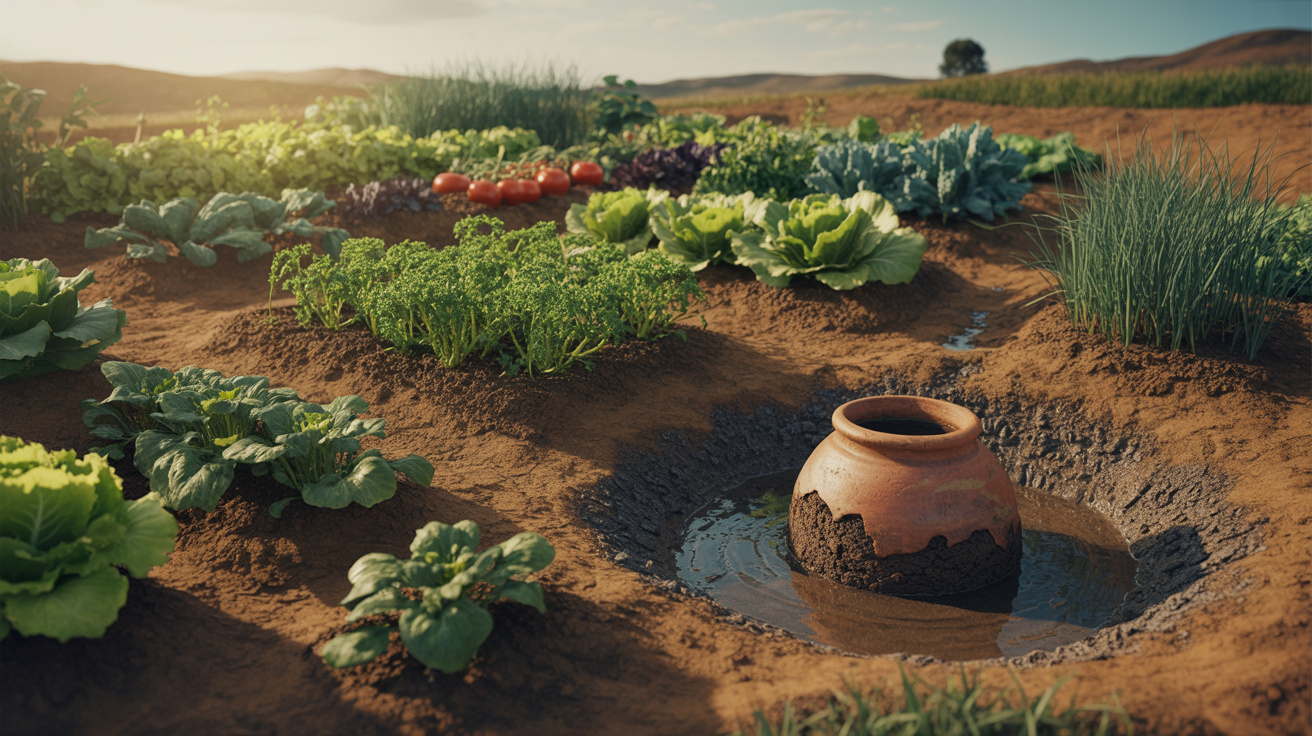


4,000-Year-Old Ancient Technique Returns To Be Used By Brazilian Farmers To Overcome Drought. Subterranean Irrigation System Uses Clay Pots And Is Being Called IrrigaPote.
The scarcity of water during prolonged drought has led family farmers to rediscover an ancestral irrigation technology that has endured for millennia without losing efficiency. Buried clay pots, known as ollas (pronounced “oyas”), are microporous clay containers that release water directly to the roots of plants through a natural osmosis process. The system virtually eliminates evaporation and waste, functioning as an underground sponge that the plants themselves control.
The technique has been revitalized in Brazil by Embrapa Eastern Amazon, which developed the IrrigaPote project specifically for family farming in Pará. In tests conducted in Santarém, farmers reported saving 50% to 70% in water consumption compared to conventional irrigation, with some studies indicating efficiency of up to 90% when the soil is well-structured. The pressure difference between the porous pot and the dry soil creates a gravitational force that causes the water to condense on the outer surface of the container, where the roots absorb it as needed.
A researcher, Lucieta Guerreiro Martorano, from Embrapa, explains that when it rains and the soil is moist, the water inside the pot remains intact. Only during dry periods, when the soil loses moisture, does the system automatically come into play. The roots grow around the pots and “pull” only the necessary amount of liquid for the plant, without wasting a single drop.
-
The sugar-energy sector advances with agricultural technology, but agricultural productivity still raises concerns.

-
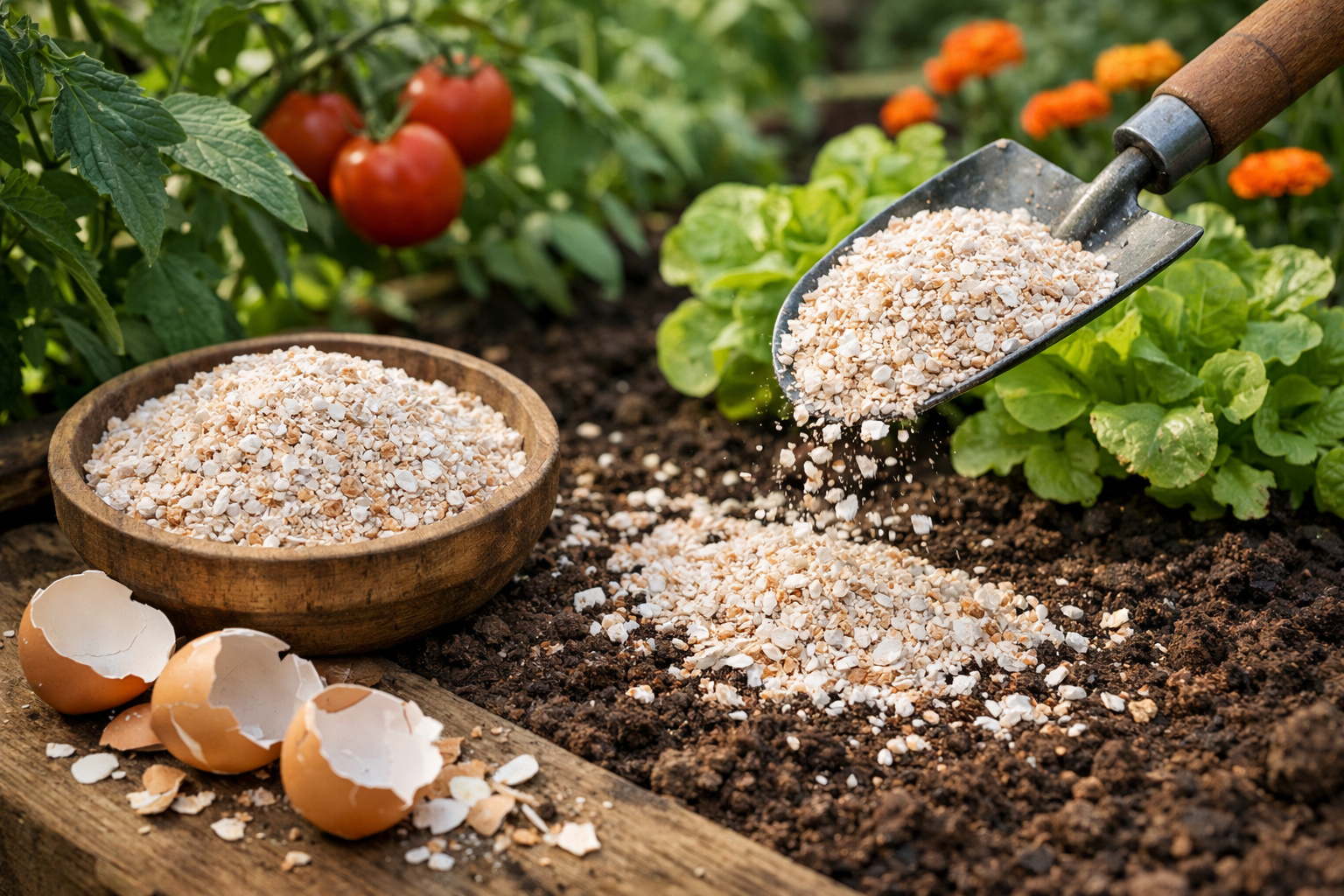
The eggshell that almost everyone throws away is made up of about 95% calcium carbonate and can help enrich the soil when crushed, slowly releasing nutrients and being reused in home gardens and vegetable patches.
-
This farm in the United States does not use sunlight, does not use soil, and produces 500 times more food per square meter than traditional agriculture: the secret lies in 42,000 LEDs, hydroponics, and a system that recycles even the heat from the lamps.

-
The water that almost everyone throws away after cooking potatoes carries nutrients released during the preparation and can be reused to help in the development of plants when used correctly at the base of gardens and pots, at no additional cost and without changing the routine.


How The Subterranean Clay Pot Irrigation System Works
The principle of the ollas operating mechanism is based on the natural porosity of non-vitrified clay. When the pot is buried up to the neck and filled with water, its microporous walls allow controlled passage of moisture to the surrounding soil. The City of Austin’s Water Conservation documented in 2006 that the system “virtually eliminates the runoff and evaporation common in modern irrigation systems, allowing the plant to absorb nearly 100% of the water”.
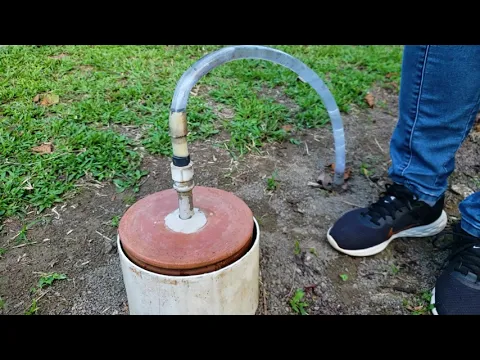

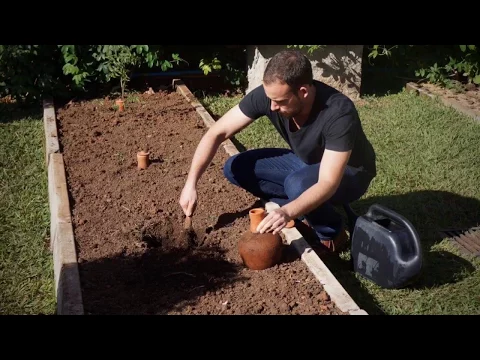
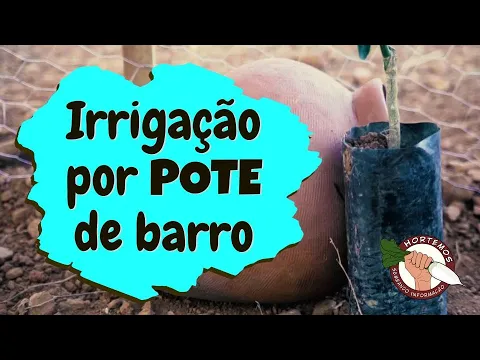
In the field, the pots are installed in holes next to the plants that will be irrigated. Only the neck remains exposed above the soil surface, serving as a refill point.
The lid covering the opening prevents direct evaporation and entry of debris. As the soil dries, a moisture tension is created that pulls the water through the porous walls of the container, directly feeding the root zone.
The technology can be connected to low-cost automated systems. In the Brazilian IrrigaPote model, tubes connect the buried pots to an elevated reservoir that collects rainwater. Floats similar to those in water tanks control the water level inside each container, keeping them always full without the need for electricity or constant manual labor.
Clay Pots Release 3.5 Liters Per Day and Ensure Harvest During Prolonged Drought
The average flow recorded in Embrapa tests was around 3.5 liters per pot per day in deep latossolo soil, except for the first day after installation, when it can reach 20 liters due to initial soil drying. This gradual and constant supply maintains ideal moisture in the root zone without waterlogging or deficits.
Research conducted by Embrapa in the 1980s showed impressive productivity with the system. For Charleston Gray watermelon variety, 45.6 tons were harvested per hectare with 800 pots installed.
The yellow Valencian melon yielded 14.9 tons under the same conditions. The Pitiuba variety cowpea produced 630 kilograms per hectare. Total water consumption for these crops varied between 149 and 191 cubic meters, a significantly lower volume than in conventional irrigation.

The technology has proven effective during critical drought periods in the Amazon. Although the region is known for its large rivers and abundant rainfall, from August to October more than 90% of the territory faces severe water shortages.
Producers who relied on rain-fed crops lost all production during these months. With buried pots connected to rainwater harvesting cisterns, they managed to maintain productive gardens throughout the drought.
Farmer in Santarém Saves Acerola That Was Dying With Water Stored in Pots
Maria Cinira da Rocha, a rural producer from the community of Lavras in Santarém (PA), has been working in family farming for over 30 years and sells fruits and vegetables at a weekly organic fair.
Before installing the IrrigaPote on her property, she faced increasing losses during the annual dry spell that plagues the region in the second half of the year. The community does not have an artesian well, and water became the limiting factor for crop survival.
The situation changed radically after implementing the system in 2016 when the farm was chosen for a Technological Reference Unit.
The pots were buried near the fruit trees and arranged in mandalas to irrigate vegetables and oilseeds like sesame. The farmer reported that her acerola trees, which were wilting and on the verge of death, returned to vigorous production and yielded a good harvest in the very first year.

Maria Cinira’s husband, João da Rocha, emphasized that the system does not use electricity, eliminating an extra expense from the electricity bill that would weigh on the family budget.
The rainwater collected from rooftops through gutters flows by gravity to the elevated reservoir and then to the pots. The irrigation work became completely automated, freeing up time for other management tasks and increasing the diversity of products cultivated on the property.
Spanish 4,000-Year-Old Technique Is More Efficient Than Modern Drip Irrigation According to Embrapa
Although using clay pots is an ancient practice documented in various cultures for four millennia, it has only recently undergone rigorous scientific validation. Embrapa compared the system with drip irrigation and other low-cost technologies in controlled tests. The results demonstrated that the ollas surpassed drip irrigation in water efficiency, while requiring lower initial investment and virtually no maintenance.
The term “olla” comes from Spanish and means pot or pan.
The technology remains widely used in southern Europe, especially in Mediterranean regions with chronic water scarcity. Bill Mollison, creator of the permaculture concept, described the ollas as “the most efficient irrigation system in the world” for native flora in arid climates.

The efficiency of the technique lies in the total elimination of surface runoff and atmospheric evaporation, critical problems in conventional spray irrigation or even drip irrigation systems. While spray irrigation can lose 30% to 50% of the water to evaporation before even reaching the soil, and drip systems lose about 15% to 25%, ollas deliver practically 100% of the resource directly to the root zone.
System Reduces Fertilizer Use by 50% When Applied Directly to Pots
An additional benefit discovered in research is the substantial savings in fertilizers. When soluble fertilizers are placed directly inside the clay pots, they are transported along with the water to the roots in dissolved form.
Studies indicate a reduction of up to 50% in the amount of fertilizer needed per cultivated area, as there are no losses due to deep leaching or surface runoff.
Applying nutrients via pot also eliminates soil compaction caused by the direct impact of water in conventional systems. The soil under olla irrigation remains loose, well-aerated, and with preserved structure. This characteristic favors root development and beneficial microbial activity.
The technology adapts to uneven and hilly terrains where conventional systems would have difficulties. The pots can be installed on slopes without the risk of erosion or uneven water distribution. In sandy soils with low water retention capacity, the system concentrates moisture exactly where the roots need it, compensating for rapid drainage.
Brazilian IrrigaPote Project Becomes Public Policy in Ethiopia for Family Farming
The international partnership between Embrapa Eastern Amazon and the University of Makelle in Ethiopia brought the technology to North Africa, where it was validated under extreme semi-arid conditions. After successful tests, the system was structured and listed as an official public policy for family farming in northern Ethiopia.
The African implementation included training for more than 60 farmers and 12 agricultural development agents, as well as rural extension specialists. Training manuals were translated into the local Tigrinya language and widely distributed.
The adopted model differs slightly from the Brazilian one: while in Brazil, water flows automatically from the reservoir to the pots via a float system, in Ethiopia, farmers transport the harvested rainwater and manually refill the containers.
Researcher Lucieta Martorano was the main coordinator of the technology transfer between continents. For her, the international recognition validates decades of research and demonstrates that simple solutions based on traditional knowledge can be as effective as or more effective than sophisticated technologies.
The Ethiopian project proved that adapting the technique to different socioeconomic and climatic realities is fully viable.
Banco do Brasil Foundation Certifies IrrigaPote as Social Technology in 2024
In June 2024, IrrigaPote received official certification as a social technology at the 12th edition of the Banco do Brasil Foundation Award. The technology competed with 1,012 initiatives from across the country and was selected among 87 certified, integrating the permanent collection of the Transforma Platform, recognized as a promoter of sustainable development in the country.
The certification represents institutional validation that the system meets rigorous criteria for social effectiveness, environmental sustainability, replicability, and low cost. Certified social technologies become eligible for public policies for funding and expansion on a national scale.
This recognition broadens the possibilities of partnerships with universities and technical assistance entities.
Emater of Pará is already working on disseminating the system in various rural communities. The low initial investment (clay pots cost between R$ 15 and R$ 40 each) and the absence of operational costs make the technology a viable option even for the most undercapitalized farmers.
Installation Uses Simple Materials and Automated System With Float Dispenses Electricity
To set up a complete IrrigaPote system, accessible components are needed: non-vitrified clay pots, PVC tubes, float valves (like water tanks), connectors, rainwater collection gutters, and an elevated reservoir.
The total investment to irrigate a family garden of 50 square meters ranges between R$ 300 and R$ 500, depending on the number of pots installed.
The installation starts with rainwater harvesting. Gutters are fixed to the roof eaves and direct water to an elevated reservoir or cistern. Elevation is essential to create gravitational pressure that feeds the pots without the need for pumping. From the reservoir, PVC pipes carry the water to each buried pot.
Automation occurs through float valves installed inside the pots, similar to the mechanism in flush toilets. When the level drops due to percolation into the soil, the float opens the water inlet. Upon reaching the maximum level, the float automatically closes. The system works 24 hours a day, 7 days a week, without human intervention or electricity.
Farmers Need to Fill Pots Once a Week, Saving Time and Labor
The frequency of refilling depends on the pot size, soil type, and evaporative demand of the crop. On average, pots with a capacity of 10 to 20 liters require weekly filling during dry periods. In rainy seasons or when the soil retains good moisture, the pots can go weeks without needing replenishment.
The drastic reduction in irrigation frequency frees up precious time for family farmers for other productive activities. While conventional systems require daily irrigation or even twice a day in hot climates, ollas transform the routine into a weekly task of just a few minutes.
For producers who are away from their farms, such as on vacations or trips for sales, the system offers security. Well-sized pots keep plants irrigated for 10 to 15 days without intervention. This feature is especially valuable for farmers who attend weekly fairs and need to spend the night away.










Que trabalho lindo e transformador, além de sustentável.
Tão simples e tão eficiente. Estamos sempre tentando “reinventar a roda” e ela está aí a tanto tempo. Fico feliz em saber que em todos os lugares tem-se dedicado esforço e pesquisas em recuperação de conhecimentos que beneficiam a agricultura familiar, recuperação do solo e economia para o agricultor.
Muito importante para evitar a degradação da seca. Parece que a história se repete