





 Portuguese
  English
  Spanish
  5 min of reading
  8 comments


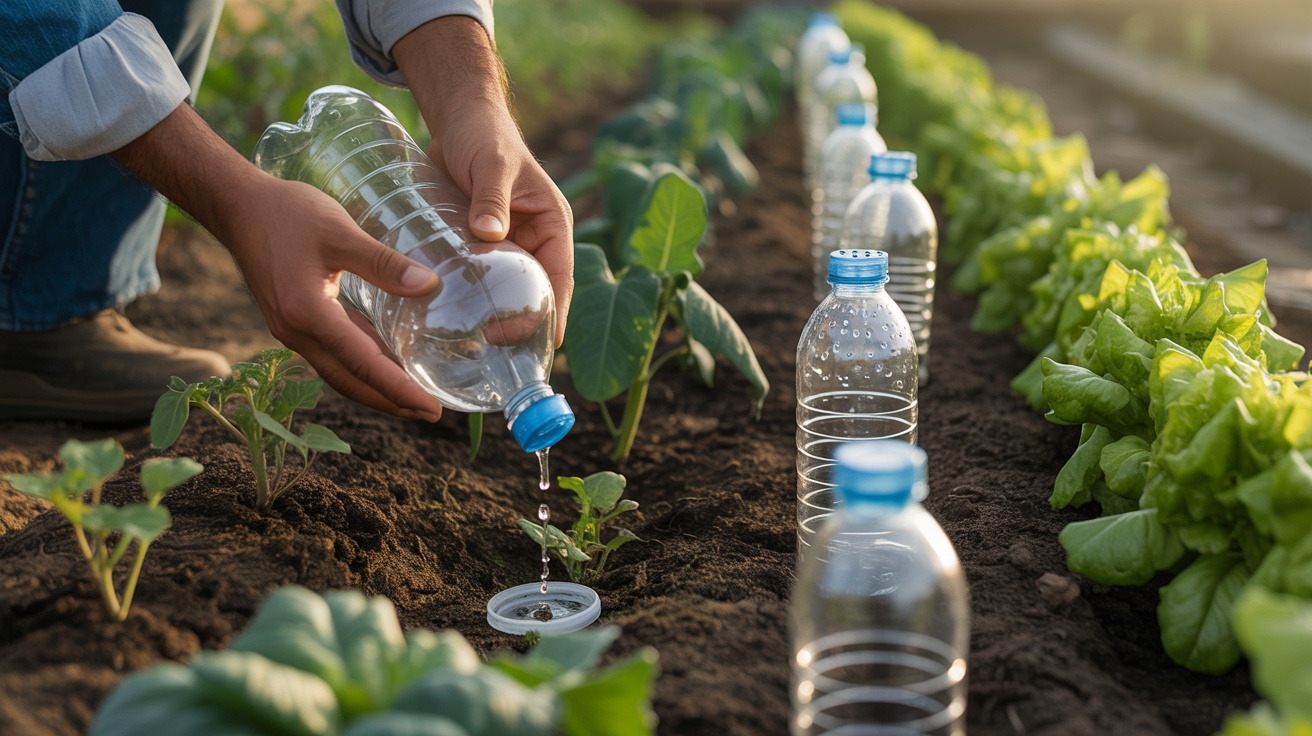


Farmers Use Perforated PET Bottles as a Homemade Drip Irrigation System, Releasing Water Directly at the Roots and Reducing Waste in the Garden.
In regions where the cost of water impacts budgets or where dry spells are frequent, rural producers and urban gardeners have turned to simple solutions to keep the garden productive without increasing water consumption. Among these solutions is a direct method: reuse PET bottles as a drip irrigation system. The technique is neither recent nor improvised. It follows the same agronomic principle as professional drip irrigation: providing water directly to the plant’s root zone, slowly and continuously, avoiding losses due to evaporation and surface runoff.
The Technical Principle Behind Homemade Drip Irrigation with PET Bottles
The system works based on three simple elements:
- Individual Water Reservoir (PET Bottle)
- Controlled Puncturing of the Cap
- Slow Release by Gravity
The bottle, usually 1.5 to 2 liters, is filled with water. Small holes are made in the cap using a heated needle, fine nail, or thin drill. After that, the bottle is partially buried next to the plant, with the cap facing down, close to the root.
-
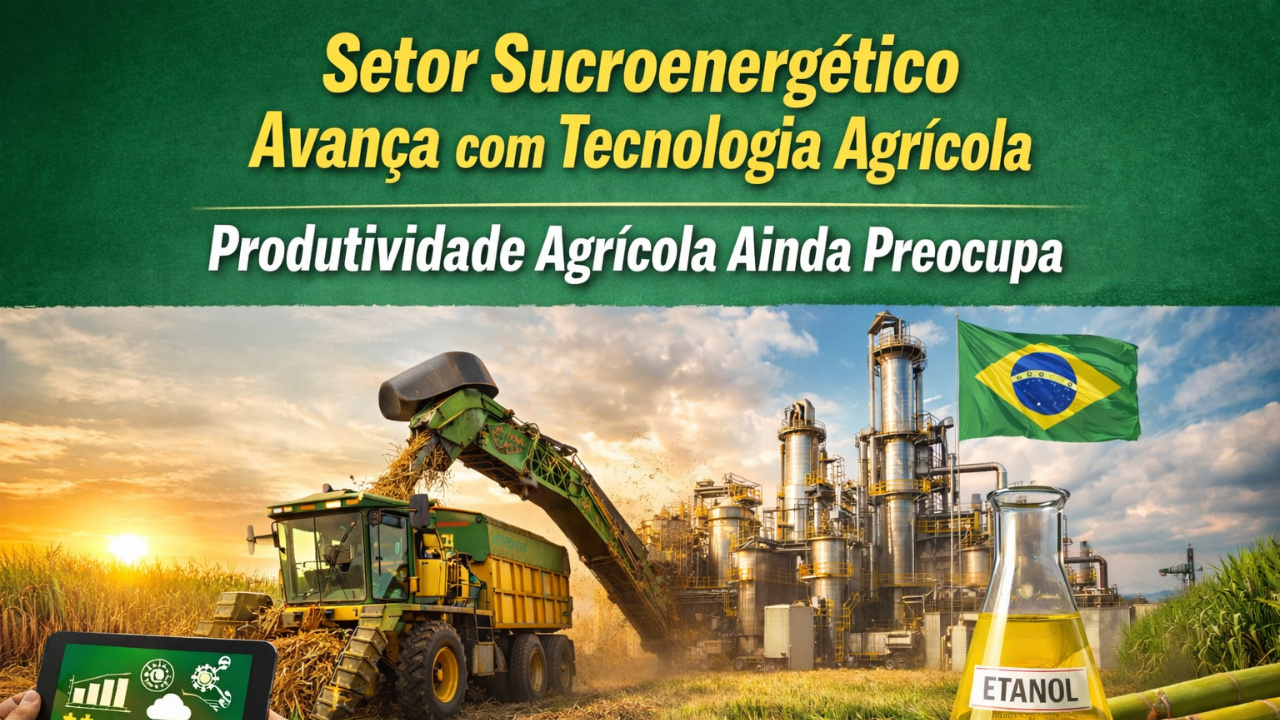
The sugar-energy sector advances with agricultural technology, but agricultural productivity still raises concerns.
-
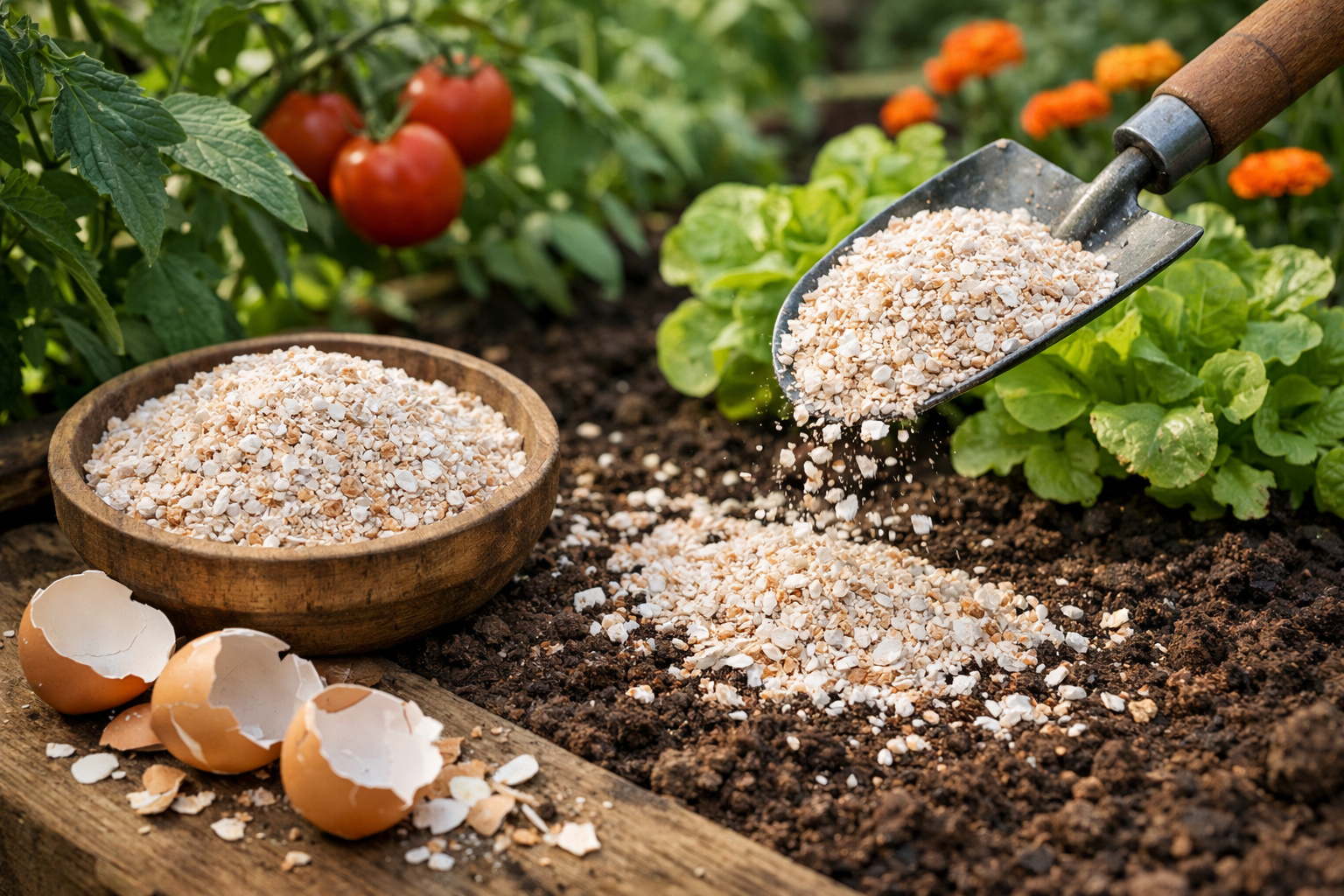
The eggshell that almost everyone throws away is made up of about 95% calcium carbonate and can help enrich the soil when crushed, slowly releasing nutrients and being reused in home gardens and vegetable patches.
-
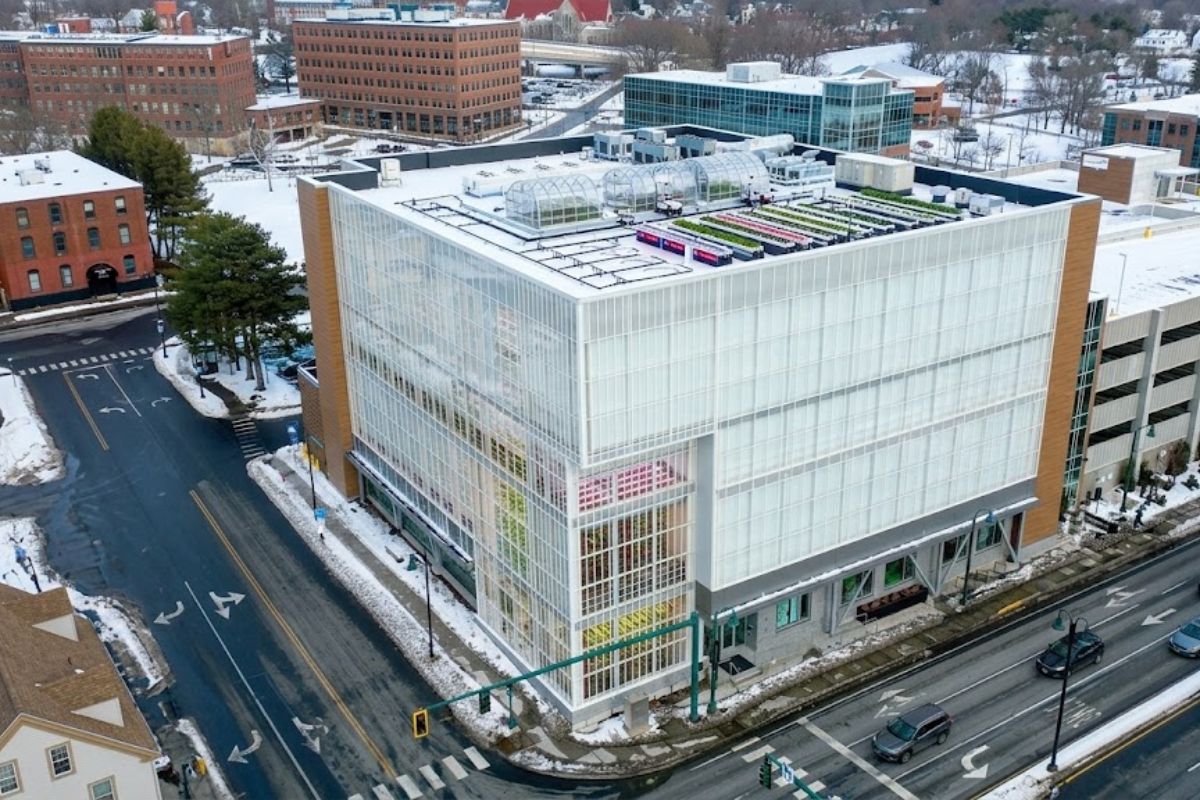
This farm in the United States does not use sunlight, does not use soil, and produces 500 times more food per square meter than traditional agriculture: the secret lies in 42,000 LEDs, hydroponics, and a system that recycles even the heat from the lamps.
-
The water that almost everyone throws away after cooking potatoes carries nutrients released during the preparation and can be reused to help in the development of plants when used correctly at the base of gardens and pots, at no additional cost and without changing the routine.


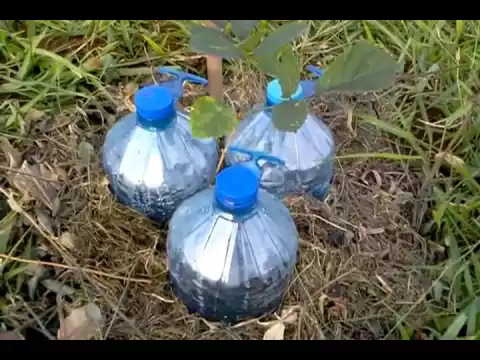

Water trickles slowly through the micro-holes, infiltrating directly into the soil where the roots are active.
This method drastically reduces the wet surface area of the soil, concentrating moisture in the region that really matters for absorption.
Why Irrigating Directly at the Roots is More Efficient
In conventional irrigation with hoses or sprinklers, much of the water is lost due to:
- Surface Evaporation
- Lateral Runoff
- Unnecessary Wetting Between Plants
- Soil Surface Compaction
By applying water directly at the root zone, the homemade drip irrigation system:
- Reduces Evaporation
- Maintains Constant Moisture
- Prevents Surface Saturation
- Minimizes Waste
Studies on localized irrigation show that drip systems can reduce water consumption by 30% to 60% compared to sprinkler or open hose irrigation, depending on management and soil type.
Although the PET bottle model does not have flow control calibrated like commercial systems, it follows the same physical logic of water efficiency.
How to Assemble the System Step by Step
The assembly requires few materials:
- Clean PET Bottles
- Pointed Object for Puncturing
- Water
Step 1: Preparing the Cap
From 1 to 3 small holes are made in the cap, depending on the desired flow rate. The smaller the hole, the slower the release.
Step 2: Positioning
The bottle is buried about 5 to 10 centimeters from the base of the plant, with the cap facing down.
Step 3: Adjusting the Flow Rate
If the water drains too fast, you can reduce the number of holes or use a finer needle. If it is too slow, slightly increase the diameter.
Step 4: Replenishment
The replenishment of water varies according to climate, soil type, and plant size. In clay soils, retention is greater; in sandy soils, infiltration is faster.
Impact on Reducing Water Consumption
Producers who adopt the method report a significant reduction in the frequency of irrigation. This happens because:
- The water infiltrates deeply
- The soil surface remains less exposed
- The moisture lasts longer
In hot climates, where exposed soil can dry out in a few hours, the system helps maintain stable moisture for extended periods.
The efficiency is related to lower evaporation and greater root utilization.
Application in Urban Gardens and Family Farming
The method is especially common in:
- Community Gardens
- Urban Backyards
- Small-Scale Family Farming
- Cultivation of Newly Transplanted Seedlings
In young seedlings, the system is useful because it provides constant water without causing erosion or displacement of the soil around the stem.

It is also used during travel periods or when the producer is absent, as it ensures slow irrigation for several days.
Comparison with Commercial Drip Irrigation Systems
Professional drip irrigation uses:
- Specific Piping
- Calibrated Emitters
- Pressure Regulators
- Filters
The PET system does not replace large irrigated projects, but it serves as a low-cost alternative when there is no access to pressurized infrastructure.
Main Differences:
| PET System | Commercial System |
|---|---|
| Low Cost | High Initial Cost |
| No Precise Flow Control | Calibrated Flow |
| Manual Installation | Technical Installation |
| Ideal for Small Scale | Ideal for Medium/Large Scale |
Even with limitations, the homemade model serves well for home gardens and specific crops.
Additional Observed Benefits
Besides water savings, producers report:
- Less Emergence of Weeds (soil not watered superficially)
- Reduction of Fungal Diseases on Leaves (fewer splashes)
- Less Soil Compaction
- More Uniform Growth
Since water is not applied over the leaves, moisture retention on the aerial part of the plant is reduced, which can decrease the incidence of some diseases associated with excessive surface moisture.
Soil Types and System Performance
The behavior of irrigation varies according to soil:
Sandy Soil
Infiltrates quickly, requires more replenishment.
Clayey Soil
Retains more water, flow rate should be slower.
Soil Rich in Organic Matter
Better balance between infiltration and retention.
The depth of the crop’s roots also influences. Shallow-rooted plants require closer positioning; deep-rooted crops may require larger volumes.
Sustainability and Recycling of Materials
The use of reused PET bottles reduces plastic disposal and gives a new function to material that could otherwise go to landfills or improper disposal.
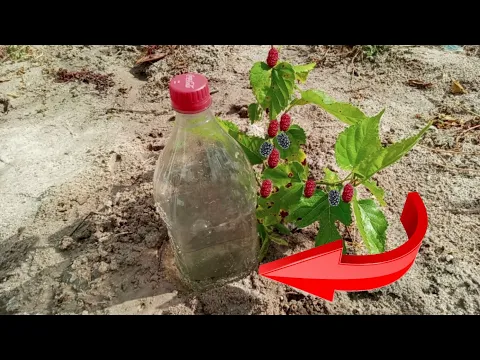
Additionally, it eliminates the need to purchase irrigation kits for small gardens.
This reuse aligns with sustainable urban farming practices and the circular economy. Despite the advantages, the method has limitations:
- Does not replace mechanized irrigation in large areas
- Can clog if the water contains sediments
- Requires periodic maintenance
- Flow rate is not standardized
To avoid clogging, it is recommended to use clean water and check the holes regularly.
These principles are widely adopted in modern agriculture to reduce water consumption. The adoption of localized irrigation, even in a homemade version, can alter the dynamics of the garden:
- Less Water Stress
- More Consistent Growth
- Time Savings
- Better Water Utilization
For family producers and urban gardeners, this means greater predictability in production.
By puncturing the caps of PET bottles and burying them next to the plants, rural producers have created a homemade drip irrigation system that releases water slowly at the roots, reducing waste and increasing water efficiency.
The technique follows established agronomic principles of localized irrigation, adapted to a low-cost, easy-to-implement solution.
In home gardens and small productions, the method has shown practical efficiency in reducing water consumption and maintaining soil moisture, demonstrating how simple solutions can improve water management without the need for complex infrastructure.










Legal, só que como eu faço para renovar a água da garrafa?
Tanto faz com a tampa pra cima ou pra baixo no caso da irrigação em si. A gravidade é a mesma.
Com a tampa pra cima é mais fácil reabastecer!
O intuito não é ensinar algo bom…
Os detalhes sempre é sobre algo que não funciona tipo carnaval não tem nenhum benefício e pós ocorrer essa **** sobra apenas os destroços da **** com doenças…………enfim é sobre isso