





 Portuguese
  English
  Spanish
  5 min of reading
  0 comments



Aging in the Fields Advances in the US: Average Age of Producers Reaches 58.1 Years, Young People Leave Farms and More Than a Third Have Already Exceeded 65 Years Without Successors.
The calloused hands of John Miller, 62, know every inch of the 800 acres of land that his family has farmed for four generations in Iowa. But when he looks to the horizon, he sees no successor. His two sons have pursued careers in technology and finance, leaving behind the corn and soybean fields that have fed the family since 1890. The average age of American farmers reached 58.1 years in 2022, an increase of 0.6 years since 2017, continuing a decades-long trend that began when the average age was 48.7 years in 1945.
Even more alarming: the number of producers aged 35 to 64 dropped 9%, while the number of producers aged 65 and over increased by 12%. This means that more than one-third of American farmers have already surpassed the traditional retirement age but continue to work because there’s no one to take over.
“I should have retired five years ago,” admits Miller. “But who will take care of all this?”
ARTICLE CONTINUES BELOWSee also
The sugar-energy sector advances with agricultural technology, but agricultural productivity still raises concerns.

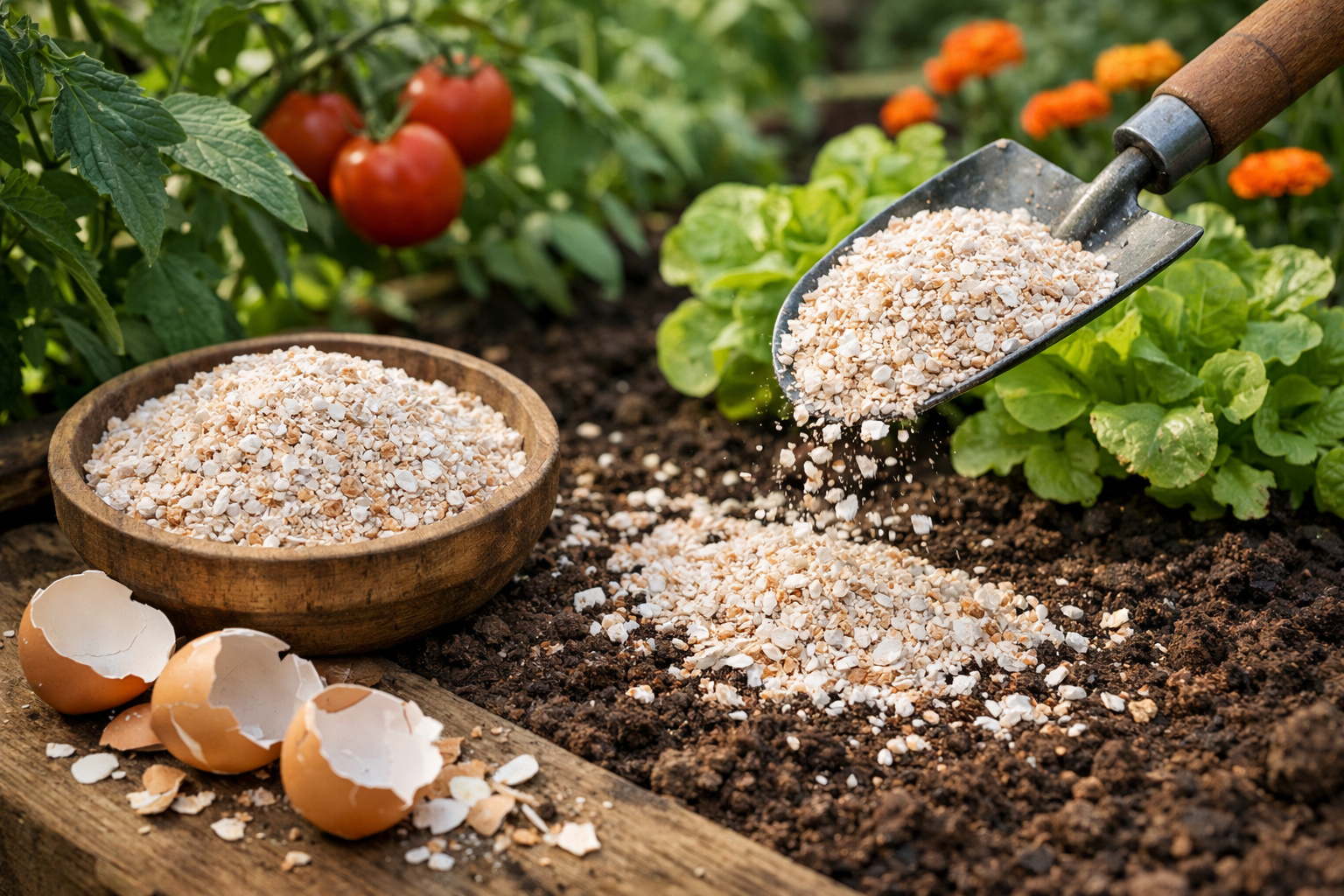
The eggshell that almost everyone throws away is made up of about 95% calcium carbonate and can help enrich the soil when crushed, slowly releasing nutrients and being reused in home gardens and vegetable patches.
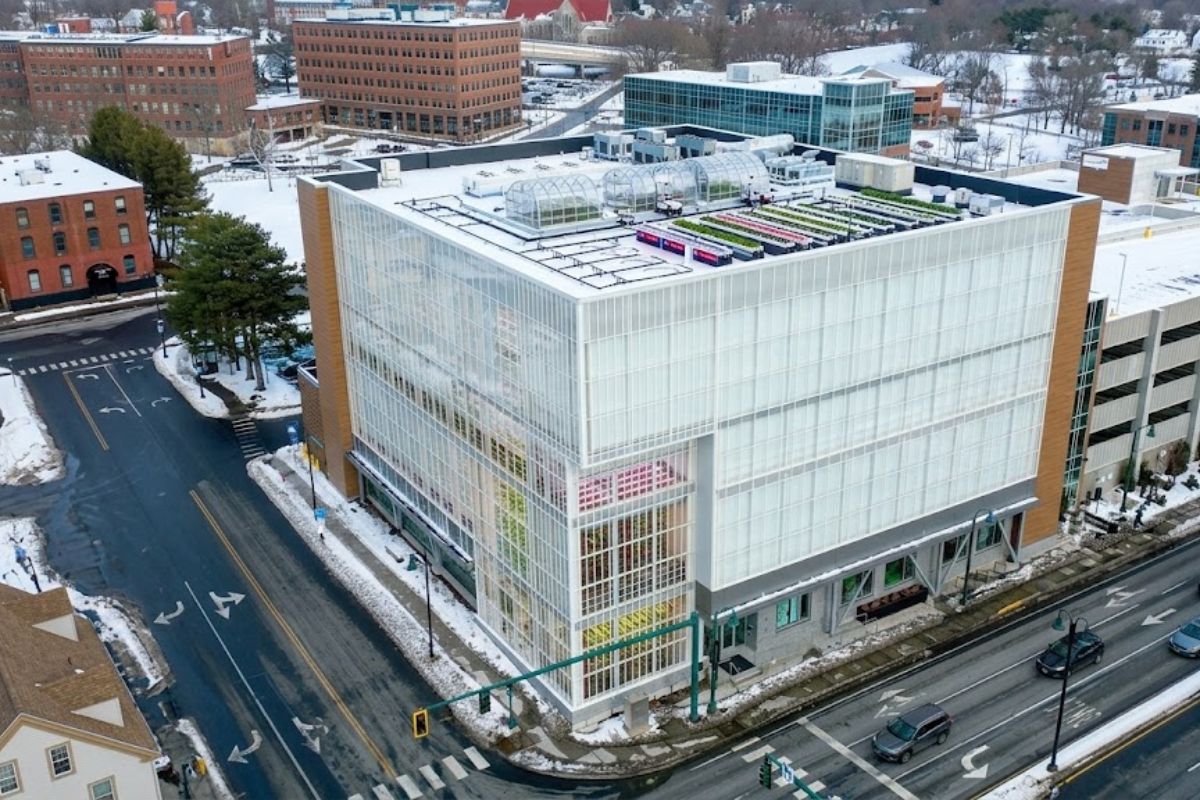
This farm in the United States does not use sunlight, does not use soil, and produces 500 times more food per square meter than traditional agriculture: the secret lies in 42,000 LEDs, hydroponics, and a system that recycles even the heat from the lamps.
The water that almost everyone throws away after cooking potatoes carries nutrients released during the preparation and can be reused to help in the development of plants when used correctly at the base of gardens and pots, at no additional cost and without changing the routine.

The Generation That Did Not Come Home and the Succession Crisis with Farmers
From 2002 to 2007, the number of American farmers aged 55 and older increased by 17%, while the number of farmers under 45 decreased by nearly 21%. The math is cruel: older farmers are “aging out” of the business and are not being replaced.

The problem is not just demographic; it’s structural. While 69% of surveyed family farms expect ownership to continue to the next generation, only 23% have a succession plan. Worse still: 53% of farm owners planning to retire have no succession plan, and only 19% have a successor currently working on the farm.
“My children ask me: ‘Dad, why don’t you sell everything and retire?’”, says Miller. “But who would I sell it to? To a corporation? That’s not what my grandfather wanted when he bought this land.”
The Invisible Cost of the Succession Crisis with Farmers
The transfer of a farm is not like handing over the keys to a car. It’s a complex process involving millions of dollars in assets, generational debts, estate taxes, and the difficult task of dividing ownership among heirs who want (and those who do not want) to continue in farming.


Less than 33% of family businesses survive the transition from the first to the second generation, and only half of those manage to transition from the second to the third generation — meaning that only about 16.5% of family businesses survive to the third generation.
The financial barriers are enormous. The US lost over 140,000 farms between 2017 and 2022, and the average size of farms grew by 20 acres, pushing more operations into the range affected by federal inheritance taxes.
For young people looking to enter farming, the landscape is even more challenging. The cost of equipment, land, and inputs has become prohibitive. A single modern combine can cost US$ 500,000. Farmland in productive states like Iowa can cost US$ 10,000 per acre. For a 30-year-old with no inheritance, starting a viable farm would require millions of dollars in initial capital.
The Exodus to Cities
Sarah Thompson, 28, grew up on a dairy farm in Wisconsin. She loves the land, but will not return to take over the family business.
“My father works 80 hours a week and barely makes ends meet,” she explains. “I have a marketing job in Chicago. I earn well, have flexible hours, and health insurance. How can I go back to work twice as hard for half the pay?”
Approximately 10% of all farmland (93 million acres) is expected to be transferred during the 2015-19 period, of which most (6%) will change hands through gifts, trusts, or wills. But out of all the land expected to be transferred, only about a quarter (21 million acres) will be sold among unrelated parties.
This means that most land remains “in the family,” but often in the hands of heirs who have no interest in farming it. Retired farmers account for 38% of non-operating farmland owners, creating a growing class of “absentee owners” leasing land to other farmers.
The Dilemma of America
The succession crisis is not just a problem for rural families; it is a matter of national security. The US recorded agricultural exports of US$ 176 billion in 2024, remaining the second-largest exporter of agricultural products in the world, behind only the European Union.
Family farms account for 96% of all farms in the US, but this century-old model is at risk. The 2022 Agricultural Census showed that the total number of farms fell below 2 million for the first time recorded, and farmland now totals only 880 million acres, the lowest amount since 1850.
“If we lose one more generation of farmers, we will not be able to recover,” warns Robert Hansen, agricultural economist at the University of Iowa. “You do not create a farmer overnight. It takes decades of accumulated knowledge.”
Signs of Hope?
There are some lights at the end of the tunnel. Just over 1 million of the 3.4 million producers in 2022 are beginner farmers, defined as those operating a farm for no more than 10 consecutive years. The average age of these beginner farmers is 47.1 years, 11 years younger than the national average.
Additionally, there has been a 7% increase in farmers under 44, with the biggest jump among the youngest producers, those under 25.
But these numbers are still insufficient to offset the exodus of young people from rural areas and the impending retirement of hundreds of thousands of older farmers.
What Is at Stake
Back in Iowa, John Miller still wakes up before dawn, still checks the weather obsessively, still worries about corn prices. But now he also worries about something that his grandfather never imagined: who will take care of this land when he can no longer?
“This land has fed my family for 130 years,” he says, looking at the fields that will soon be ready for planting. “It has fed the country. But I don’t know if it will feed my grandchildren.”
The question is not just who will inherit American farms. It’s whether there will be anyone to inherit them and what will happen to the food security of a nation when the answer is “no.”










-

-

3 pessoas reagiram a isso.