





 Portuguese
  English
  Spanish
 5 min of reading
  1 comment


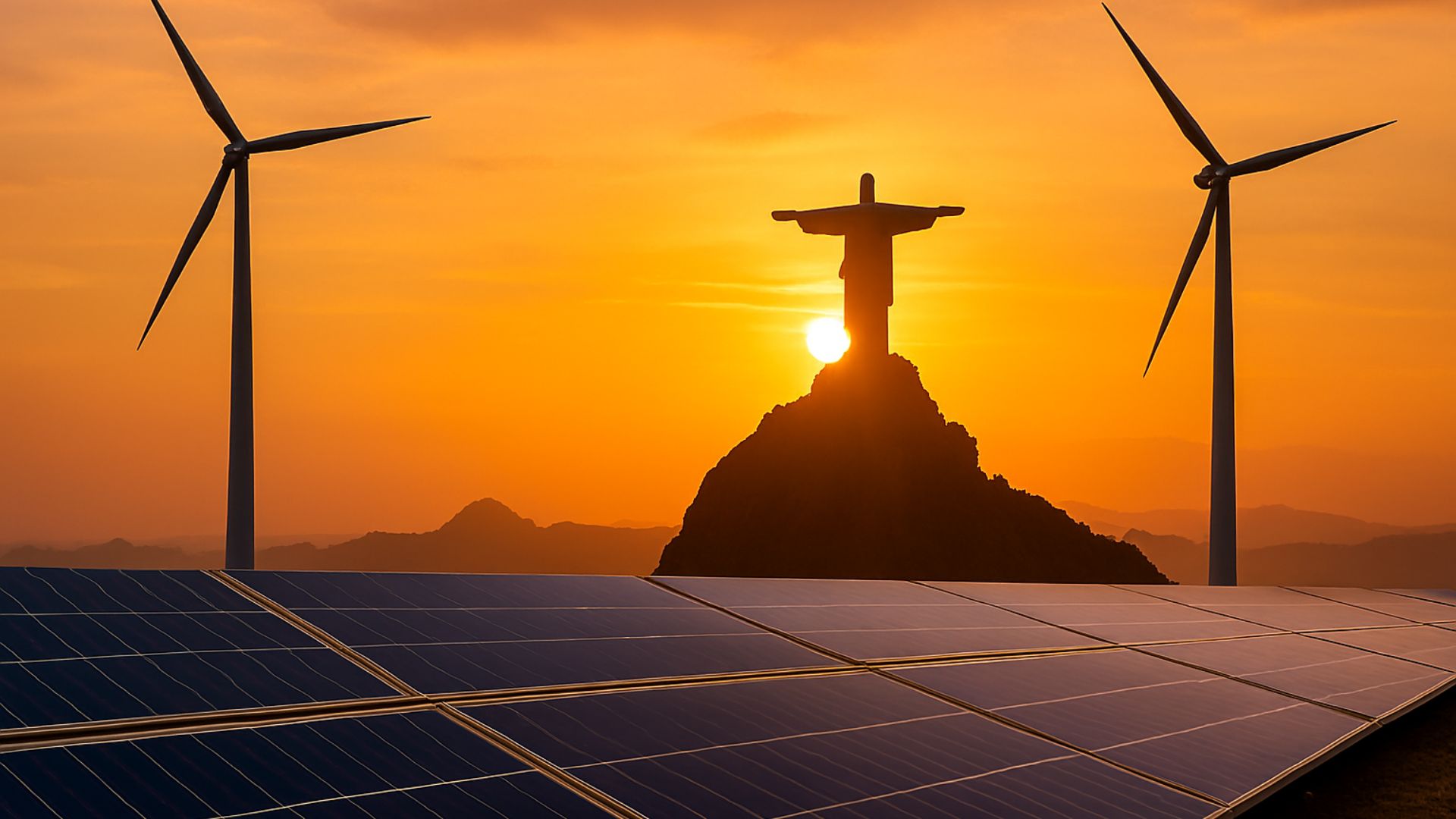

FIRJAN Predicts Historic Progress in the Energy Sector of Rio de Janeiro, with New Renewable Projects and Billion-Dollar Investments Driving Jobs, Innovation, and Regional Competitiveness
This Thursday (23), the Federation of Industries of the State of Rio de Janeiro (FIRJAN) presented an ambitious and strategic study: R$ 1 trillion in energy investments by 2035, focusing on renewable sources and sustainable infrastructure.
According to a report from O Globo, the announcement occurred during the FIRJAN Journey for Energy Transition in Industry, an event that brought together specialists, entrepreneurs, and authorities to discuss the energy future of the State.
Energy Investments and Energy Transition in Rio de Janeiro
According to the “Horizon 2035+” study prepared by FIRJAN, 40% of the funds will be allocated to renewable sources such as solar, wind, and biogas. The rest will be applied to infrastructure projects, modernization of the energy matrix, and technological innovation.
-
The Brazilian state accelerates industrial competitiveness with a focus on the extraction of strategic minerals to boost the energy transition in Goiás.
-
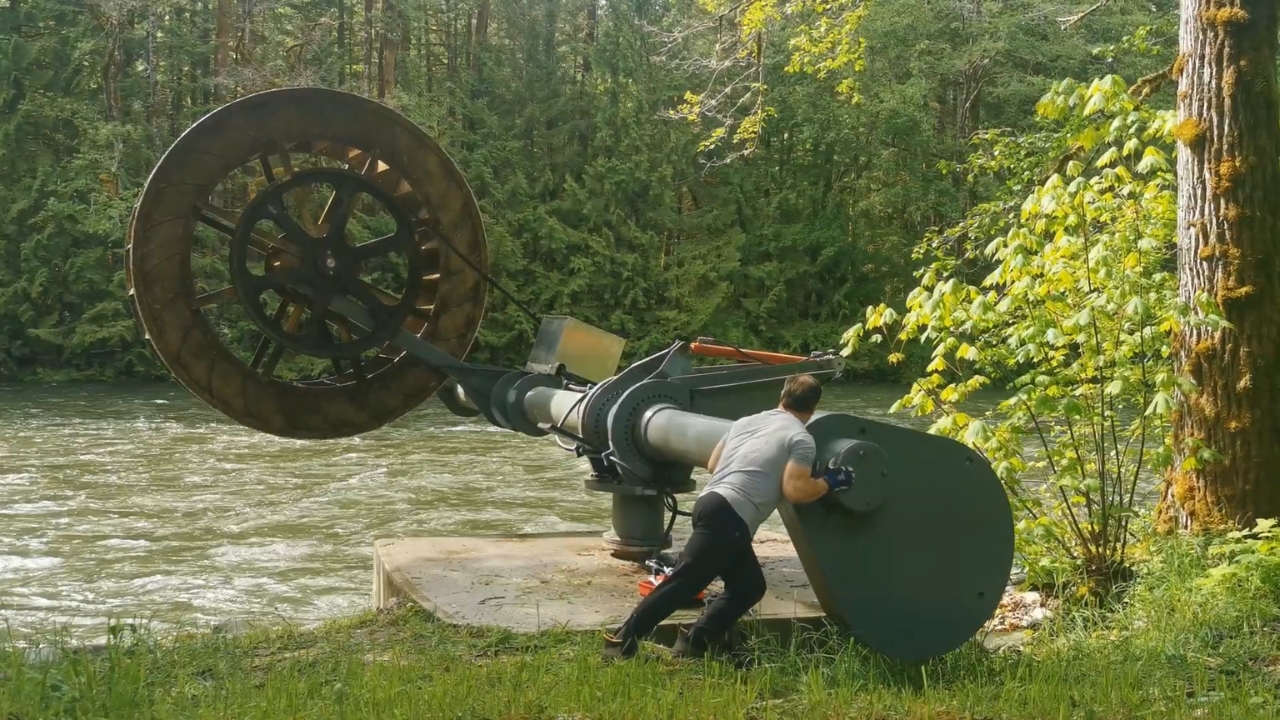
A Canadian retiree creates a hydroelectric system on a real river, generating energy continuously throughout the day and demonstrating how the power of water can supply a house with stability even in a simple structure.
-
Petrobras reaffirms its commitment to the market and ensures that it will carry out the energy transition safely to maintain national sovereignty.

-
Researchers discover a possible hydrogen deposit of up to 46 million tons beneath an ancient coal basin, and the volume could exceed half of the entire global production.


FIRJAN emphasizes that Rio de Janeiro has strategic potential to lead the energy transition in Brazil. The State has natural conditions, industrial capacity, and human capital to attract large projects. The goal is to transform Rio into a hub for clean and sustainable energy, generating jobs, income, and regional development.
Among the main axes of the plan are:
- Expansion of solar and wind generation, including offshore projects.
- Incentive for green hydrogen production.
- Modernization of electrical infrastructure.
- Development of technologies for carbon capture and storage.
These actions aim to reduce dependence on fossil fuels and increase the share of renewables in the energy matrix of Rio de Janeiro.
FIRJAN Study: Rio de Janeiro as a Protagonist in Renewable Energy
The FIRJAN study points out that Rio de Janeiro can benefit from its geography and climate to expand solar and wind energy generation. Regions such as Northern Fluminense and Costa Verde have high potential for the installation of solar parks and wind turbines.
Furthermore, the State already has port and industrial infrastructure capable of supporting large-scale projects, such as offshore wind farms. The combination of natural resources and technical capacity makes Rio one of the leading candidates to lead the energy transition in the country.
Of the projected R$ 1 trillion, a significant portion will be allocated to infrastructure. This includes:
- Expansion of the transmission and distribution network.
- Construction of smart substations.
- Digitization of the electrical system.
- Integration of intermittent sources with storage systems.
Modernization of infrastructure is essential to ensure energy security and operational efficiency, as well as allowing for sustainable demand growth.
Energy and Industry: Synergy for Economic Development
FIRJAN emphasizes that investments in energy will have a direct impact on the Fluminense industry. With access to cleaner and cheaper sources, companies will be able to reduce costs, increase competitiveness, and meet environmental requirements.
Additionally, the energy transition opens up opportunities for new sectors, such as:
- Renewable generation equipment industry.
- Specialized energy efficiency services.
- Research and development in clean technologies.
This synergy between energy and industry is seen as a driver of the State’s economic growth.
Sustainability and Innovation as Strategic Pillars
The FIRJAN plan also includes actions aimed at sustainability and innovation. Among them:
- Professional training for emerging sectors.
- Tax incentives for companies that adopt sustainable practices.
- Partnerships with universities and research centers.
- Creation of technological hubs focused on clean energy.
Innovation will be crucial to accelerate the energy transition and position Rio de Janeiro as an international reference.
The Role of Green Hydrogen in Energy Investments
One of the highlights of the plan is the incentive for green hydrogen production, considered the fuel of the future. Rio de Janeiro has competitive advantages to lead this segment, such as:
- Abundance of natural resources for renewable energy generation.
- Proximity to industrial centers and ports.
- Potential for hydrogen export to international markets.
Green hydrogen can become one of the main vectors for decarbonization of the Fluminense economy, attracting investments and promoting innovation.
FIRJAN Study Points Out Regulatory and Financial Challenges
Despite the potential, the project faces significant challenges:
- Need for clear regulations for new technologies.
- Ensuring financing for long-term projects.
- Overcoming bureaucratic and environmental obstacles.
FIRJAN advocates the creation of a stable and transparent regulatory environment that encourages private sector participation and facilitates the attraction of national and foreign capital.
Regulatory predictability is essential to enable energy investments and guarantee the implementation of the plan by 2035.
Social Impact and Job Creation in Rio de Janeiro
In addition to economic and environmental benefits, investments in energy will have a direct impact on job creation and social inclusion. FIRJAN estimates that the plan could generate thousands of new direct and indirect jobs over the next decade.
These opportunities will be concentrated in areas such as:
- Construction and operation of renewable plants.
- Maintenance of electrical infrastructure.
- Technological research and development.
- Professional training and qualification.
The energy transition can also be a social transition, promoting inclusion and reducing regional inequalities.
Comparison with Other States and National Projections
The FIRJAN plan places Rio de Janeiro in a prominent position in the national scenario. While other states are also advancing in clean energy projects, the volume of projected investments for Rio is among the largest in the country.
According to data from the Decennial Energy Expansion Plan (PDE), Brazil is expected to invest around R$ 3.2 trillion in energy by 2034. Rio de Janeiro alone is projected to account for a significant portion of that total, reinforcing its strategic importance.
Additionally, the State could become a reference for other regions, sharing best practices and attracting international partnerships.
Paths to a New Cycle of Development According to FIRJAN
The announcement from FIRJAN represents a milestone in the energy history of Rio de Janeiro. With R$ 1 trillion in energy investments by 2035, the State positions itself as a protagonist in the national energy transition.
The bet on renewables, sustainable infrastructure, and innovation creates a favorable environment for economic, social, and environmental development.
Energy will be the engine of the future for Rio de Janeiro. With planning, partnership, and strategic vision, Rio de Janeiro can become a world reference in sustainability and energy efficiency.









Great article! I really appreciate the clear insights you shared – it shows true expertise. As someone working in this field, I see the importance of strong web presence every day. That’s exactly what I do at https://webdesignfreelancerhamburg.de/ where I help businesses in Hamburg with modern, conversion-focused web design. Thanks for the valuable content!