





 English
  Francês
  Alemão
  Italiano
  Japonês
  Norueguês
  Portuguese
  Spanish
  4 min of reading
  0 comments


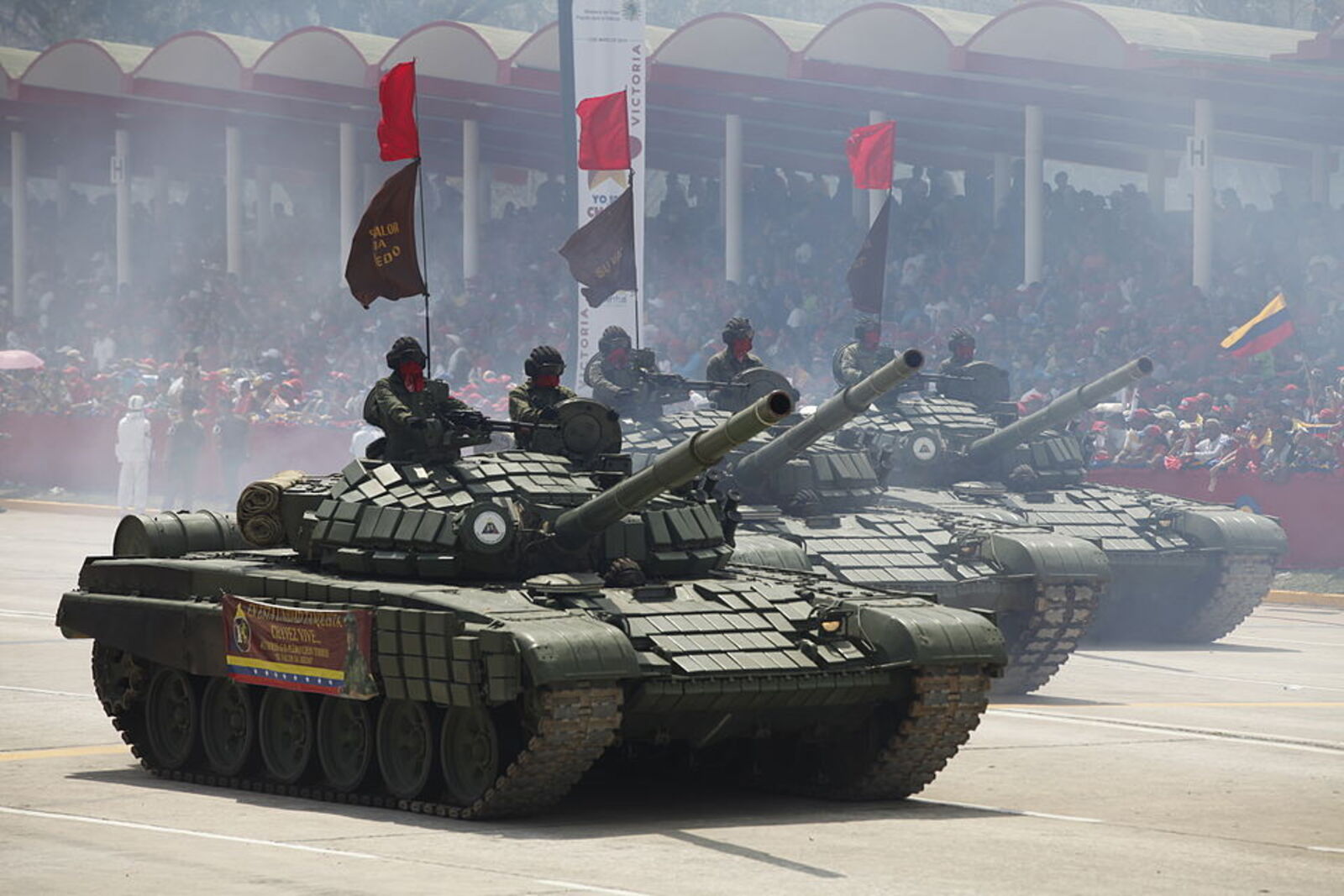
Donald Trump’s Order Sent American Troops and Ships to the Venezuelan Coast, Escalating Military Disputes and Provoking Immediate Reactions from Nicolás Maduro’s Government
The military movement of the United States in South America has drawn attention again this week. By order of President Donald Trump, about 4,000 soldiers were dispatched to strengthen the fight against drug trafficking on the Venezuelan coast.
The White House accuses Nicolás Maduro of leading an international cartel responsible for sending drugs — including fentanyl — to the US.
This decision has reignited the debate over the military power of both countries. The numbers show a chasm between the armed forces of Washington and Caracas, although Venezuela maintains consistent investments in defense.
-
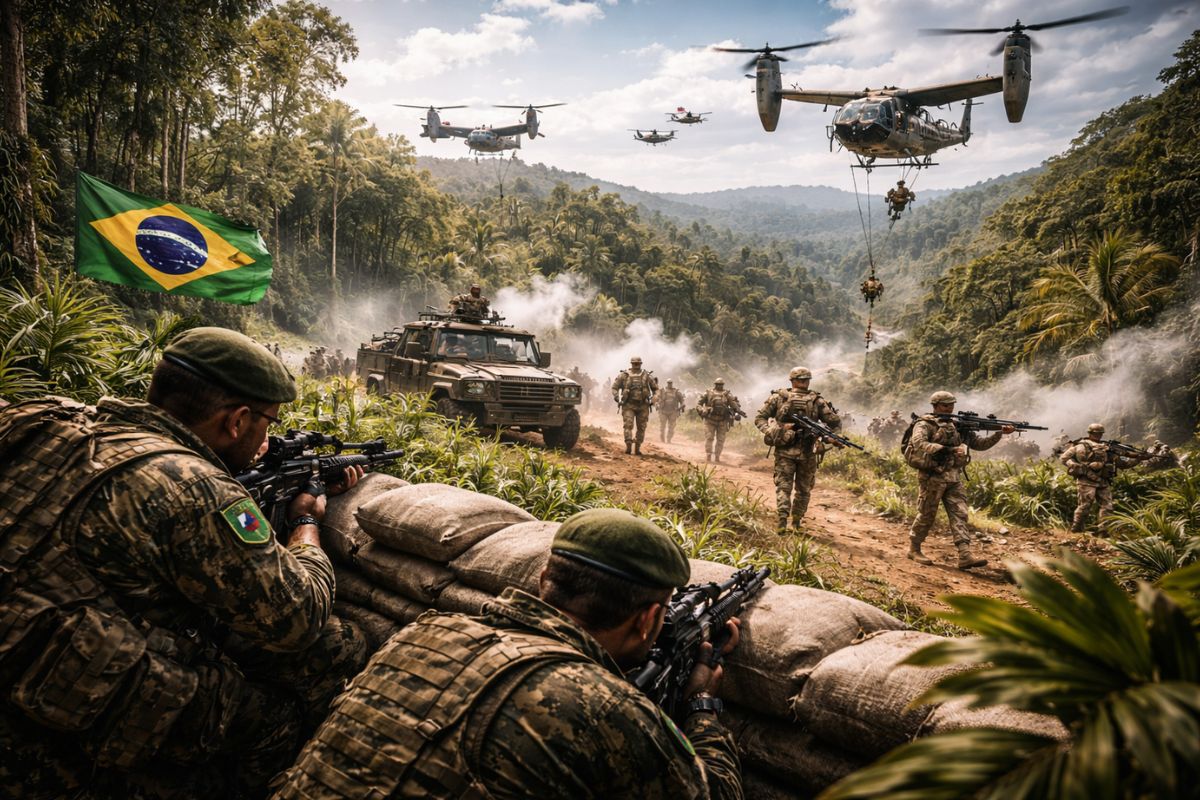
If the USA were to go to war with Brazil, Washington’s greatest fear would not be the attack itself, but facing a vast territory, prolonged resistance, and a costly, chaotic, and unpredictable occupation.
-
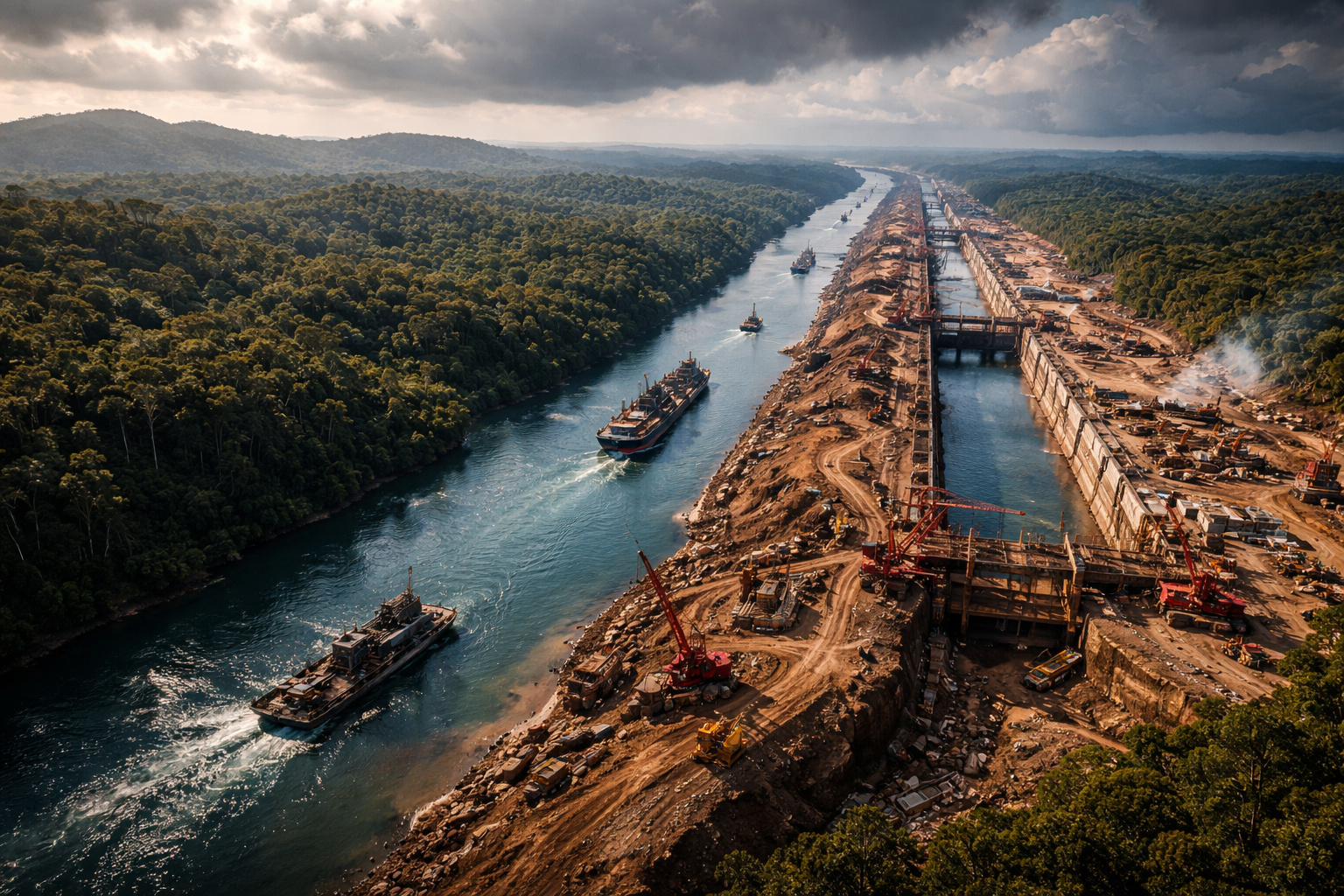
In 2013, Nicaragua sold the concession for a canal to rival Panama to a Chinese billionaire who lost 85% of his fortune, disappeared, and was declared bankrupt. Now the project resurfaces with a new route, a new Chinese partner, and a cost of $64.5 billion.
-
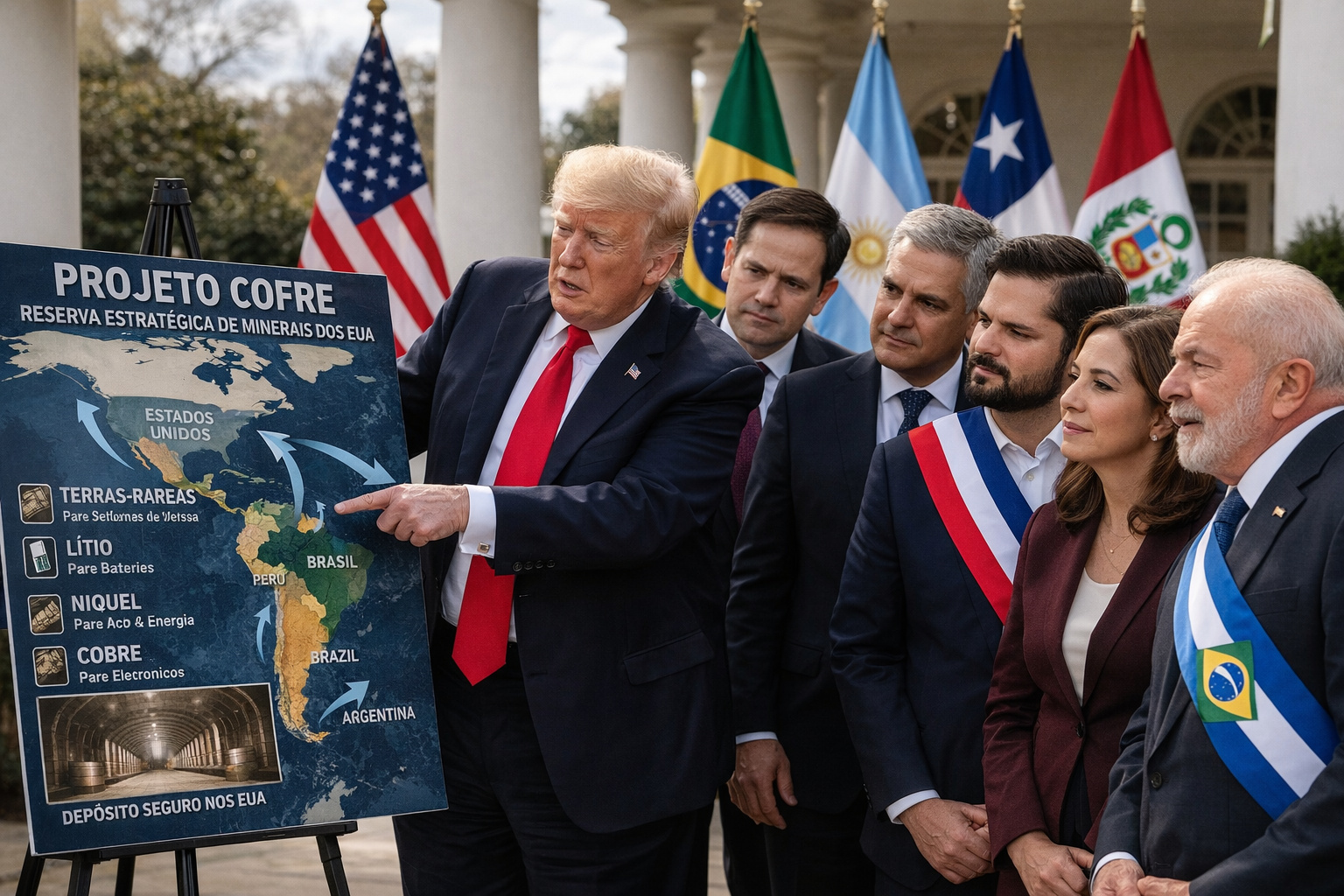
The USA announces a mysterious billion-dollar vault project to store critical minerals, but what intrigues experts is not just the plan itself, but why Latin America, including Brazil, has entered the center of this global dispute against China.
-
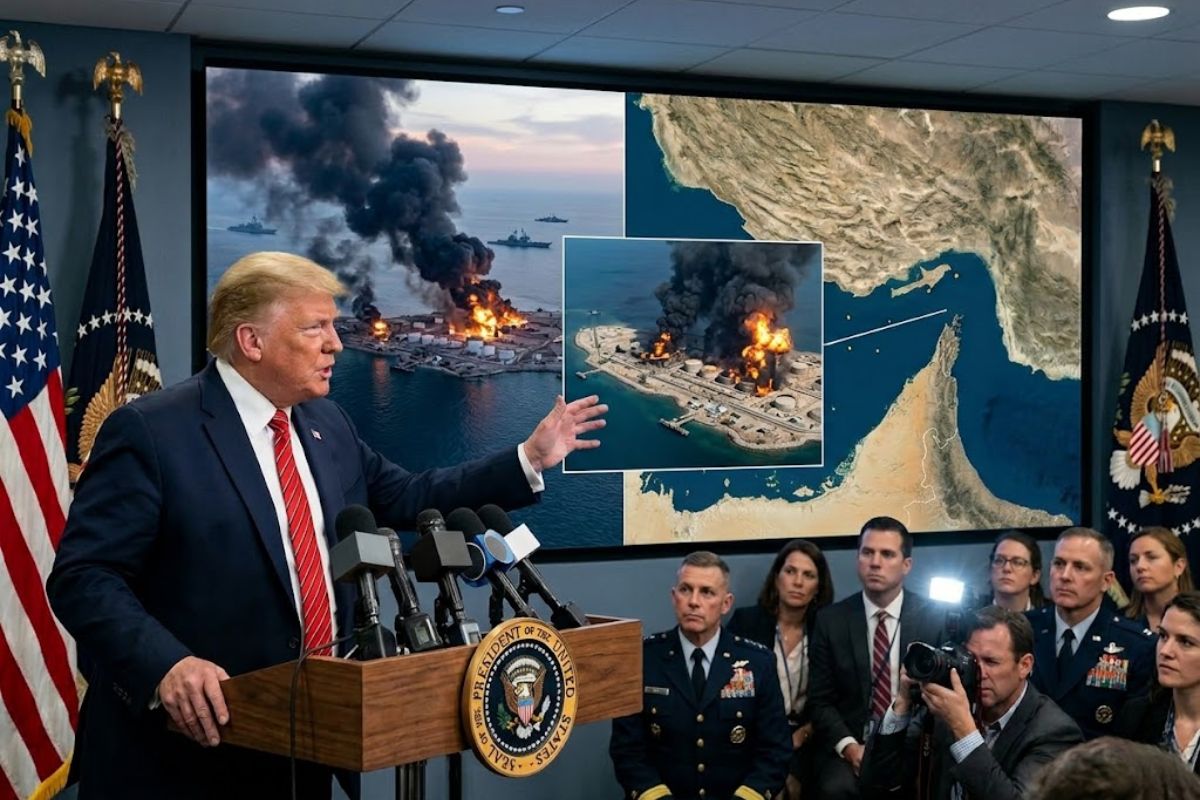
Trump Announces Bombing of U.S. Military Targets on Iranian Island Responsible for About 90% of Iran’s Oil Exports, Warns of Further Attacks if Navigation in Strategic Strait of Hormuz Is Threatened

American Military Power
According to the Global Firepower platform, the United States ranks first in the world in military power. The country has 1.3 million active-duty military personnel and reaches 2.1 million when including reserve members.
The air arsenal is impressive. There are more than 13,000 aircraft, with 9,700 in operational condition. This results from continuous investments in the military industry, which remains the most advanced on the planet.
On land, the country maintains over 4,600 tanks and about 391,000 vehicles prepared for operations. At sea, power increases further with 440 naval assets, including 70 submarines.
Another decisive point is the nuclear arsenal. According to the Federation of American Scientists (FAS), the US has 5,177 warheads, second only to Russia.
Venezuelan Forces
Venezuela shows much more modest numbers. The total contingent reaches about 337,000 military personnel, including active, reserve, and paramilitary forces.
The air fleet totals 229 aircraft, but only 126 are ready for immediate use. The land arsenal consists of 172 tanks and about 8,800 vehicles. Naval power is limited to 34 military vessels.
Despite the difference, the country continues to invest in defense. Data from The World Factbook, by the CIA, show military expenses ranging from 0.3% to 1.6% of GDP between 2020 and 2024. In 2024, the estimate points to 0.6%.
The security structure includes about 125,000 to 150,000 active military personnel, along with approximately 200,000 members of the Bolivarian Militias.
Created in 2007 by Hugo Chávez, the National Militia is now part of the Bolivarian National Armed Force (FANB) and includes about 5 million reservists, according to official data.
Origin of the Venezuelan Arsenal
Much of Venezuela’s military inventory is of Russian and Soviet origin, according to the CIA. In recent years, the country has also begun to acquire equipment from China and Iran.
Although it still maintains some old items from countries like France, Germany, Spain, the United Kingdom, and even the United States, the greater weight is from Moscow.
It is worth noting that since 2006, Washington has prohibited the sale and transfer of weapons to Caracas.
Recent Tension with the US
The arrival of three American destroyers in the region has increased tension. The USS Gravely, the USS Jason Dunham, and the USS Sampson — all equipped with the Aegis guided missile system — are expected to approach the Venezuelan coast.
Nicolás Maduro’s response was immediate. The president announced the mobilization of 4.5 million paramilitaries across the country, labeling the operation as a “direct threat” from the United States.
Washington, on the other hand, insists that the action aims to combat drug trafficking and pressure the Chavista government.
The White House spokesperson, Karoline Leavitt, stated that Trump will use “full force” against Maduro’s regime.
Presidential Order and Repercussions
According to Reuters, the American ships should approach Venezuela as early as this Wednesday. The action derives from an order signed by Trump on August 8, authorizing the Pentagon to use military force against Latin American cartels.
The decree classifies these groups as terrorist organizations, opening the door even for operations in territorial waters and foreign soil. This possibility raises legal questions and worries neighboring countries.
Repercussions in Brazil
Interlocutors from the Brazilian government are cautiously monitoring the movements. They emphasize that Venezuela has a border of over 2,000 kilometers with Brazil.
There is currently no concrete reaction in Brasília, but the assessment is that the United States may be preparing the ground for a military intervention in the neighboring country.
Therefore, even if the dispute is centered in Caracas, the escalation of tensions directly concerns the entire region.
With information from O Globo.





-

Uma pessoa reagiu a isso.