





 Portuguese
  English
  Spanish
  4 min of reading
  0 comments


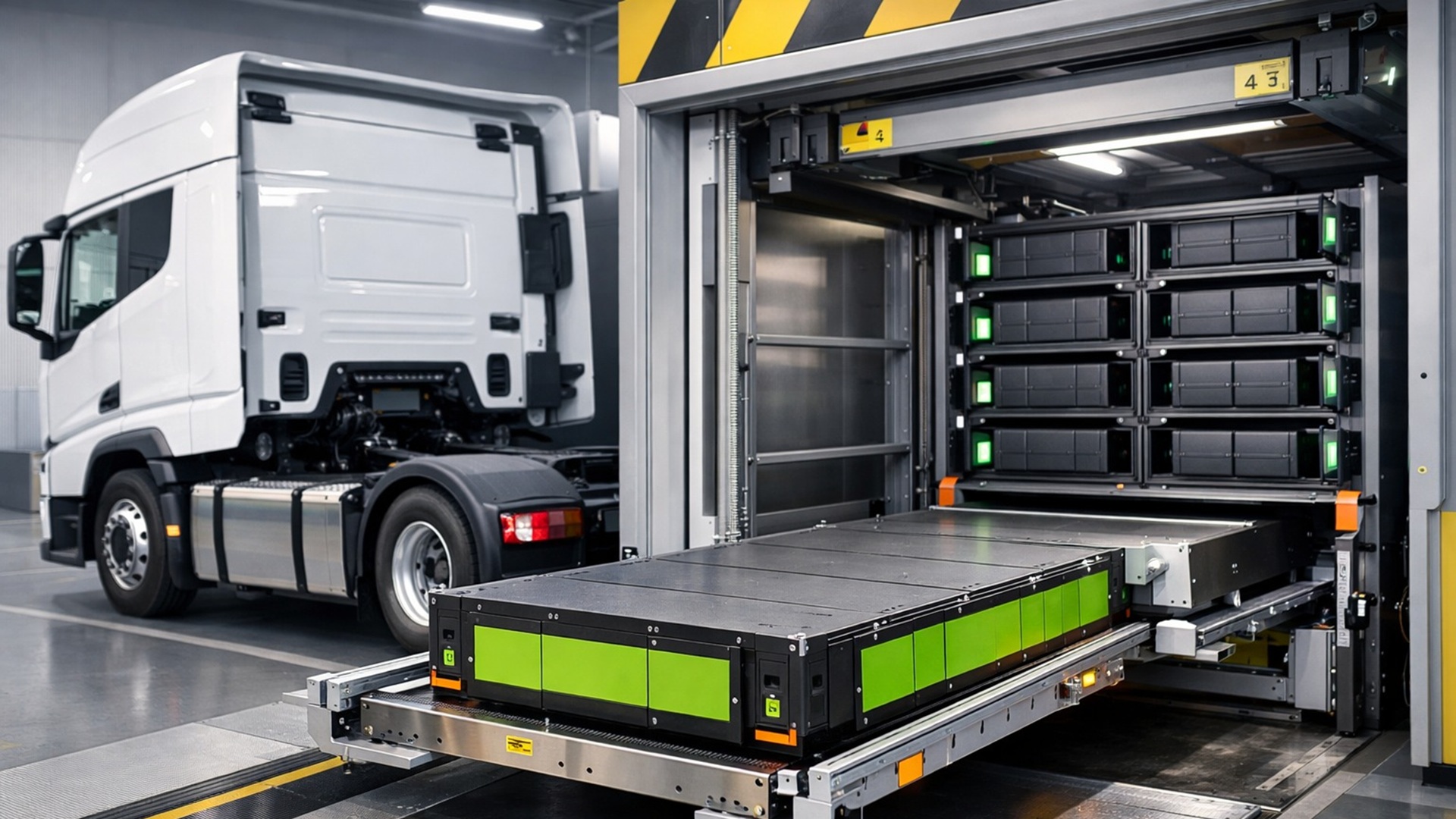
After five years of development and testing that began in 2020, the German project eHaul completed the first non-Chinese European battery swapping station for heavy electric trucks, capable of replacing sets in 10 minutes and with a technical goal of reducing the time to less than 5 minutes, clearing the way for standardization and commercial use on the continent.
The eHaul project concluded, after five years of development and testing in Germany, the first non-Chinese European battery swapping station for heavy electric trucks, with a current capacity for replacement in 10 minutes and a goal to reduce the process to less than 5 minutes, expanding the operational viability of electrified cargo transport.
Context of eHaul and Battery Swapping in Heavy Transport
Among the alternatives for charging electric vehicles, battery swapping remains underutilized, despite its operational advantages.
NIO consolidated this model in China, but its presence in Europe is still limited.
-
A French brand placed a car on four huge red balloons to prove that its suspension made the vehicle “float,” and the surreal scene became one of the most iconic and unusual images in automotive history.

-
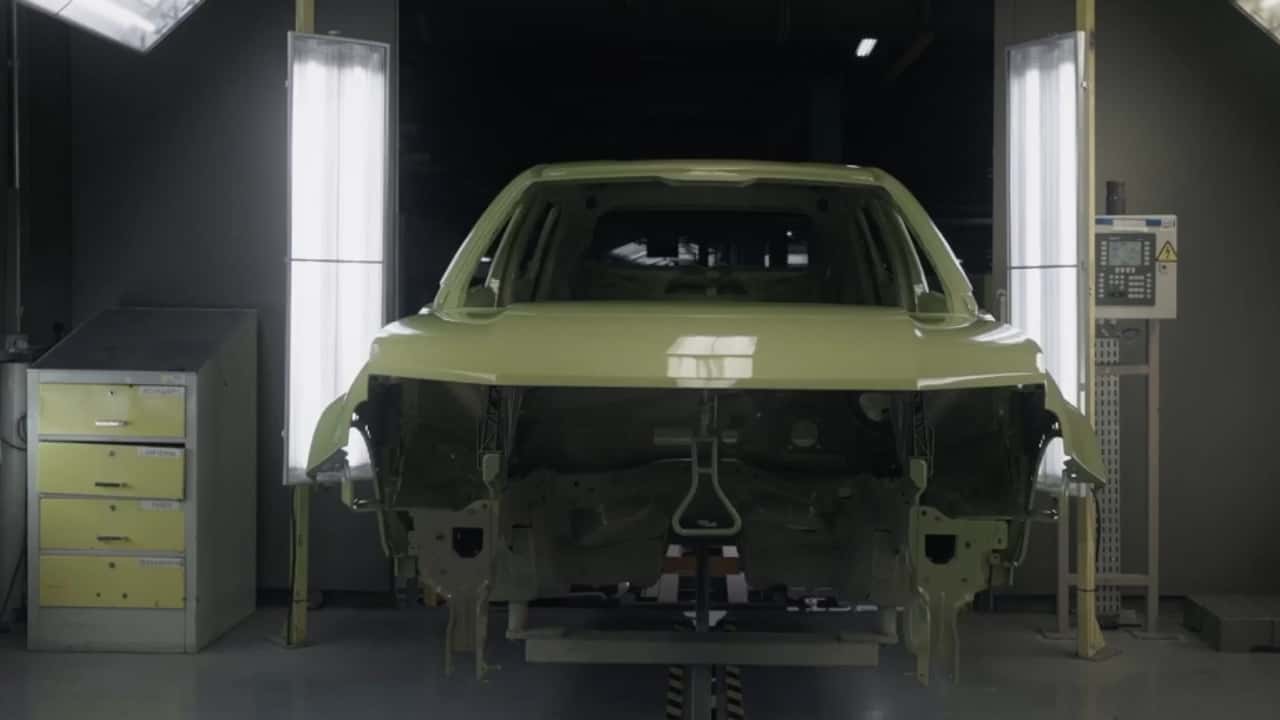
Jeep Avenger begins production in Brazil, debuting as the brand’s new entry-level SUV and inaugurating an unprecedented phase by becoming the first national Jeep manufactured outside of Goiana, as part of a R$ 3 billion plan.
-
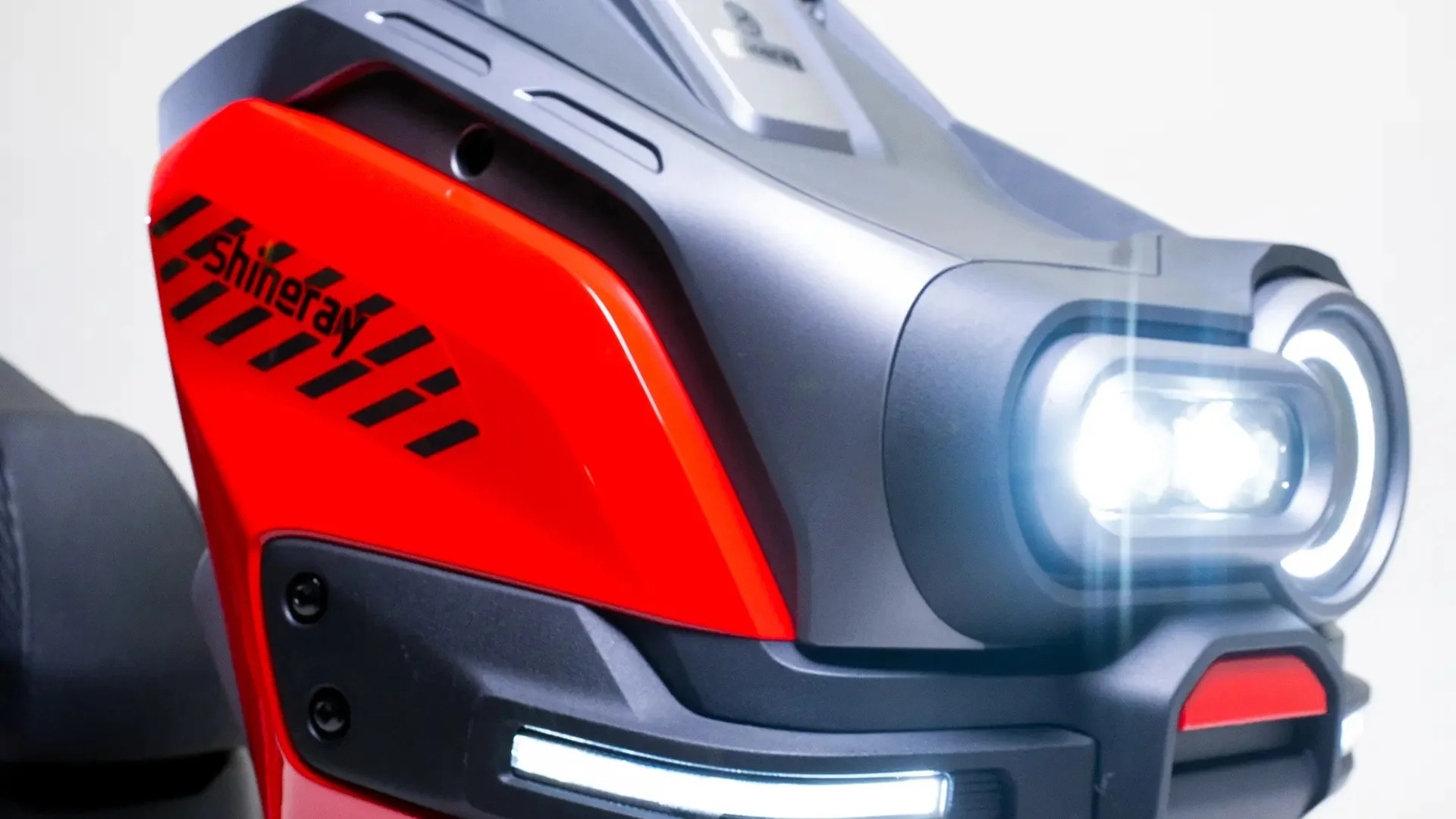
Costing R$ 12,490, the new Shineray Urban Lite 150 “cheap one” arrives in Brazil with a CVT transmission, digital dashboard, and LED lights, making it more affordable than the Biz and targeting those who want to abandon the bus.
-
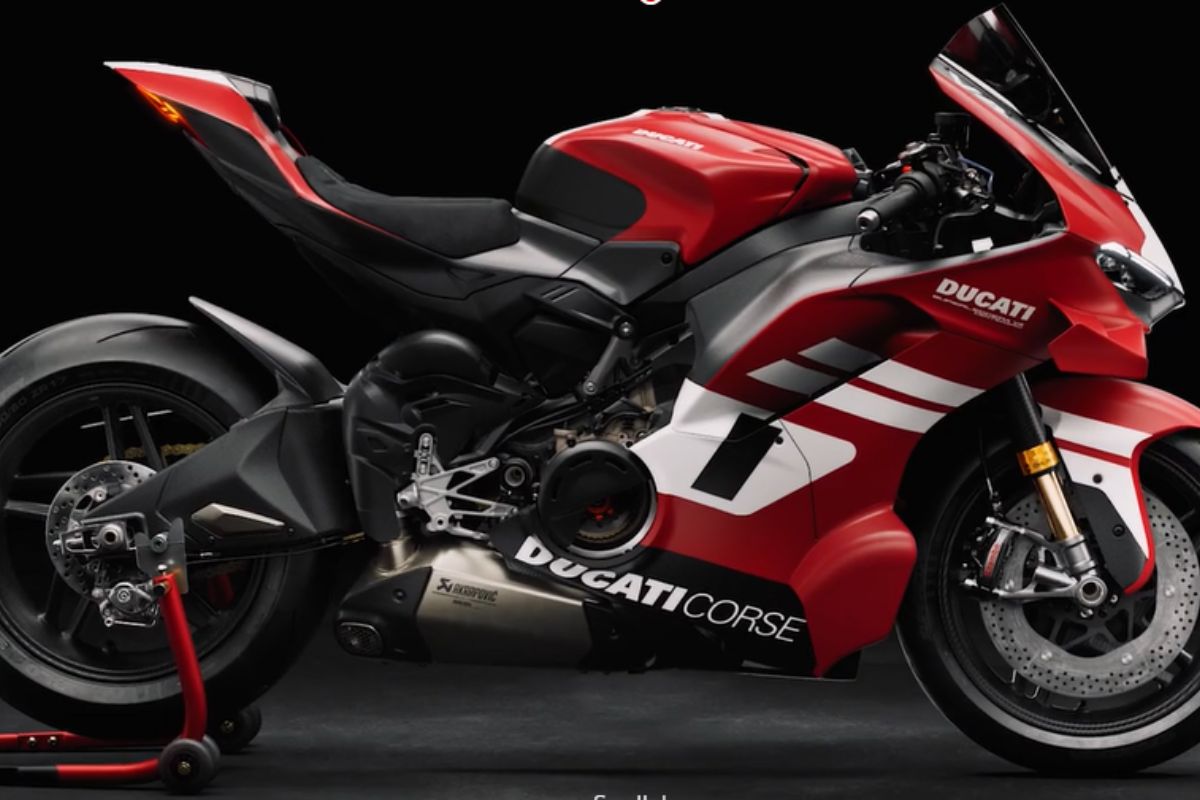
Ducati brings to Brazil the Superleggera V4 Centenario: 228 hp that become 247 with a track kit, carbon fiber and carbon-ceramic brakes, estimated price between R$ 1.5 and 2 million, deliveries only in 2027.

eHaul emerges as the first battery swapping station for heavy electric trucks outside the Chinese context, developed entirely in Germany.
The project started in October 2020, with an original three-year schedule for development and testing, aiming for a launch in 2023.
The COVID-19 pandemic caused delays related to suppliers and logistics, extending the timeline by one year.
Furthermore, the team decided to extend the practical phase from one to two years, resulting in a total cycle of five years until completion.
German Consortium and Development Approach
eHaul is the result of a German consortium led by TU Berlin, with participation from IBAR Systemtechnik, Reinert Logistics, Bosch, Unitax Pharmalogistik, and Urban Energy.
According to a statement from the university, the scientific coordination was under the responsibility of Dr. Stefanie Marker, senior professor of mobile energy storage in the Department of Electric Energy Storage Technology.
According to Marker, the project adopted an unusual approach in the sector. The prototype was initially subjected to continuous stress tests in the laboratory to assess its suitability for real-world use. Only after this stage was there a direct transition to practical application, which began in 2023.
The performance of this phase led to its extension by another two years, allowing for adjustments and maturation of the concept.
Practical Results and Evolution to Series Production
During the practical phase, the team collected operational data considered essential for the evolution of the system.
These lessons were incorporated into the development of the subsequent project, called UniSwapHD, aimed at adapting the concept for series production in collaboration with European truck manufacturers.
With the completion of the phase of development funded with public resources, the team believes that the system is ready for the commercialization stage.
All the learning was systematized for the creation of the battery swapping station considered version 2.0, with significant structural changes compared to the initial model.
Technical Changes and Reduction of Swapping Time
Among the main expected changes is the preference for swapping the batteries from the bottom of the truck instead of the side, as currently occurs.
According to the team, this configuration offers gains in speed, reliability, and compatibility with different heavy vehicle platforms.
Currently, the complete swapping process takes about 10 minutes. Although this time may seem high, it is significantly lower when compared to the time required to recharge high-capacity batteries used in electric trucks.
With the improvements implemented, the expectation is to reduce the total time to less than 5 minutes, increasing operational efficiency.
Wear, Software, and Profitability of Stations
The tests indicated that the most significant improvements focus on areas subject to greater wear, such as communication between the batteries and the station software, as well as the loading and unloading processes within the storage area.
Marker emphasizes that these operations are quick and independent of the available network connection, allowing for responses to unexpected demands for fully charged batteries.
The reduction of these times tends to make the system more convenient for users and, simultaneously, increase the profitability of the stations, allowing for greater turnover and better utilization of the installed infrastructure, even in scenarios of high operational demand.
Standardization and Environmental Impact of Heavy Transport
For Jens Jerratsch, leader of the UniSwapHD project, standardization is a decisive factor for the large-scale adoption of battery swapping in Europe.
According to him, normalization processes are strategic for the German and European industry, especially considering that similar systems are already widespread in China, where one-third of the new electric trucks registered since 2023 use this technology.
The focus on heavy transport is justified by the environmental impact of the sector.
In Germany, heavy goods vehicles account for nearly one-third of greenhouse gas emissions, despite representing only 3% of the total fleet.
The conversion of this segment to electrification, supported by solutions such as rapid battery swapping, can lead to a considerable environmental impact, accelerating emission reductions in road freight transport, even in the face of operational challenges still being consolidated.










-

-

-

-

-

-

29 pessoas reagiram a isso.