





 Portuguese
  English
  Spanish
  5 min of reading
  0 comments


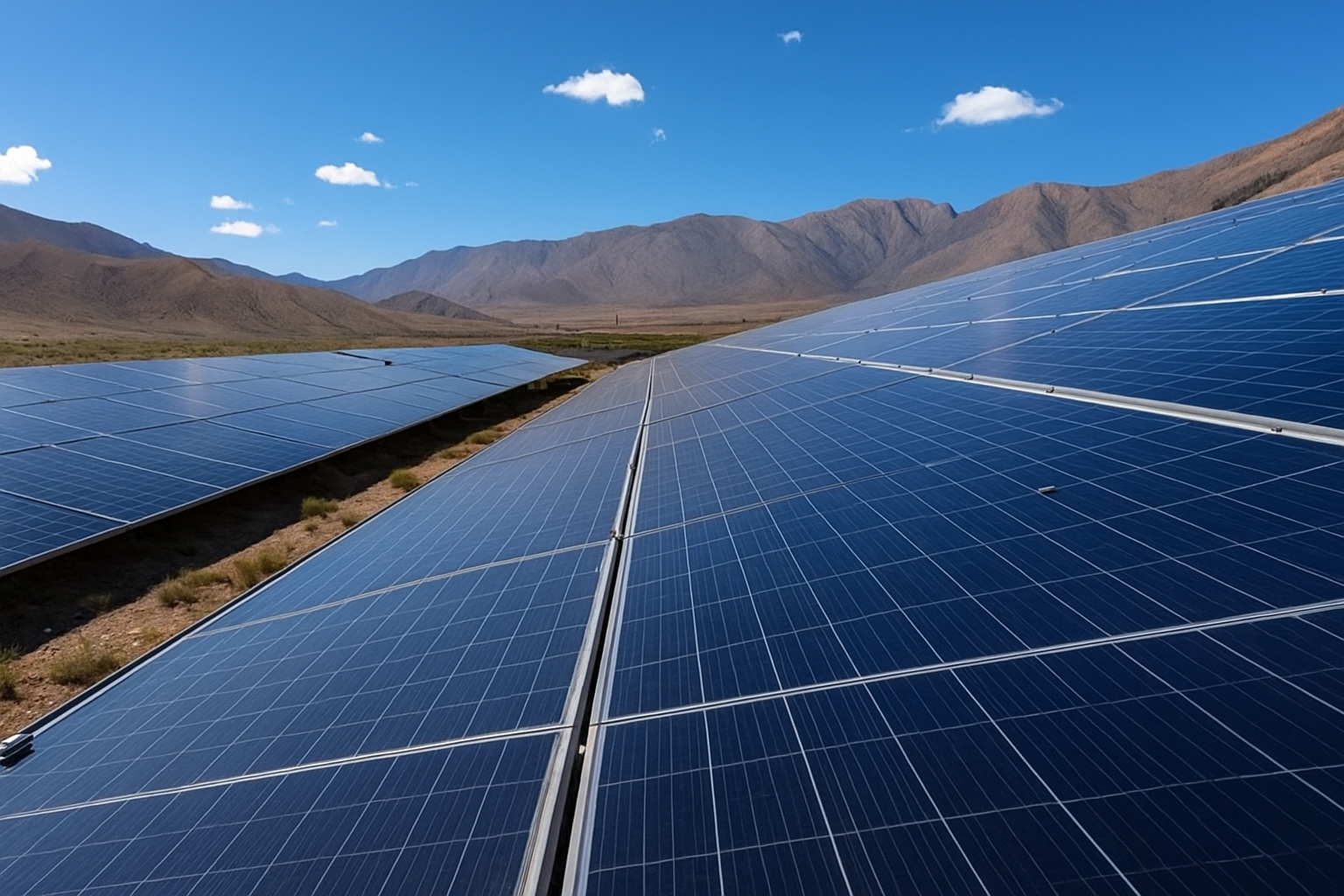
Learn How the Advancement of Renewable Energies Can Reduce CO2 Emissions Worldwide and Drive a Sustainable Energy Transition.
The expectation of a global reduction of CO2 emissions of up to 25% by 2029 shows how much the world is moving towards a cleaner and more balanced economy.
According to the report by Juniper Research, titled “Global Renewable Energy Technology Market 2024-2029”, the advancement of renewable generation technologies could decrease 2.4 gigatons (Gt) of carbon dioxide in just five years.
This volume is equivalent to the emissions from approximately 12 million Jumbo Jet flights between London and New York.
-
Seagri’s headquarters invests in solar energy with Neoenergia Coelba and promises to cut electricity costs, highlighting a strategic advance in sustainability and energy efficiency within state public administration.
-
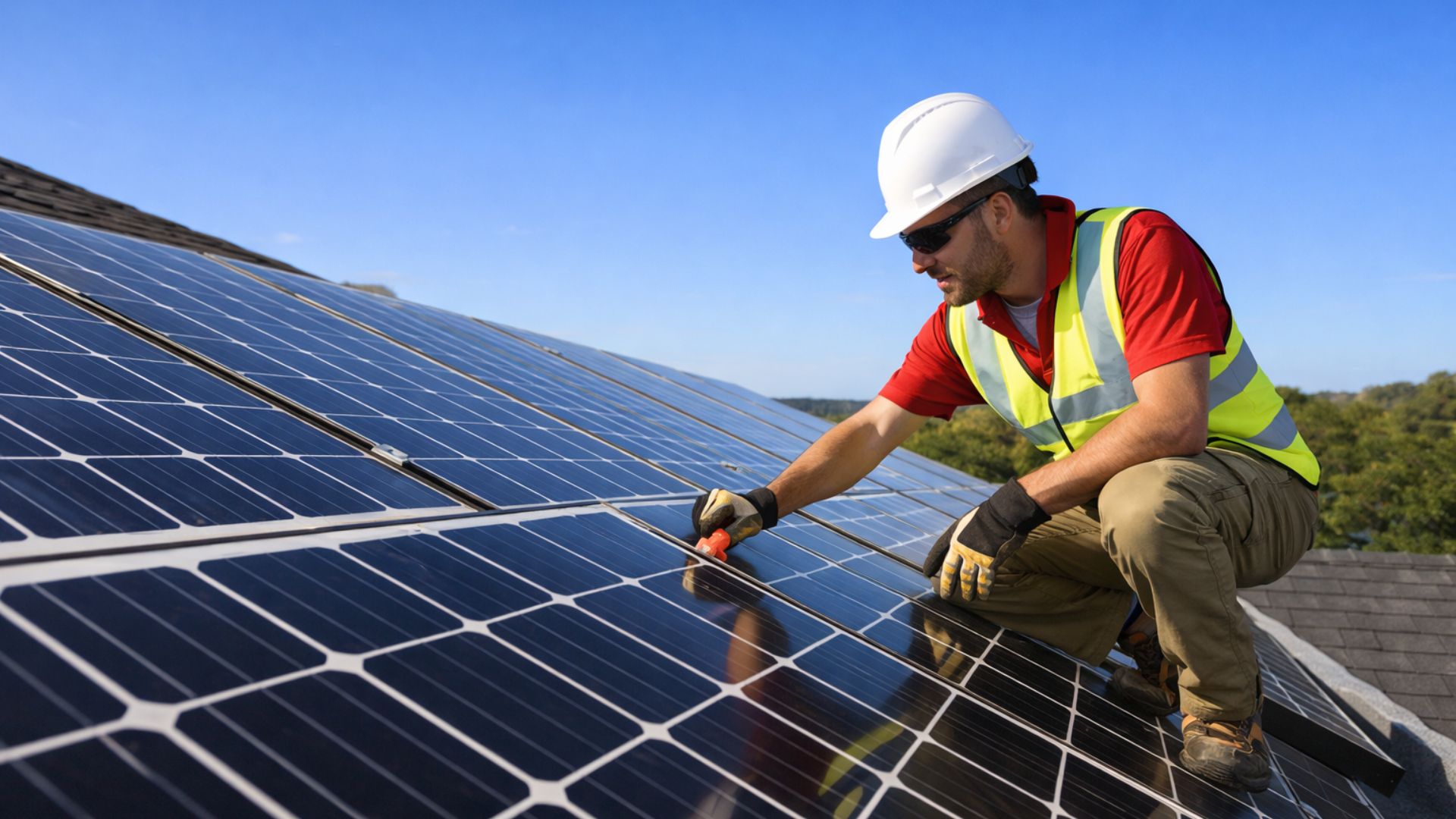
Solar Pyramid draws attention by converting solar energy into million-dollar savings and repositioning the City Hall of Curitiba as an example of innovation, sustainability, and intelligent use of public resources.
-
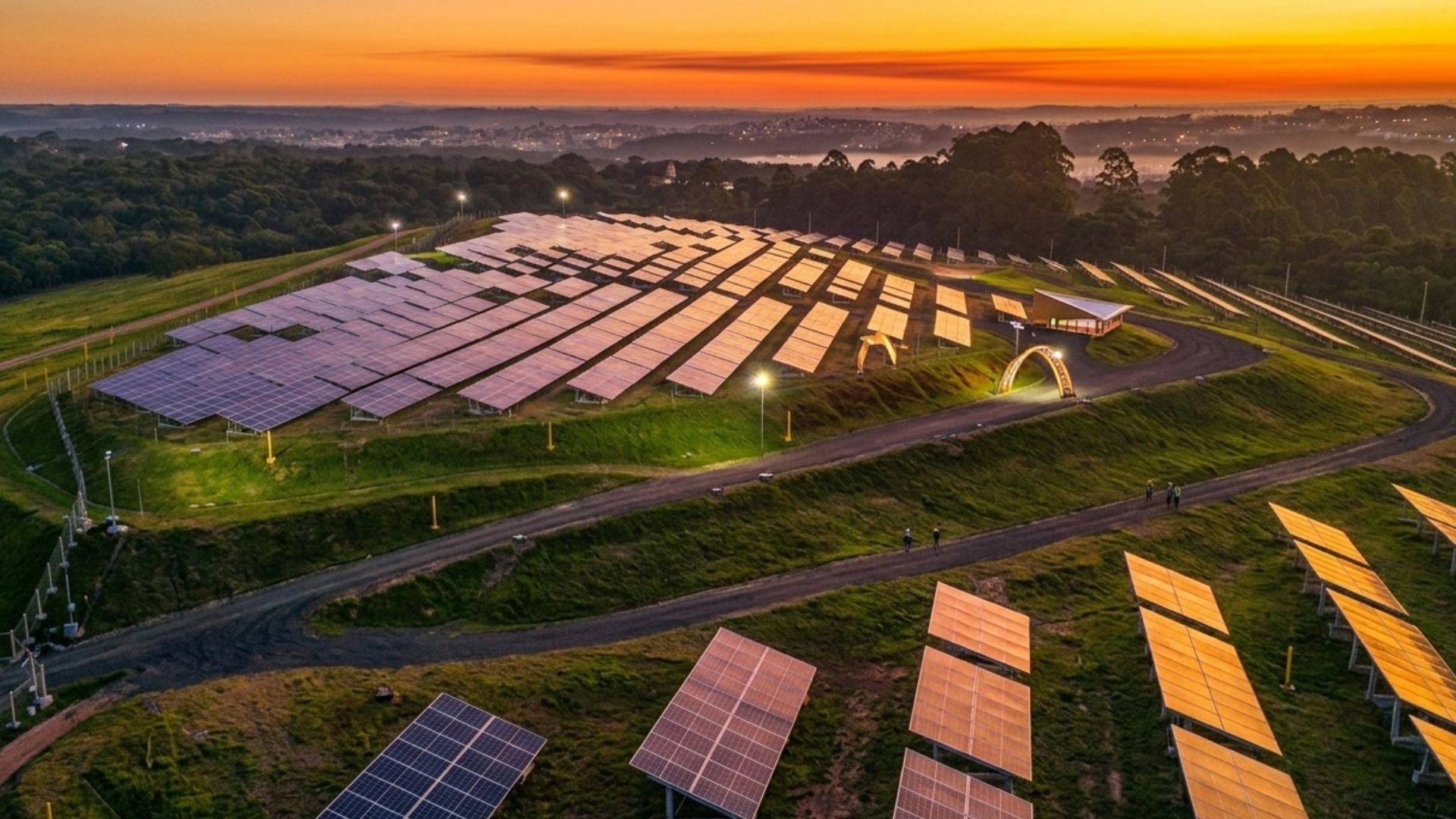
Europe records strong euro economy with solar energy in March and sparks curiosity about which country leads growth that redefines the energy market and reduces costs.
-
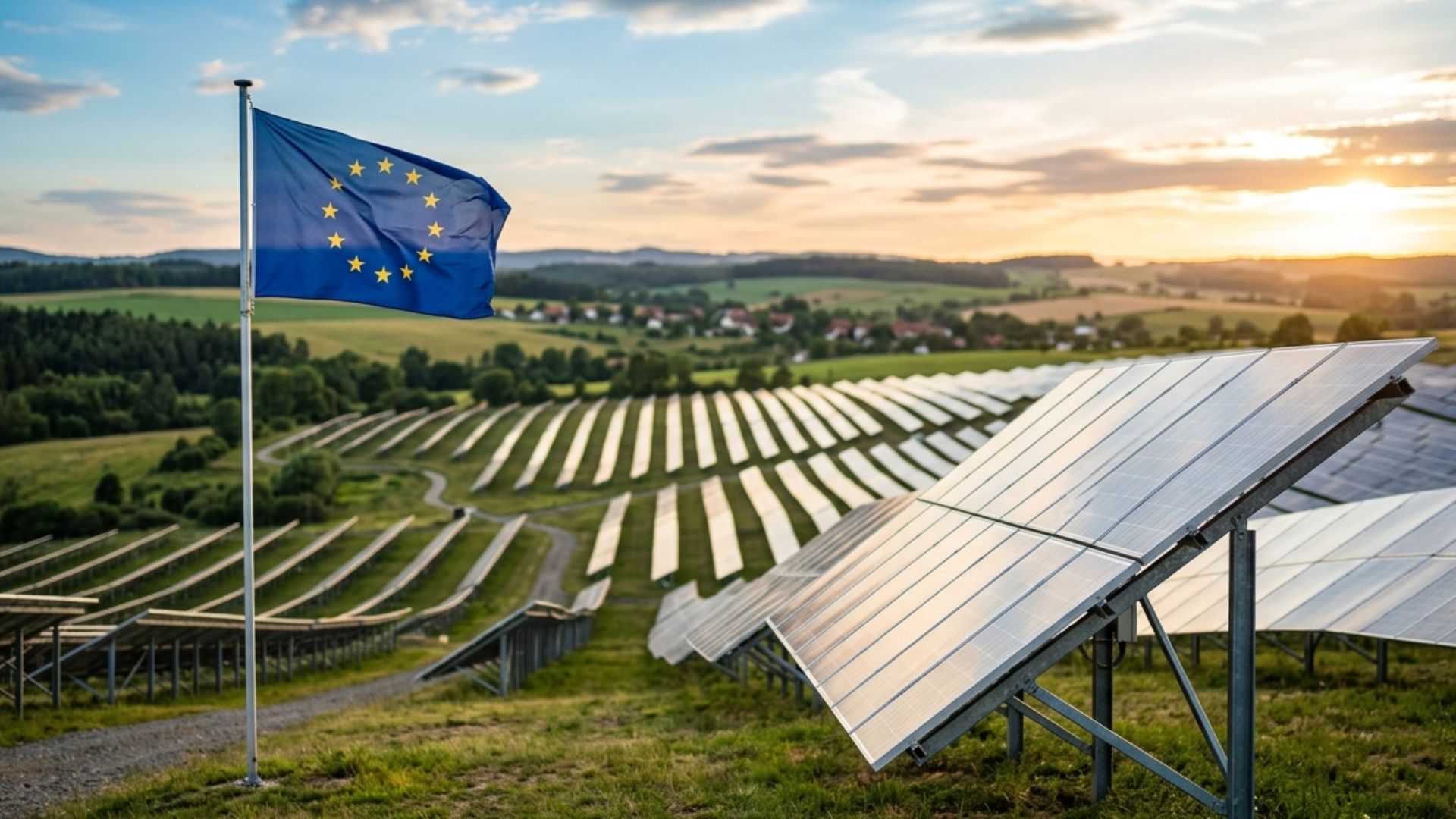
Piauí reaches a historic milestone in energy transition: State records nearly 160,000 households powered by solar energy and leads growth in the Northeast.
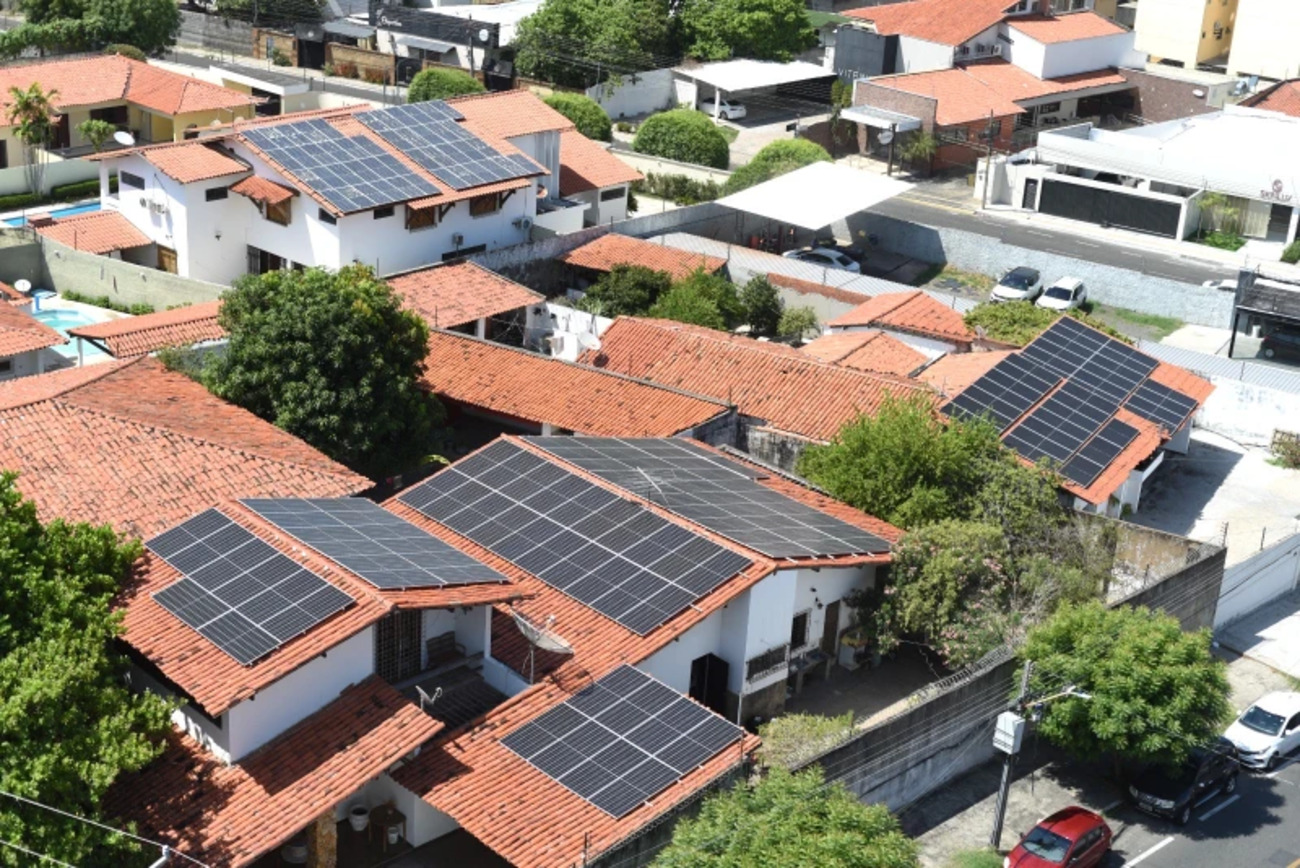

Furthermore, the study highlights that international agreements, such as the Paris Agreement, remain fundamental to keeping countries focused on carbon neutrality goals.
Since its signing in 2015, this treaty has driven public policies and private investments aimed at replacing fossil fuels with clean energy sources.
Over the past decades, awareness of the environmental impact of emissions has significantly increased.
In the 1990s, debates over global warming still encountered political and scientific resistance.
However, the beginning of the 21st century marked a decisive turning point, as the Kyoto Protocol and later the Paris Agreement consolidated global commitment to mitigating climate change.
Renewable Energies and the Race for Decarbonization
According to the report, technological advances in renewable energy generation can indeed change the global emissions landscape.
As countries reduce their dependence on fossil fuels, they begin to invest in solar, wind, and biomass energy to lessen their environmental impact.
This transition occurs not only for ecological reasons but also for economic reasons, as the cost of solar and wind energy has decreased by more than 80% over the past 15 years.
Moreover, the document emphasizes that the focus is not on a sharp increase in investments but rather on sustained growth and efficient energy management.
Thus, each nation seeks to expand its capacity for clean energy generation in a planned and sustainable manner, ensuring that the technological advancement aligns with economic stability.
In this way, developing countries like Brazil and India play a crucial role in this process.
Both have favorable natural conditions and a rapidly expanding energy base.
Brazil, for example, already produces more than 85% of its electricity from renewable sources, including hydropower, solar, and wind, placing it among the global leaders in clean energy.
On the other hand, India is rapidly expanding its solar and wind capacity, driving a transformation that combines technological innovation, job creation, and energy security.
Solar Energy: The Growing Force in Emission Reduction
Solar energy is expected to lead the reduction of CO2 emissions in the coming years.
The study projects that its contribution will increase 58% between 2024 and 2029, preventing the release of 0.61 Gt of carbon dioxide by the end of the period.
This advancement stems from expansion of private investment and government incentives aimed at energy transition.
In the United States, for example, the Inflation Reduction Act created a highly favorable environment for investors, offering tax credits and technical support for the installation of solar systems.
As a result, the country has become one of the largest solar energy generators in the world.
Furthermore, technological innovations continue to enhance system efficiency.
A notable example is the use of pyramid lenses, which concentrate sunlight onto a single cell, eliminating the need for motorized panels.
This technology reduces installation costs and significantly increases energy capture.
In Brazil, the solar sector is also progressing consistently.
In 2022, according to Absolar, solar generation reached 14 gigawatts (GW) of installed capacity — a number equivalent to the power of the Itaipu Dam.
Two years later, the country surpassed this mark and established itself as one of the nations with the highest growth in the solar sector.
Meanwhile, in January 2024, data from the National Electric System Operator (ONS) showed that Brazil generated 27,909 MWh of solar energy, enough to meet 30.4% of the national electricity demand that month.
Thus, the sun has become the protagonist of the Brazilian energy matrix, contributing directly to the reduction of CO2 emissions and the strengthening of sustainability.
A Historical Look at the Fight Against CO2 Emissions
Historically, the debate around CO2 emissions reflects the evolution of industrial society.
Since the Industrial Revolution in the 18th century, the intense use of coal, oil, and natural gas ensured economic growth but also caused severe environmental consequences.
However, over the past decades, concern for the future of the planet has led governments and scientists to act more consciously.
The concentration of CO2 in the atmosphere, which was 280 parts per million (ppm) before the Industrial Revolution, surpassed 420 ppm in 2024, according to NASA.
In this context, the 1970s marked the first global environmental conferences, which discussed the relationship between development and the environment.
However, it was only in the following decades that the issue became a global priority.
The emergence of the Intergovernmental Panel on Climate Change (IPCC) in 1988 and the publication of its reports spurred the creation of public policies on a global scale.
As the years passed, governments and companies began to recognize the impact of emissions and acted practically to reduce them.
Thus, decarbonization became synonymous with innovation and competitiveness.
Sectors such as automotive, steel, and shipping are already investing in green hydrogen, advanced biofuels, and carbon capture and storage technologies.
Future Paths for a Cleaner Planet
The expectation is that by 2029, the planet will achieve a reduction of 2.4 gigatons of CO2 in global emissions.
To achieve this, effective international cooperation will be necessary, combined with economic incentives and the dissemination of clean technologies.
Consequently, achieving carbon neutrality by mid-century will depend on the integration of diverse energy solutions, such as the use of advanced batteries, the development of smart grids, and the strengthening of energy efficiency policies.
Moreover, the journey towards a world with fewer emissions requires social engagement and collective awareness.
Each individual action — such as conscious energy use, sustainable consumption, and a preference for clean sources — reinforces a global movement that transcends borders.
Thus, more than a technical goal, reducing CO2 emissions is a civilizational commitment.
This transformation unites science, economics, and environmental ethics.
Therefore, the future of a habitable planet depends on decisions made today.
The advancement of renewable energies shows that humanity has the necessary tools to chart this new path.










-

Uma pessoa reagiu a isso.