





 Portuguese
  English
  Spanish
  4 min of reading
  1 comment


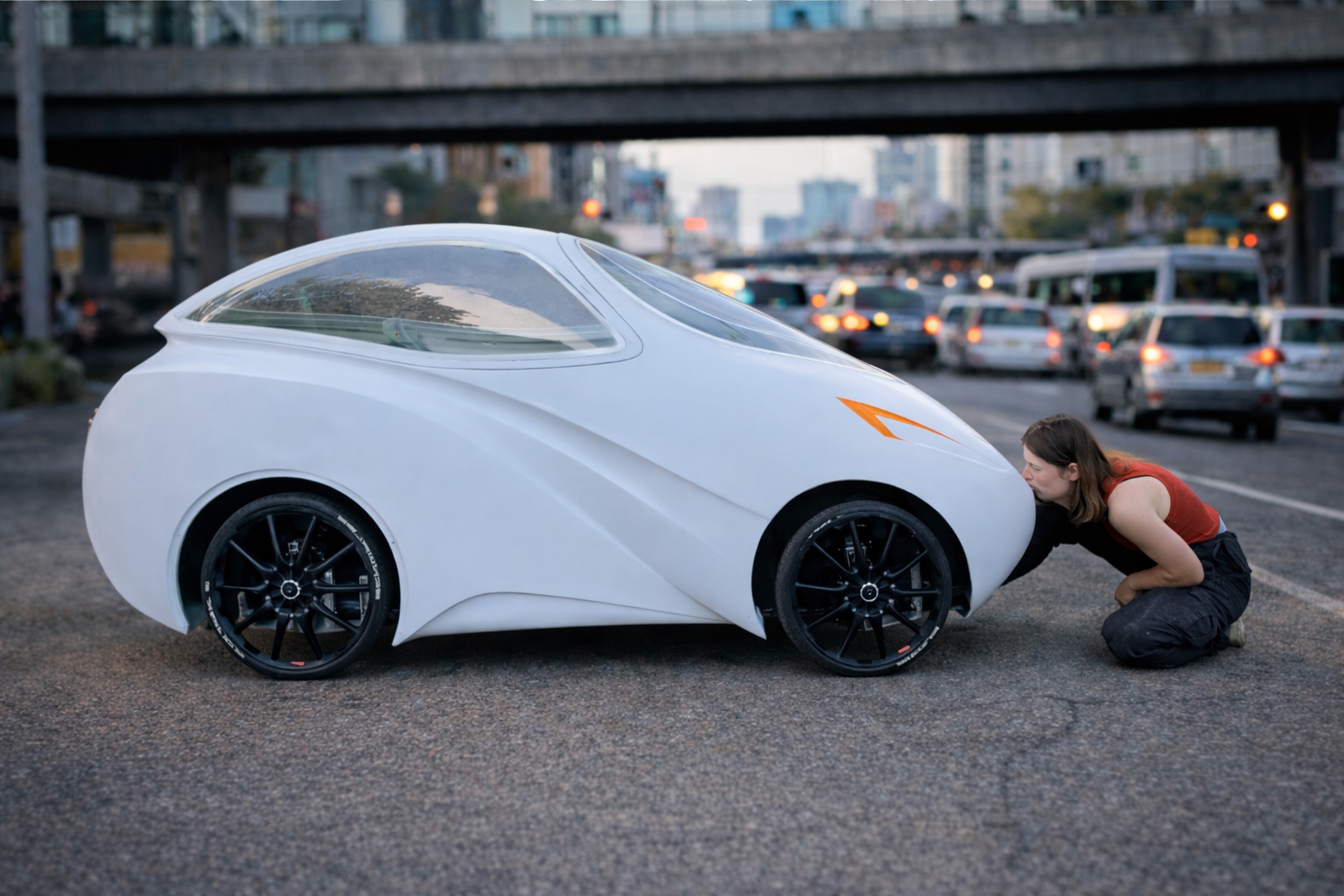


Nothing But Tons of Steel or Over-Sized Engines: Young Engineer Tamara Creates Mini Car With Light Engineering That Weighs Less Than a Bag of Cement and Has a Range of 80 KM to Challenge the Traditional Standard of Urban Cars
While automakers invest heavily to make cars increasingly complex, a young engineer decided to reduce everything to the essentials. Nothing but tons of steel or oversized engines for short trips. Her bet weighs only 45 kg and can travel up to 80 km on a single charge.
The name behind the idea is Tamara Ivancova, founder of Amara Automotive Ltd. And what she is building could push the automotive sector to rethink its own size.
The Silent Inconvenience of Congested Cities That Motivated a Break With the Traditional Model
Ivancova grew up passionate about vehicles. She entered Formula 1 at 15. But she decided to leave when she realized that the big challenges were off the tracks.
-
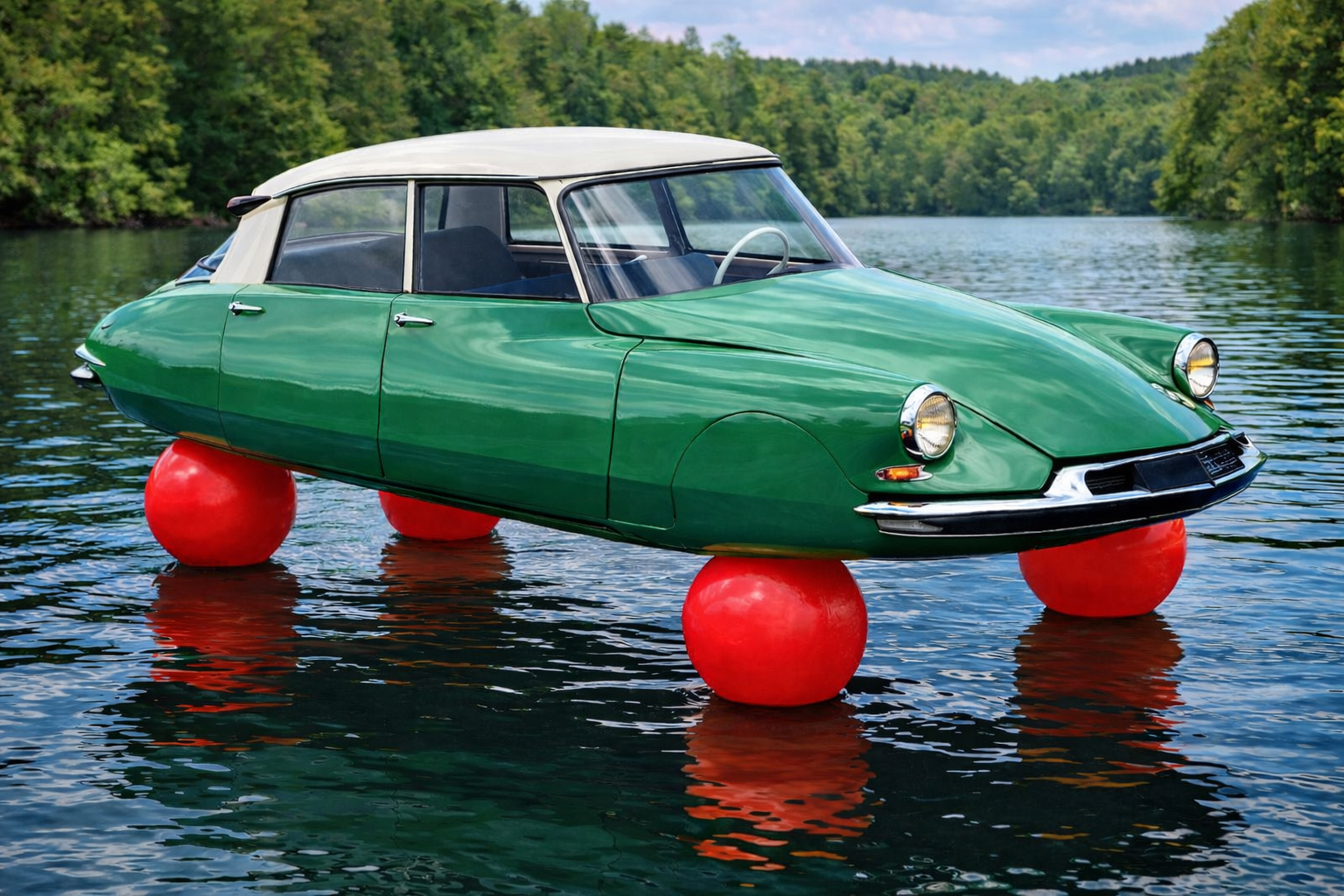
A French brand placed a car on four huge red balloons to prove that its suspension made the vehicle “float,” and the surreal scene became one of the most iconic and unusual images in automotive history.
-
Jeep Avenger begins production in Brazil, debuting as the brand’s new entry-level SUV and inaugurating an unprecedented phase by becoming the first national Jeep manufactured outside of Goiana, as part of a R$ 3 billion plan.
-
Costing R$ 12,490, the new Shineray Urban Lite 150 “cheap one” arrives in Brazil with a CVT transmission, digital dashboard, and LED lights, making it more affordable than the Biz and targeting those who want to abandon the bus.
-
Ducati brings to Brazil the Superleggera V4 Centenario: 228 hp that become 247 with a track kit, carbon fiber and carbon-ceramic brakes, estimated price between R$ 1.5 and 2 million, deliveries only in 2027.

The cities are stuck. Cars transport one person and take up space for five. They consume energy to move unnecessary weight.
It was this imbalance that led her to create the Elecy, an electric four-wheeled quadricycle that combines the concept of an electric bicycle with the protection of a small enclosed car.
The goal is not to compete with super sports cars. It is to tackle the daily commute that clogs streets and parking lots.
The Technical Secret Lies in Composite Material Engineering and Structural Lightness
The Elecy is not just compact. It was designed based on composite material engineering, an area where Ivancova has built experience throughout her career.
The body uses recycled and renewable materials whenever possible. The structure prioritizes lightness without sacrificing safety and urban comfort.
The vehicle measures 2.5 meters in length, just 0.8 meters in width, and 1.3 meters in height. In practical terms, it occupies less space than many compact models and can travel on public roads or bike lanes, following current regulations.
The electric assistance allows speeds of up to 25 km per hour. The removable battery charges in about 3 hours and can be supplemented with an extra unit to extend the range.
The central motor can be turned off, allowing completely manual pedaling.
It’s the logic of high performance applied to urban efficiency.
Enclosed Comfort, 300 Liters of Cargo, and a Real Proposal to Replace Cars in Cities
Who imagines that a fragile and small vehicle can be surprising, right?
The Elecy accommodates one adult in the front and one child in the back. It offers 300 liters of luggage space, a volume comparable to the trunk of many compact cars.
It has a locking canopy, weather-resistant aerodynamic covering, and the option for convertible use. It features complete LED lighting, GPS tracking, and the development of an optional climate control system.
It’s not just about pedaling with electric assistance, but offering a safe and comfortable alternative to traditional cars within the urban environment.
It is at this point that market tension arises.
If a lightweight vehicle solves daily commutes with lower energy consumption and less space occupancy, the dominant model begins to be questioned.
The Ambition to Scale Globally and Accelerate the Path to NetZero
Ivancova does not hide her ambition.
She founded the company driven by the idea of breaking the established pattern of the automotive industry. She wants to maintain the joy of driving but drastically reduce environmental impact.
She plans to start a world tour with the prototype later this year. Testing and certifications are expected over the next 12 to 18 months, with pre-order expectations by the end of 2026. Prices have not yet been disclosed.
According to experts, intermediate solutions between electric bicycles and cars have the potential to gain traction in dense urban centers, especially amid increasingly stringent environmental goals.
Ivancova’s proposal directly aligns with the global goal of NetZero, betting on structural efficiency instead of increased power.
If it gains scale, the impact could extend beyond the streets. It could affect the production chain, automotive design, and the very logic of urban mobility.
At the center of it all is a troubling question: Will the future of cities involve smaller, lighter, and smarter vehicles? Do you believe that mini electric cars like the Elecy can truly replace traditional cars in large cities?









Pesa, pesa menos que um saco de cimento! Faltou só uma revisão de texto para evitar publicar que “pensa” menos que um saco de cimento!