





 Portuguese
  English
  Spanish
  3 min of reading
  6 comments


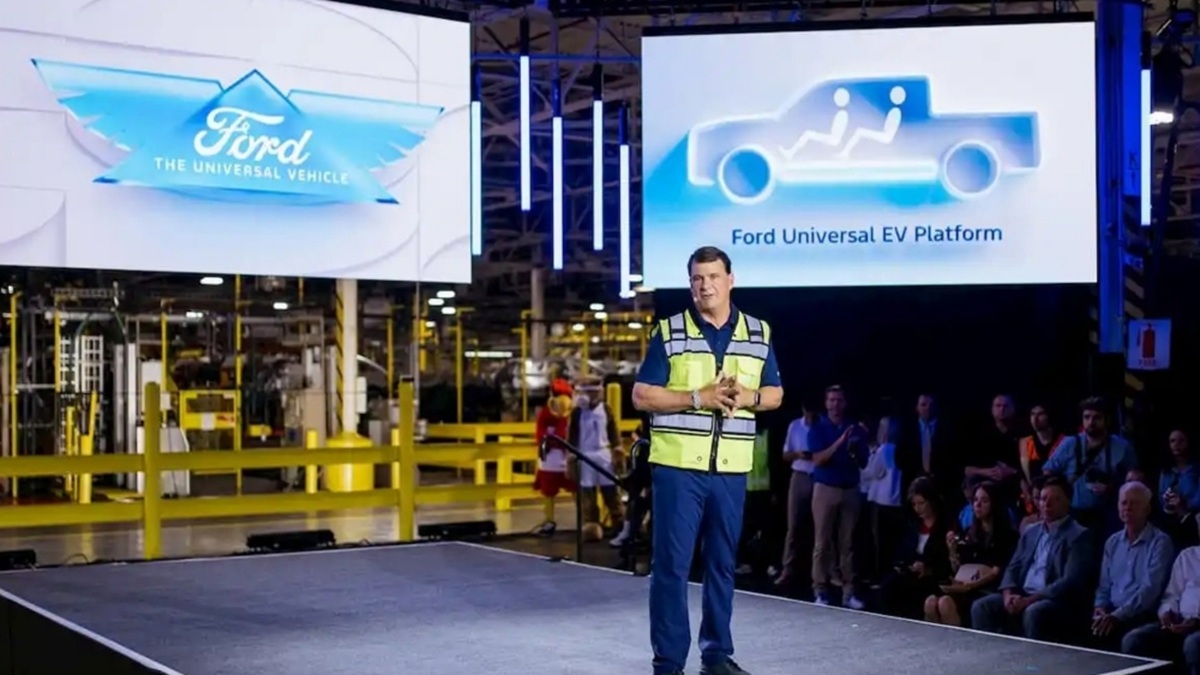


After BYD Surpasses Ford in Global Sales in 2025 and Takes the Sixth Position Worldwide, Ford Announced an Electric Platform with 20% Fewer Parts, 40% Fewer Workstations, 15% Faster Assembly and the Launch of a $30,000 Pickup by 2027, with a Profitability Target by 2029
BYD surpassed Ford in global sales for the first time in history in 2025, leading Ford to adopt a strategy inspired by BYD, with a new 20% leaner electric platform, a $30,000 pickup by 2027 and a profitability target by 2029.
BYD Surpasses Ford in 2025 and Redefines Ford’s Strategy
The global automotive landscape underwent a seismic shift in 2025. For the first time, BYD surpassed Ford in global sales volume, establishing itself as the sixth largest manufacturer in the world.
In this context, Ford CEO Jim Farley opted for a transformation inspired by the Chinese model. The decision was to democratize electric vehicles with simplicity and strict cost control, rather than retreating from the segment.
-
A French brand placed a car on four huge red balloons to prove that its suspension made the vehicle “float,” and the surreal scene became one of the most iconic and unusual images in automotive history.

-
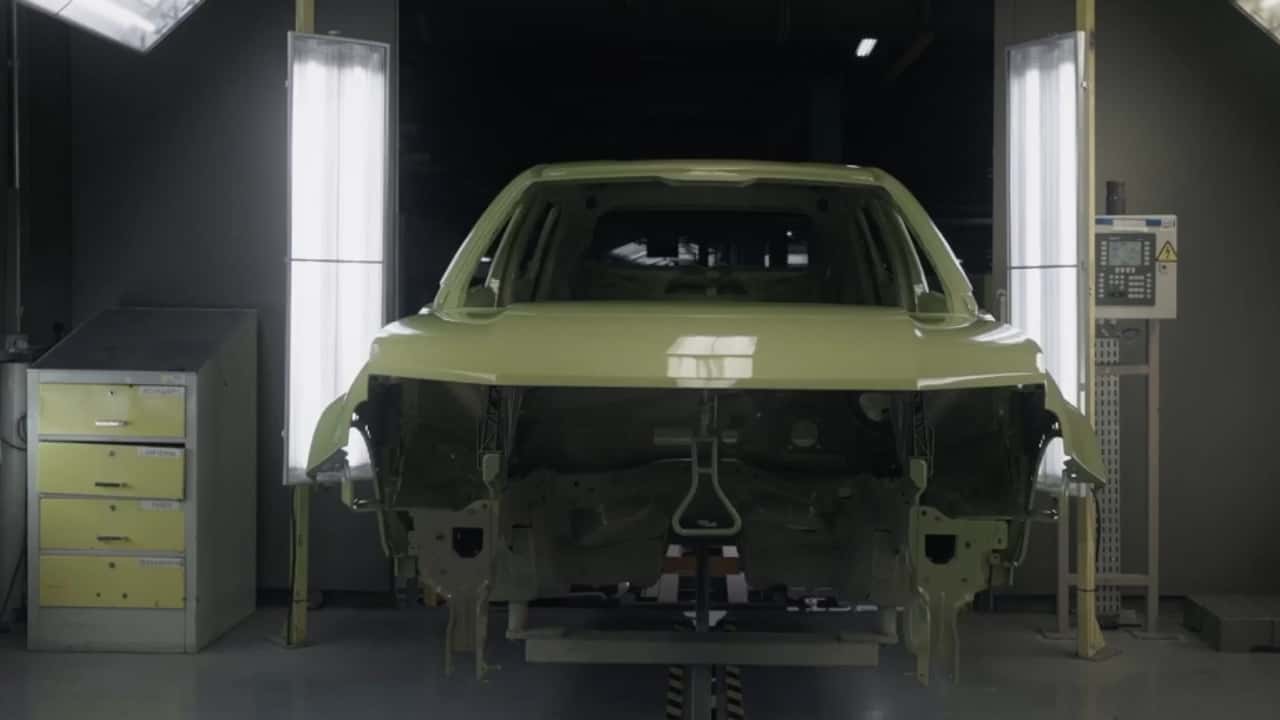
Jeep Avenger begins production in Brazil, debuting as the brand’s new entry-level SUV and inaugurating an unprecedented phase by becoming the first national Jeep manufactured outside of Goiana, as part of a R$ 3 billion plan.
-
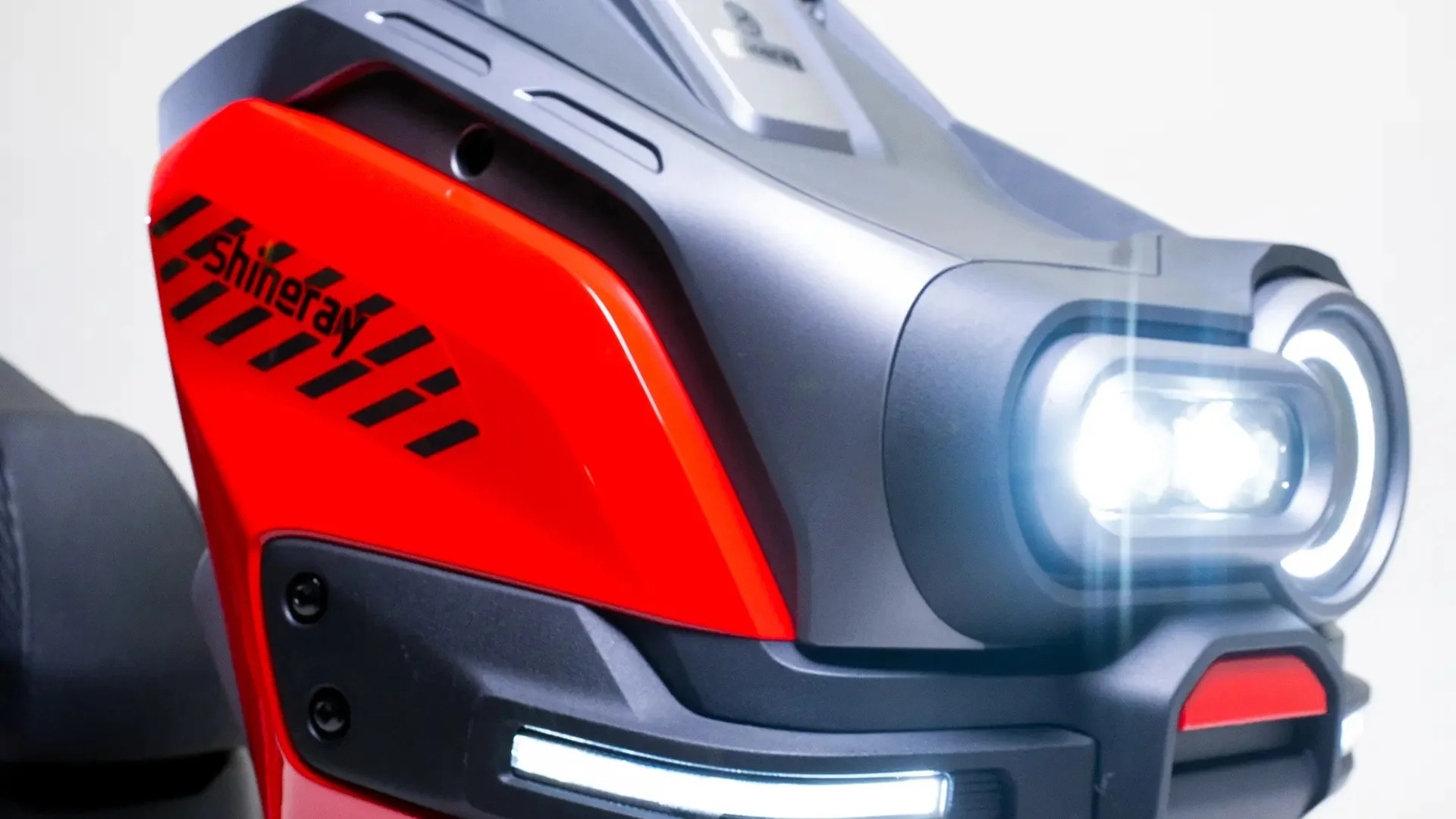
Costing R$ 12,490, the new Shineray Urban Lite 150 “cheap one” arrives in Brazil with a CVT transmission, digital dashboard, and LED lights, making it more affordable than the Biz and targeting those who want to abandon the bus.
-
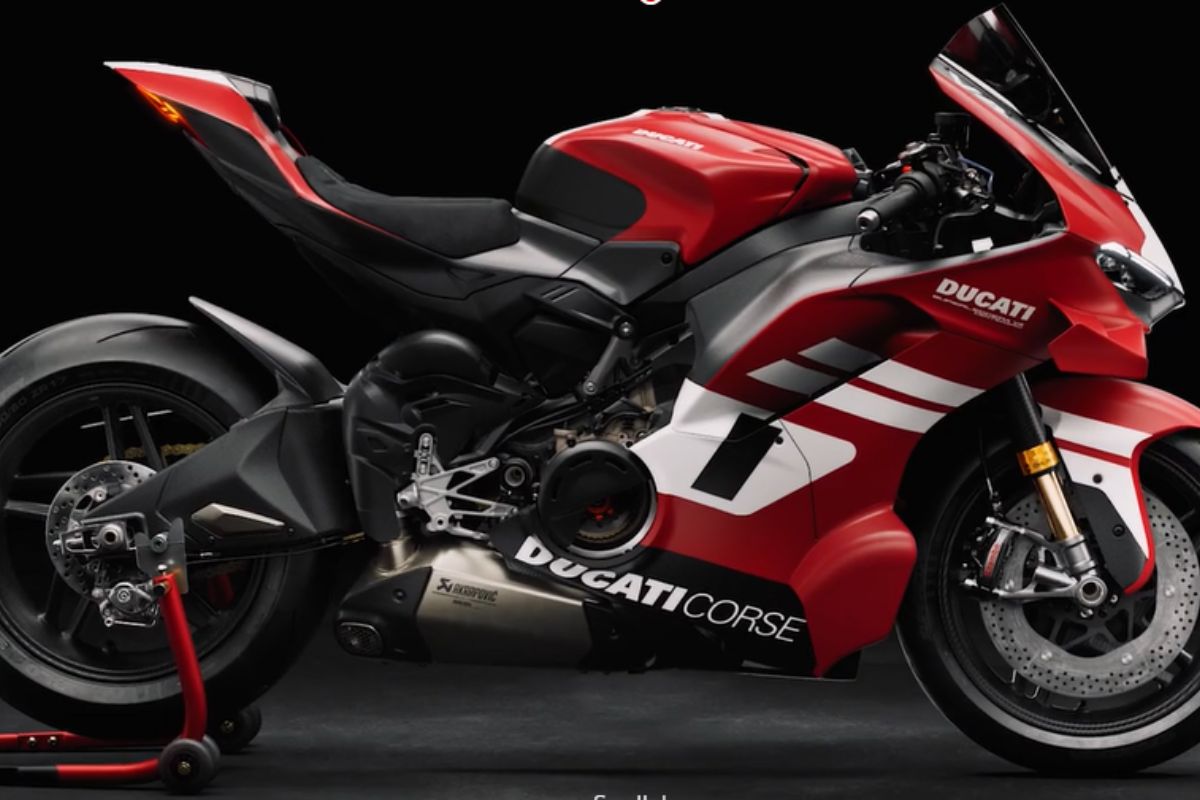
Ducati brings to Brazil the Superleggera V4 Centenario: 228 hp that become 247 with a track kit, carbon fiber and carbon-ceramic brakes, estimated price between R$ 1.5 and 2 million, deliveries only in 2027.

Farley stated that the company “is not shying away from electric vehicles.” Ford has now prioritized productive efficiency and direct competitiveness with BYD’s costs.
Universal Electric Platform Reduces Parts by 20% and Accelerates Production
The foundation of the new phase is the universal electric platform. Developed by a team of engineers in a skunkworks-style project, the architecture was designed to eliminate components deemed unnecessary.
According to Farley, the new structure reduces the number of parts by 20% compared to a conventional vehicle. Ford will also adopt Tesla’s production system.
The optimization includes 25% fewer fasteners, such as screws and clips, throughout the vehicle. The assembly line will have 40% fewer workstations and a process that is 15% faster than current standards.
A drastic reduction in wiring and connectors has also been implemented to simplify electronics. The strategy has been described as “seeking physics,” rather than relying on brute force.
$30,000 Pickup Will Be Launched in 2027 as the First Model of the New Phase
The first vehicle of the new philosophy will be a mid-size pickup, scheduled for 2027. The estimated starting price is $30,000, equivalent to approximately €27,900 at current exchange rates.
The proposal is to offer a robust and spacious model for a price lower than that of many internal combustion engine vehicles. The choice of a pickup, rather than a compact SUV, marks the adopted strategic direction.
The initiative responds to the advancement of Chinese brands in markets like Mexico. In that country, BYD already dominates 70% of the electric vehicle sector, with models ranging from $18,000 to $53,000.
Ford intends to demonstrate its ability to produce in the United States at competitive costs, combining experience in commercial vehicles with the agility typical of technology startups.
Partnerships with Renault, BYD and Geely Seek to Reduce Costs and Achieve Profit by 2029
To accelerate the transition, Ford expanded strategic alliances. In Europe, it strengthened collaboration with Renault to launch affordable electric vehicles with cost-sharing and platforms.
Additionally, there are rumors of negotiations for battery cell supply from BYD for Ford’s future hybrid models. There are also talks with Geely for global collaboration.
The potential cooperation indicates Ford’s willingness to integrate competitors’ supply chains if it ensures adequate margins. The electric vehicle division accumulated charges of up to $19.5 billion in a recent restructuring.
The stated goal is to make this division profitable by 2029. The new strategy seeks to align cost reduction, production simplification and industrial alliances to face BYD’s leadership in the global electric vehicle market.
With BYD established among the largest manufacturers in the world and Ford reformulating its industrial base, 2025 marks a turning point in the global automotive sector, redefining priorities of scale, efficiency, and pricing.










A Ford desistiu do Brasil, tem somente carros de luxo, deixaram o povo na mão, a BYD superou não só a Ford, superou a Chevrolet que não vende mais o onix e a Tracker como em 2020,21,22,23
Se lascaram, vc só vê Mini Dolphin nas ruas com os motoristas de App
Acabou pra Chevrolet.
A VW é carta fora do baralho, há um bom tempo vem se lascando, o Polo carro pelado tem salvado a marca, também só visam o lucro, revisões com preços fora da realidade, enfim deveriam ficar na Alemanha.
Manchete não condiz com o texto.
A Ford não superou, foi superada pela BYD
Que texto mal escrito…a chamada do título está errada: quem superou em venda o concorrente foi a BYD!