





 Portuguese
  English
  Spanish
  5 min of reading
  0 comments



Understand How Biofuels Are Transforming National Transportation, Helping to Reduce Logistics Costs and Strengthening Sustainable Mobility with Renewable Energy in Brazil.
Biofuels occupy a strategic position in Brazil as an energy alternative capable of transforming national transportation, increasing operational efficiency, and reducing costs while boosting sustainable mobility. According to an article published by Monitor do Mercado on Tuesday (23), the country has unique conditions for expanding this energy matrix, with strong agricultural production, extensive technological experience, and consolidated public policies.
Understand the Importance of Biofuels for National Transportation
Produced from renewable biomass such as sugarcane, corn, soybeans, and organic waste, renewable fuels can partially or completely replace petroleum derivatives. This substitution reduces greenhouse gas emissions and enhances energy security, decreasing reliance on imports.
The actions of the Federal Government, the National Agency of Petroleum, Natural Gas, and Biofuels (ANP), and the Ministry of Mines and Energy have created a relatively stable regulatory environment. This scenario allows for the expansion of production and contributes to strengthening national transportation, laying the groundwork to reduce costs and consolidate sustainable mobility based on renewable sources.
-
Brazil accelerates hydrogen and biofuel projects to consolidate the fuel of the future and reduce dependence on oil by 2026.

-
CNPE strengthens policy and prevents imported biodiesel from being mixed with diesel, aiming to strengthen the Brazilian industry and protect jobs by reducing external dependence amid tensions in the global market.

-
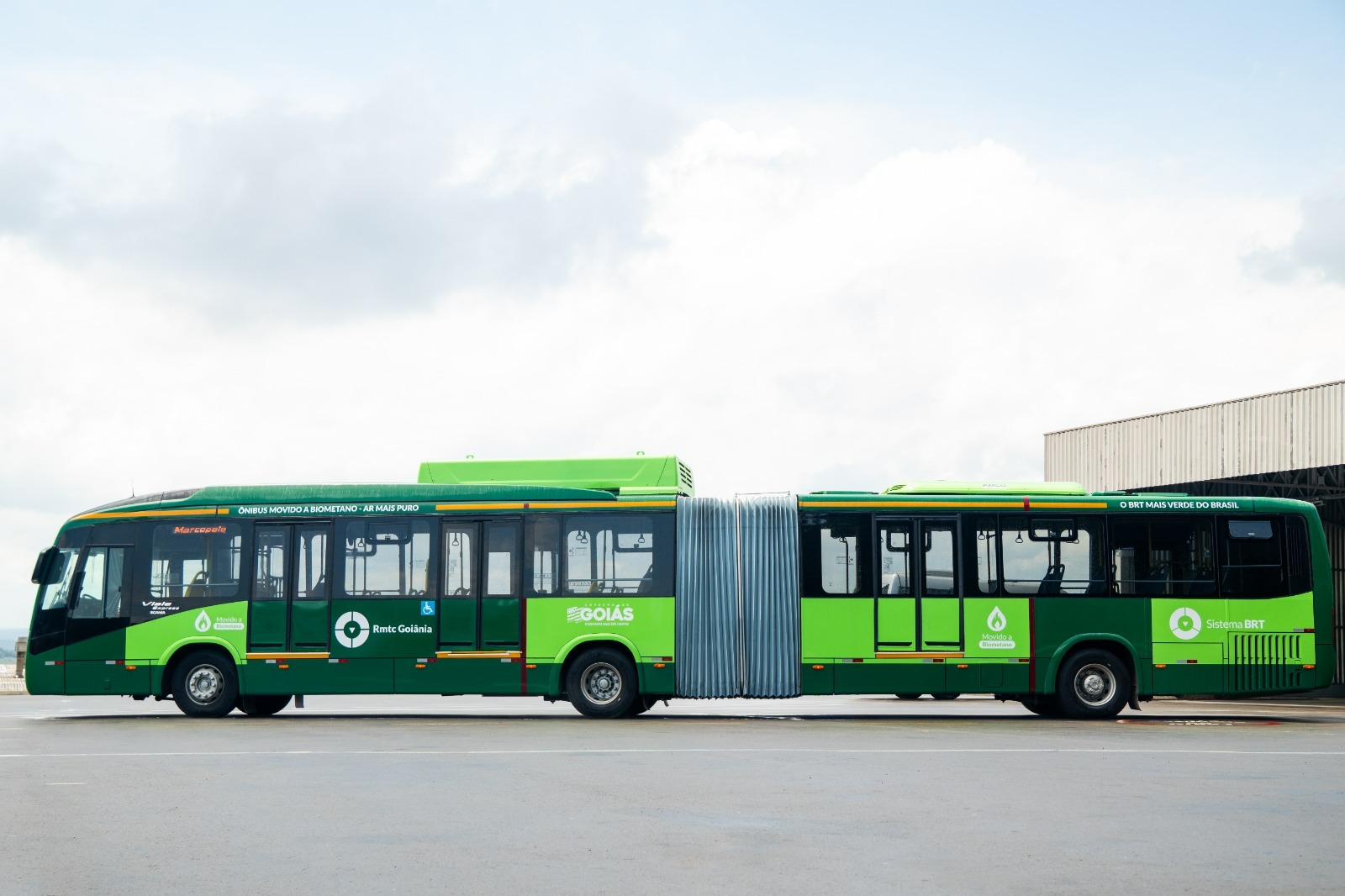
Revolution in public transport: Goiânia puts into circulation the first articulated buses powered by biomethane in Brazil and promises to drastically reduce pollution on the Anhanguera Corridor.
-
From the field to the pipelines: Mato Grosso do Sul accelerates the energy transition and consolidates a new axis in renewable energy with the arrival of a giant biogas plant.


Biofuels and National Transportation as a Way to Reduce Logistics Costs
Biofuels are fuels obtained from renewable raw materials, including agricultural crops and organic waste. The main sources used include sugarcane, corn, soybeans, and various types of residual biomass.
These fuels help reduce emissions in the transportation sector because they are part of shorter carbon production cycles. The carbon dioxide released during combustion tends to be partially offset by the absorption that occurs during the growth of the plants used in production.
This characteristic makes ethanol, biodiesel, and biogas important tools for achieving climate goals set by Brazil in international agreements. At the same time, these fuels help reduce costs in the medium and long term, especially as domestic production increases and reduces reliance on imported fuels.
The expansion of biofuels strengthens national transportation by providing greater predictability in energy prices. This allows for better logistical planning and favors the consolidation of sustainable mobility with a lower environmental impact.


Ethanol, Biodiesel, and Biogas Shape Brazil’s New Sustainable Mobility
Brazil has one of the most diversified transport energy matrices in the world, with a strong presence of renewable sources. The main biofuels currently used are ethanol, biodiesel, and biogas.
Hydrated ethanol is widely used in light vehicles, while anhydrous ethanol is mixed with gasoline. This combination allows millions of vehicles to use renewable fuel daily.
Biodiesel is blended with mineral diesel to fuel heavy fleets, public transport, and agricultural activities. Trucks and buses rely on this mixture to operate within the existing environmental regulations.
Biogas has been growing as an alternative to natural gas. This fuel can be used primarily in urban fleets and heavy vehicles, contributing to energy diversification.
The variety of biofuels strengthens sustainable mobility, enhances energy security, and creates regional economic opportunities. This process also contributes to reducing costs in national transportation, especially with increased productive scale.

RenovaBio and the Regulatory Framework Supporting Sector Growth
The advancement of biofuels in Brazil is sustained by structured public policies. The main national program is RenovaBio, which establishes decarbonization targets for the fuel sector.
The program operates through Decarbonization Credits, known as CBIOs. These titles are issued by certified producers and traded in the financial market, regulated by the ANP and supervised by the Central Bank.
The system encourages energy efficiency and stimulates investments in technology and agricultural productivity. By linking mandatory environmental targets to fuel trade, the program creates predictability for the sector.
This stability favors the growth of national transportation, allowing for long-term planning and conditions to reduce costs gradually. At the same time, the policy strengthens sustainable mobility, integrating the energy, environmental, and financial sectors.

Infrastructure and Logistics Still Limit Gains in National Transportation
Despite advancements, the expansion of biofuels still faces significant structural challenges. The logistics of distribution is one of the main obstacles to the uniform growth of the sector.
Agricultural production depends on climatic conditions and can exhibit variations over time. These fluctuations affect supply and influence the prices of renewable fuels.
There are also costs related to industrial adaptation and the expansion of storage and transport infrastructure. These investments are necessary to ensure efficient supply throughout the territory.
These limitations may delay the potential to reduce costs in the short term. Nevertheless, the planned expansion is likely to strengthen national transportation and enhance sustainable mobility in the coming years.
Technical and Environmental Criteria Ensure Safety in Expansion
The widespread adoption of biofuels requires ongoing attention to technical and environmental criteria. These requirements are defined by federal regulations and ANP resolutions, which establish standards for production, marketing, and consumption.
Among the main requirements are mandatory environmental licensing for production units and energy efficiency certification within the rules of RenovaBio.
Strict quality control of fuels, monitoring of avoided emissions, and fiscal and tax compliance of the companies involved are also necessary.
These measures ensure operational safety and mitigate environmental risks. With clear rules, the sector gains credibility and creates more favorable conditions to reduce costs over time.
Regulatory stability also strengthens national transportation and helps consolidate sustainable mobility as part of Brazil’s energy strategy.
Economic and Environmental Impacts on Brazilian Sustainable Mobility
Biofuels offer direct benefits to consumers and transport companies. Among the main advantages are the reduction of pollutant emissions and improved air quality in cities.
In addition to the positive environmental impact, these fuels can help lower operational costs depending on regional prices. The existing supply infrastructure facilitates gradual adoption nationwide.
In the long term, regulatory stability and increased productive scale tend to reduce logistics costs. This can lead to more efficient freight and less inflationary pressure on product prices.
This scenario strengthens national transportation and improves urban and logistical planning. At the same time, it enhances sustainable mobility and reinforces the strategic role of biofuels in Brazilian economic development.
An Energy Transformation with Lasting Impacts on Transportation
The expansion of biofuels represents one of the most important structural changes underway in the Brazilian energy sector. The country has relevant competitive advantages, including availability of agricultural land, technological knowledge, and experience in producing renewable fuels.
These factors create conditions to transform national transportation into a more efficient system that is less dependent on fossil fuels. Energy diversification reduces risks associated with oil volatility and contributes to greater economic stability.
With technological advancement and production growth, the trend is that it will be possible to consistently reduce logistics costs. This can benefit the entire production chain, from agriculture to industry and commerce.
By integrating economic development and environmental preservation, biofuels consolidate a model of sustainable mobility capable of meeting the country’s energy demands without compromising natural resources. This combination makes Brazil one of the leading candidates to lead the energy transition in the transport sector.









Seja o primeiro a reagir!