





 Portuguese
  English
  Spanish
  4 min of reading
  0 comments


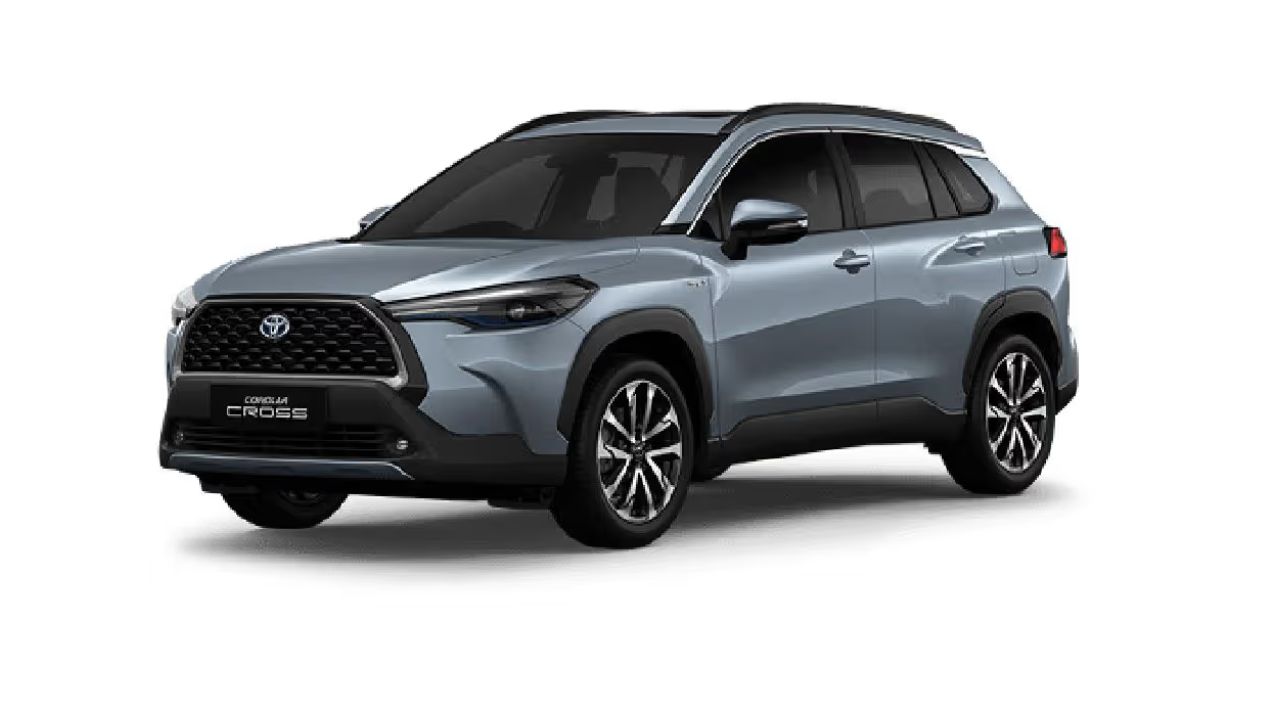
State Laws in Minas Gerais and São Paulo Guarantee Exemption from IPVA for Hybrid Cars from Fiat and Toyota!
Fiat and Toyota hybrid cars will have total exemption from IPVA in Minas Gerais and São Paulo starting in 2025. The measures were officially announced in recent months and apply, respectively, to the models produced by these automakers in their home states.
The goal, according to the state governments, is to promote the local industry and encourage the transition to cleaner technologies.
In São Paulo, Governor Tarcísio de Freitas signed the law on December 18, 2024, guaranteeing zero IPVA for flex hybrid vehicles that meet specific technical criteria.
-
A French brand placed a car on four huge red balloons to prove that its suspension made the vehicle “float,” and the surreal scene became one of the most iconic and unusual images in automotive history.

-
Jeep Avenger begins production in Brazil, debuting as the brand’s new entry-level SUV and inaugurating an unprecedented phase by becoming the first national Jeep manufactured outside of Goiana, as part of a R$ 3 billion plan.
-
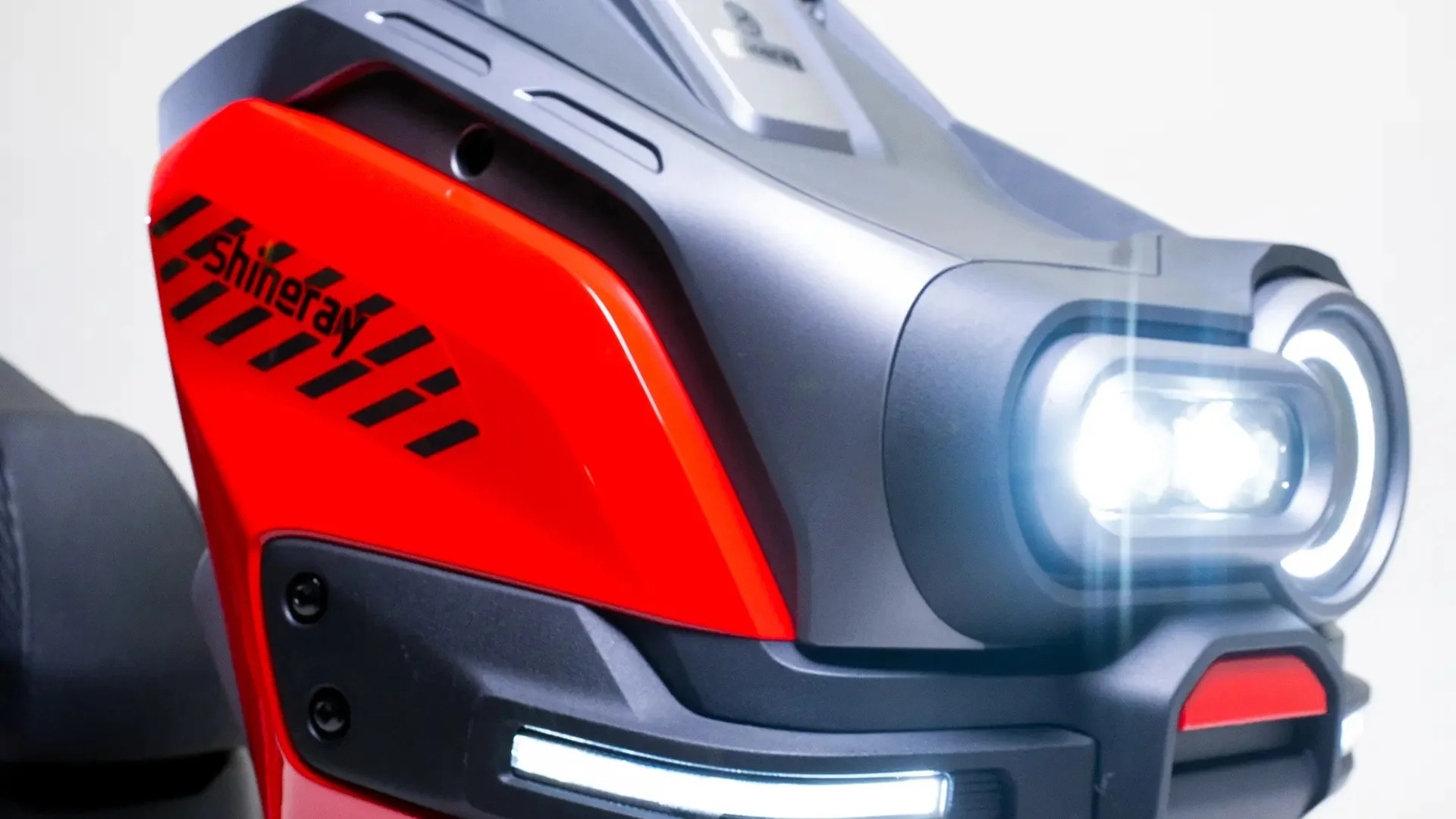
Costing R$ 12,490, the new Shineray Urban Lite 150 “cheap one” arrives in Brazil with a CVT transmission, digital dashboard, and LED lights, making it more affordable than the Biz and targeting those who want to abandon the bus.
-
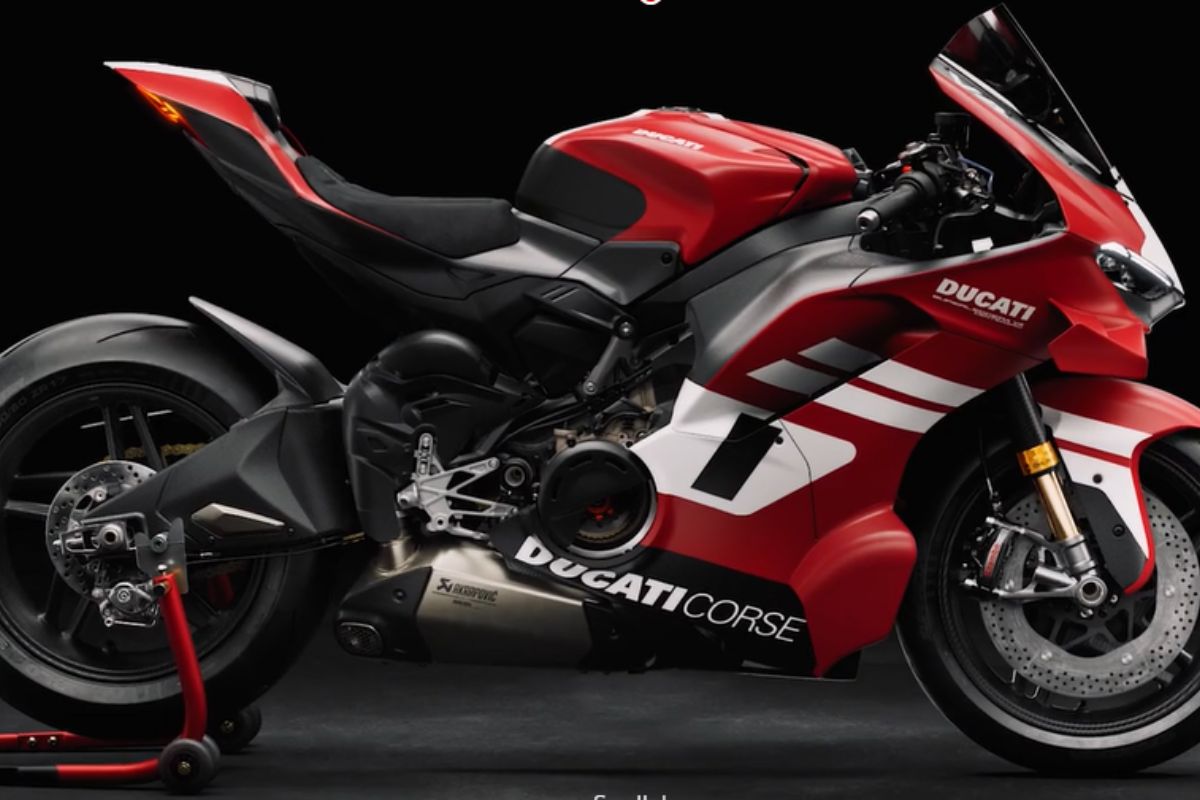
Ducati brings to Brazil the Superleggera V4 Centenario: 228 hp that become 247 with a track kit, carbon fiber and carbon-ceramic brakes, estimated price between R$ 1.5 and 2 million, deliveries only in 2027.

In Minas Gerais, Romeu Zema signed a similar decree, later converted into a law approved by the Legislative Assembly on July 2, 2025.
However, in both cases, the benefits only cover models produced locally, which has generated controversy and legal debate.
How IPVA Exemption Works for Hybrid Cars in São Paulo
The São Paulo law provides total IPVA exemption for the years 2025 and 2026. Starting in 2027, the charge will gradually resume, with increases of one percentage point per year, until reaching 4% again in 2030.
Among the technical criteria required, the following stand out:
Electric motor with at least 40 kW (about 54 hp);
Minimum voltage of 150 volts;
Vehicle with flex hybrid engine;
Value of up to R$ 250,000.
Thus, the only models that meet all the requirements are the Toyota Corolla and the Corolla Cross hybrids, assembled at the brand’s factories in Sorocaba and Indaiatuba (SP).
Models such as the Fiat Fastback and the mild hybrid Pulse, for example, were automatically excluded for not meeting the power and voltage criteria.
Minas Gerais Bets on Local Production of Fiat with IPVA Exemption
The Minas Gerais legislation also zeroes IPVA starting in 2025, but with one explicit condition: the hybrid or electric car must be manufactured in Minas Gerais.
Currently, the only models benefiting from the IPVA exemption are the Fiat Pulse and the Fastback, both produced in the state with a 12-volt mild hybrid technology. The measure is part of a strategy to enhance local production and encourage sustainable mobility.
This geographical restriction, however, has been severely criticized by experts, who point to possible unconstitutionality of the norm.
Legal Debate: Is It Constitutional to Restrict Exemption to the Home State?
The Minas Gerais measure raises questions about its validity under the Federal Constitution. The Article 152 of the Constitution expressly prohibits states and municipalities from tax discrimination based on the origin of the product.
According to lawyer Rafaela Canito from the Lefosse law firm, “the requirement for local manufacturing to grant IPVA exemption can be understood as an unconstitutional differentiation between goods produced inside and outside the state.”
She notes that the Court of Justice of Minas Gerais (TJMG) has already annulled tax incentives based on this same principle in the case of ICMS. Nevertheless, she emphasizes that the jurisprudence is not necessarily applicable to IPVA, leaving the debate unresolved.
Fiscal War Between States Raises Alerts in the Automotive Industry
By vetoing the exemption for gasoline or diesel hybrid models and favoring vehicles produced in São Paulo, the São Paulo government was accused of protectionism. In response, Tarcísio de Freitas declared:
“I would not grant IPVA exemption for a car that will be produced in Bahia or abroad.”
The statement was interpreted as a reference to the Chinese BYD, which has established its factory in Camaçari (BA) and is expected to begin assembling flex hybrid vehicles in Brazil soon.
After the controversy, Deputy Carla Morando (PSDB) and the governor himself adopted a more conciliatory tone, highlighting that the exemption applies to any flex hybrid model that meets the technical criteria, regardless of the manufacturing state.
Impacts on the Market and the Consumer
The IPVA exemption for hybrid cars represents significant savings for consumers and may boost sales of these vehicles, especially in the cheaper flex versions. Furthermore, the measure pressures other automakers to comply with the technical criteria and expand their production lines in Brazil.
At the same time, the incentive may intensify fiscal competition between states, something that historically generates instability in the automotive sector and legal uncertainty.
The Future of IPVA Exemption for Hybrids in Brazil
With more automakers investing in electrification and new factories being inaugurated, the trend is for other Brazilian states to also adopt partial or total IPVA exemptions for hybrid and electric vehicles.
The debate is now focused on finding a balance between encouraging the national industry, respecting the Federal Constitution, and benefiting the consumer, without violating the equality among the federative entities.
In the meantime, Fiat and Toyota are taking the lead, taking advantage of the benefits granted by Minas Gerais and São Paulo, respectively.










Seja o primeiro a reagir!