





 Portuguese
  English
  Spanish
  3 min of reading
  5 comments


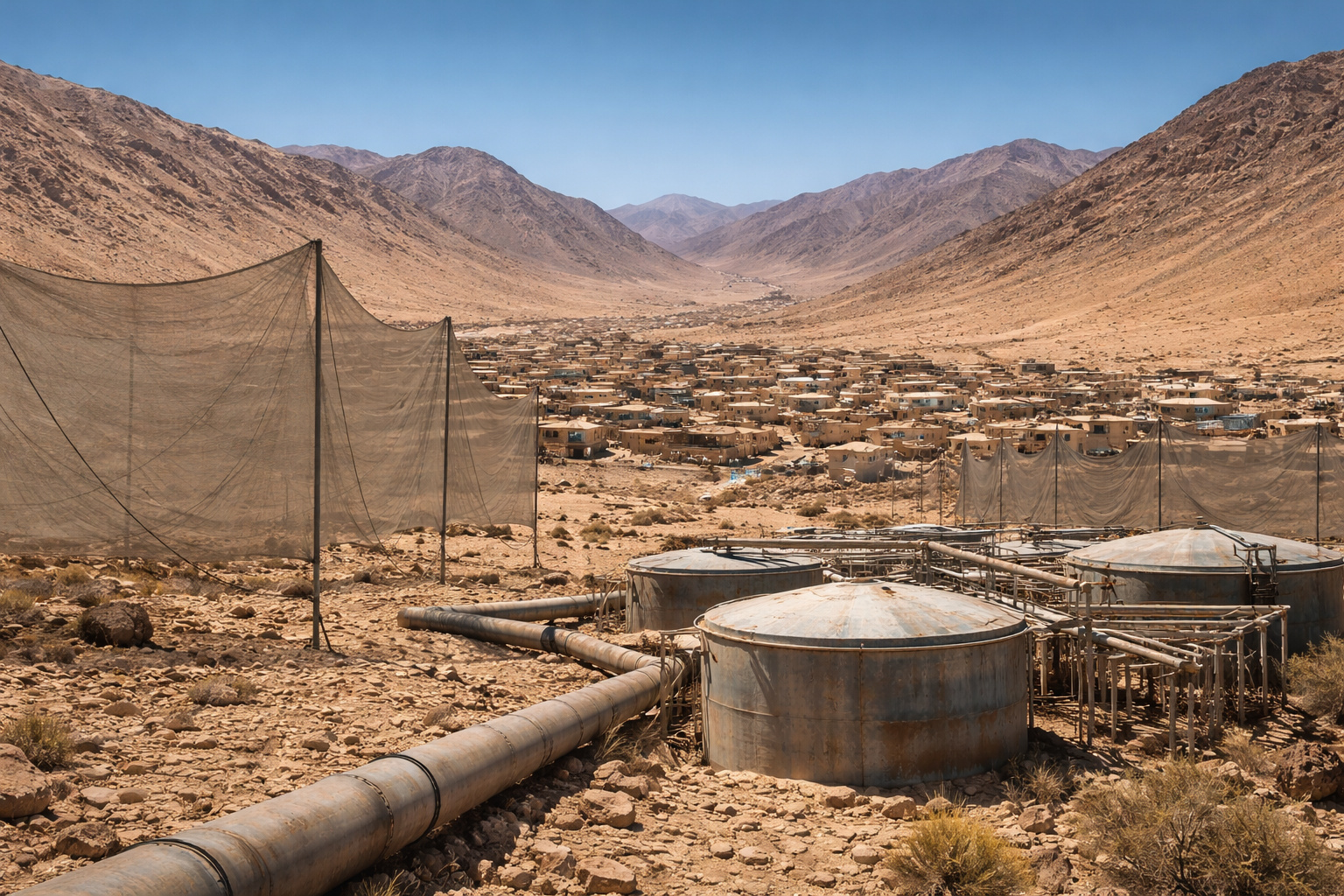


In The Atacama Region, City Lives With Less Than 1 Mm Of Rain Per Year And Depends On Artificial Water Capture For Continuous Occupation.
There are dry deserts. And there is the Atacama Desert, considered the driest on the planet. In some areas, meteorological stations have recorded decades without any measurable precipitation. Within this extreme scenario, one city stands out for maintaining continuous human occupation, even facing a water regime that, in many years, does not reach 1 millimeter of annual rain.
In this environment, rain is not a rare event — it is practically nonexistent. Still, the city functions, grows, and sustains tens of thousands of people.
The Revealed Place: Arica, In The Far North Of Chile
The city is Arica, located in northern Chile, at the transition between the Pacific coastline and the Atacama Desert. Despite being close to the ocean, Arica does not receive enough moisture to generate regular rains.
-
Friends have been building a small “town” for 30 years to grow old together, with compact houses, a common area, nature surrounding it, and a collective life project designed for friendship, coexistence, and simplicity.
-
This small town in Germany created its own currency 24 years ago, today it circulates millions per year, is accepted in over 300 stores, and the German government allowed all of this to happen under one condition.

-
Curitiba is shrinking and is expected to lose 97,000 residents by 2050, while inland cities in Paraná such as Sarandi, Araucária, and Toledo are experiencing accelerated growth that is changing the entire state’s map.
-
Tourists were poisoned on Everest in a million-dollar fraud scheme involving helicopters that diverted over $19 million and shocked international authorities.

The combination of cold ocean current, Andean barrier, and high atmospheric pressure blocks the formation of heavy clouds.
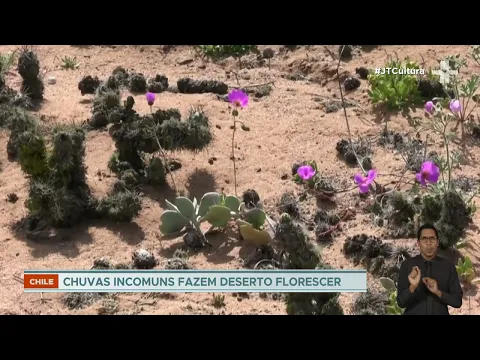

The result is one of the lowest precipitation regimes ever recorded in a city with a permanent population.
Less Than 1 Mm Of Rain: A Data That Changes Everything
In Arica, the annual average of rainfall is less than 1 mm, such a low value that in many years the total does not even get officially recorded. For comparison, cities considered dry in other parts of the world receive between 200 and 300 mm per year.
This extreme level of aridity makes any traditional form of water supply based on rain reservoirs or naturally replenished aquifers unviable.
Survival Depends On Artificial Water Capture
Without rain and with virtually nonexistent rivers, Arica relies on artificial water capture, mainly from Andean underground sources, conveying systems, and water infrastructure built to transport water over long distances.
Urban supply is only possible thanks to hydraulic engineering works, which capture water in higher regions of the mountain range and channel it to the city. Without this system, urban occupation simply would not exist.
Agriculture Is Only Possible With Controlled Irrigation
Any agricultural activity in the region is entirely dependent on artificial irrigation. Cultivation occurs in specific areas, where captured water is distributed in an extremely controlled manner. There is no margin for waste.
This agricultural model is a classic example of production in a hyper-arid environment, where every cubic meter of water is accounted for and planned.
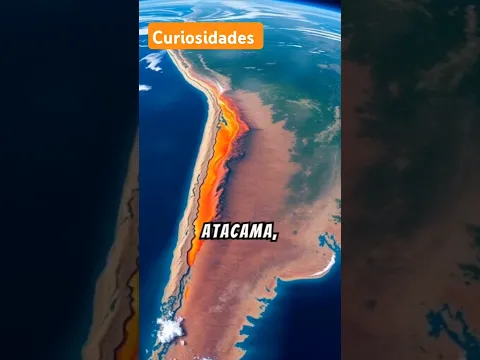
Water scarcity influences everything: building types, urban planning, population growth, and even daily habits. Unlike cities that deal with periodic droughts, Arica was planned to function without relying on rain.
Water infrastructure is not a complement — it is the foundation of urban existence.
Continuous Occupation Despite The Extreme Environment
Even with these limitations, Arica has maintained continuous human occupation for centuries, functioning as an urban, port, and strategic hub in northern Chile. Its coastal location and geopolitical position have helped sustain the city over time, even when the natural environment seemed unviable.
The city proves that human occupation does not depend solely on favorable climate, but on engineering, logistics, and extreme adaptation.
Arica represents one of the clearest limits of permanent urbanization in hostile natural environments. With less than 1 mm of annual rain, it demonstrates how far water engineering can sustain populations in regions where nature offers virtually nothing.
Without artificial capture, there is no city. Without infrastructure, there is no occupation.
When Living Means Challenging The Climate Every Day
In the end, Arica is not just a dry city. It is a continuous human experiment, where every drop of water is the result of technical planning, not natural phenomena.
In one of the driest deserts on the planet, the city continues to exist, not because the environment allows it, but because engineering has made it possible.









Não Tive Ainda o Privilégio de Conhecer o Chile!! Pais de Povo Integro Nacionalista e Trabalhador. O Deserto do Atacama é Referência Mundial Em Aridez,,Porém Dono da Melhor Radiação Solar Pará Efeito Fotovoltaico,do Mundo, Berço da Única Mega Usina Termo Solar da América Latina,Cerro Dominador, Sistema Torre Helioestatos, Acompanhei a Obra Desde 2014, e Donos Da Melhor Estação de Telescópios do Globo, o Observatório Almas, a Quase 4.000 Metros de Altitude!! Enfim,o Chile É Um Exemplo de Gestão Pública e Administração Governamental…e Belíssimo Rincão a Margem do Pacífico.
Muito interessante
Isso que é persistência e poder mostrar q a humanidade pode se adaptar em qualquer lugar.
Passei recentemente por Arica, cidade boa e povo acolhedor. Quem anda por aquelas bandas pode constatar o quanto o Brasil que tudo tem poderia ser o número 1 do mundo em tudo.
Somos o número em “jeitinho brasileiro” e **** que só querem ganhar fácil.