





 Portuguese
  English
  Spanish
  3 min of reading
  0 comments


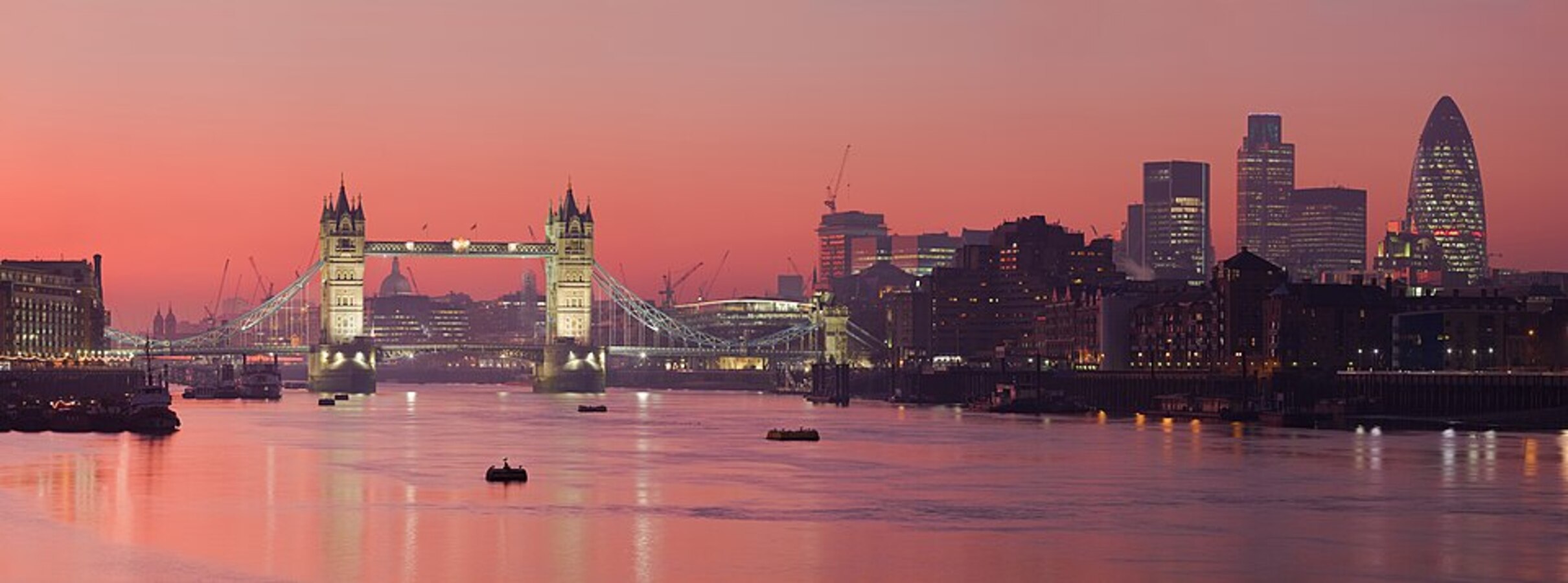


Vatican, Monaco, and Malta Are the Only Nations in Europe Without Natural Rivers — and They Had to Adapt with Technology and Imports
The European continent is known for its extensive and navigable rivers. The Danube, the Seine, and the Thames are just a few of the many waterways that traverse its territory. However, it is important to note that not all countries follow this pattern. Vatican, Monaco, and Malta are the only European nations without natural rivers in their territory.
Vatican: Small, Urban, and Without Space for Rivers
The smallest country in the world by area and population is also one of the only ones without any river. Vatican City, at just 0.44 km², is located within the city of Rome.
The Tiber River passes nearby but does not enter the state’s boundaries.
-
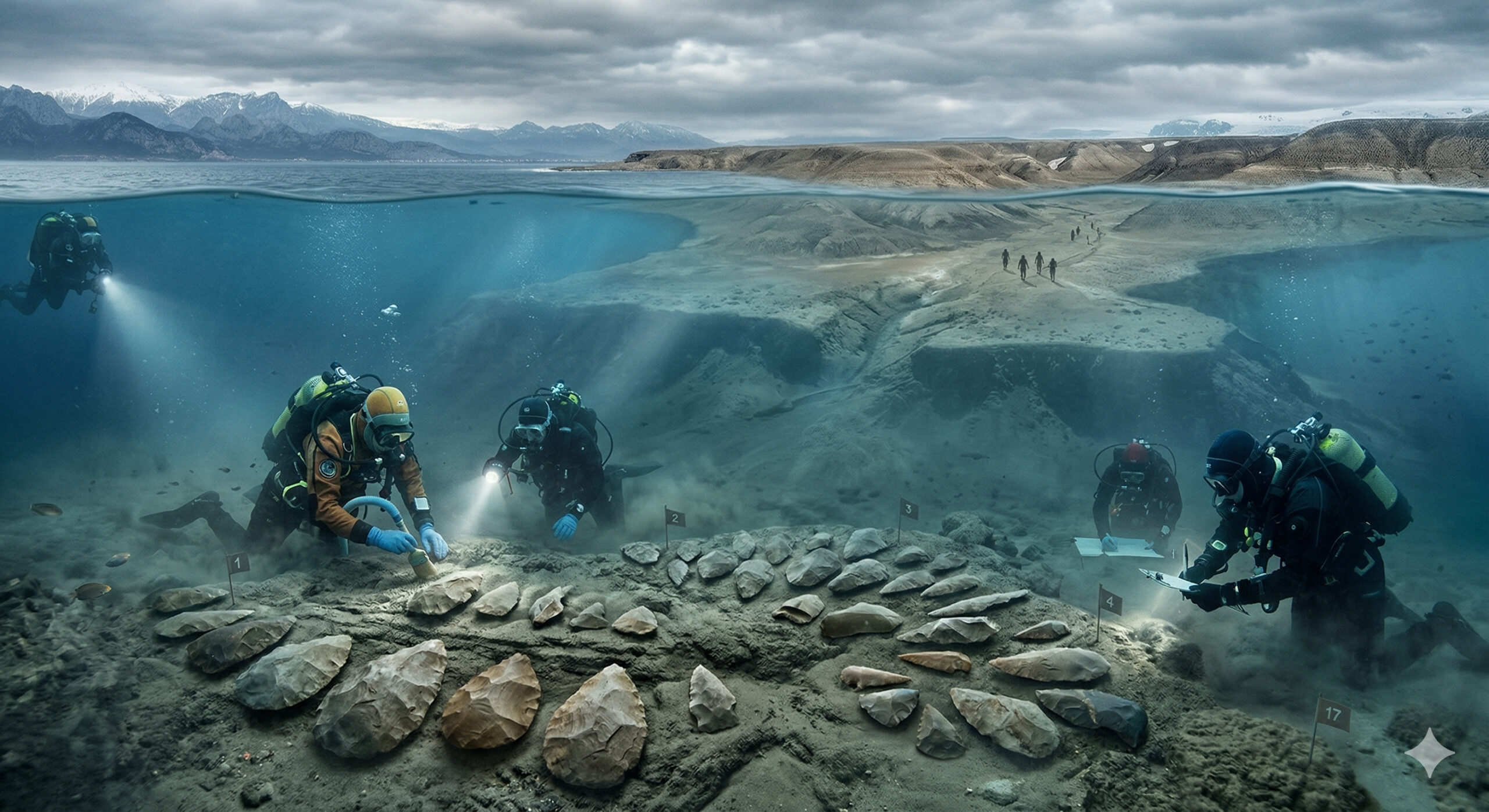
More than 138 stone tools found on the seabed between Turkey and Europe reignite the hypothesis of a lost land bridge from the Ice Age that may have been used by humans to cross continents.
-
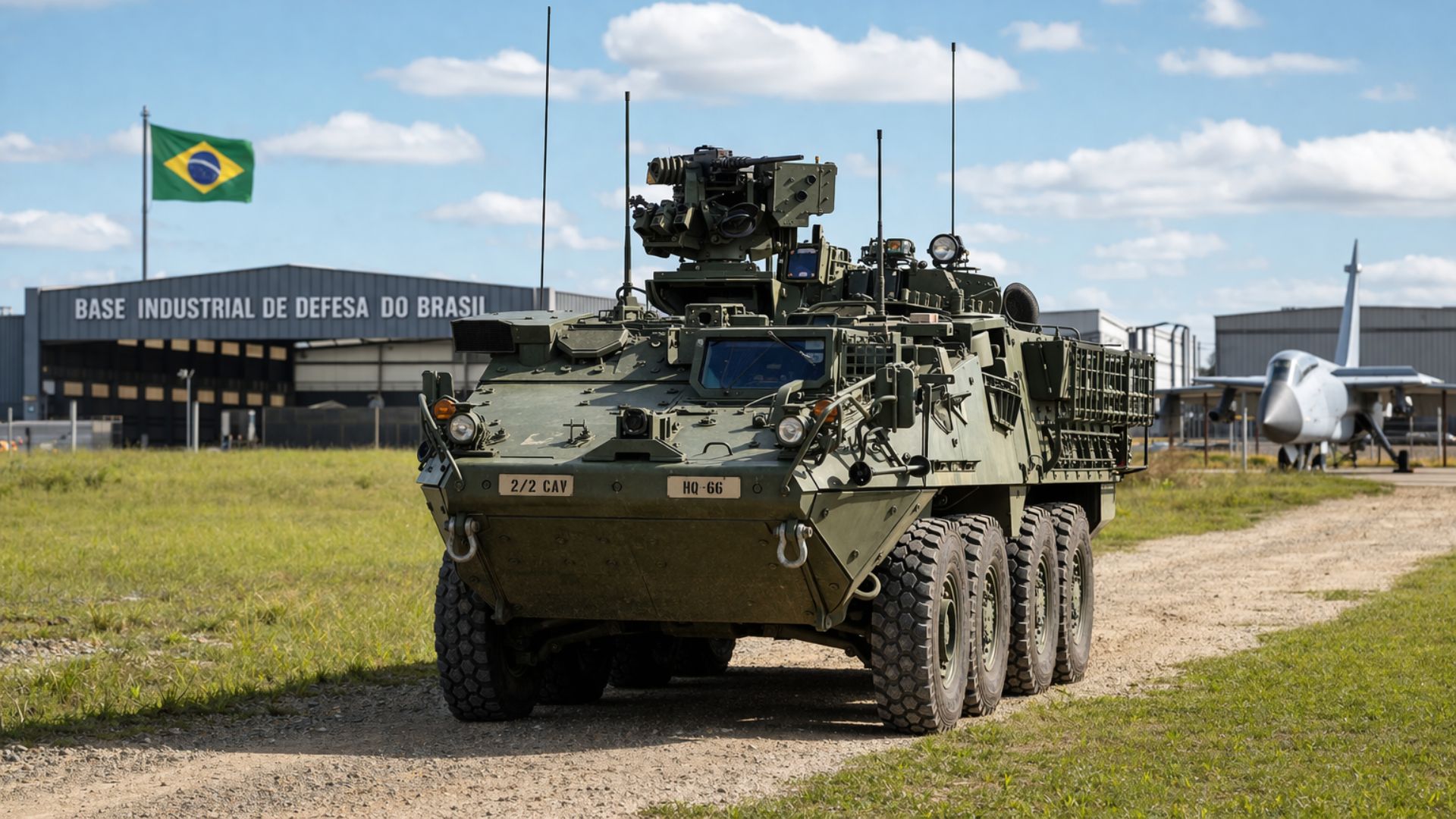
Argentina places the first U.S. Stryker 8×8 armored vehicles in operational units, while Brazil sets a record of $3.1 billion in military exports, reaching 140 countries and strengthening the Defense Industrial Base.
-
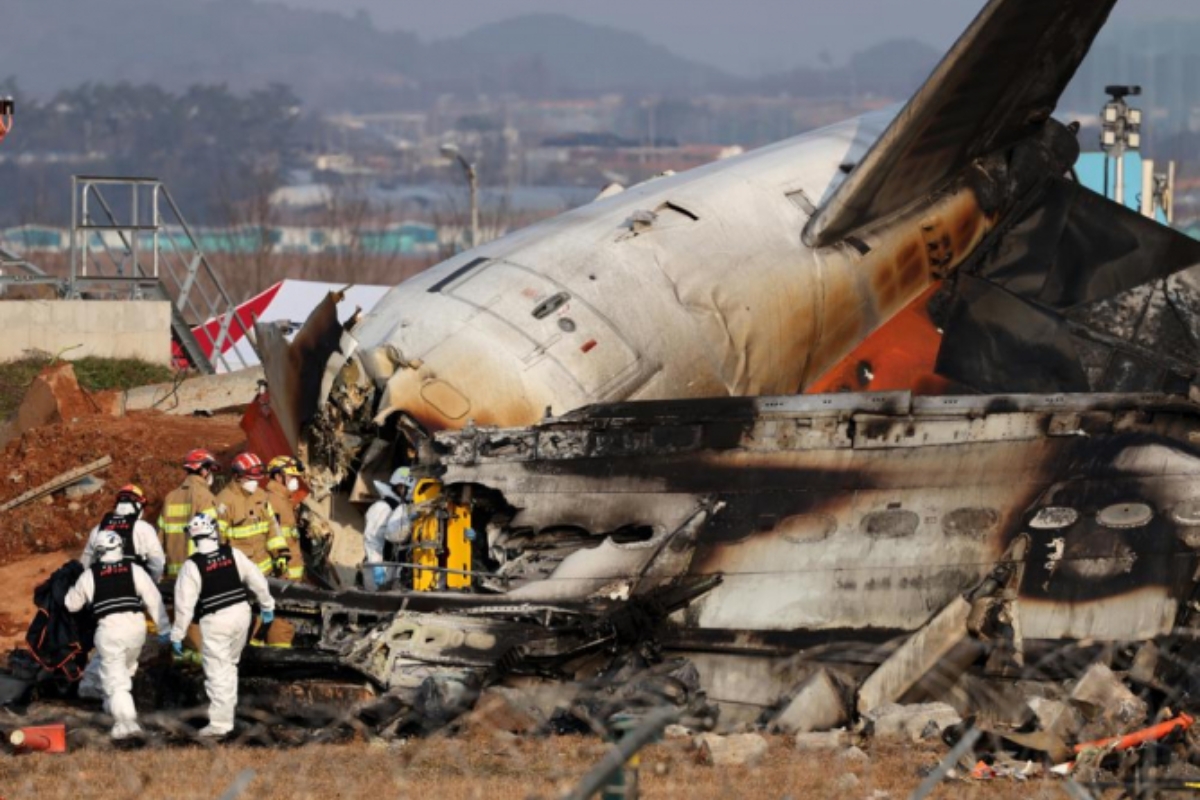
A flight attendant fell from 10,160 meters without a parachute after an airplane explosion, survived against all logic, and still holds the record for the highest fall ever survived by a human being.
-
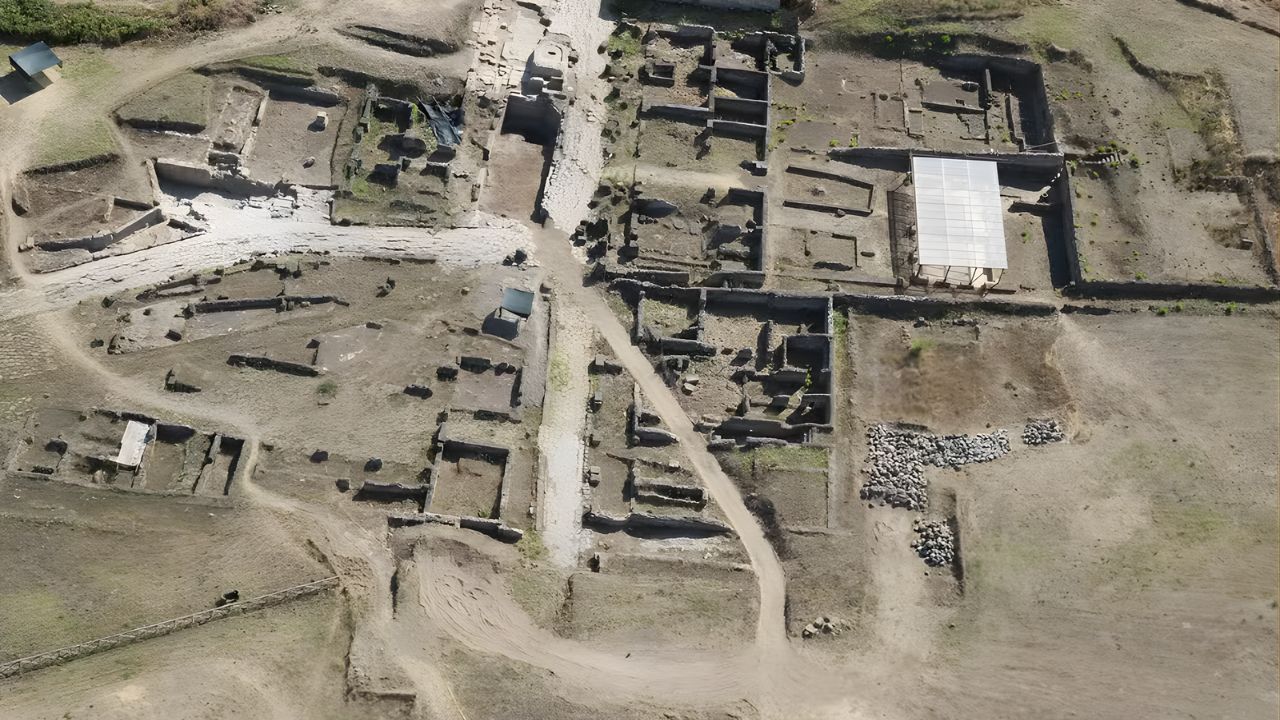
With a monumental stone structure dating back over 2,000 years, excavated 6 meters deep and with dimensions that surprise archaeologists, the newly discovered tank in Gabii may be one of the first major public works of Ancient Rome outside of temples and walls.

Because Vatican City is completely urbanized, there is no physical space for natural formations such as streams or springs.
All the water consumed within its territory comes from external sources, primarily from Italy. Moreover, the supply and drainage system is entirely dependent on the urban infrastructure surrounding it.
Monaco: Concrete, Sea, and Total Absence of Watercourses
The second smallest country in the world also makes the list. The Principality of Monaco has only 2 km² and is situated on the coast of the Mediterranean Sea, south of France.
Therefore, it is not surprising that this highly vertical and urbanized territory lacks rivers.
What exists are underground drainage channels and some structures to capture and direct rainwater. But there is no natural river, not even a small one.
Part of the water used in Monaco comes from France. The country invests heavily in technology to manage sewage, consumption, and distribution, as it relies on external sources to meet its needs.
Malta: Dry Climate and Geology Challenge Fresh Water
Unlike the first two, Malta is much larger. It covers 316 km² divided among three main islands: Malta, Gozo, and Comino. However, the country also lacks permanent natural rivers.
The main reason lies in the climate and the soil. The archipelago has a dry and hot environment, and its geological formation is dominated by limestone rocks. This prevents the creation of lasting waterways.
During heavy rains, what locals call “Wadis” temporarily form. These dry beds transport water for short periods but do not persist throughout the year.
For this reason, Malta invests in seawater desalination and water recycling. The policy of conscious water use is one of the strictest in Europe.
Technology and Adaptation in the Face of the Absence of Rivers
Despite their differences, Vatican, Monaco, and Malta share the same challenge: supplying the population without the help of rivers.
This geographical limitation has forced each of them to invest in technology and planning.
Additionally, they all have sophisticated systems for treatment, capture, or water importation. Whether due to size, climate, or geology, these countries stand out for having found effective solutions to a problem that, for much of Europe, does not exist.
With information from Tempo.com.




Nada e nenhum lugar é perfeito. Mas pode-se buscar soluções para que a realidade seja a melhor possível.