





 Portuguese
  English
  Spanish
  5 min of reading
  0 comments


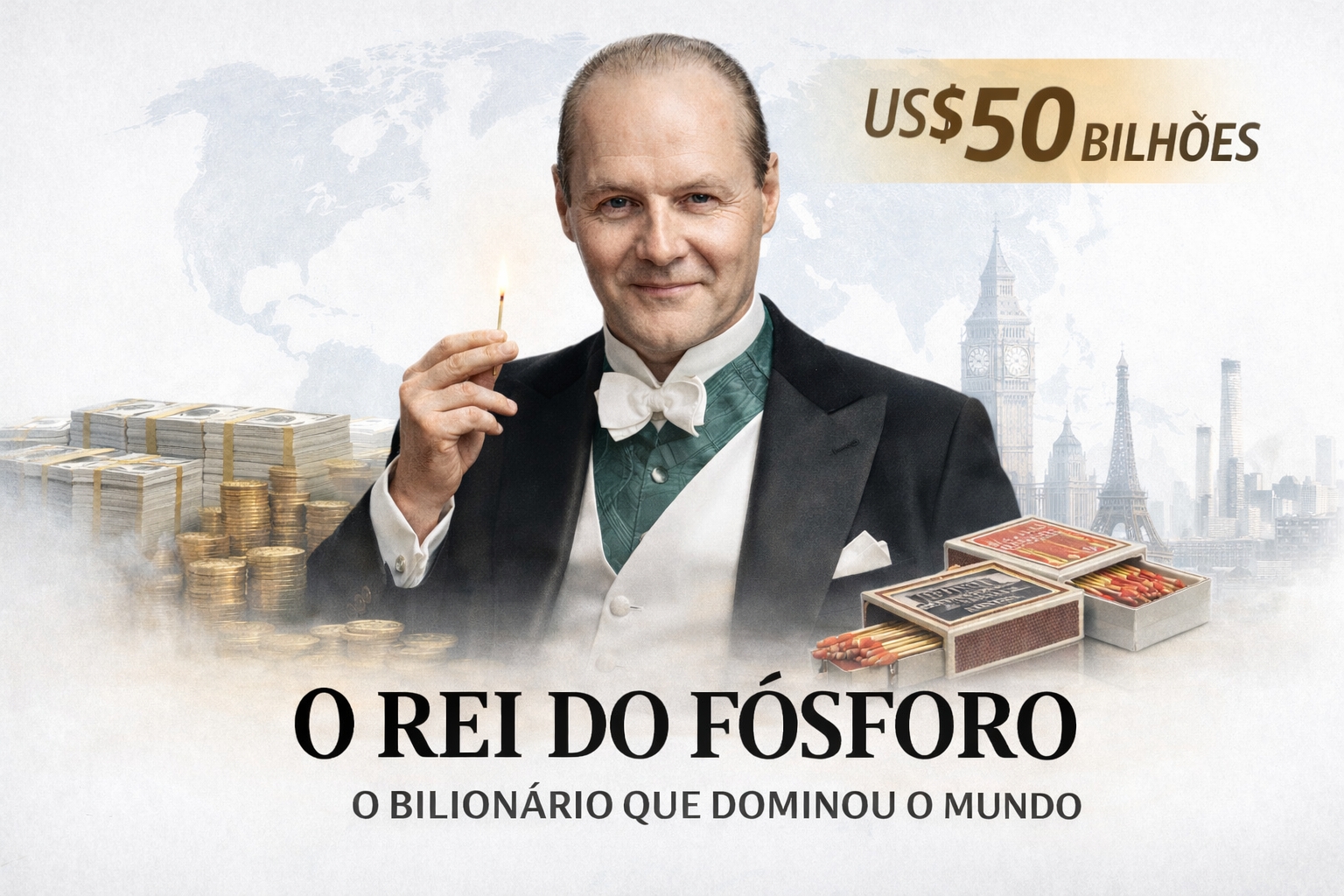
Know The Story Of Swedish Billionaire Ivar Kreuger, The ‘Phosphorus King’: The Biggest Fraud Of The 20th Century! A Billion Dollar Scam That Left An Estimated Deficit Of US$50 Billion, Surrounded By Suspicions Of Fraud, Financial Manipulation, And Mystery About His Death.
The Biggest Fraud Of The 20th Century: Few Characters In The Global Financial History Were As Powerful And Controversial As Swedish Billionaire Ivar Kreuger, Nicknamed ‘The Phosphorus King’, Who Almost Changed The Course Of Europe! He Built A Global Empire, Funded Entire Countries, And Managed Figures That, When Updated, Exceed US$50 billion. For Some, He Was A Visionary. For Others, The Architect Of A Billion-Dollar Scam Based On Sophisticated Accounting Fraud. And At The Center Of It All, A Death In Paris That Still Raises Doubts.
Kreuger’s Fall Was Not Just The Collapse Of A Man. It Was An International Financial Earthquake.
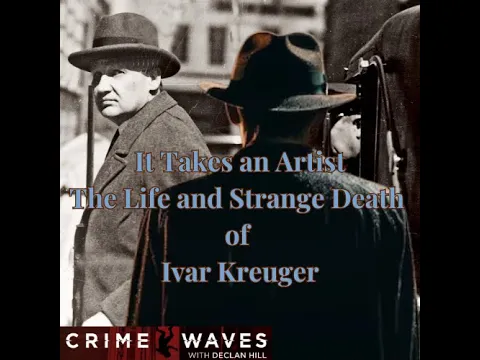

From Concrete Bridges To The Phosphorus Throne
Born On March 2, 1880, In Kalmar, Sweden, Ivar Kreuger Grew Up In A Family Linked To The Paper And Match Industry. From An Early Age, He Showed Talent For Mathematics And Engineering. He Graduated As A Civil Engineer From The Prestigious Royal Institute Of Technology In Stockholm.
-
Friends have been building a small “town” for 30 years to grow old together, with compact houses, a common area, nature surrounding it, and a collective life project designed for friendship, coexistence, and simplicity.

-
This small town in Germany created its own currency 24 years ago, today it circulates millions per year, is accepted in over 300 stores, and the German government allowed all of this to happen under one condition.

-
Curitiba is shrinking and is expected to lose 97,000 residents by 2050, while inland cities in Paraná such as Sarandi, Araucária, and Toledo are experiencing accelerated growth that is changing the entire state’s map.

-
Tourists were poisoned on Everest in a million-dollar fraud scheme involving helicopters that diverted over $19 million and shocked international authorities.


While Still Young, He Worked In The United States, Mexico, And South Africa. In The U.S., He Came In Contact With Major Infrastructure Projects And The Operations Of The Financial Markets In New York. There He Understood An Essential Thing: Credit Is Power.
In 1908, He Founded Kreuger & Toll, Initially Focused On Civil Construction. The Company Was A Pioneer In The Use Of Reinforced Concrete On A Large Scale In Sweden. He Built Emblematic Buildings And Established A Reputation With Aggressive Deadlines, Sometimes Ignoring Regulations And Forcing Exhausting Work Hours To Fulfill Contracts.
But The Real Leap Came When He Turned His Eyes To The Match Industry.
The Global Monopoly And The Birth Of The Swedish Billionaire
At The Beginning Of The 20th Century, Matches Were Indispensable. Before Widespread Electrification, They Were Essential For Cooking, Heating, And Lighting. Kreuger Saw Something That Few Realized: Whoever Controlled Phosphorus Would Control A Product Of Universal Need.
In 1913, He Acquired Swedish Match And Initiated A Series Of Strategic Acquisitions. In A Short Time, He Consolidated Nearly The Entire Scandinavian Market. Then, He Expanded To The Rest Of Europe.
Between 1925 And 1930, He Entered Into Agreements With Over 20 Countries, Including France, Germany, And Italy. The Model Was Simple And Genius: He Offered Million-Dollar Loans To Debt-Ridden Governments In The Aftermath Of World War I. In Exchange, He Demanded The Monopoly Of The Production And Sale Of Matches In These Territories.
In 1925, For Example, He Gave France A Loan Of US$125 Million, Equivalent To About US$1.8 Billion In Today’s Value, In Exchange For A 20-Year Monopoly.
To Raise Funds, He Issued Bonds In The International Market. He Paid Attractive Returns To Investors And Offered Interest Rates Ranging From 4% To 6% To Governments. But The Mechanism Required A Constant Inflow Of New Capital.
He Also Created A Structure Of A Shares With Class A And B. Class B Shares Provided Dividends But Had Virtually No Voting Rights. This Way, He Raised Capital Without Losing Control.
The Empire Grew. It Is Estimated That He Controlled About 75% Of The Global Match Production.
The Billion-Dollar Scam And The Suspicions Of Fraud
The System Seemed Solid. But It Depended On Constant Trust.
With The 1929 Crisis And The Onset Of The Great Depression, Investors Started Withdrawing Money. Indebted Governments Faced Difficulties In Meeting Their Obligations. The Pressure For Independent Audits Increased.
At This Point, Signs Of Questionable Practices Emerged. Issuances Of Unsecured Bonds, Manipulation Of Balances, Use Of Dummy Companies To Conceal Debts, And Possibly Forged Documents.
Only In The Last Year Before His Death, He Issued Over US$200 Million In Unsecured Bonds.
When The Empire Crumbled, The Estimated Deficit In Today’s Values Exceeded US$50 billion. One Of The Biggest Financial Scandals Of The 20th Century.
The Impact Was So Profound That It Helped Drive Regulatory Reforms. In 1934, The SEC (Securities And Exchange Commission) Was Established In The United States. As The Institution Itself States, Its Mission Is “To Protect Investors, Maintain Fair, Orderly, And Efficient Markets” (source: SEC).
Learn More About The SEC’s Mission At SEC.
Kreuger’s Collapse Became A Classic Case Studied Even Today In Finance Courses.
The Death In Paris: Suicide Or Murder?
In March 1932, Ivar Kreuger Was Found Dead In His Apartment In Paris, With A Gunshot Wound To The Heart.
The Official Version Pointed To Suicide.
But The Details Raised Doubts:
- The Gun Was A Heavy Browning 9mm.
- The Shot Hit Precisely In The Heart.
- The Gun Was In His Left Hand.
- His Left Index Finger Was Partially Amputated And Rigid, Making It Difficult To Fire.
- There Was No Autopsy.
- The Body Was Quickly Cremated.
- Personal Documents Disappeared.
The Alleged Suicide Note Was Typed In English, Even Though It Was Addressed To Another Swede, And Was Signed Only With “I.K.”, Different From His Usual Signature.
Relatives Claimed That A Doctor Declared: “This Is Not Suicide, It Is Murder.” However, The Autopsy Was Prohibited By Government Order.
Theories Emerged.
Some Pointed To Financial Interests Harmed By His Aggressive Lending Policy. Others Mentioned Possible International Political Interests, As He Financed The Weimar Republic In Germany In Opposition To The Nazi Rise.
There Was Also Speculation Involving Investors Who Were Short Selling His Shares.
To This Day, There Is No Definitive Conclusion.
From Economic Hero To Symbol Of Fraud
Before His Death, He Was Seen As The Financial Savior Of Nations Ravaged By War. Afterward, He Became Synonymous With Fraud And Manipulation.
A Commission Formed Mainly By Creditors Quickly Declared His Companies Insolvent. Foreign Accountants Were Hired. Documents Disappeared. The Public Narrative Changed Abruptly.
The Image Of The Swedish Billionaire Was Destroyed Almost Overnight.
Today, Historians Remain Divided. Some See Him As A Financial Genius Who Lost Control Of His Own System. Others Argue That He Was The Conscious Architect Of An Unsustainable Scheme.
The Legacy Of The Phosphorus King: The Biggest Fraud Of The 20th Century
The Kreuger Case Is Studied In Universities, Analyzed By Economic Historians, And Cited As A Watershed Moment In Market Regulation.
It Showed How The Lack Of Transparency Can Sustain An Empire For Years, Until Trust Disappears.
It Also Revealed How Financial Power, International Politics, And Strategic Interests Can Mix In An Explosive Way.
The Story Of The Phosphorus King: The Biggest Fraud Of The 20th Century Continues To Fascinate Because It Blends Three Elements That Never Fail To Captivate: Money, Power, And Mystery.
If You Made It This Far, I Want To Know Your Opinion: Do You Believe It Was Suicide Or Murder? Leave Your Comment Below And Share This Article With Those Who Enjoy Real Stories About Major Financial Scandals.










-

2 pessoas reagiram a isso.