





 Portuguese
  English
  Spanish
  5 min of reading
  0 comments


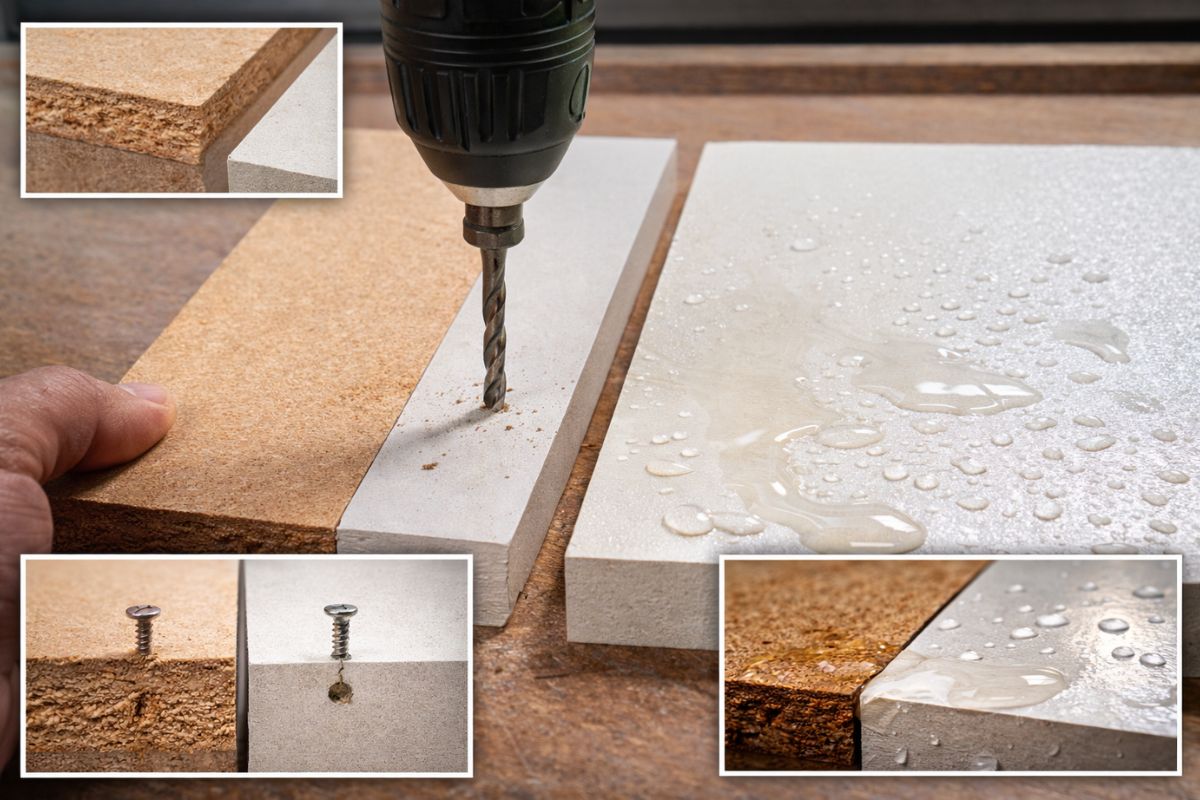
In A Comparison Purchased With Own Resources And Made With 15Mm Sheet For R$ 89.90, The PVB Was Submitted To The Same Cut, The Same Drilling, And The Same Assembly Of MDF, Delivering Better Immediate Finish And Opening Real Debate About Application, Cost And Durability In Home And Professional Woodworking.
The PVB Entered The Test With An Ambitious Promise, To Replace MDF In Part Of Woodworking Services, Especially In More Humidity-Sensitive Situations. In The Evaluation Conducted By Fábio, From The Channel Se Vira No Cachote, The Proposal Was Simple And Direct, To Compare The Two Materials In Cut, Drilling, And Assembly, Using Similar Conditions And Common Workshop Tools.
The Point That Stands Out Is Not Only The Favorable Result For The New Composite In Specific Stages, But The Method Adopted By The Evaluator, Who Claims To Have Purchased The Sheet With His Own Funds, For R$ 89.90, To Reduce Suspicions Of Disguised Promotion. The Analysis Does Not Yet Conclude The Discussion, But It Already Opens A Relevant Question For Those Who Manufacture Furniture And Niches In Their Daily Lives.
What Was Tested And Under What Conditions Did The Comparison Start
The Comparison Started From A Situation That Relates To The Routine Of Real Woodworking, Not From A Laboratory.
-
Friends have been building a small “town” for 30 years to grow old together, with compact houses, a common area, nature surrounding it, and a collective life project designed for friendship, coexistence, and simplicity.

-
This small town in Germany created its own currency 24 years ago, today it circulates millions per year, is accepted in over 300 stores, and the German government allowed all of this to happen under one condition.

-
Curitiba is shrinking and is expected to lose 97,000 residents by 2050, while inland cities in Paraná such as Sarandi, Araucária, and Toledo are experiencing accelerated growth that is changing the entire state’s map.

-
Tourists were poisoned on Everest in a million-dollar fraud scheme involving helicopters that diverted over $19 million and shocked international authorities.

The Evaluator Purchased A Sheet Of PVB From A Store Only Referred To As “L”, Showed The Amount Paid And Started The Tests Focusing On Practical Operation, Without Sophisticated Equipment Or Exclusive Tools For The New Material.
This Detail Matters Because The Purpose Of The Video Was Not To Sell Miracle, But To Check If The PVB Delivers On Its Promise When It Goes Through The Basic Stages That Often Result In Finish Loss And Rework.
Clean Cut, Chipless Drill, And No Cracks In Assembly Are Objective Criteria For Any Professional Or Hobbyist To Evaluate Whether It Is Worth Switching Or Combining Materials.
Cut With Common Saw And The First Advantage Observed Of The PVB
In The Cutting Test, The PVB Was Subjected To A Saw Used For Solid Wood, With Fewer Teeth And Without Ideal Sharpening For Panels.
Still, The Result Presented Was Described As Clean, Smooth, And Without Forcing The Machine. The Evaluator Highlights That The Cut Was “Perfect” Even Without Using A Specific Saw For MDF.
When The Same Procedure Was Repeated On MDF, Using The Same Saw, Sawing Appeared. This Does Not Mean That MDF Cuts Poorly Under Any Conditions, Because The Report Clearly States That The Blade Used Was Not The Most Suitable For This Panel.
Even So, The Practical Comparison Favored The PVB In This Scenario, With A Cleaner Finish Under The Same Tool Condition.
Entry And Exit Drilling Where The PVB Advanced Most
In The Drilling Stage, The Report Indicates That The PVB Required Less Effort From The Machine And The Drill, With A Sense Of Softer Material To Drill Through.
The Evaluator Also Draws Attention To The Finish At The Exit Of The Hole, Which Remained Clean Even Without Support At The Base In One Of The Tests Shown.
In MDF, The Classic Problem Reappeared, Chips And Peeling At The Exit, Especially Due To The Presence Of The Melamine Layer, Described As Harder At The Drill Entrance.
This Difference In Finish At The Exit Of The Hole Is An Important Technical Point, Because It Directly Influences The Final Appearance And The Time Spent On Corrections, Cleaning, And Post-Finish.
Assembly And Top Screwing Where The MDF Lost Resistance
The Most Sensitive Stage Of The Comparison Was The Assembly With Screws, Including Base And Top, With And Without Pre-Drill. The Evaluator Himself Reminds Us That, In MDF, The Pre-Drill Is Usually Indispensable To Avoid Cracking And Opening Of The Piece.
In The Test, The PVB Withstood Screwing Without Pre-Drilling On One Side Without Cracking, Remaining Intact According To The Demonstration.
On The Other Hand, In MDF, The Result Was As Expected By Those Who Work With Panels, The Piece Opened On The Side Without Pre-Drilling And Lost Resistance.
The Author Emphasizes That This Compromises The Use Of The Assembled Piece After Opening. Here Lies The Main Warning Signal For Woodworking, Because Failed Top Screwing Causes Material Loss, Delays In Assembly, And Indirect Costs.
Even With The Advantage Shown By The PVB, The Evaluator Does Not Abandon Good Practice. He Continues To Recommend Pre-Drilling In MDF, MDP, And Plywood, And Also Uses Countersinking To Improve Screw Seating.
This Adds A More Technical Tone To The Analysis, Because It Prevents A Good Point Result From Turning Into An Absolute Rule For Any Situation.
Wet Areas, Water Test, And What Has Already Appeared Without Concluding The Analysis
The Central Promise Associated With The PVB In The Comparison Is Its Possible Application In Wet Areas, Such As Bathrooms, Kitchens, Laundry Rooms, And Even Environments Exposed To Rain.
To Begin Testing This Point, The Evaluator Assembled Boxes And Started A Water Test, Observing The PVB And Only Wetting The MDF, Without Keeping It Submerged As He Had Already Anticipated The Behavior Of The Traditional Panel.
This Detail Is Important To Keep The Reading Honest. The Water Test Was Started, But Not Finished In The Same Evaluation. The Author States That He Would Leave The Material “Working” For A Week And Promises New Tests, Including Edging, Painting, And Screw Pulling.
In Other Words, There Are Favorable Indications For The PVB, But The Durability Aspect In Humidity Was Still Underway At That Moment.
What This Comparison Really Says About The Threat To The MDF
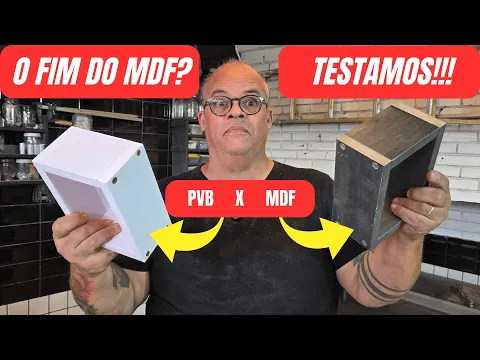

The Short Answer Is That It Is Still Not Possible To Declare The End Of MDF Based On A Single Practical Comparison. What The Evaluation Clearly Shows Is That The PVB Outperformed Under The Tested Conditions In Cutting With An Inadequate Saw For MDF, Drilling With A Better Finish, And Screwing With Greater Tolerance Without Pre-Drill.
At The Same Time, The Video Itself Suggests A More Likely Scenario In The Short Term, Coexistence Between Materials. The MDF Remains Strong In Cost, Availability, And Market Habit, While The PVB Appears As A Relevant Candidate For Use Niches Where Hole Finish, Assembly, And Humidity Exposure Weigh More In The Decision. The Debate, Therefore, Is Not Only Total Replacement, But Redistribution Of Functions In Woodworking.
The Test Presented Places The PVB In A Prominent Position For A Simple Reason, It Succeeded Precisely In The Stages That Frustrate Those Who Assemble Furniture, Chips In The Hole, Openings On Top, And Rework In The Finish. This Does Not End The Technical Discussion, But Changes The Tone Of The Conversation And Forces Woodworkers To Look At The Material More Seriously.
If You Work With Custom Furniture, Workshop Woodworking, Or Do Projects At Home, Which Stage Weighs More In Your Routine Today, Clean Cut, Chipless Drilling, Top Screwing, Or Moisture Resistance? And In What Type Of Piece Would You Test The PVB First Without Giving Up MDF?










-

-

3 pessoas reagiram a isso.