





 Portuguese
  English
  Spanish
  3 min of reading
  0 comments


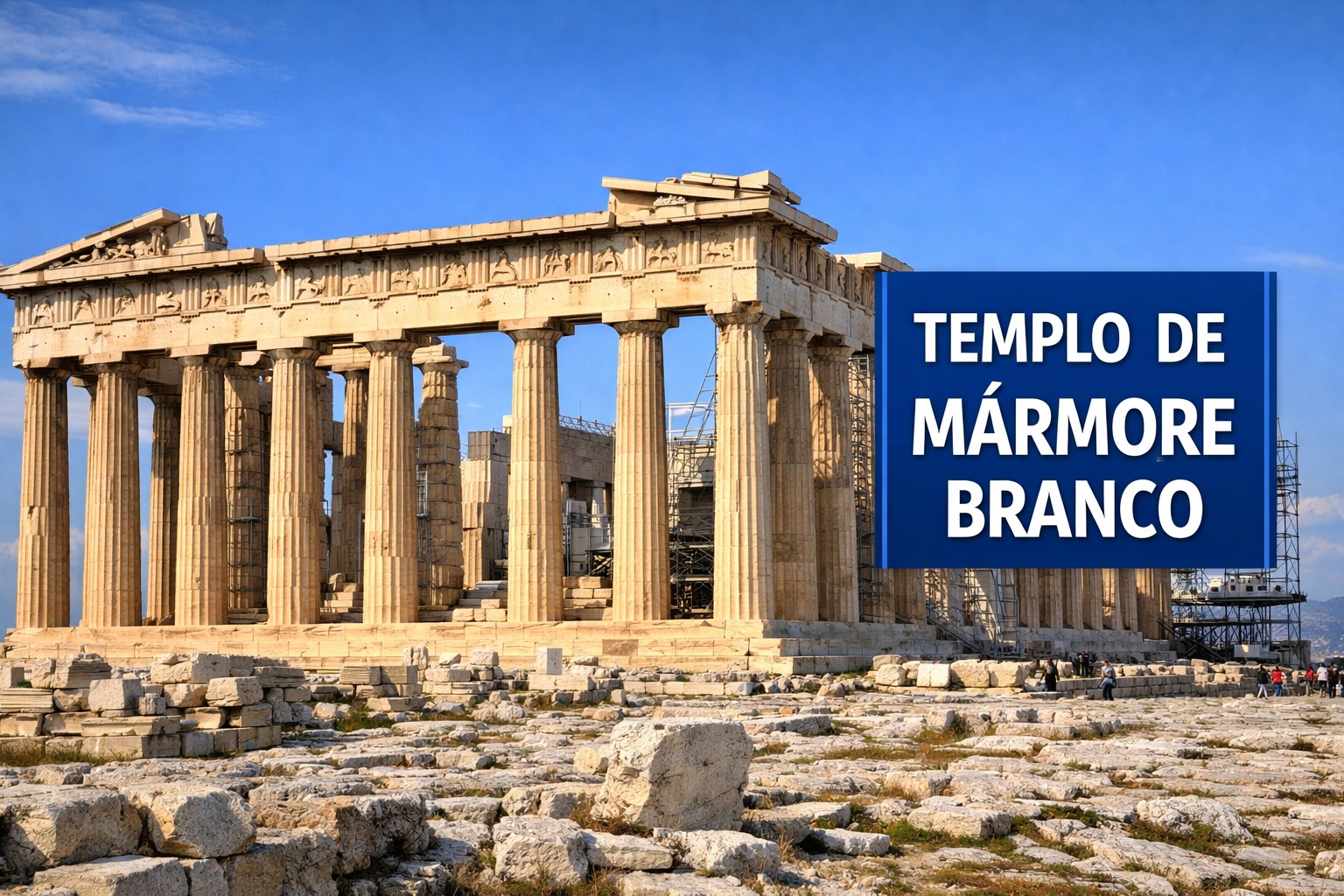
Among Doric Columns, Pentelic Marble, and Centuries of History, the Parthenon Remains an Icon of Classical Architecture, Uniting Art, Power, and Faith in the Monumental Heart of the Eternal Ancient Greek Civilization
The Parthenon dominates the horizon of the Acropolis of Athens as a living reminder of human ingenuity. Erected in 447 BC, the white marble temple dedicated to the goddess Athena has withstood centuries of wars, transformations, and restorations, remaining one of the greatest symbols of classical architecture and Greek identity itself.
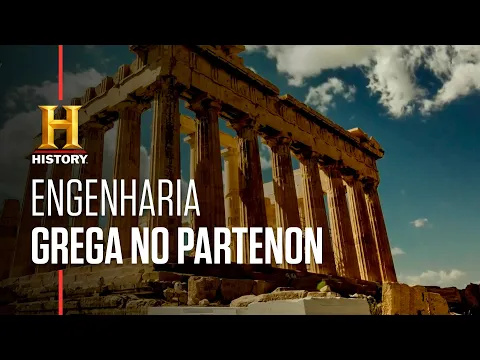

The Harmony of the 46 Doric Columns
The monument’s reputation was born not only from its grandeur but from precision. The 46 external columns follow the Doric style and were designed with refined optical corrections.
Among them is the entasis, an almost imperceptible curvature that adjusts visual perception and makes the columns appear perfectly straight.
-
Motorola launched the Signature with a gold seal from DxOMark, tying with the iPhone 17 Pro in camera performance, Snapdragon 8 Gen 5 that surpassed 3 million in benchmarks, and a zoom that impresses even at night.

-
Satellites reveal beneath the Sahara a giant river buried for thousands of kilometers: study shows that the largest hot desert on the planet was once traversed by a river system comparable to the largest on Earth.

-
Scientists have captured something never seen in space: newly born stars are creating gigantic rings of light a thousand times larger than the distance between the Earth and the Sun, and this changes everything we knew about stellar birth.

-
Geologists find traces of a continent that disappeared 155 million years ago after separating from Australia and reveal that it did not sink, but broke into fragments scattered across Southeast Asia.

It is the type of detail that rarely catches attention at first glance, but supports the sense of balance that has impressed visitors for millennia.
This architectural rigor was led by central figures of Greek art. Phidias, Ictinus, and Callicrates coordinated a project in which mathematics, aesthetics, and religion intertwined.
Each block of Pentelic marble, known for reflecting the Mediterranean sunlight, contributed to the luminous appearance that still defines the temple’s profile today.
Faith, Power, and Memory
More than a space for devotion, the Parthenon also represented political strength. Conceived after the Persian Wars, the building functioned as a treasury of the city and a public affirmation of Athenian greatness.
Inside, it housed the chryselephantine statue of Athena Parthenos, made of gold and ivory, the highest expression of reverence to the protective goddess.
The combination of religious symbolism and civic message helped transform the temple into a lasting reference.
Throughout history, its image has inspired artistic movements and architectural projects in different eras, becoming a kind of silent manual of classical proportion.
Beyond the Parthenon: The Sacred Complex
Those who walk through the Acropolis find a dialogue among monuments. The Propylaea marks the monumental entrance of the complex.
The Temple of Athena Nike adds lightness to the rocky landscape. Meanwhile, the Erechtheion stands out for its Caryatids, columns sculpted in the form of female figures, which unite sculpture and structure in a visually striking solution.
A few steps away, the experience extends to the Acropolis Museum. The institution preserves original sculptures and fragments of the frieze, providing essential context to understand the artistic and historical narrative that the ruins tell outdoors.
Data That Shape the Visitor’s Eye
According to the Greek Ministry of Culture and the UNESCO portal, the current complex dates back to the 5th century BC, a period known as the Age of Pericles.
Recognized as a World Heritage site by UNESCO in 1987, the site occupies the top of a rocky outcrop situated 150 meters above sea level.
Annual visitation reaches millions of tourists, consolidating the location among the most sought after in Europe.
Preservation in Progress
The Parthenon has not reached the present intact. Explosions, looting, and natural wear have left deep marks.
Today, the Greek government conducts meticulous interventions to restore columns, stabilize structures, and protect the marble from urban pollution. The work is slow, technical, and ongoing.
Among scaffolding and restored blocks, the feeling remains that the monument is still writing its story.
Walking there is witnessing not only the past but also the contemporary effort to ensure that this heritage continues to inspire future generations.
With information from BMC News.







Seja o primeiro a reagir!