





 Portuguese
  English
  Spanish
  4 min of reading
  0 comments


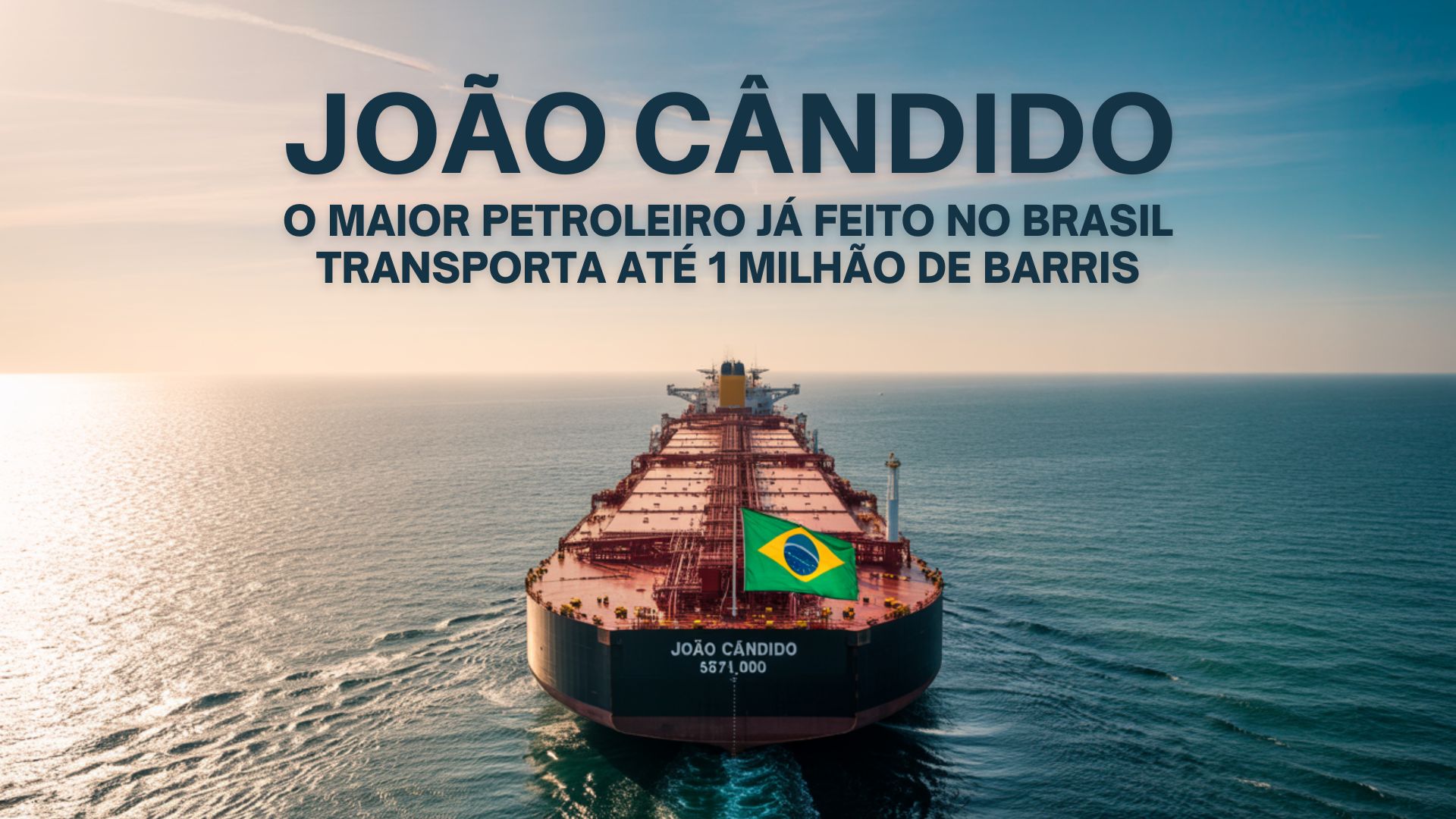
With 274 Meters in Length and Capacity to Transport Up to 1 Million Barrels of Oil, the João Cândido Is the Largest Oil Tanker Ever Built in Brazil, Produced by the Atlântica Sul Shipyard in Pernambuco.
The João Cândido is the largest oil tanker ever built in Brazil. With 274 meters in length, 48 meters in width, and a weight of 157 thousand tons deadweight, the ship can transport up to 1 million barrels of oil in a single trip. The vessel was produced by the Atlântica Sul Shipyard (EAS), located in the Suape Industrial Port Complex in Ipojuca (PE).
The ship was ordered by Transpetro, a subsidiary of Petrobras, as part of the Fleet Modernization and Expansion Program (Promef), created with the objective of renewing the Brazilian fleet and stimulating the shipbuilding industry in the country. Construction began in 2007, and it was launched in May 2010. However, the official delivery only occurred two years later, in May 2012, after necessary technical adjustments.
Construction and Technical Characteristics of the Largest Oil Tanker in Brazil
Designed to operate as a Suezmax oil tanker, the João Cândido has dimensions compatible with the maximum size allowed in the Suez Canal in Egypt. This category of ship is intended for transporting large volumes of oil over long maritime distances, making it suitable for international routes as well as for shuttle navigation in offshore fields.
-
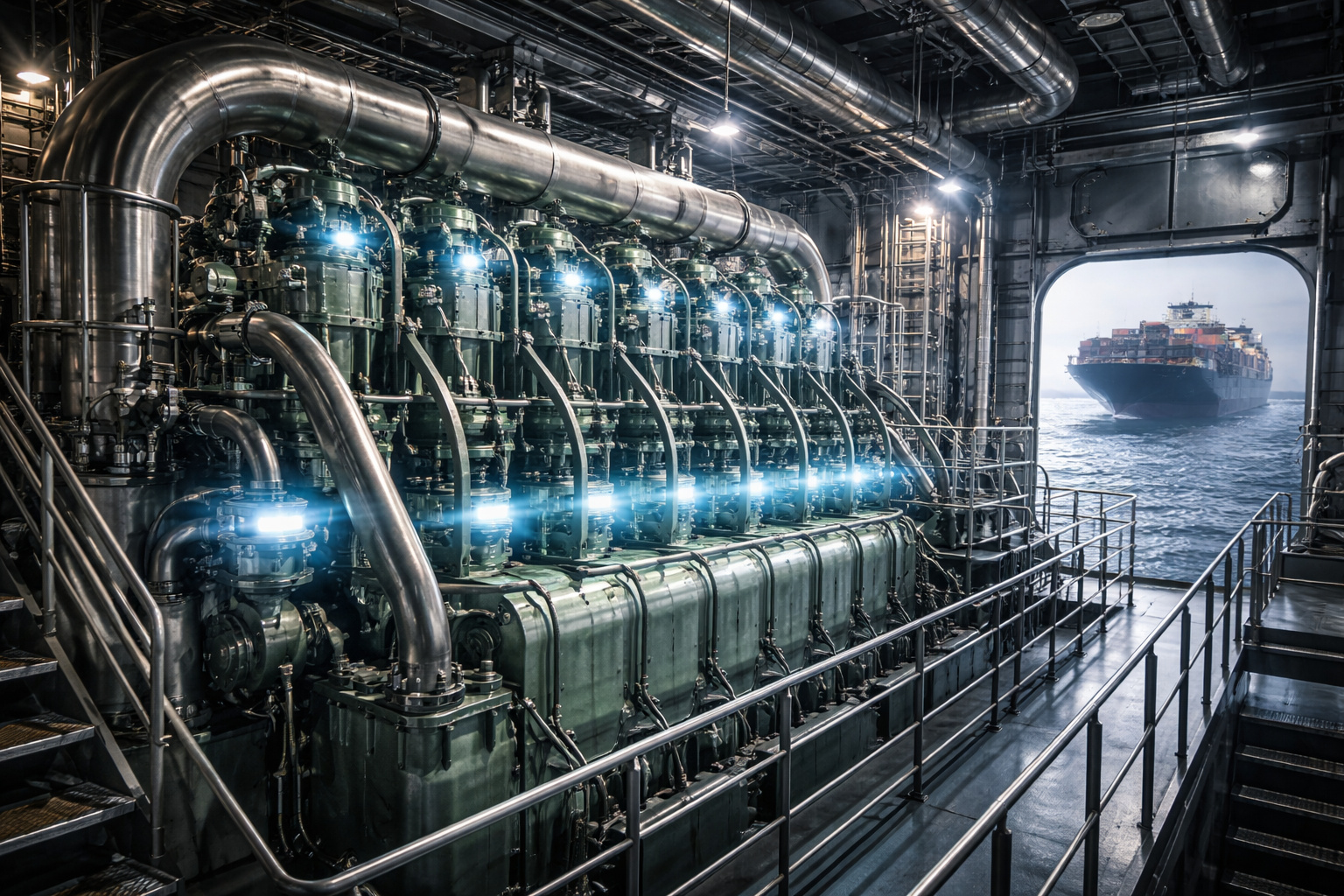
Europe is trying to create an ammonia-powered marine engine without auxiliary fuel, which could unlock the race for giant emission-free ships. The technology aims to eliminate one of the biggest obstacles to clean maritime propulsion.
-
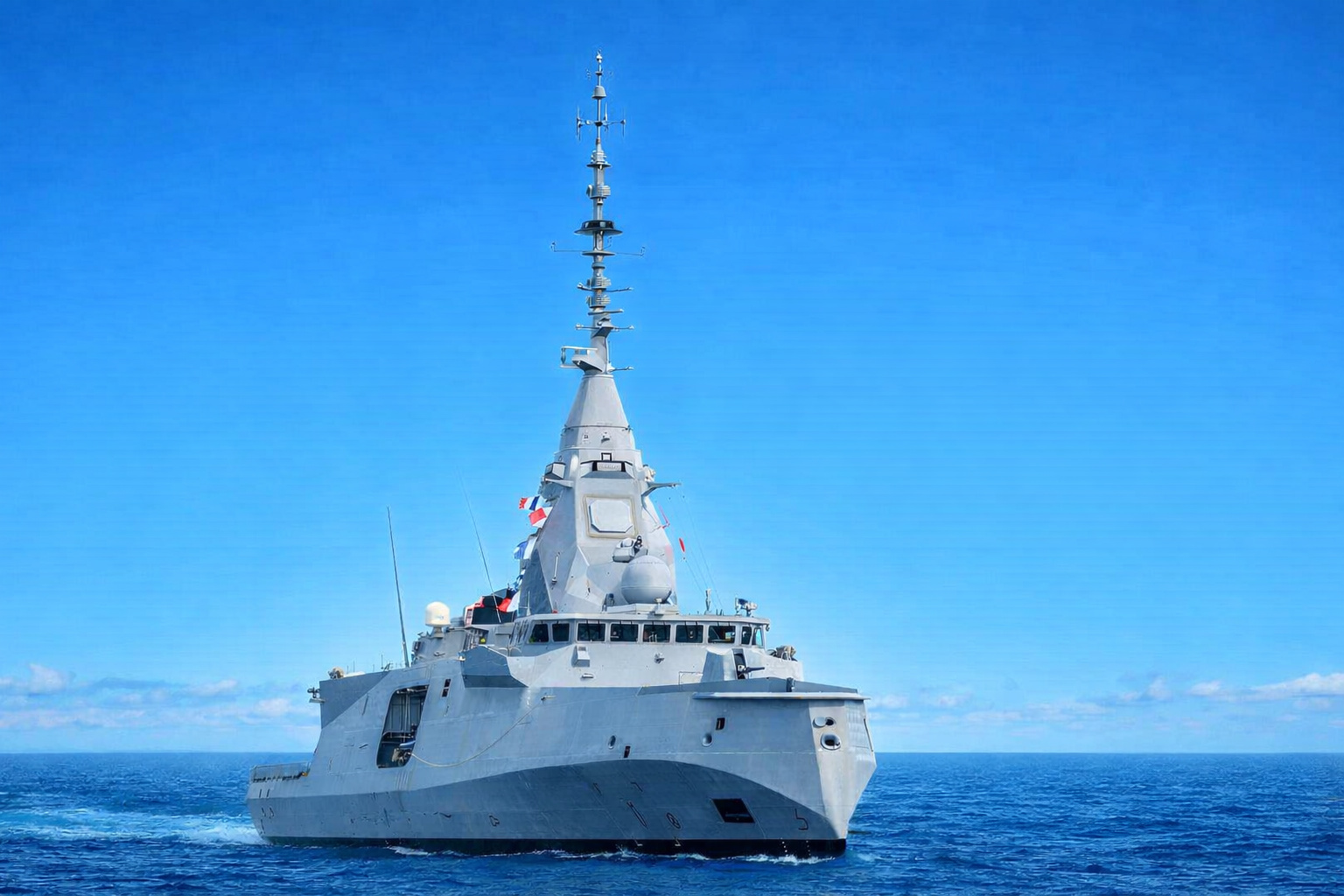
A 4,500-ton frigate with just over 100 crew members, state-of-the-art radar, and cruise missiles is being touted as the new standard of naval warfare in the 21st century.
-
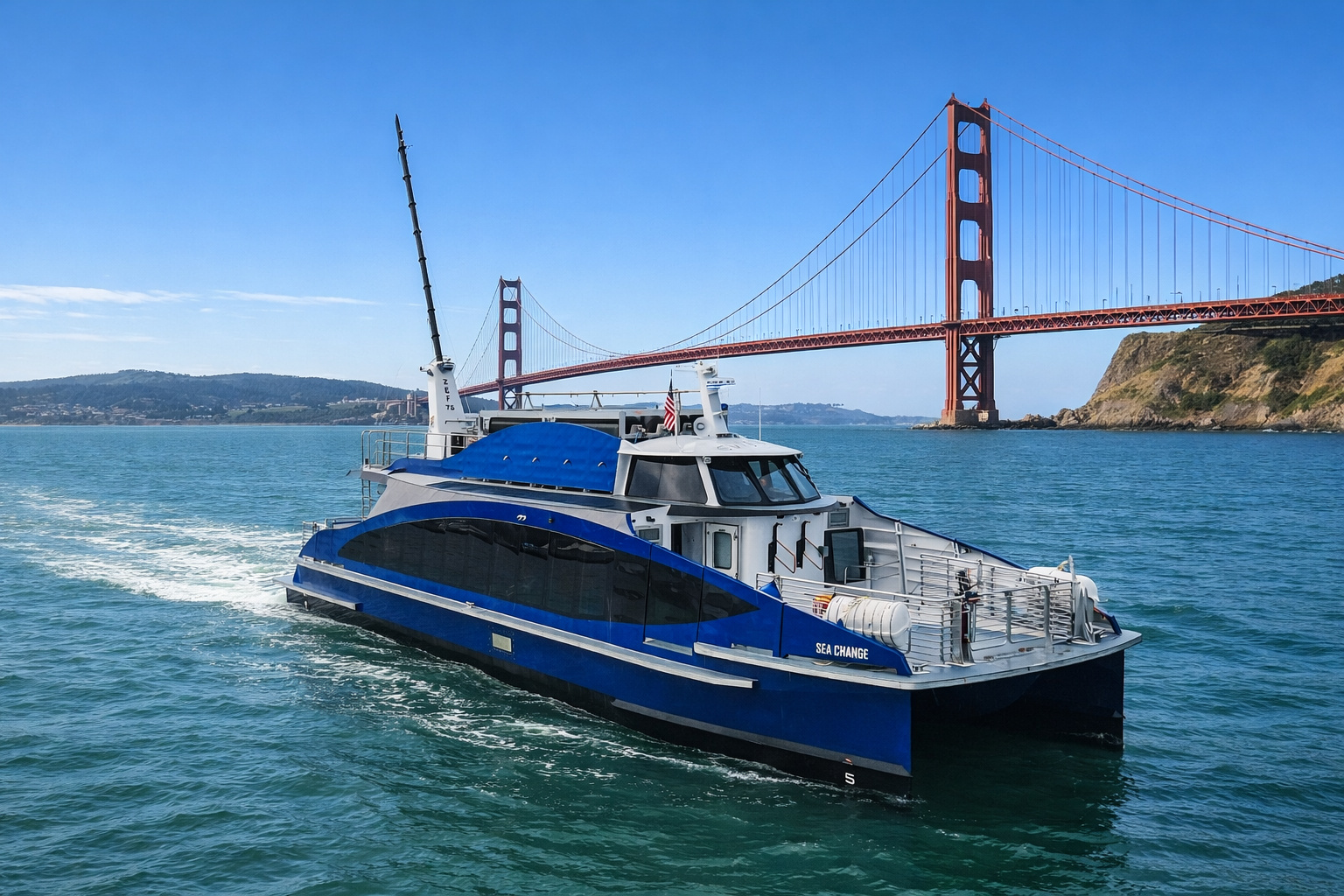
The first commercial hydrogen-powered ferry enters operation in the U.S., eliminates the use of diesel, uses fuel cells to generate clean energy on board, and transforms San Francisco Bay into a landmark of the new era of emission-free navigation.
-
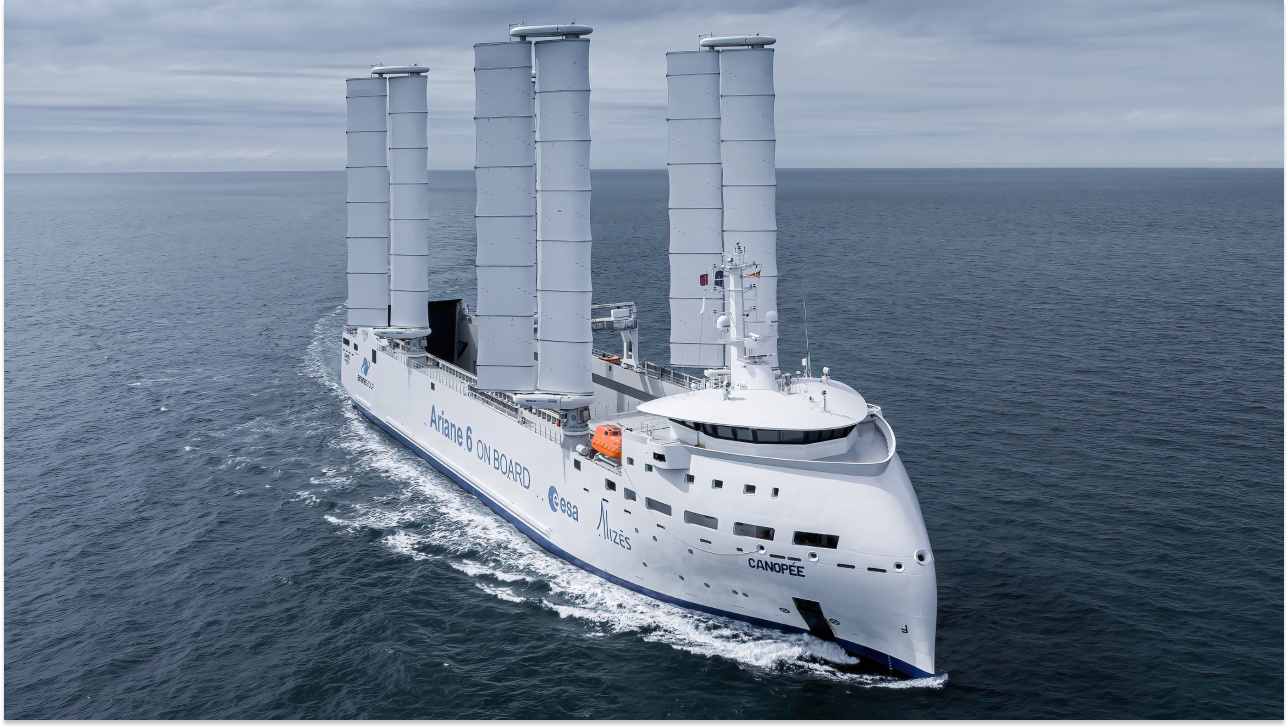
With a length of 121 meters and four rigid sails of 36 meters that automatically rotate to capture the wind, Canopée is the world’s first hybrid industrial cargo ship powered by wind, used to transport rockets and reduce fuel consumption by up to 30% on transoceanic routes.

The vessel is equipped with a MAN B&W 6S70MC-C diesel engine, manufactured under license, capable of reaching speeds of up to 13.6 knots. It features 12 cargo tanks and a gross tonnage of over 81 thousand tons. The operation involves transport between offshore platforms and refining units or logistical terminals.
The ship is also outfitted with safety and monitoring systems required by international navigation standards, operating in accordance with the guidelines of the International Maritime Organization (IMO).


Role in Oil Logistics in Brazil
The João Cândido operates as a relief vessel, transporting crude oil from exploration platforms to terminals located along the Brazilian coast. This type of operation is necessary to offload production from pre-salt areas and other maritime fields. The volume that the vessel can transport is roughly equivalent to about half of the daily national crude oil production recorded in the year of its delivery.
With this capacity, the ship facilitates the flow of offshore production, helping to reduce the number of trips and expedite the transport of cargo to refining or export points. Since it began operations, it has made dozens of cabotage trips and also international routes.
Construction Location
The Atlântica Sul Shipyard was responsible for building the ship and other tankers of the same size, such as the Zumbi dos Palmares, André Rebouças, and Dragão do Mar. The construction of the João Cândido required the mobilization of thousands of workers, the use of cutting-edge technology in ship welding, and large-scale industrial planning.
Located in Suape, the shipyard started its operations in the 2000s and was once the largest in Latin America in installed capacity. The construction of the João Cândido was considered a milestone for the revival of the Brazilian shipbuilding industry.
Promef Program
The João Cândido was the first ship built by the EAS under the Promef. The program anticipated the construction of 49 vessels, focusing on the transportation of oil, derivatives, and gas. The objective was to reduce reliance on foreign vessels and strengthen the national shipbuilding industry.
The Promef divided orders among different Brazilian shipyards, encouraging the development of specialized labor and local suppliers. The construction of the João Cândido was viewed as one of the most complex within the initial schedule of the program.
Current Situation
Currently, the ship continues to operate under the Brazilian flag, registered in the Transpetro fleet. It carries out oil transport routes along the national coast as well as in international operations, depending on export demand and cargo transfers between terminals.
The João Cândido is expected to operate for at least 25 years, with scheduled maintenance and technological upgrades during its operational life. The vessel remains active in the logistics of the oil and gas sector, integrating the transport fleet of Petrobras and contributing to the movement of large volumes of crude oil extracted in Brazil.







Seja o primeiro a reagir!