





 Portuguese
  English
  Spanish
  4 min of reading
  0 comments


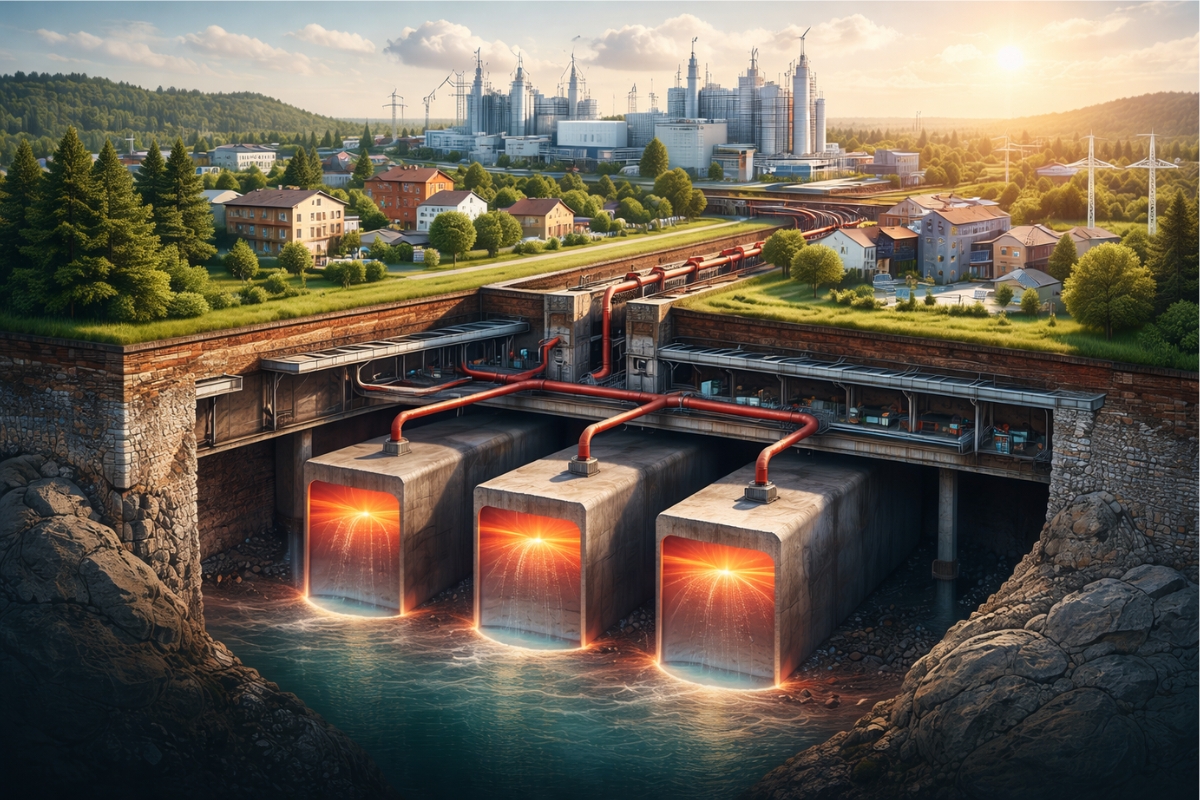
With water at up to 140°C, three giant caves and a capacity of 90 GWh, the project started in Vantaa places Finland in the race for underground heat solutions and changes the strategic outlook on urban heating
Finland has begun to make room underground for a project that draws attention for its size and function. In Vantaa, three giant caves are being excavated to store heated water and form an underground heat reserve for the colder months.
In practice, the project creates a kind of thermal vault capable of storing energy in the form of heat when demand decreases and releasing this volume in winter. The expected effect is to strengthen the urban heating network and reduce pressure during peak consumption periods.
Three caves with 1.1 million m³ will store seasonal heat
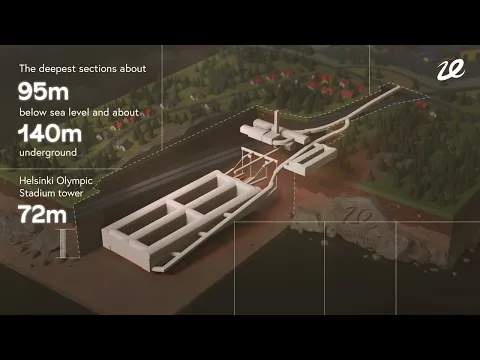
The project plans to construct three caves underground, each about 20 meters wide, 300 meters long, and 40 meters high. Together, they will reach a total volume of 1.1 million cubic meters.
-
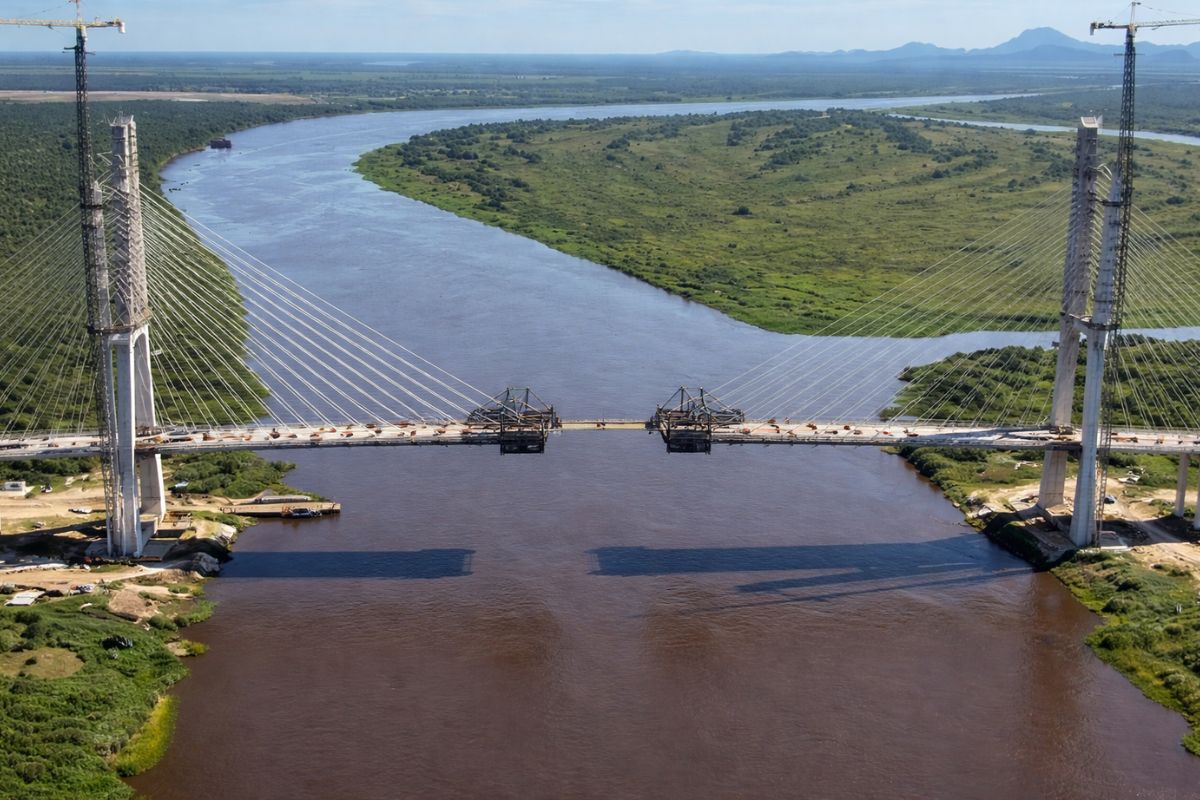
Only 46 meters remain for Brazil and Paraguay to connect via the Bioceanic Route bridge, the project that will link the Atlantic to the Pacific by land and change the logistical map of four countries in South America.
-
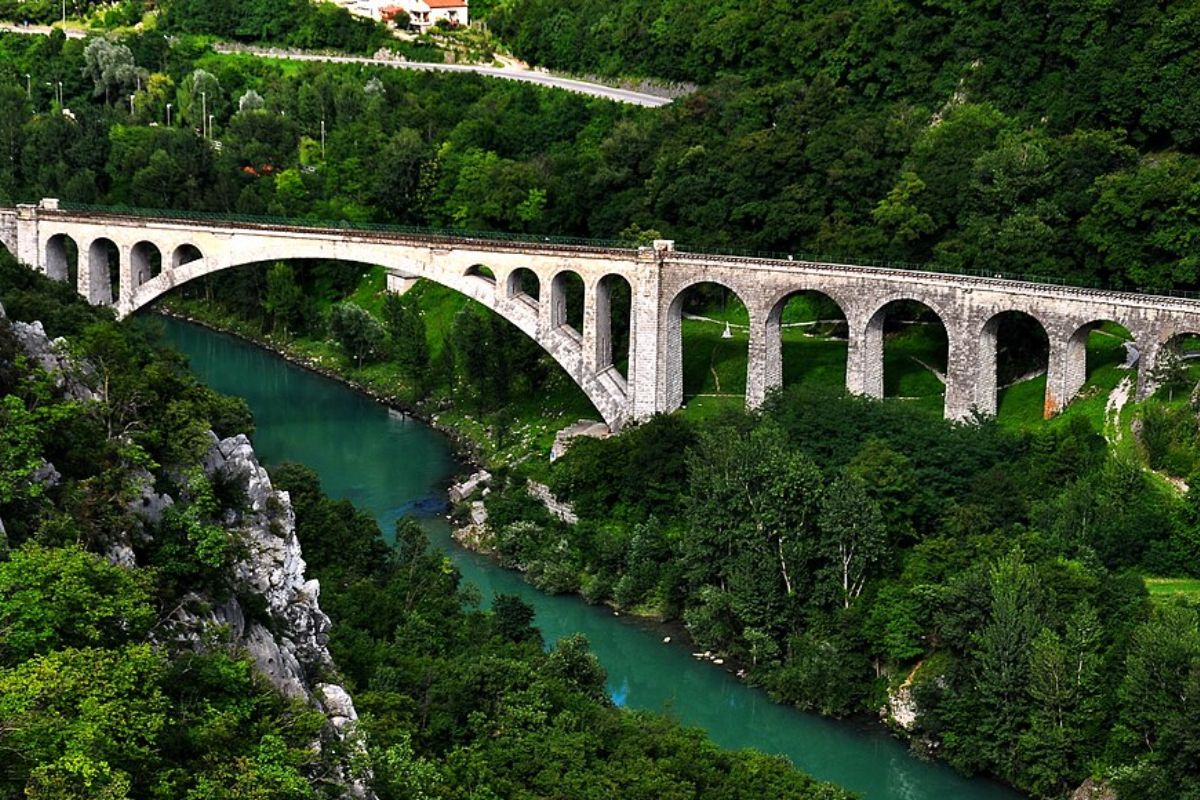
The bridge that holds the largest stone railway arch in the world: built over 100 years ago, destroyed in the war, and rebuilt to continue operating to this day, it still carries trains over the Soča River in Slovenia.
-
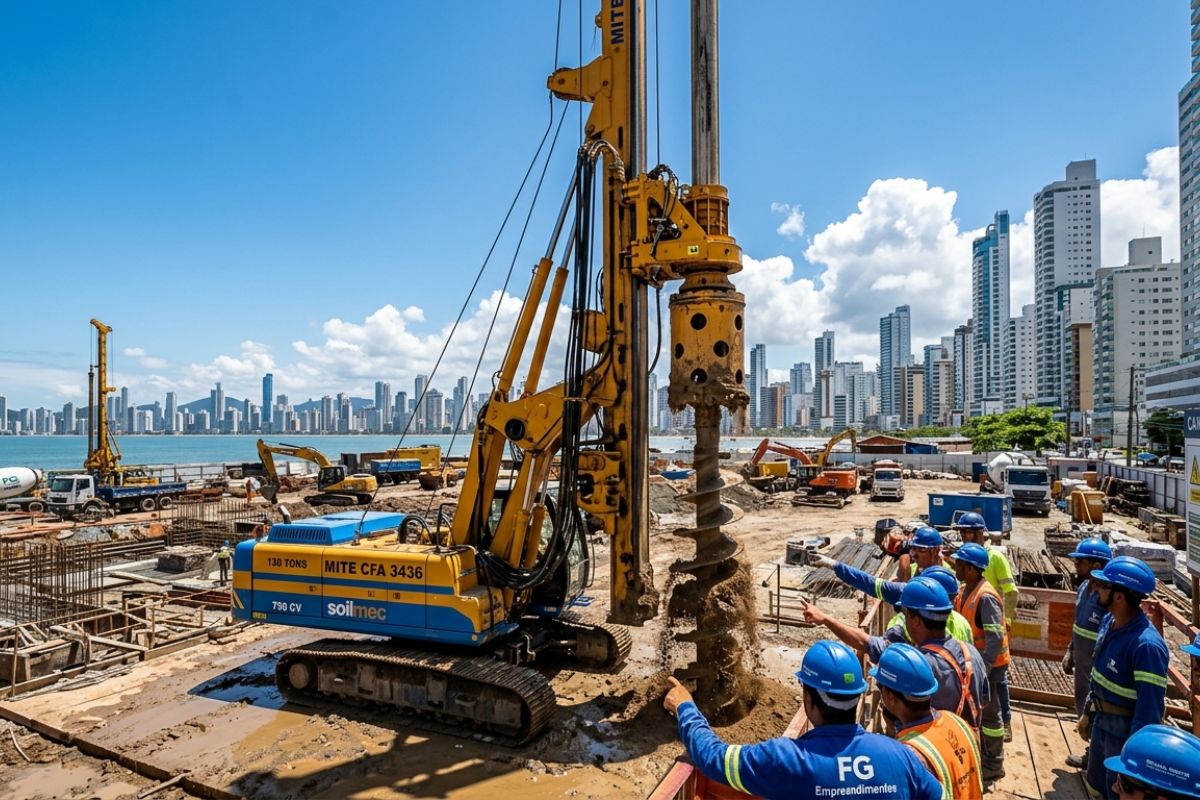
Italian giant of 130 tons arrives at the Senna Tower construction site and accelerates foundations: Mite CFA 3436 drills up to 50 m, 750 hp engine, investment of R$ 20 million, unique in Latin America.
-
The adobe house in Monteiro Lobato takes shape with bamboo and clay from the land, a stone foundation, and a roof for the wind; cracks are normal, and finishing with lime turns it into a “common house.”

This space will be used to store heat for long periods, allowing thermal energy produced during times of lower usage to be available when the cold sets in. It is this scale that places the project among the most ambitious in the sector.

Water at 140°C will be below ground at more than 100 meters deep
One of the most impressive aspects of the project is the water temperature. The system is designed to store water at up to 140°C at great depth, with enough pressure to maintain operation within the expected conditions.
The caves are located more than 100 meters below the surface, with the deepest area reaching 140 meters. This allows the underground to be transformed into a high-temperature heat storage structure with a strategic function for winter.
Capacity of 90 GWh can sustain a Finnish city for a year
The underground reserve is designed to achieve 90 GWh of thermal capacity. This volume is considered sufficient to heat a medium-sized Finnish city over the course of one year.
In addition to its size, the structure also draws attention for its power. The system’s discharge reaches 200 MW, which reinforces the utility of the project during peak times and enhances the urban network’s responsiveness.

Construction began in 2025 and operation is expected in 2030
The main excavation began at the end of 2025 and is expected to progress for about three years. The current forecast points to operational readiness in 2030, following adjustments to the schedule throughout the project’s development.
This timeline shows that the project has moved from being merely a proposal to being firmly in the execution phase. As a result, Finland is beginning to materialize a solution designed to address the seasonality of thermal consumption.
Two electric boilers of 60 MW will raise the water temperature
The project also includes two electric boilers of 60 MW. They will be used to increase the temperature of the stored water and can also send heat directly to the network when electricity is at a more favorable level.
In practice, this enhances the system’s flexibility. Heat can come from either excess available at other times or from the conversion of electricity into useful thermal energy for the city.

Investment exceeds 200 million euros and changes the logic of winter
The project involves an investment of more than 200 million euros, with more recent projections around 300 million euros. This amount helps to size the scale of an infrastructure designed to operate for decades.
More than just a large-scale excavation, the project repositions the use of the underground as an energy asset. Instead of merely distributing heat when the cold arrives, the city begins to store energy beforehand, with a direct impact on cost, security, and planning.
The initiative transforms heat into a strategic reserve and gives Finland a global showcase in thermal infrastructure. What once seemed merely a seasonal resource now functions as a permanent asset to face winter.
By concentrating volume, depth, and temperature in a single structure, Vantaa creates a new model of underground storage with a real impact on the urban network. It changes the strategic outlook.
Sources: Vantaan Energia / official project, AFRY / project statement




Seja o primeiro a reagir!