





 Portuguese
  English
  Spanish
  3 min of reading
  0 comments


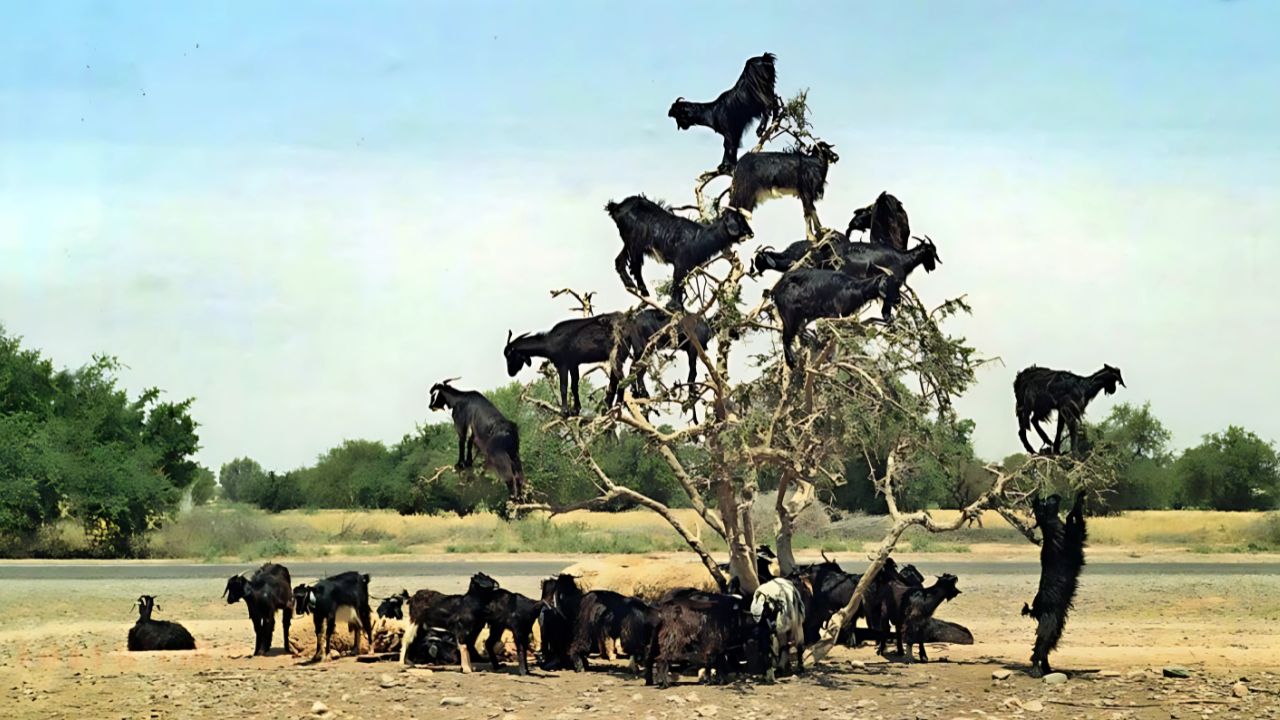
The Climbing Goats of Morocco Became a Tourist Attraction, but Their Ancestral Habit May Threaten the Regeneration of Argan Trees. Understand the Impacts.
In southwestern Morocco, an unlikely scene has caught the attention of tourists and researchers: climbing goats balancing among the branches of argan trees, in search of the fruits that grow high above.
The phenomenon, common between the cities of Agadir and Essaouira, occurs year-round but is more frequent during dry periods. The goats, belonging to local Berber communities, have not only adapted to the hostile environment but have also become central pieces in a delicate balance between economy, culture, and ecosystem.
This ancient practice, although curious and even enchanting to the eyes of visitors, raises questions about the impacts on the regeneration of trees and the environmental conservation of the region.
-
Friends have been building a small “town” for 30 years to grow old together, with compact houses, a common area, nature surrounding it, and a collective life project designed for friendship, coexistence, and simplicity.

-
This small town in Germany created its own currency 24 years ago, today it circulates millions per year, is accepted in over 300 stores, and the German government allowed all of this to happen under one condition.

-
Curitiba is shrinking and is expected to lose 97,000 residents by 2050, while inland cities in Paraná such as Sarandi, Araucária, and Toledo are experiencing accelerated growth that is changing the entire state’s map.

-
Tourists were poisoned on Everest in a million-dollar fraud scheme involving helicopters that diverted over $19 million and shocked international authorities.


Why Do Goats Climb Trees in Morocco?
In a semi-arid climate where the soil offers little grazing, the fruits of the argan tree have become an essential food source.
The climbing goats can ascend up to 9 meters high to reach these sweet, oily fruits.
Equipped with split hooves and an excellent sense of balance, they move among the branches with surprising ease.
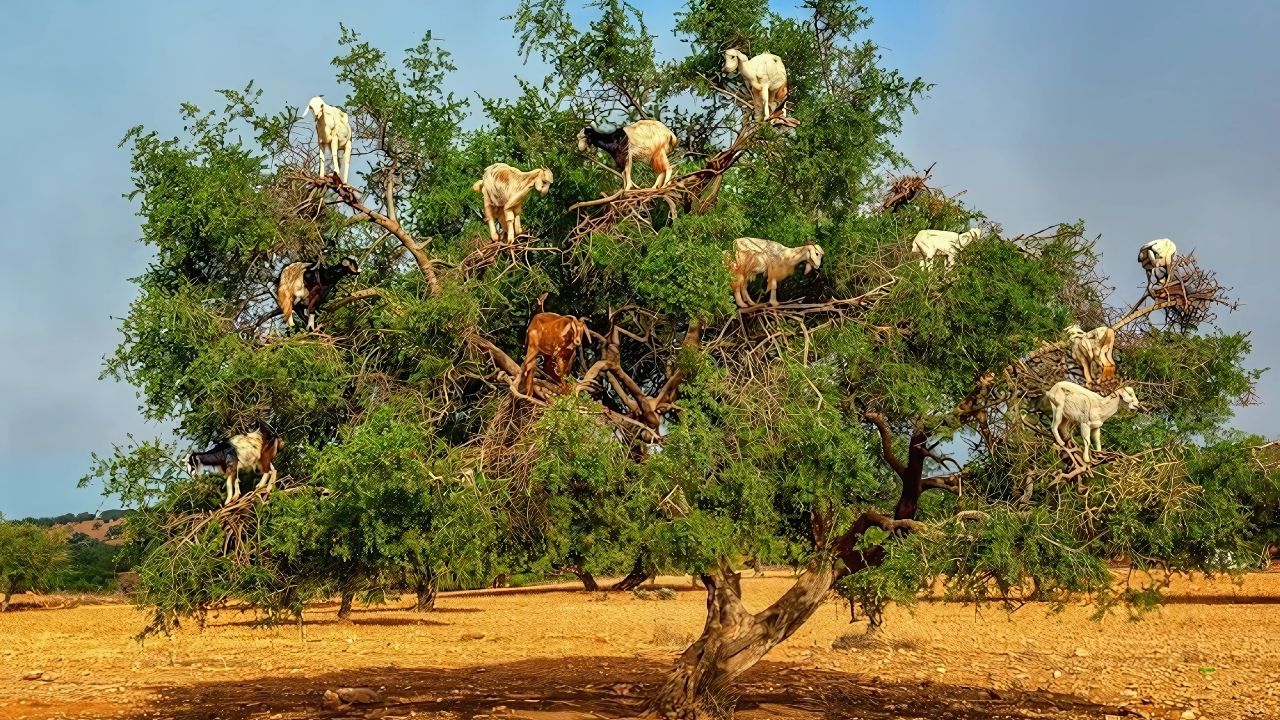
The fruits of the argan tree have oil-rich seeds — a substance valued both in gastronomy and the cosmetics industry.
Historically, the goats would eat the pulp and excrete the intact seeds, which were collected by Berber women for the artisanal extraction of oil.
Goats, Trees, and Culture: An Interdependent System
The habit of climbing goats goes beyond feeding. They are part of an agro-sylvo-pastoral system where livestock, agriculture, and the presence of trees coexist.
This relationship sustains the local economy and preserves deep cultural traditions.
However, the increase in profits from argan oil sales has encouraged excessive goat farming, leading to an imbalance.
The overpopulation of animals jeopardizes the natural regeneration of argan trees, which depend on seed dispersal to survive.
Tourism and Controversy: Climbing Goats as an Attraction
The image of goats hanging from trees has become a tourist icon in Morocco. In many roadside spots, the animals are even deliberately placed on argan trees to attract photos and videos from tourists.
Local residents assure that many goats climb spontaneously, but there are reports of some being tied up, raising animal welfare concerns.
This “staged” tourism can generate income but also exacerbates pressure on the animals and the environment.
The Social Value of Argan Oil
The extraction of argan oil has brought significant benefits to the communities.
The establishment of women’s cooperatives after the 2000s, with the support of international organizations, has generated financial independence and appreciation for local culture.
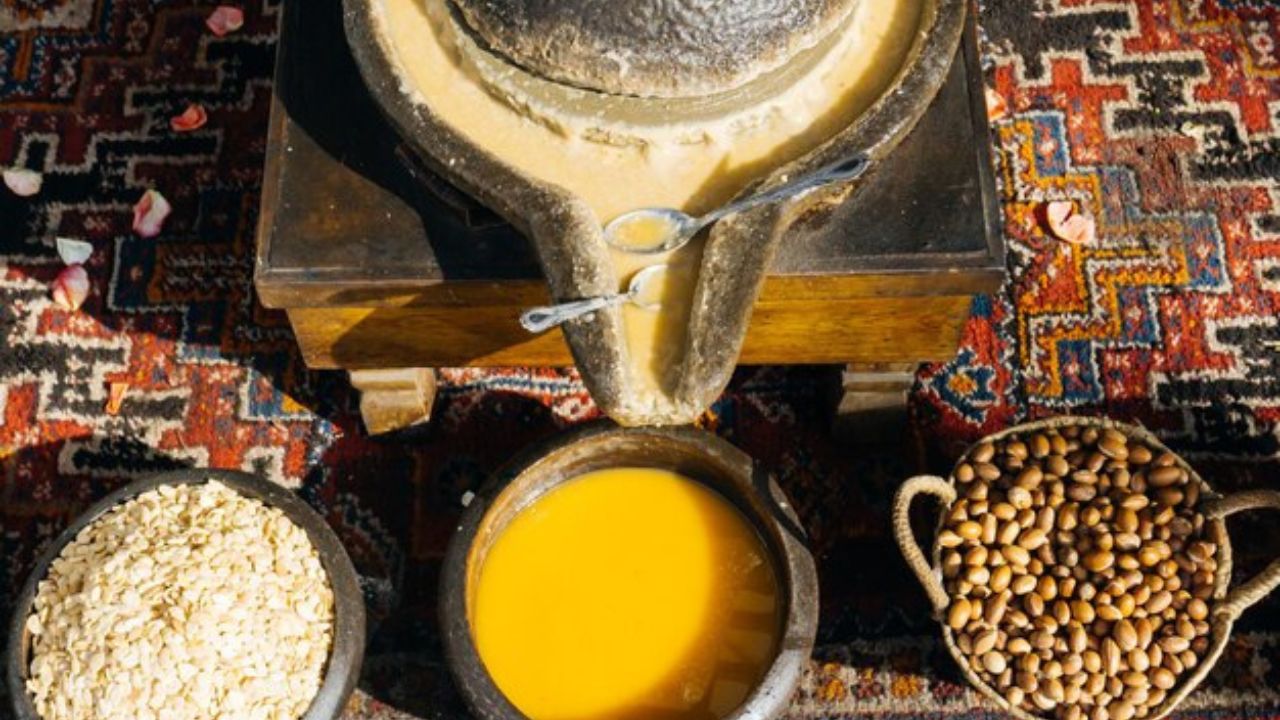
However, the production method has changed. Today, modern techniques have replaced the old method of collecting seeds from goat droppings.
This has increased the quality of the oil and reduced the residual taste that bothered some consumers.
Environmental Threats and Preservation Efforts
The Argan Biosphere Reserve, recognized by UNESCO, has lost more than half of its vegetation cover in the last century.
The combination of overgrazing, intensive harvesting, and climate change has made the regeneration of argan trees difficult.
Studies show that 610 hectares are lost each year since 2009. Experts suggest alternatives such as reducing the number of goats, introducing sheep into the pastures, strengthening cooperatives, and planting new saplings. Since 2009, over 4,300 saplings have been planted in Essaouira.
Climbing Goats: Between Tradition and Environmental Risk
The climbing goats of Morocco represent a fascinating paradox: while they help in the dispersal of argan seeds, they can compromise the continuity of the species.
For Berber communities, the challenge is to keep the tradition alive, ensure economic sustenance, and preserve an already fragile ecosystem.
The balance between culture, tourism, and nature is delicate — and the decisions made today will determine the future of argan trees and the goats that climb them.
With information from Magnus Mundi.










-

Uma pessoa reagiu a isso.