





 Portuguese
  English
  Spanish
  3 min of reading
  1 comment


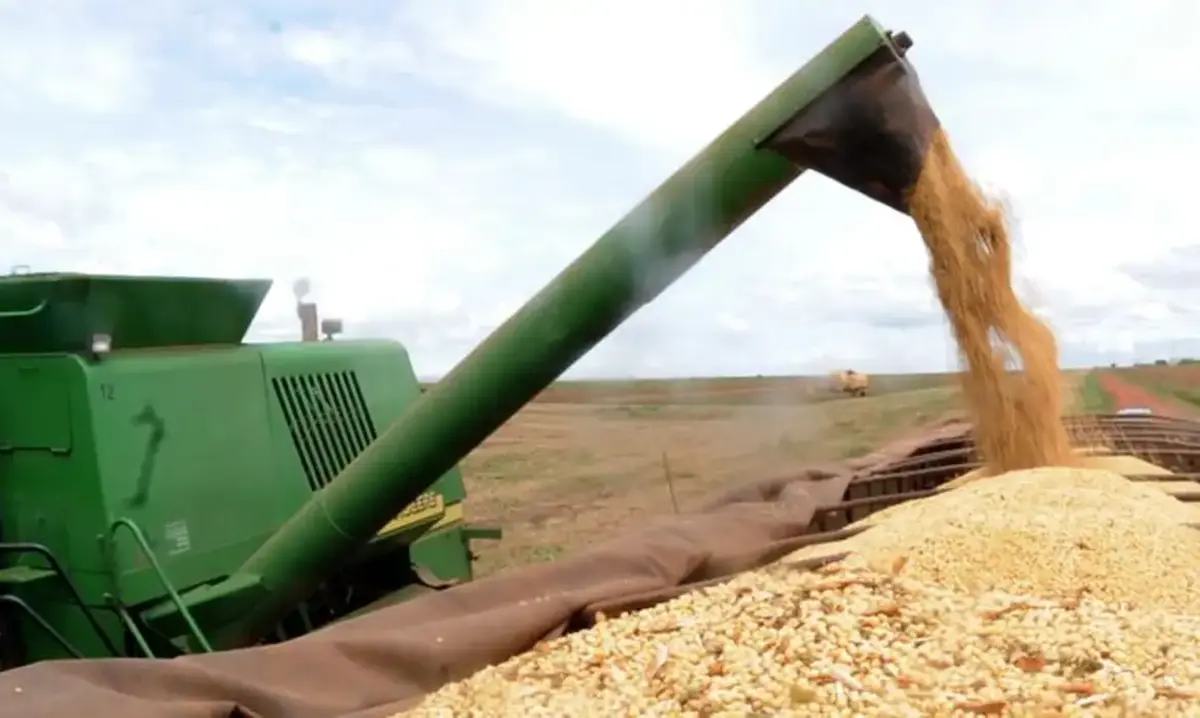


Study Reveals The Only Country In The World Fully Self-Sufficient In Food Production, According To Research Published In Nature Food
A new survey revealed a surprising fact about global food security. Among 185 regions analyzed, only one country can produce all the food necessary to ensure a complete diet for its population: Guyana.
The study was conducted by researchers from the University of Göttingen in Germany, in partnership with the University of Edinburgh in the United Kingdom. The results were released on May 16 in the scientific journal Nature Food.
Guyana Leads In Self-Sufficiency
Guyana is the only country considered fully self-sufficient. This means that it locally produces food from all seven analyzed nutritional groups: fruits, vegetables, dairy, fish, meat, plant proteins, and starchy foods.
-
The government requests the Federal Revenue Service for a new system to automate the income tax declaration, reducing errors, time, and bureaucracy for millions of Brazilians.

-
Pix in installments, international Pix, and contactless payment without internet: the Central Bank revealed the new features coming to the tool that is already used by almost every adult in Brazil.

-
Mercado Livre has just started selling medications with delivery in up to three hours to your door, and this move could completely change the way Brazilians buy medicines on a daily basis.

-
In Dubai, rising tensions from the war in the Middle East are causing super-rich individuals to leave the Gulf and direct their fortunes to a new financial refuge in Asia.


Close behind are China and Vietnam, which ensure internal production of six out of the seven groups. The research shows that while total self-sufficiency is rare, some nations come close to this scenario.
Brazil Almost Self-Sufficient
Brazil is among the countries that come close to food self-sufficiency. According to the survey, the country relies on imports only to supply two of the seven groups: vegetables and fish.
In practice, this means that Brazil is capable of producing fruits, dairy, meat, plant proteins, and starchy foods in sufficient quantities to supply its population. However, imports are still necessary to balance the supply of vegetables and seafood.
Inequality In Food Production
The survey also pointed out a global imbalance. In 65% of the regions analyzed, the production of meat and dairy exceeds what is necessary.
On the other hand, nutrient-rich foods such as chickpeas, lentils, beans, nuts, and seeds are cultivated in insufficient quantities in more than half of the countries.
This difference indicates a mismatch between what is produced and what would be ideal for balanced nutrition. The lack of plant protein is a common problem and affects even developed countries.
Imports Are A Global Reality
According to the study, most countries depend on trade to ensure the variety of foods available in their markets. This applies even to nations with strong agricultural production.
Besides Brazil, several countries in South America and Europe are among those that come closest to self-sufficiency, with sufficient internal production in five or more food categories.
Countries With Greatest Dependence
On the other end, the study identified six countries that do not produce enough even for a single nutritional category: Afghanistan, United Arab Emirates, Iraq, Macau, Qatar, and Yemen. These places depend almost entirely on imports to feed their populations.
Island states, countries in the Arabian Peninsula, and developing regions face the greatest challenges in this regard. Contributing factors include poor soil, lack of rainfall, and unfavorable temperatures for cultivation.
Self-Sufficiency Is Not Synonymous With Wealth
Despite Guyana’s prominence, the study emphasizes that food self-sufficiency is not necessarily linked to economic development. According to Jonas Stehl, the lead author of the research, having low self-sufficiency is not inherently bad.
For him, it may be more practical to import food from regions with better cultivation conditions rather than investing in internal production. However, he warns of the risks involved in this dependency.
Risks Of Supply Shocks
Stehl notes that relying on imports makes countries more vulnerable to sudden disruptions in global supply. Wars, droughts, and trade restrictions can compromise access to food and affect the food security of the population.
Recent examples, such as the COVID-19 pandemic and the war between Russia and Ukraine, have demonstrated the impacts of this vulnerability. In both cases, there was a temporary shortage of products and an increase in prices in markets worldwide.
With information from Revista Galileu.








Chegamos até aqui como mesmo, kkkkkkkkkkk matéria de ****.