





 Portuguese
  English
  Spanish
  4 min of reading
  0 comments


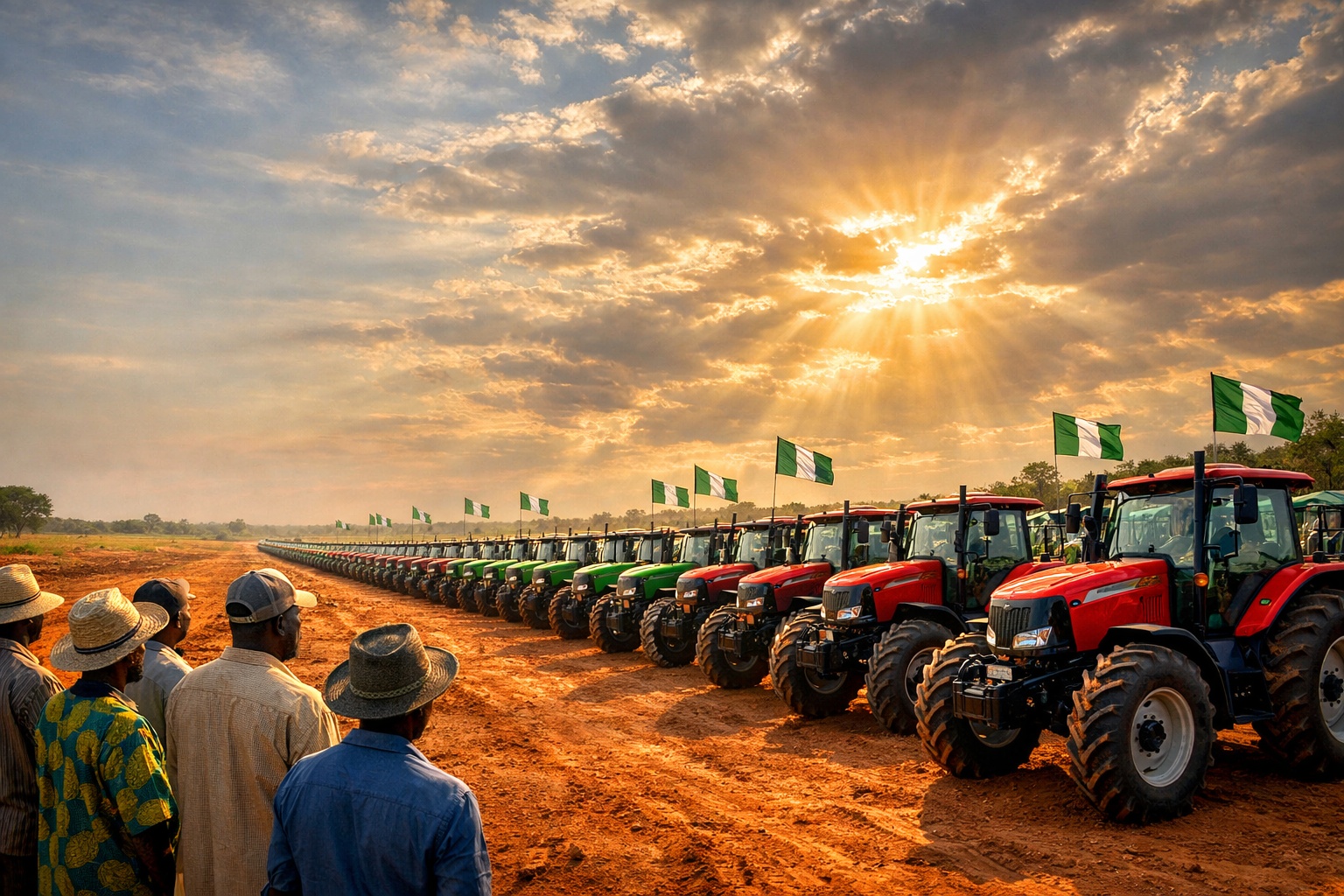
Nigeria Distributes 2,000 Tractors Through the National Agricultural Mechanization Program Renewed Hope. Initiative Can Benefit 1.2 Million Farmers and Mechanize 1.5 Million Hectares Per Year, According to the News Agency of Nigeria (NAN).
Data released by the News Agency of Nigeria (NAN) informs that the Federal Government of Nigeria has distributed 2,000 tractors and heavy equipment to mechanized farmers across the country as part of a national strategy to boost agricultural production and strengthen food security. The initiative is led by the Bank of Agriculture (BOA) in partnership with the Federal Ministry of Agriculture and Food Security, with support from Heifer International and Heifer Nigeria.
The program is part of the National Agricultural Mechanization Program Renewed Hope (NAMP), structured to transform the Nigerian rural sector through large-scale mechanization, structured financing, and a regulated model of agricultural service delivery.
National Agricultural Mechanization Program (NAMP): Strategy for Food Sovereignty
According to NAN, the Director-General of the BOA, Ayodeji Sontinrin, stated that NAMP is aligned with the government’s plan to transform agriculture into a sustainable, productive, and financially structured sector. According to him, the initiative is not limited to the simple delivery of machines.
-
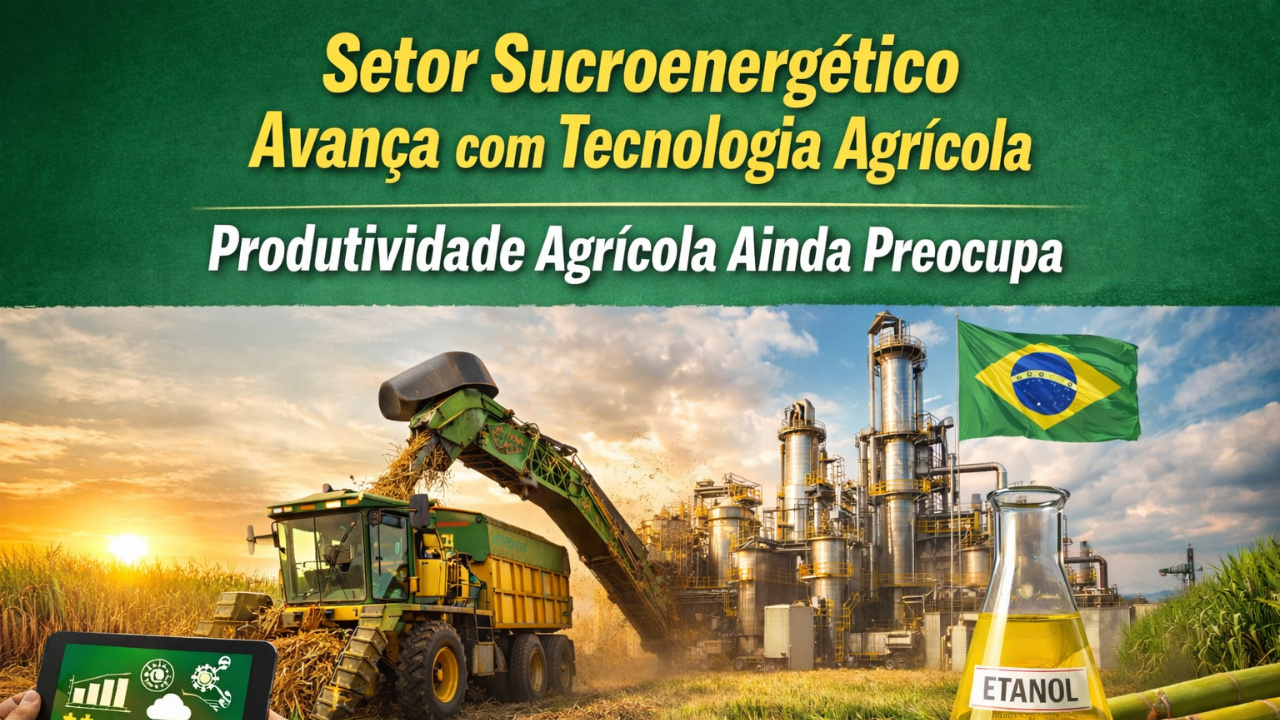
The sugar-energy sector advances with agricultural technology, but agricultural productivity still raises concerns.
-
The eggshell that almost everyone throws away is made up of about 95% calcium carbonate and can help enrich the soil when crushed, slowly releasing nutrients and being reused in home gardens and vegetable patches.

-
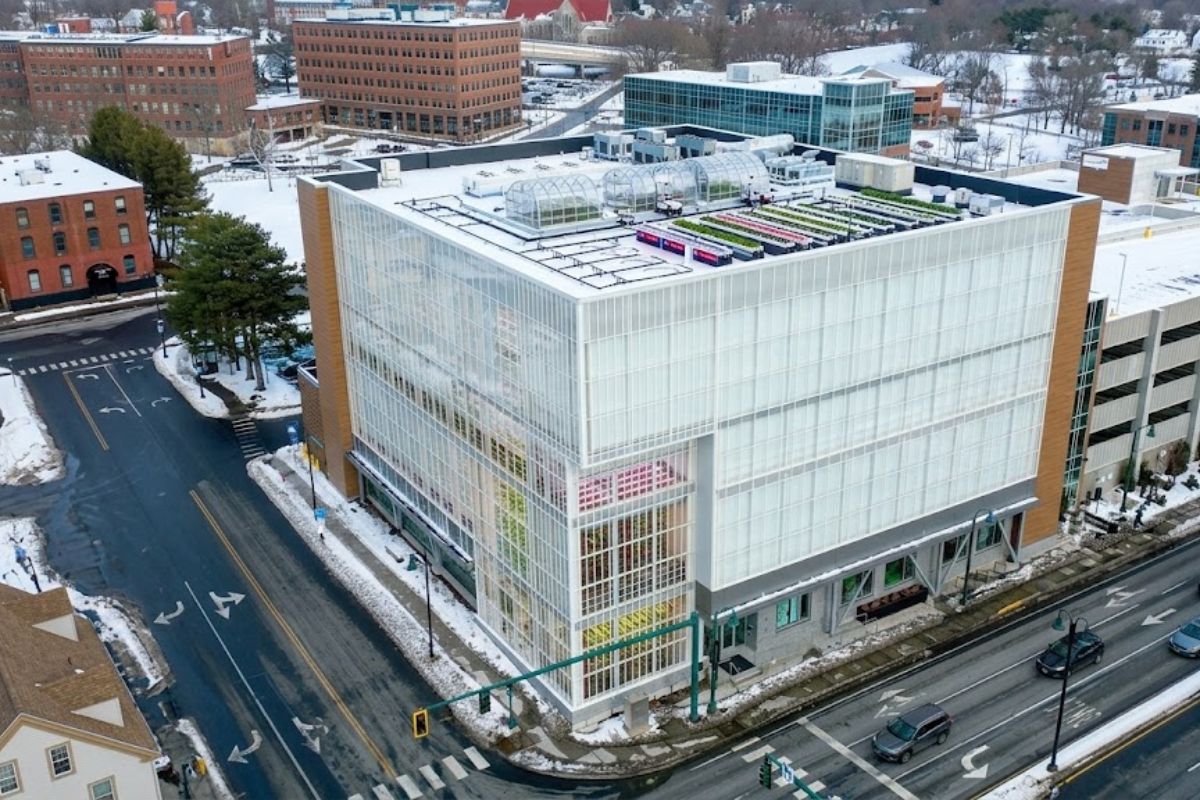
This farm in the United States does not use sunlight, does not use soil, and produces 500 times more food per square meter than traditional agriculture: the secret lies in 42,000 LEDs, hydroponics, and a system that recycles even the heat from the lamps.
-
The water that almost everyone throws away after cooking potatoes carries nutrients released during the preparation and can be reused to help in the development of plants when used correctly at the base of gardens and pots, at no additional cost and without changing the routine.


“NAMP is more than just tractor distribution. It is a commitment to building systems that endure, create value, and serve millions of small farmers who feed the nation,” he declared.
The model is designed to generate long-term economic returns and position Nigeria as a regional power in food production. The program’s structure is based on financial discipline, productive inclusion, digital accountability, and integration of the entire agricultural chain.
2,000 Tractors to Boost Large-Scale Productivity
The program distributed about 2,000 tractors and heavy equipment to mechanization service providers, who will operate under a regulated leasing model with a purchase option.
According to the Minister of Agriculture and Food Security, Senator Abubakar Kyari, more than 100,000 applications were registered in the first phase of the program, indicating strong demand for mechanization in the Nigerian field.

The tractors were not destined for individual private ownership. Instead, each machine was entrusted to certified operators responsible for serving rural producers within a government-supervised model.
Each tractor can serve approximately 600 hectares per year. On a national scale, the projected impact is significant:
- Reach of about 1.2 million farmers
- Coverage of over 1.5 million hectares annually
Kyari classified the machines as “productivity multipliers,” emphasizing that the main goal is to ensure national food sovereignty.
Structured Financing Model and Economic Sustainability
One of the program’s differentiators is the financial model implemented by the BOA in partnership with Heifer International. The system includes:
- Operational leasing
- Installment purchase
- Aggregation of mechanized services
- Scaled payment structure
The goal is to ensure economic sustainability, preventing the equipment from becoming unproductive assets.
Sontinrin emphasized that beneficiaries should treat the tractors as national assets, performing proper maintenance, meeting financial commitments, and investing in the training of qualified operators.
The program also seeks to stimulate rural entrepreneurship. Many service providers are youth- and women-led businesses, strengthening productive inclusion in the field.
Impact on Food Security in Nigeria
Nigeria faces structural challenges in agricultural production, including low mechanization, limited productivity, and dependence on food imports. Large-scale mechanization can reduce soil preparation time, expand planted area, and increase yield per hectare.
According to the Ministry of Agriculture, the initiative represents a controlled transformation of the rural sector, with direct effects on:
- Food security
- Job creation
- Economic resilience
- Stimulus for national production
The government’s expectation is that increasing mechanized capacity will reduce production bottlenecks and strengthen value chains such as grains, tubers, and oilseeds.
The Largest Agricultural Mechanization Program in Africa?
According to official statements cited by NAN, NAMP is described as the largest agricultural mechanization program ever implemented in Africa. The initiative is also presented as the first of its kind in Nigeria on a structured national scale.
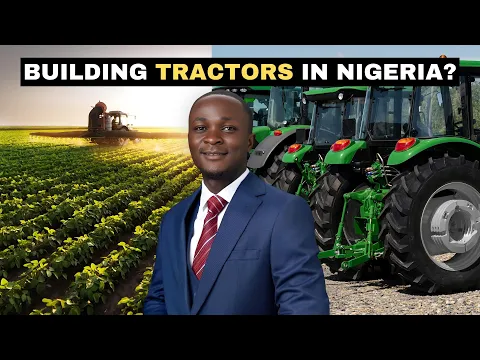

The President Bola Tinubu has recognized agriculture as a national strategic priority, placing the sector as a pillar of the country’s economic agenda.
The combination of mechanization, structured financing, and government supervision positions the program as a potential model for other African nations facing similar rural productivity challenges.
Agricultural Transformation with Regulatory Control
The Ministry of Agriculture will be responsible for:
- Supervision of public policies
- Ensuring the quality of equipment
- Monitoring execution
- Developing national technical capacities
Kyari emphasized that this is not just about delivering machines, but about a regulated transformation with systemic impact.
The central proposal is to create a more efficient agricultural ecosystem in which mechanization, financing, and governance act in an integrated manner.
Prospects for the Nigerian Agricultural Sector
With 2,000 tractors in operation and an active financing structure, the Nigerian government bets on mechanization as a tool to reduce food vulnerabilities and increase the competitiveness of the sector.
If the projected results are achieved — coverage of over 1.5 million hectares per year and service to more than 1.2 million farmers — the program could represent one of the largest structural leaps in recent African agriculture.
The distribution of the tractors marks not only a government action but a strategic change in how Nigeria intends to organize its agricultural production over the coming decades.










-

-

-

-

5 pessoas reagiram a isso.