





 Portuguese
  English
  Spanish
  4 min of reading
  0 comments


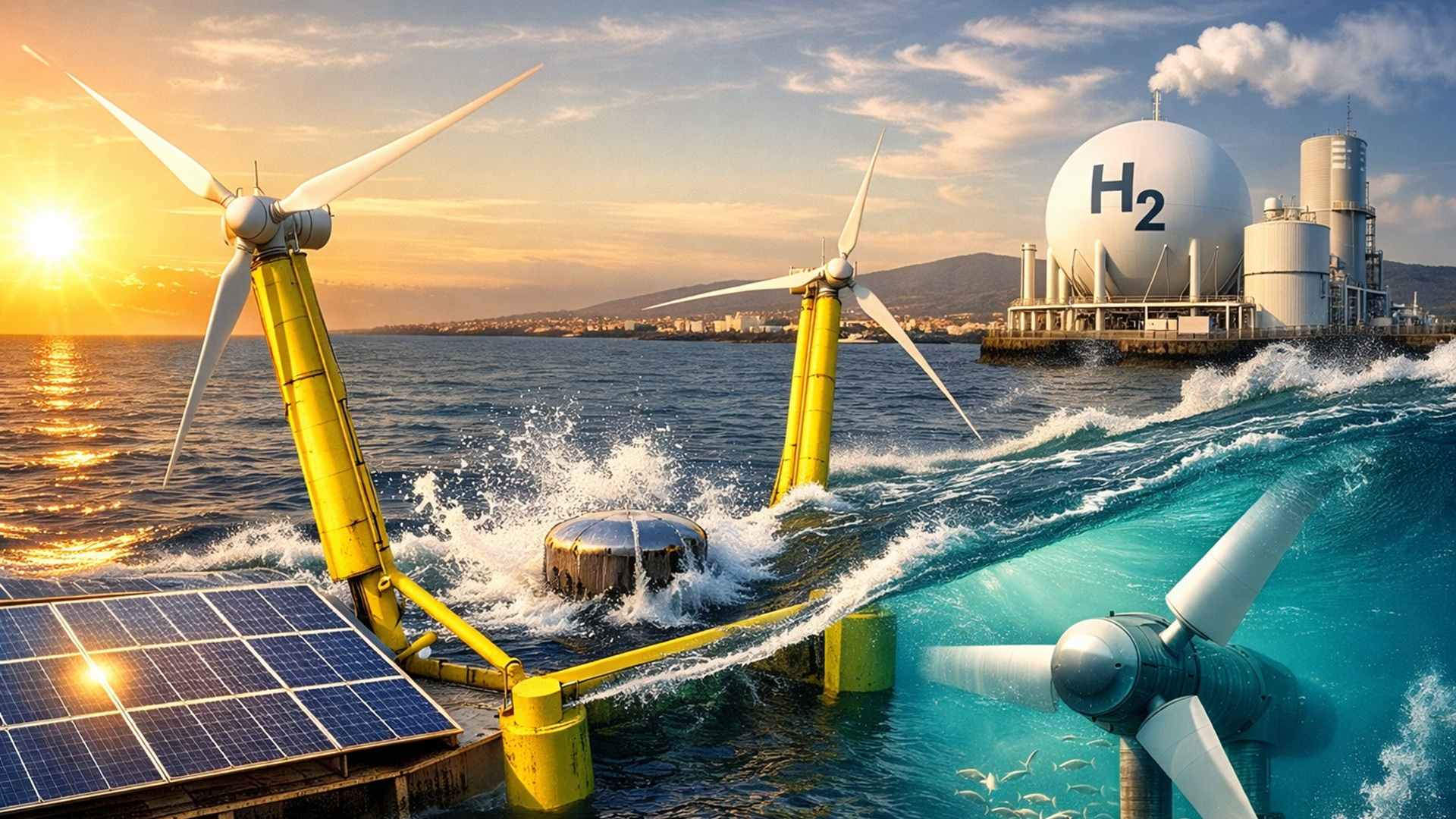
University of Surrey Study Shows That Offshore Wind Energy Integrated with Tides and Waves Can Increase Generation by Up to 70%, Reduce Costs by 10% to 15%, and Enhance Structural Stability in Shared Marine Platforms
Researchers at the University of Surrey concluded that integrating offshore wind energy with energy from tides and waves can increase generation by up to 70%, reduce electricity costs by 10% to 15%, and enhance the structural stability of shared platforms at sea.
Integrated Offshore Wind Energy Increases Generation by Up to 70%
The University of Surrey’s study demonstrates that wind turbines combined with tidal and wave energy installations increase energy generation by up to 70%. The proposal utilizes shared offshore platforms to produce more energy in the same ocean surface area.
Offshore wind energy already occupies thousands of square kilometers of ocean. However, the bases of the turbines use only a small fraction of this space.
-
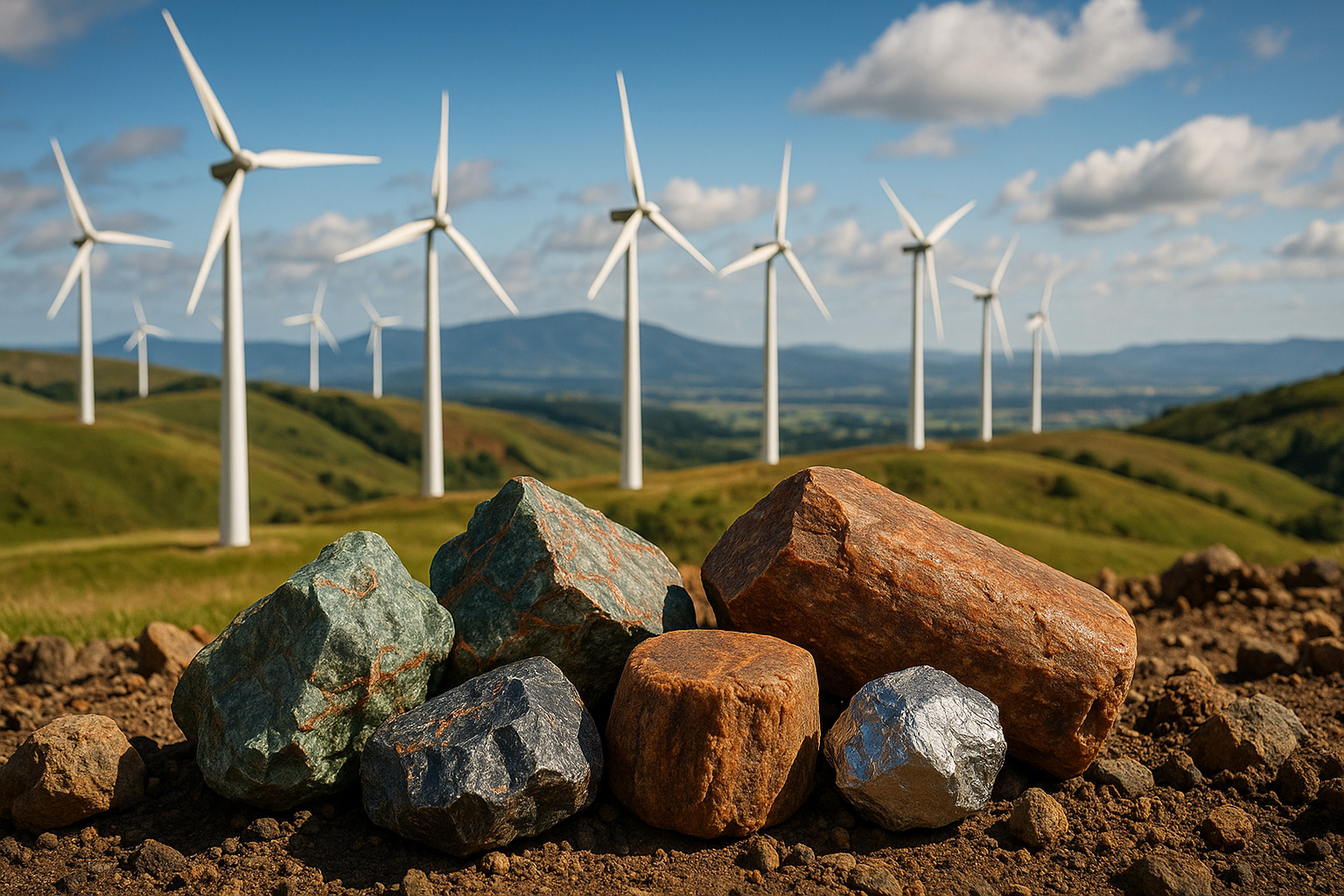
The Brazilian state accelerates industrial competitiveness with a focus on the extraction of strategic minerals to boost the energy transition in Goiás.
-
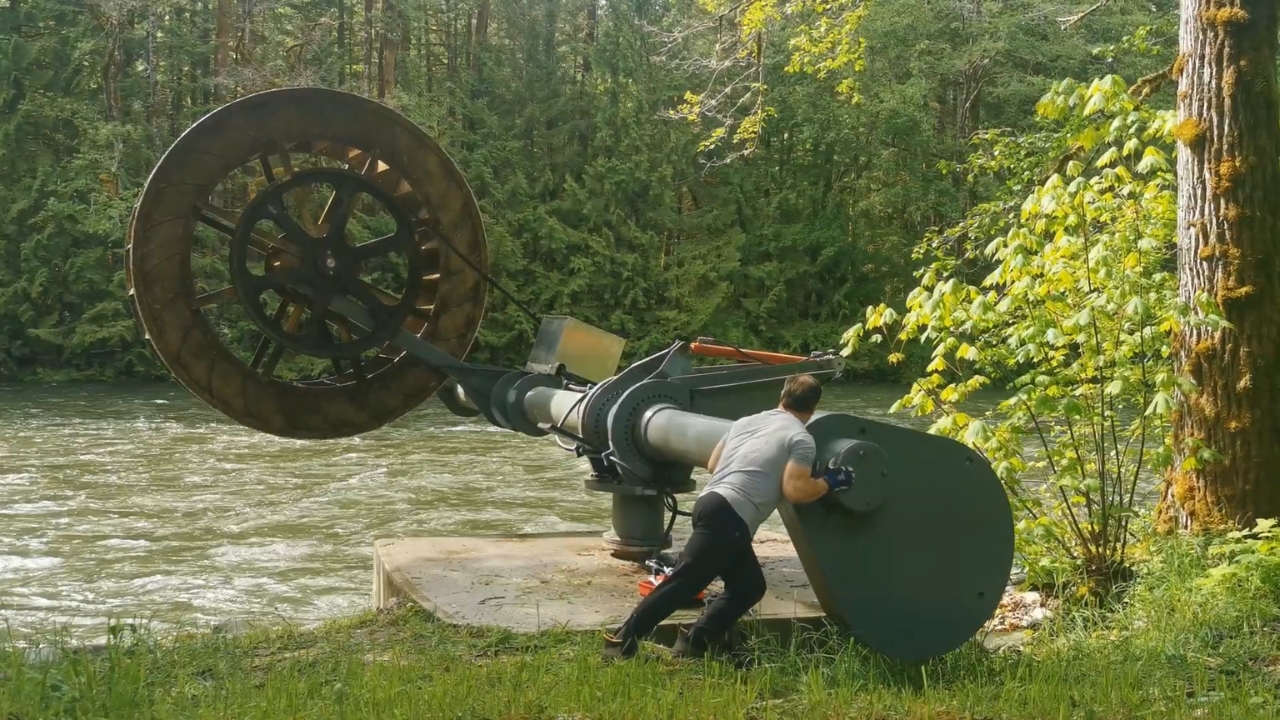
A Canadian retiree creates a hydroelectric system on a real river, generating energy continuously throughout the day and demonstrating how the power of water can supply a house with stability even in a simple structure.
-
Petrobras reaffirms its commitment to the market and ensures that it will carry out the energy transition safely to maintain national sovereignty.

-
Researchers discover a possible hydrogen deposit of up to 46 million tons beneath an ancient coal basin, and the volume could exceed half of the entire global production.


The research analyzed how to integrate complementary technologies into a single platform to optimize the existing infrastructure.
The combination includes wave, tidal, and floating solar energy. The objective is to maximize the use of already installed foundations, reducing the need for new structures and increasing production without expanding maritime occupation.
When tidal turbines are integrated with existing wind farms, electricity production can increase by up to 70%. According to the study, it is not just about adding installed capacity, but about optimizing a limited and costly spatial resource.
Each offshore foundation represents a high investment, complex logistics, and environmental impact that must be minimized. The technological integration seeks to increase efficiency while maintaining the same structural base.
Reduction of Costs by 10% to 15% with Shared Infrastructure
The study was published in the journal Energy Conversion and Management and analyzed various demonstration projects. Among them are the W2Power system in Norway, which combines wind and wave energy, and the NoviOcean platform, which integrates wind, wave, and solar energy.
The conclusion indicates that sharing infrastructure reduces costs. Hybrid systems can lower electricity costs by 10% to 15% compared to conventional offshore wind farms.
In the European context, the European Union has established the goal that at least 42.5% of final energy consumption should come from renewable sources by 2030. The cost reduction is presented as a relevant condition for social viability.
The estimated savings of 10% to 15% depend on economies of scale and consistent political decisions aligned with climate goals. The study points out that confirming these percentages will require implementation on a real scale.
Beyond cost reduction, integration improves the capacity factor. The NoviOcean platform achieves around 40%, indicating more consistent generation throughout the year.
The wind may decrease, but the waves continue. Tides follow a predictable cycle. This complementarity reduces intermittency, one of the main challenges of renewable energies, including offshore wind energy.
Structural Stability and Dynamic Performance of Platforms
The study identifies that adding wave capture devices to floating wind turbines does not weaken the structure. On the contrary, the additional equipment can reduce unwanted platform movement by about 15%.
The reduction in movement also decreases stress at the base of the tower. Structurally, this represents an improvement in the overall dynamic performance of hybrid platforms.
According to the analysis, hybridization can improve structural stability while enhancing energy production. Cyclic loading over decades is considered a determining factor for durability.
The research indicates that, in naval engineering, structural behavior under prolonged use is decisive. The combination of technologies can generate unexpected synergies in motion control.
There are still significant gaps. Most studies have been conducted under controlled conditions. There is no confirmation on how these platforms will respond to hurricanes, earthquakes, or tsunamis.
It is also unknown how foundations will perform after 20 or 30 years of continuous service. The level of technological maturity is uneven among the evaluated combinations.
The wind-wave integration is considered the most advanced. The wind-tide and wind-solar combinations are in the early stages of development.
Technical, Regulatory, and Large-Scale Expansion Challenges
Large-scale deployment will depend on clear regulatory frameworks, financial incentives, and specialized fleets for installation and maintenance. The integration of multiple technologies requires industry coordination.
Common standards and qualified professionals are needed. Technological integration increases the operational complexity of offshore platforms.
Hybrid systems need to compete on price with conventional offshore wind energy, onshore solar energy, and energy storage. The estimated economy is considered promising but still depends on practical validation.
The study indicates that hybridization represents a logical evolution in the use of marine space. More energy can be generated in the same area without uncontrolled land use expansion.
If they demonstrate resilience to extreme weather events and long-term reliability, these platforms could become multifunctional centers. Among the cited possibilities are stable electricity generation and local production of green hydrogen.
Connection to smart coastal grids is also mentioned, forming a small energy ecosystem at sea. The proposal combines spatial efficiency and energy stability.
In the context of the climate crisis, spatial efficiency and stability are no longer optional. The combination of offshore wind, wave, and tidal energy in a single platform is presented as a structured alternative for increasing renewable generation.









Seja o primeiro a reagir!