





 Portuguese
  English
  Spanish
  4 min of reading
  8 comments


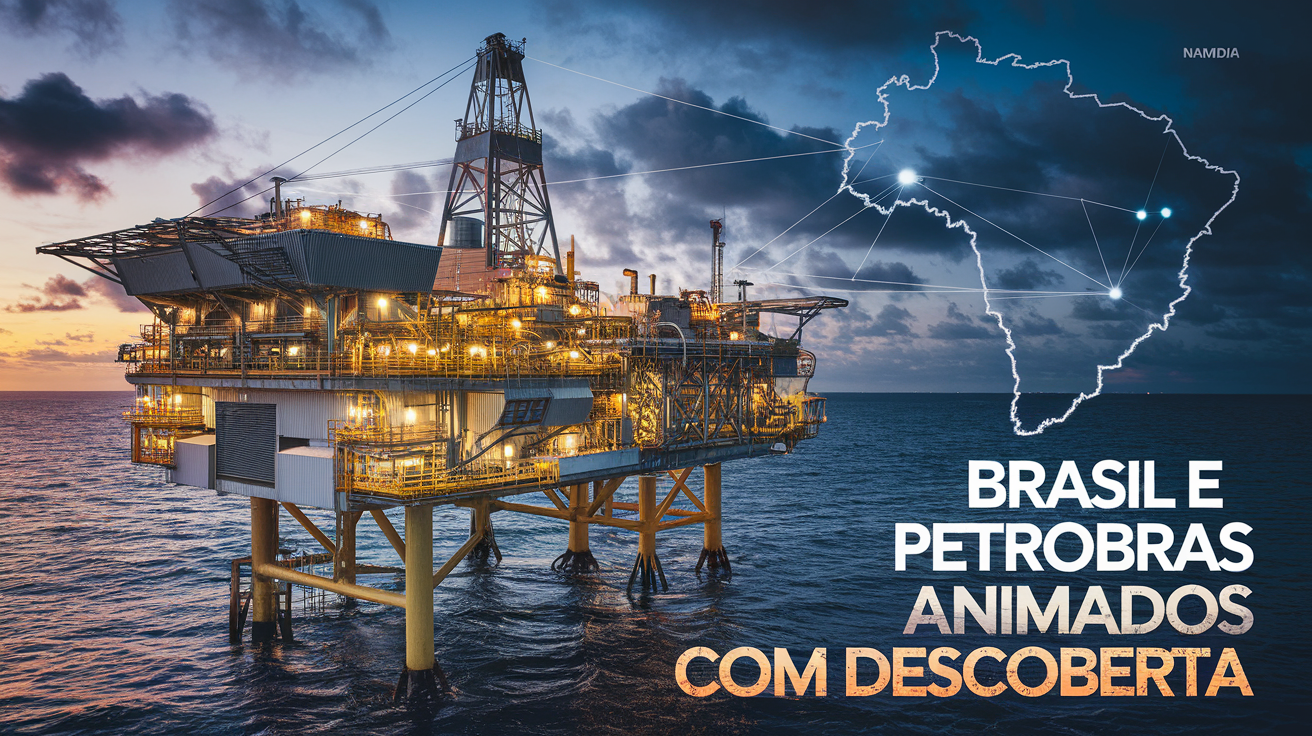


An Oil Discovery in Namibia, With More Than 10 Billion Barrels, Breathed New Life Into Brazilian Expectations. The Pelotas Basin, in the Southern Region, Is Seen as the Next Great Bet to Secure National Energy Security. With Geological Characteristics Similar to Those of the African Country, the Area Could Become the “Successor of the Pre-Salt.”
An Discovery More Than 6,000 Kilometers Away May Be the Key to a Promising Energy Future for Brazil.
The Coast of Namibia, a Country in Southwestern Africa, Has Revealed Oil Reserves That May Exceed 10 Billion Barrels, Transforming the Region into an Epicenter of Global Interest.
What Does This Have to Do With Brazil? Much More Than It Seems.
-
Petrobras evaluates suspension of sales to distributors and considers canceling the cooking gas auction following guidelines from the Federal Government.
-
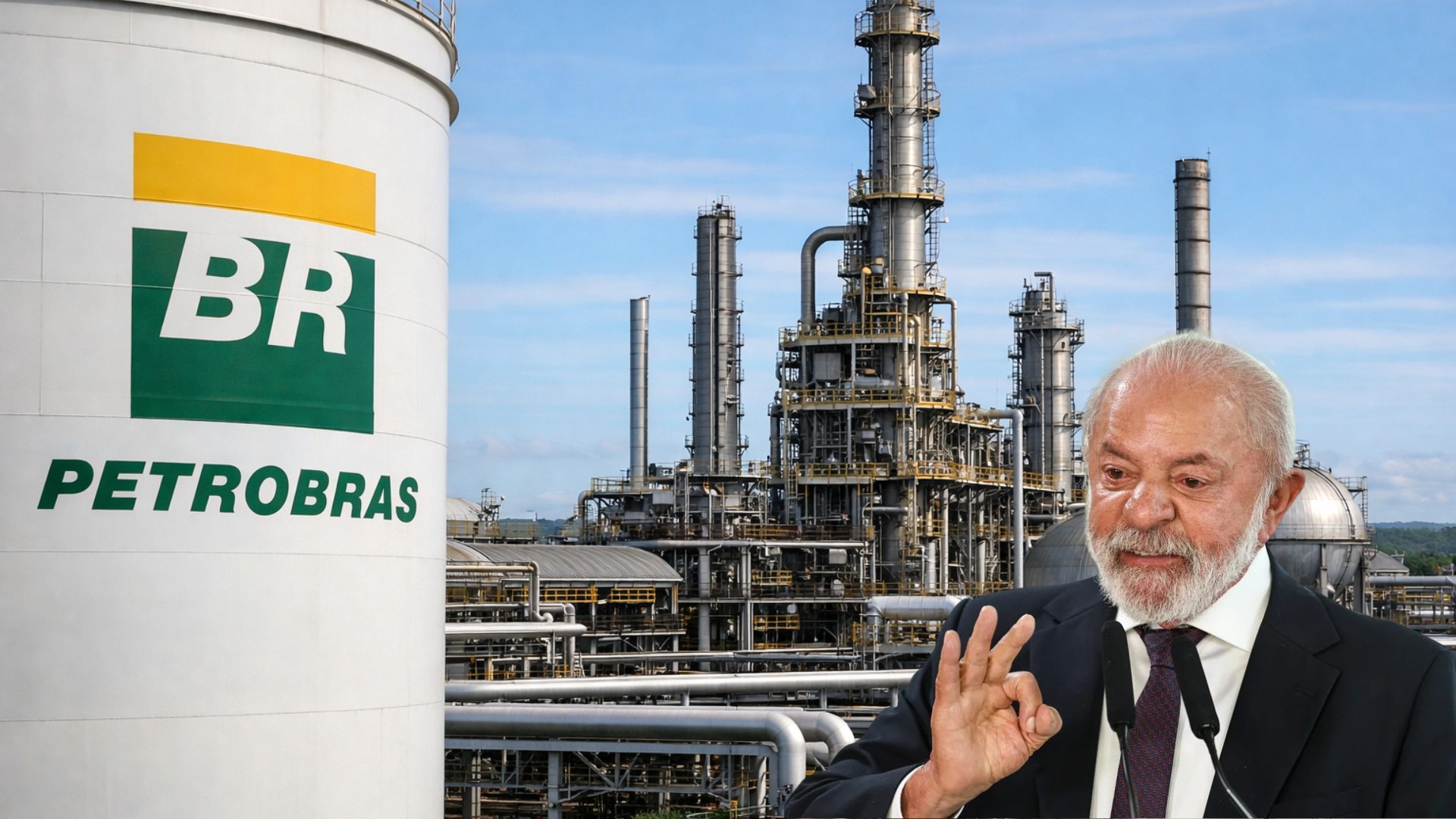
Lula reveals a masterstroke by Petrobras to undo a deal made by Bolsonaro, which involves the return of an important refinery that currently produces less than half of what was expected and makes Brazil dependent on international diesel.
-
A study confirms that the natural gas sector will reduce greenhouse gas emissions in Brazil by 0.5% and accelerate the energy transition by 2026.

-
Petrobras implements a severe adjustment and confirms a 55% increase in the price of aviation kerosene with a proposal for installment payments for the companies.


According to a Report from the G1 Portal, Geologists and Experts Point Out That the Common Geological Past Between the Continents May Indicate the Existence of Equally Promising Reserves in the So-Called Pelotas Basin, Located Between Rio Grande do Sul and Santa Catarina.
A Promising Geological Connection
As Explained by the Director-General of the National Agency of Oil, Natural Gas, and Biofuels (ANP), Rodolfo Saboia, Brazil Is Keeping an Eye on New Exploratory Frontiers to Maintain Its Energy Security.
“A Large Part of Production Comes from the Pre-Salt Basins, Which Are Expected to Decline Starting in 2030,” Saboia Stated. In This Context, the Pelotas Basin Stands Out as a Possible Solution.
This Promising Relationship Dates Back Millions of Years, When South America and Africa Were One Continental Block, the Supercontinent Gondwana.
The Separation of the Land Masses, Which Occurred Between 115 and 120 Million Years Ago, Left Geological Marks Similar on Both Sides of the Atlantic.
Recent Studies Indicate That These Shared Characteristics May Conceal Significant Oil Reserves off the Brazilian Coast.
Namibia: The Spark for Interest in Brazil
Professor Juliano Kuchle, a Paleontology Specialist from the Federal University of Rio Grande do Sul (UFRGS), Explained That Discoveries in Namibia Occurred in Deep Marine Sandy Deposits.
These Sedimentary Formations, Dated Between 125 and 110 Million Years Ago, Revealed Oil Fields Such as Graff, Rona, and Venus, With Potential Exceeding 10 Billion Barrels.
“The Same Type of Reservoir We Find in Namibia Also Exists in the Pelotas Basin. They Are Similar Formations, With Favorable Characteristics for Extraction,” Kuchle Declared.
He Also Emphasized That Until About a Decade Ago, Oil in Namibia Was Practically Unknown, Demonstrating the Untapped Potential of the Brazilian Coast.
What Is the Pelotas Basin?
Located on the Southern Coast of Brazil, the Pelotas Basin Encompasses About 44 Exploratory Blocks, Operated by Major Companies Like Petrobras, Shell, and Chevron. While There Are No Confirmations Yet About the Presence of Oil in the Region, the Prospects Are Promising.
Exploratory Studies and Drilling Are Underway, But the Complete Process May Take Years, Possibly Extending into the Early Next Decade.
The ANP Director Explained That, If Significant Reserves Are Confirmed, “the Pelotas Basin Could Become a Key Piece in Brazil’s Energy Strategy.”
Experts Believe That Exploration Will Be an Important Step to Avoid the Country’s Dependence on Oil Imports Again.
Environmental and Economic Impacts
If, on One Hand, Expectations Surrounding the Pelotas Basin Are High, on the Other, Environmental Challenges Represent a Point of Attention.
The Region Is Located in an Area with Rich Marine Biodiversity, Including Endangered Species.
Thus, Environmental Licensing Will Be a Crucial Step, Necessitating a Balance Between Economic Development and Environmental Preservation.
In Economic Terms, the Oil Discovery in the Pelotas Basin Could Generate Thousands of Direct and Indirect Jobs, Besides Boosting Billion-Dollar Investments in the Energy Sector.
Petrobras Has Already Shown Interest in Expanding Its Operations in the Southern Part of the Country, Signaling the Potential for Growth in the Region.
Energy Future and the Search for the ‘Successor of the Pre-Salt’
The Oil Discovery in Namibia Has Reignited Interest in Regions Like the Pelotas Basin, Which for Years Have Been Considered Low-Priority.
“Brazil Needs to Find New Exploratory Frontiers to Ensure Its Energy Security,” Highlighted Saboia.
With the Possibility of a “Successor of the Pre-Salt,” the Country Can Secure Its Position as One of the Largest Oil Producers in the World.
However, the Path to Achieve This Will Be Long and Full of Challenges. In-Depth Studies, Massive Investments, and Overcoming Environmental Barriers Will Be Determinants to Transform the Potential of the Pelotas Basin into Reality.
With So Many Technological Advancements and Surprising Discoveries, Is Brazil Prepared to Make the Most of the Wealth Hidden Beneath Its Coast? Share Your Opinion in the Comments!









Eu gostaria que os Ambientalistas estudassem história dos anos 70, para entender o que o Brasil passou por falta de Petróleo, e se tornassem mais flexíveis quanto as Licenças Ambientais para estas explorações, na Bacia de Pelotas e na Margem Equatorial, que certamente Levarão o nosso País e Gerações futuras a outro Nível de desenvolvimento, Analisem
Bem. !!!
Uma Excelente notícia desta descoberta. Agora é preparar para os desafios Ambientais, pois o progresso tem que ser acompanhado com medidas inovadoras para proteger a Biodiversidade do Brasil. Mitigando é inovando os Impactos Ambientais, ou seja, o Progresso dado às Mãos com a Proteção do nosso Meio Ambiente.
Tem que aproveitar o interesse do governo atual que sempre desejou uma Petrobrás forte e voltada para os interesses nacionais, pois se vier um governo de direita, acabará mudando as regras e entregando as nossas riquezas para as multinacionais.