





 Portuguese
  English
  Spanish
 3 min of reading
  0 comments


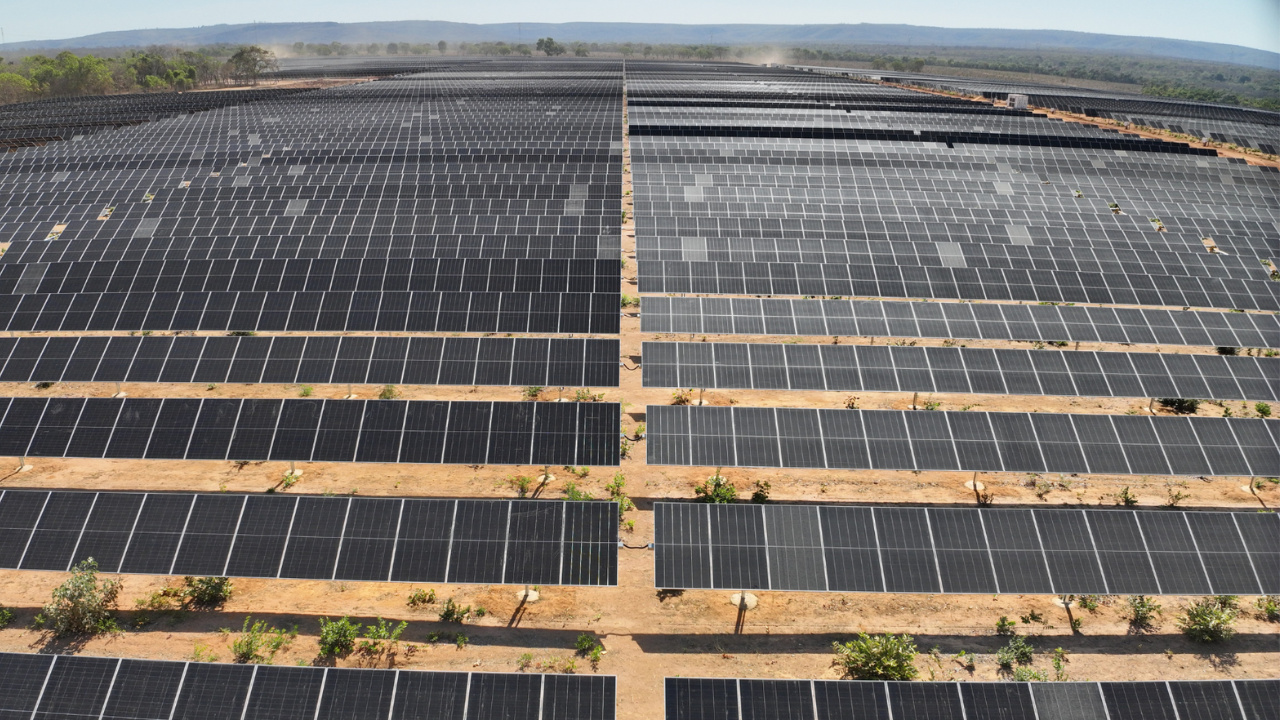
GSII Photovoltaic Complex Begins Testing in Minas Gerais, Totaling 80 MW of Capacity and Strengthening the Expansion of Solar Energy in Brazil.
The expansion of solar energy in Brazil has entered a new phase with the start of operational tests of the GSII Photovoltaic Complex, in Várzea da Palma, in northern Minas Gerais.
The experimental phase marks a strategic advancement for renewable generation in the country, especially at a time of diversification of the national electric matrix.
The project brings together three solar plants and a total of 296 generating units. Together, they reach 80 megawatts (MW) of installed capacity.
-
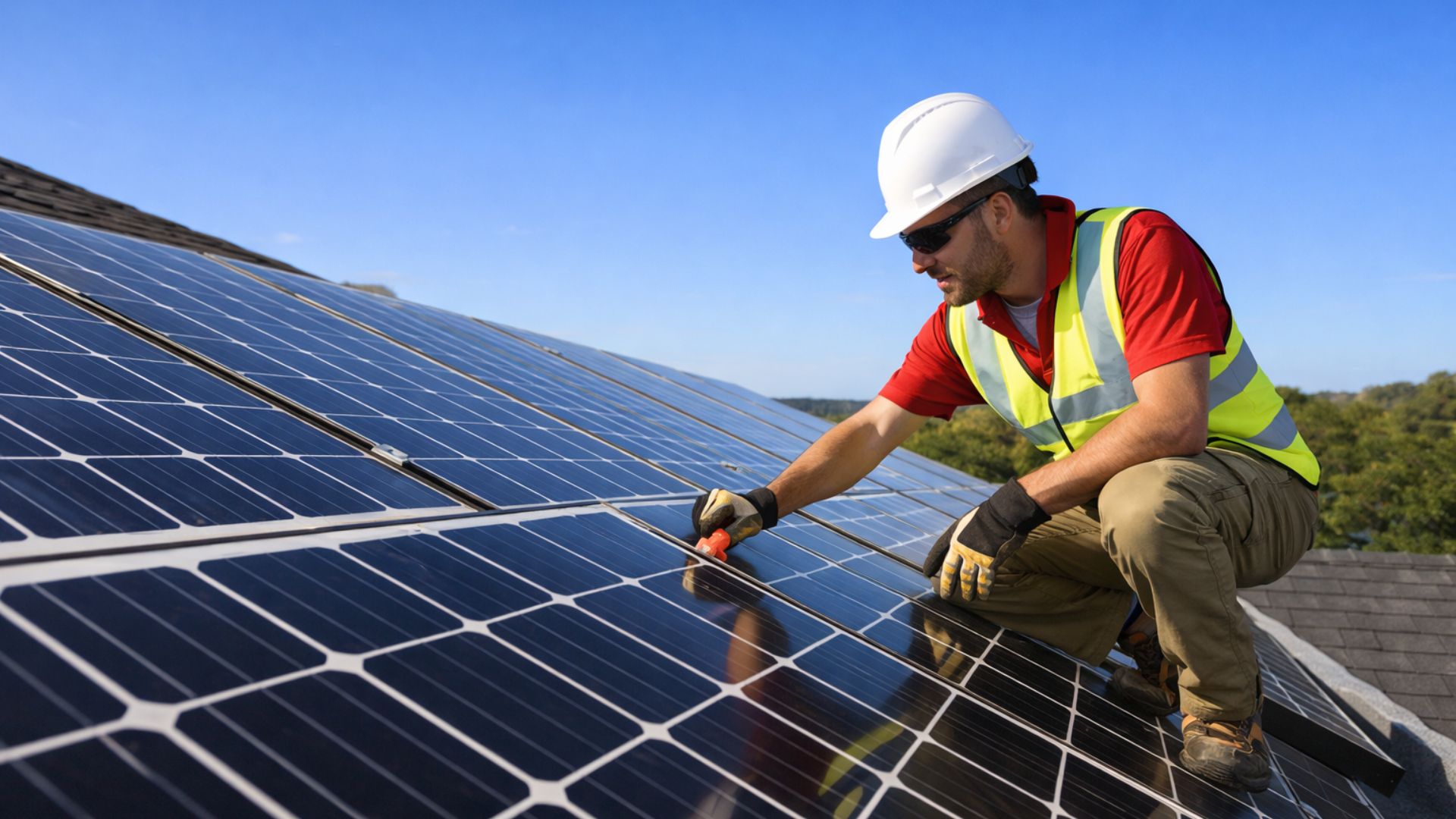
Seagri’s headquarters invests in solar energy with Neoenergia Coelba and promises to cut electricity costs, highlighting a strategic advance in sustainability and energy efficiency within state public administration.
-
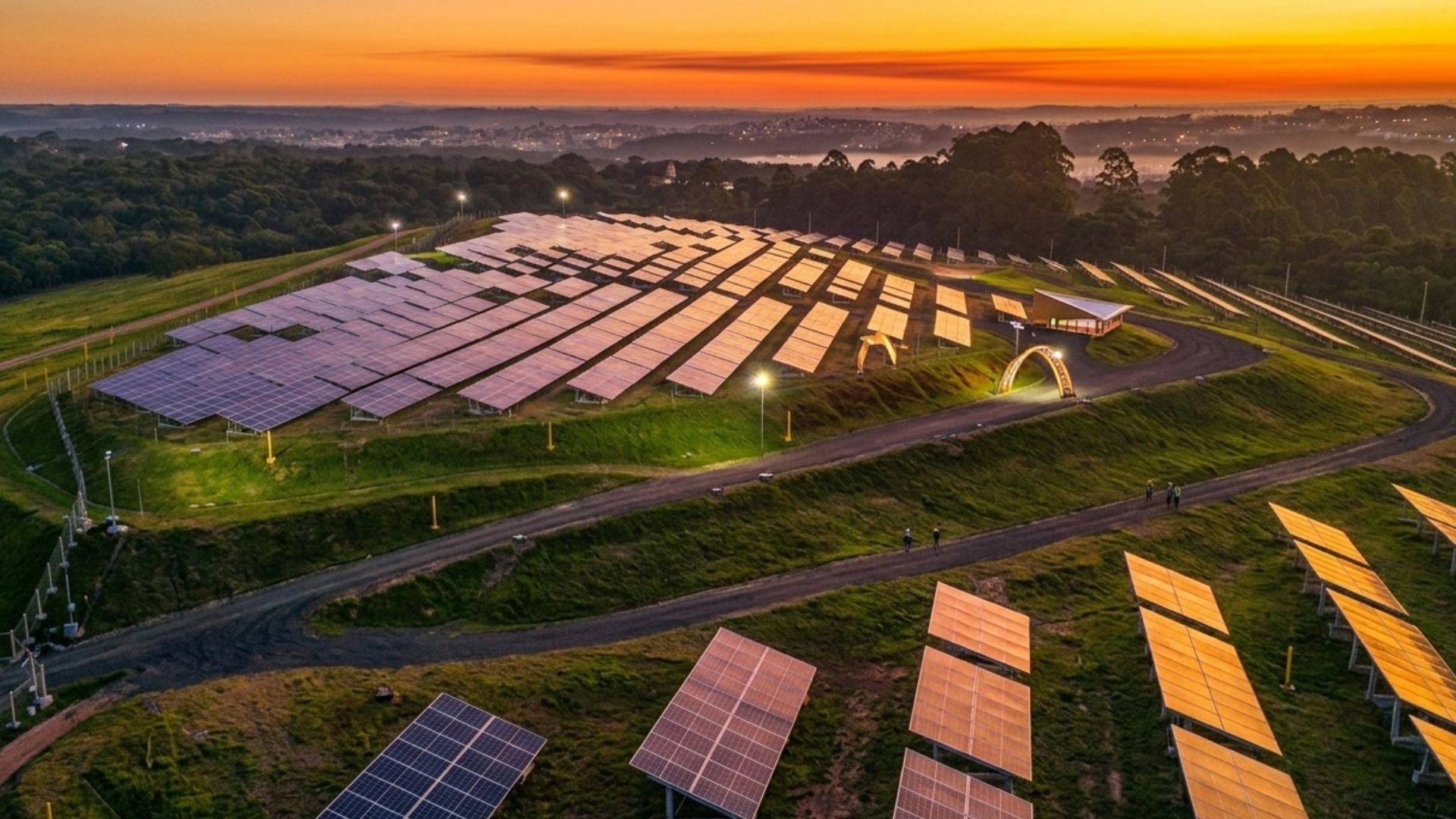
Solar Pyramid draws attention by converting solar energy into million-dollar savings and repositioning the City Hall of Curitiba as an example of innovation, sustainability, and intelligent use of public resources.
-
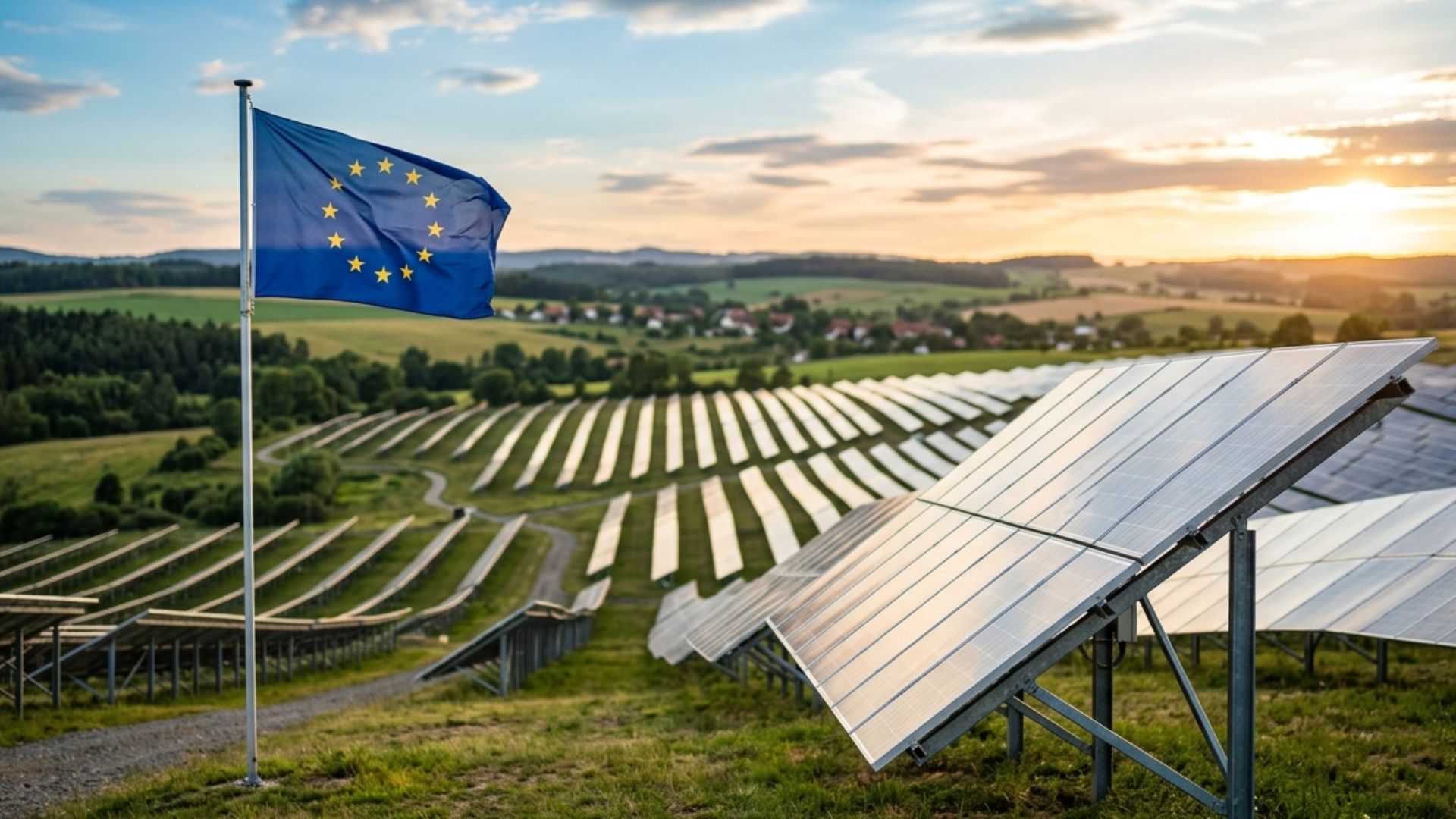
Europe records strong euro economy with solar energy in March and sparks curiosity about which country leads growth that redefines the energy market and reduces costs.
-
Piauí reaches a historic milestone in energy transition: State records nearly 160,000 households powered by solar energy and leads growth in the Northeast.

The expectation is that the complex will achieve full commercial operation in May 2026, adding a significant volume of solar energy to the Brazilian electrical system.
Complex Structure Highlights Scale and Financial Investment
With an estimated investment of R$ 388 million, the GSII Photovoltaic Complex combines industrial scale and technology focused on clean production.
The GSII Solar 1 and 2 plants have a physical guarantee of 7.9 MW each, while GSII Solar 3 has a guarantee of 9.7 MW. These figures reinforce the project’s role in meeting the demand of the Free Contracting Environment (ACL).
In addition, the implementation of the complex is expected to generate around 3,600 direct and indirect jobs. This temporary economic impact adds to structural benefits, such as attracting investments and strengthening the regional economy linked to the solar energy chain.
Integration into the Electrical System and ANEEL Regulation
All the energy produced will be destined for the free market, increasing the supply of solar energy for consumers seeking cost predictability and lower environmental impact.
The connection of the complex will be made through the 138 kV Pirapora 1 – Várzea da Palma 1 Distribution Line.
The usage and connection contracts to the distribution system have already been formalized with the National Electric Energy Agency (ANEEL).
This process ensures regulatory security and alignment with the norms of the Brazilian electric sector, an essential factor for large-scale renewable generation projects.
Environmental Licensing and Energy Transition
The environmental licensing was under the responsibility of the State Secretariat for Environment and Sustainable Development of Minas Gerais (SEMAD). The agency granted the Operating License, allowing progress to the testing phase and, subsequently, to commercial operation.
The GSII Complex is also included in the context of the New PAC. The program, coordinated by the Government of Brazil in partnership with states, municipalities, the private sector, and social movements, focuses on economic growth and reducing regional inequalities.
In the realm of energy transition, the New PAC already includes 584 plants in its generation portfolio. Of this total, 368 projects are completed, consolidating solar energy as one of the pillars of sustainable advancement of the national electrical infrastructure.








Seja o primeiro a reagir!