





 Portuguese
  English
  Spanish
  3 min of reading
  0 comments


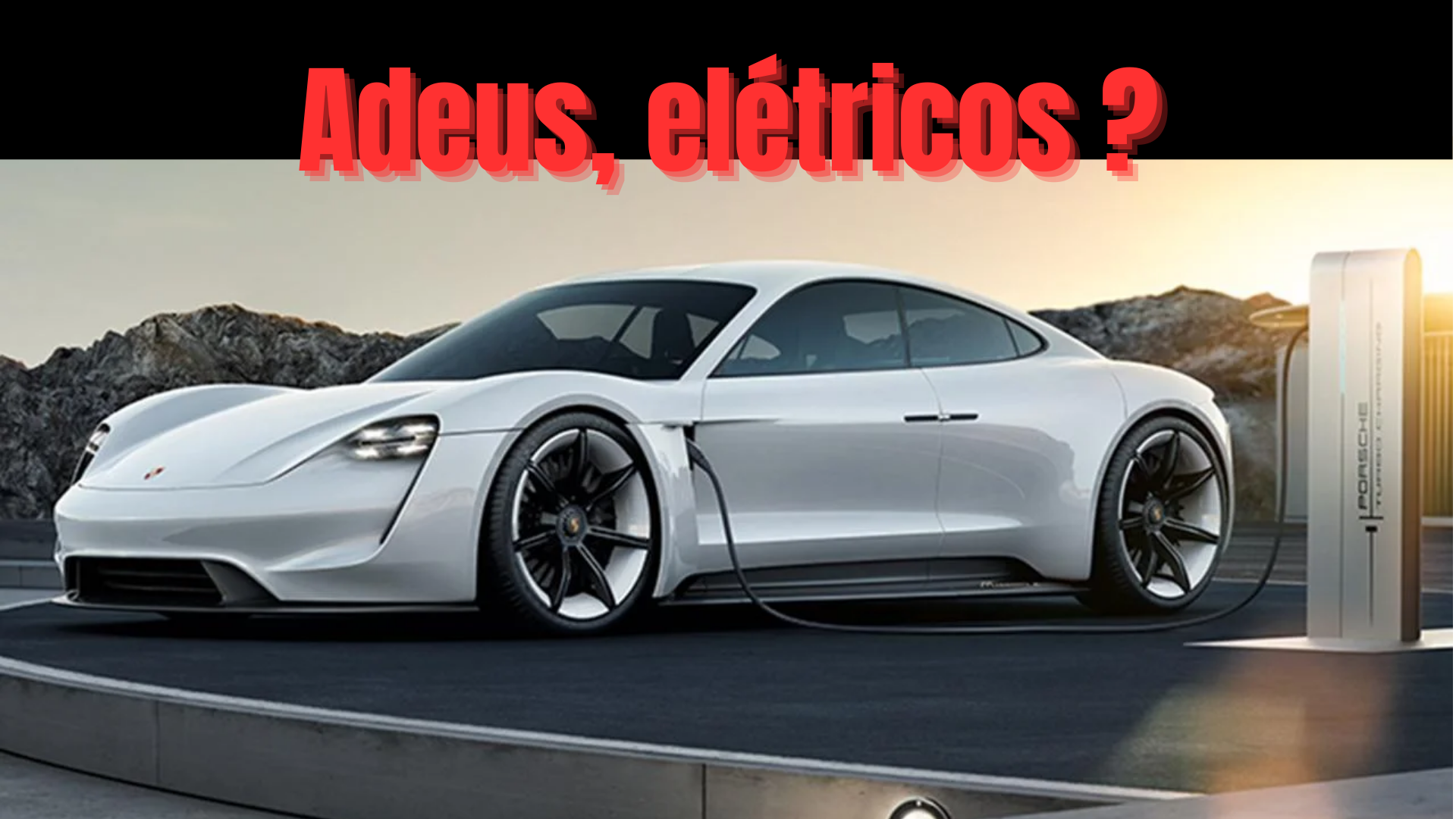
The Manufacturer Reviewed Its Sales Targets and Is Now Focused on Hybrid Vehicles, Adapting to Changes in the Automotive Market
Porsche announced a significant shift in its production strategy, prioritizing hybrid cars instead of continuing its aggressive push toward electric vehicles, according to the website egnews. During the annual shareholders meeting held on May 22, CEO Oliver Blume revealed that the manufacturer’s initial goal was for 80% of its sales to come from fully electric vehicles by 2030, but that forecast will not materialize.
Shift in Sales Strategy
Blume highlighted that, despite attempts, customer adoption of Porsche’s electric vehicles did not occur as expected. Sales of the Taycan model fell globally last year, which the company attributes to a significant update to the model, in addition to the fact that the transition to electric mobility is progressing more slowly than planned. What do you think of this change in Porsche’s sales dynamics? Do you believe hybrids will better meet demand?
With increasing environmental concerns and growing pressure to reduce carbon emissions, many manufacturers are pivoting towards electric mobility. However, Porsche believes that a balanced approach, including both hybrids and electric cars, will be more effective in meeting consumers’ diverse demands. “Our product strategy would still allow us to achieve our initial goal. However, in light of the market evolution, this goal has proven unrealistic. Therefore, we will increase electric production more flexibly, adapting to demand and market changes,” stated Blume.
-
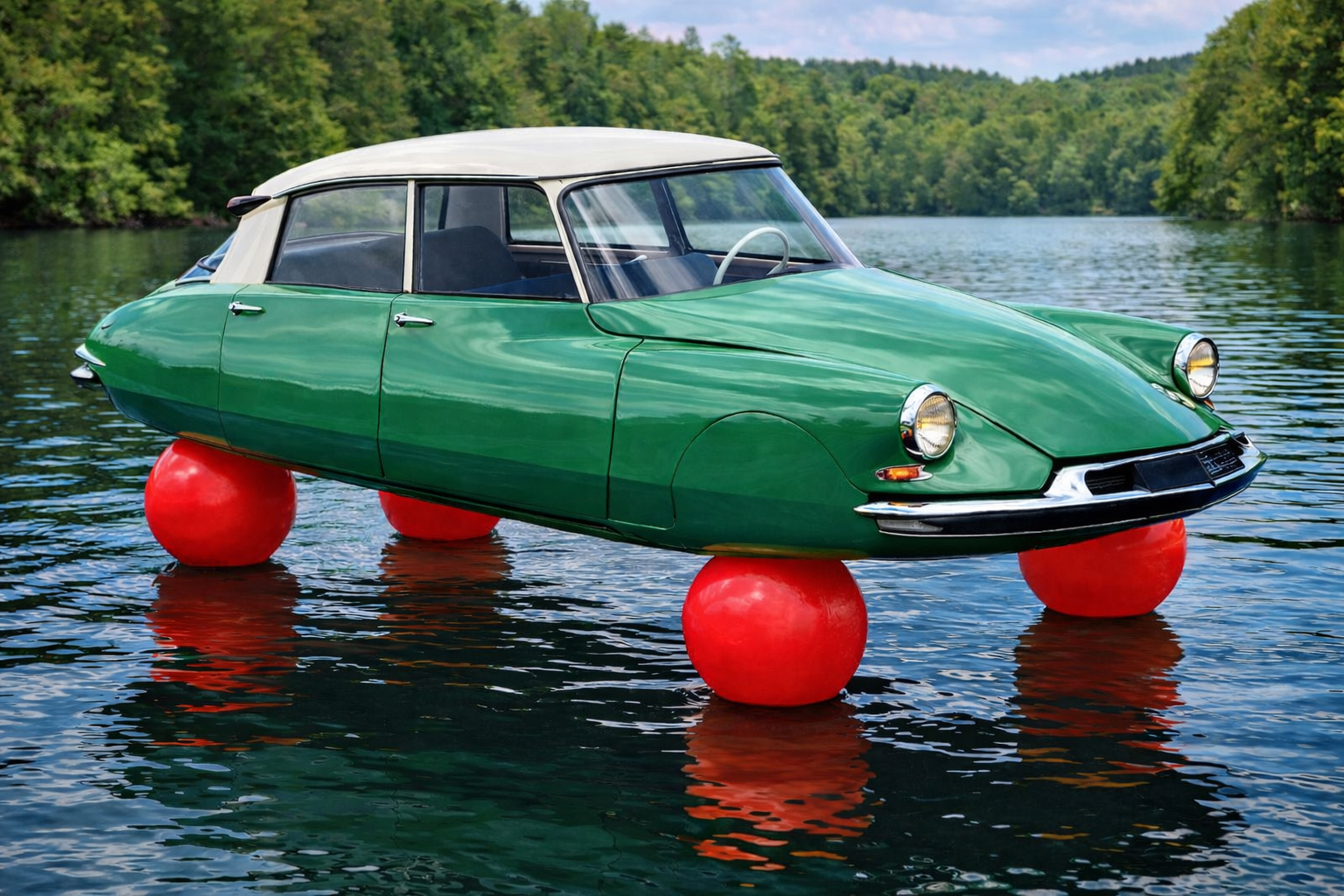
A French brand placed a car on four huge red balloons to prove that its suspension made the vehicle “float,” and the surreal scene became one of the most iconic and unusual images in automotive history.
-
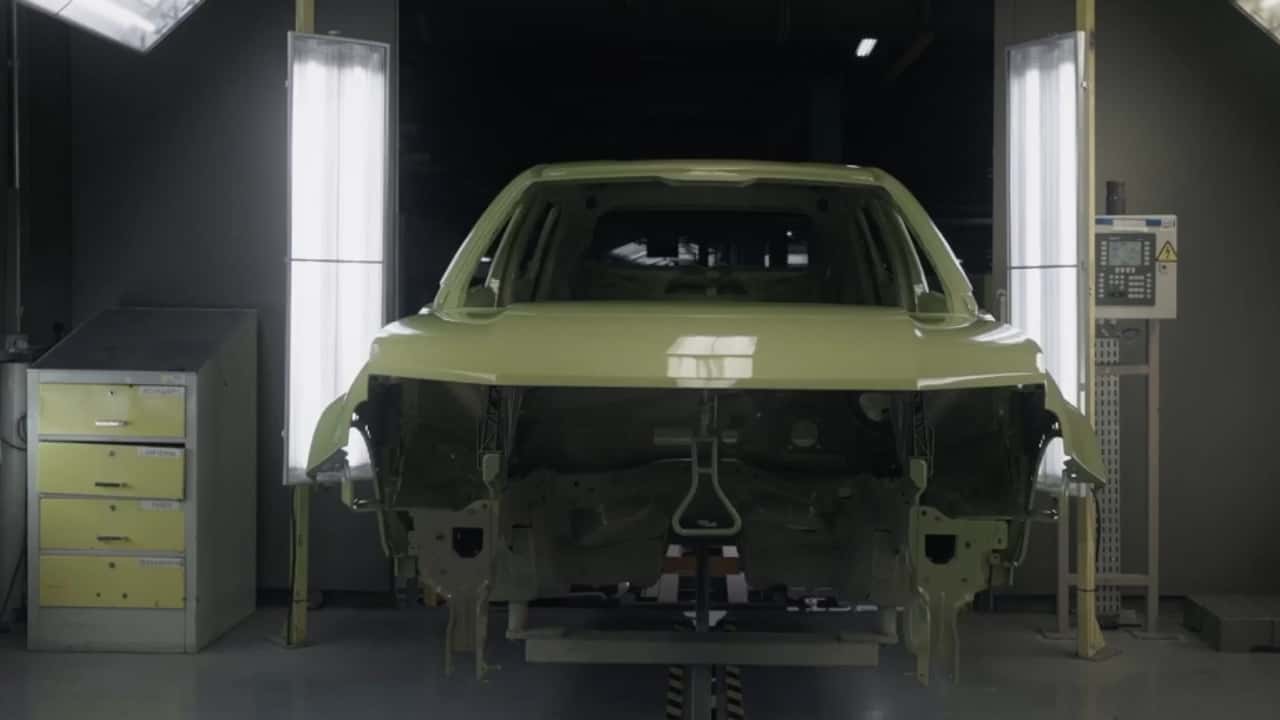
Jeep Avenger begins production in Brazil, debuting as the brand’s new entry-level SUV and inaugurating an unprecedented phase by becoming the first national Jeep manufactured outside of Goiana, as part of a R$ 3 billion plan.
-
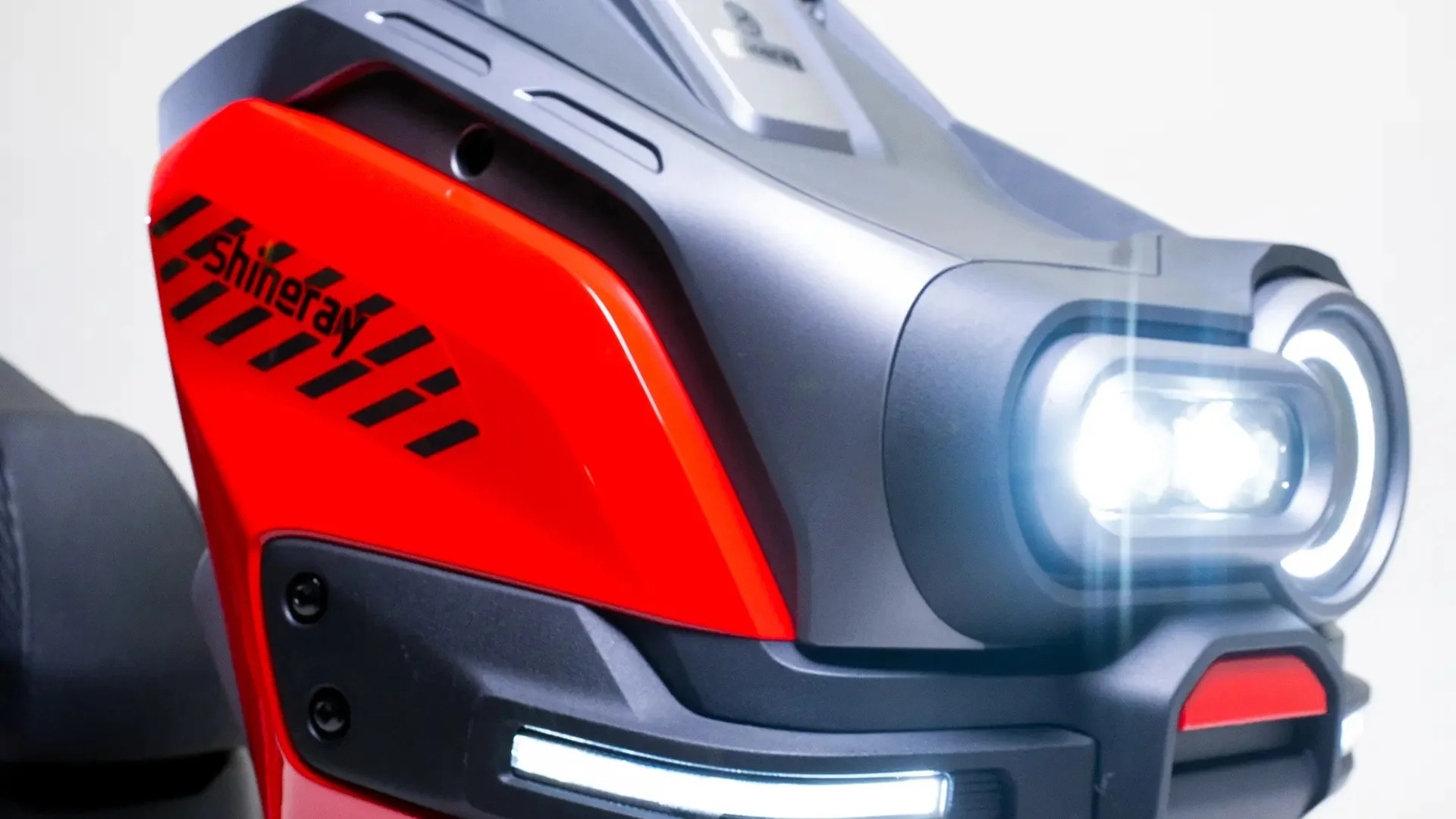
Costing R$ 12,490, the new Shineray Urban Lite 150 “cheap one” arrives in Brazil with a CVT transmission, digital dashboard, and LED lights, making it more affordable than the Biz and targeting those who want to abandon the bus.
-
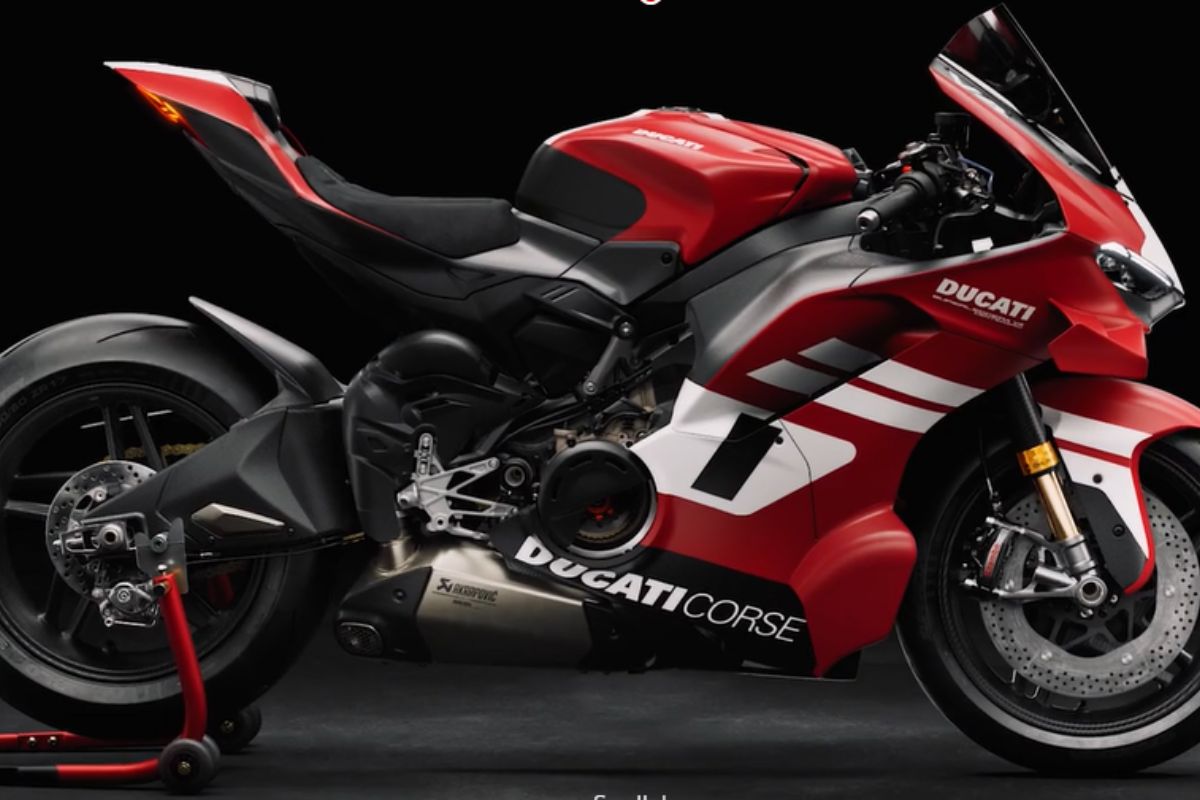
Ducati brings to Brazil the Superleggera V4 Centenario: 228 hp that become 247 with a track kit, carbon fiber and carbon-ceramic brakes, estimated price between R$ 1.5 and 2 million, deliveries only in 2027.

Focus on New Models
Porsche is exploring new model options, particularly in the SUV segment. Blume mentioned that a new series of SUVs, which may include combustion engines and hybrid options, is expected to hit the market by the end of the decade. This model flexibility may be a smart response to consumer preferences, which vary between performance and efficiency. Would you like to see more hybrid SUVs from Porsche in the future?
Additionally, the combustion and electric versions of the Panamera and Cayenne models are expected to coexist until the 2030 decade. Porsche is also moving forward with the development of the electric 718, which promises to be an exciting addition to its product line. This electric model could become an important milestone for the brand, especially considering the sporting appeal Porsche has always had.
Challenges Faced by the Manufacturer
Currently, Porsche is facing a series of challenges. In China, sales have plummeted, with consumers turning away from Western cars in favor of local brands. In the United States, the brand is vulnerable to tariffs, as it does not manufacture any of the vehicles it sells in the country, which could negatively impact its profit margins. In Europe, regulatory uncertainty and slower-than-expected growth of electric vehicles further complicate the situation.
In response to these challenges, Porsche is restructuring its operations to a target of 250,000 annual sales, reducing the workforce and emphasizing “value over volume.” This means the manufacturer is willing to sell fewer cars but with a greater focus on profitability. Do you agree with this approach? Do you think it’s more important to sell a large number of vehicles or to prioritize quality and profitability?
The Future of Porsche
“After an initially promising phase, it has now become clear that we were one step ahead of market developments,” commented Blume. He also stated that the transition phase to electric mobility is likely to be longer than initially imagined. Porsche is adopting a balanced approach, investing in combustion engines, hybrids, and electric sports cars.
In a scenario where the demand for electric cars is still on the rise, Porsche seems to be repositioning itself to not just survive but thrive, even in a rapidly evolving market. This strategy could be key for the brand to remain relevant and competitive in the coming years.
How do you see Porsche’s future in this changing landscape? Do you think the strategy of prioritizing hybrids will be effective? Share your thoughts and reflections in the comments!








Seja o primeiro a reagir!