





 Portuguese
  English
  Spanish
  4 min of reading
  0 comments


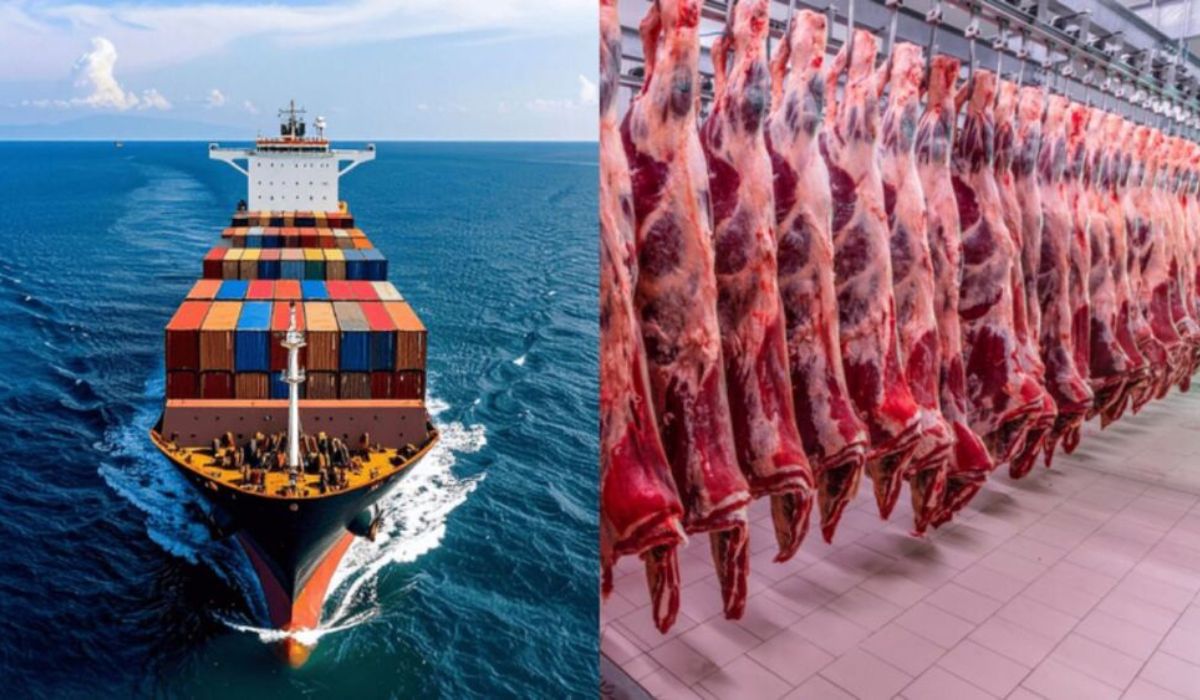
Agribusiness Exports Begin 2026 with Billion-Dollar Surplus, Even Amidst Falling International Prices and Changes in the Global Commodity Landscape.
Brazilian agribusiness exports totaled US$ 10.8 billion in January 2026, according to data released by the Ministry of Agriculture and Livestock.
This result represents a decrease of 2.2% compared to the same month in 2025.
Even so, the sector recorded a surplus of US$ 9.2 billion during the period.
-
The sugar-energy sector advances with agricultural technology, but agricultural productivity still raises concerns.

-
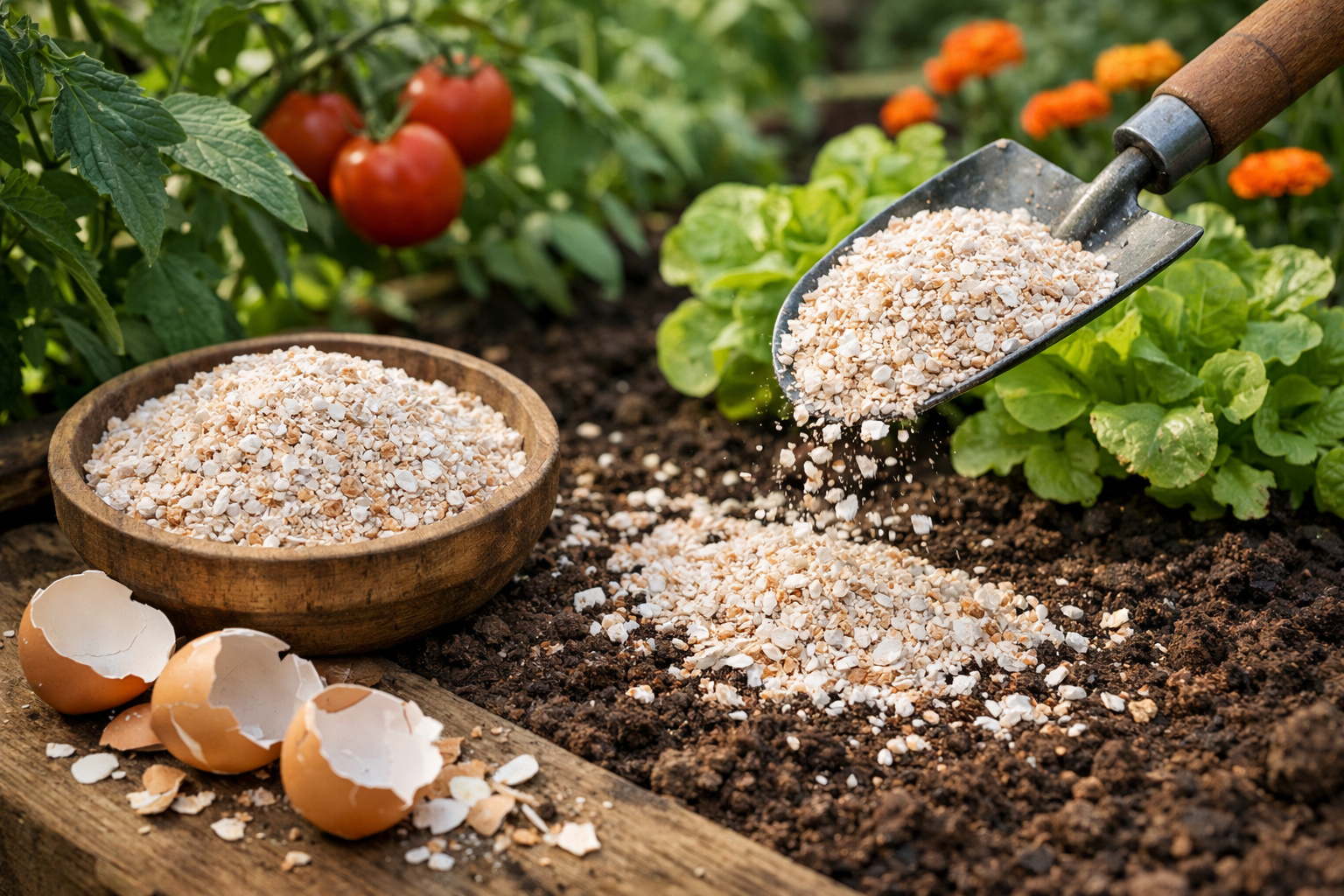
The eggshell that almost everyone throws away is made up of about 95% calcium carbonate and can help enrich the soil when crushed, slowly releasing nutrients and being reused in home gardens and vegetable patches.
-
This farm in the United States does not use sunlight, does not use soil, and produces 500 times more food per square meter than traditional agriculture: the secret lies in 42,000 LEDs, hydroponics, and a system that recycles even the heat from the lamps.

-
The water that almost everyone throws away after cooking potatoes carries nutrients released during the preparation and can be reused to help in the development of plants when used correctly at the base of gardens and pots, at no additional cost and without changing the routine.


The positive balance was influenced by a reduction in imports, which reached US$ 1.7 billion, a decline of 11.2% year-on-year.
Thus, even with the decrease in the exported value, the agribusiness trade balance maintained a significant result at the beginning of the year.
According to the federal government, January’s performance was the third highest in the historical series for the month.
In the overall Brazilian exports, agribusiness accounted for 42.8% of the total shipped during the period.
Falling International Prices Limit Growth of Agribusiness Exports
Although revenue decreased, the exported volume grew by 7.0% compared to January 2025.
The increase in the quantity shipped was not sufficient to offset the 8.6% reduction in the average price of products sold abroad.
According to the Ministry of Agriculture, the drop in international prices of some major commodities contributed to this movement.


The Food Price Index of the Food and Agriculture Organization of the United Nations (FAO) recorded a decline in January compared to December of the previous year, reflecting global market behavior.
The combination of greater volume and lower prices explains the retraction in the total export value, even though the presence of Brazilian products remained in the main destinations.
China, European Union, and United States Lead Purchases from Brazilian Agribusiness
The ranking of the largest importers of Brazilian agricultural products remained unchanged in January.
China led the purchases, with US$ 2.1 billion, equivalent to 20% of the total exported by the sector.
Following are the European Union, with US$ 1.7 billion and a share of 11%, and the United States, with US$ 705 million, which corresponds to 6.6% of agribusiness exports for the month.
In addition to these markets, the government reported a 5.7% increase in sales to countries of the Association of Southeast Asian Nations (ASEAN), compared to January 2025.
The bloc includes economies such as Indonesia, Vietnam, Thailand, Malaysia, the Philippines, and Singapore, among others in the region.
Official data also indicate an increase in purchases by the United Arab Emirates, Turkey, the Philippines, Iran, Yemen, Iraq, Chile, Saudi Arabia, Japan, and Morocco, considering absolute values and percentage variation compared to the same month of the previous year.
Meats and Soy Complex Concentrate Most of the Sector’s Revenue
Among the exporting sectors, meats led the revenue in January, with US$ 2.58 billion, representing 24.0% of the total agribusiness.
The value was 24.0% higher than that recorded in January 2025.
The soy complex ranks second, with US$ 1.66 billion and a share of 15.4% in the agenda, in addition to a 49.4% growth compared to the previous year.

Forestry products totaled US$ 1.38 billion, equivalent to 12.8% of sector exports, but showed a decline of 8.8% compared to the same period last year.
Meanwhile, the cereals, flours, and preparations group reached US$ 1.12 billion, with an increase of 11.3%.
Coffee accounted for US$ 1.10 billion, with a drop of 24.7% year-on-year.
In the sugar-alcohol complex, external sales reached US$ 0.75 billion, a decrease of 31.8% compared to January 2025.
Chilled Beef Leads Among Exported Products
In product details, chilled beef was the highest value item exported in the month.
Total sales reached US$ 1.3 billion, with the shipment of 231.8 thousand tons destined for 116 countries.
Purchases by the United States of this product grew 93% in January, according to the balance released by the Ministry of Agriculture.
Non-Traditional Products Set Records in January
The government’s report also recorded monthly records in items that are not part of the main group of agribusiness exports.
Crude glycerin reached the highest value and volume ever recorded for January.
Corn oil also hit a record both in revenue and in quantity shipped.

A similar situation was observed for fresh papayas and snappers, which registered all-time highs for the month.
Beer and eggs complete the list of products that reached record values exported in January 2026, according to official data.
Government Attributes Result to Sanitation and Trade Negotiations
Commenting on the results, Minister of Agriculture Carlos Fávaro stated that actions in the sanitary area and trade negotiations contributed to the export performance.
Among the points mentioned were Brazil’s international recognition as free of foot-and-mouth disease without vaccination and the recovery of the status of free from avian influenza after the registration of a single outbreak.
The ministry also cited advances in negotiations with the United States that resulted in the removal of additional tariffs on certain Brazilian products, including chilled beef.
According to the Secretary of Commerce and International Relations, Luis Rua, since 2023, 535 new markets have been opened for Brazilian agribusiness products, with 10 opened in January 2026 alone.
He mentioned initiatives such as AgroInsight, webinars, and the Agroexporter Caravan as actions aimed at expanding access for producers and exporters to the external market.









-

2 pessoas reagiram a isso.