





 Portuguese
  English
  Spanish
  4 min of reading
  0 comments


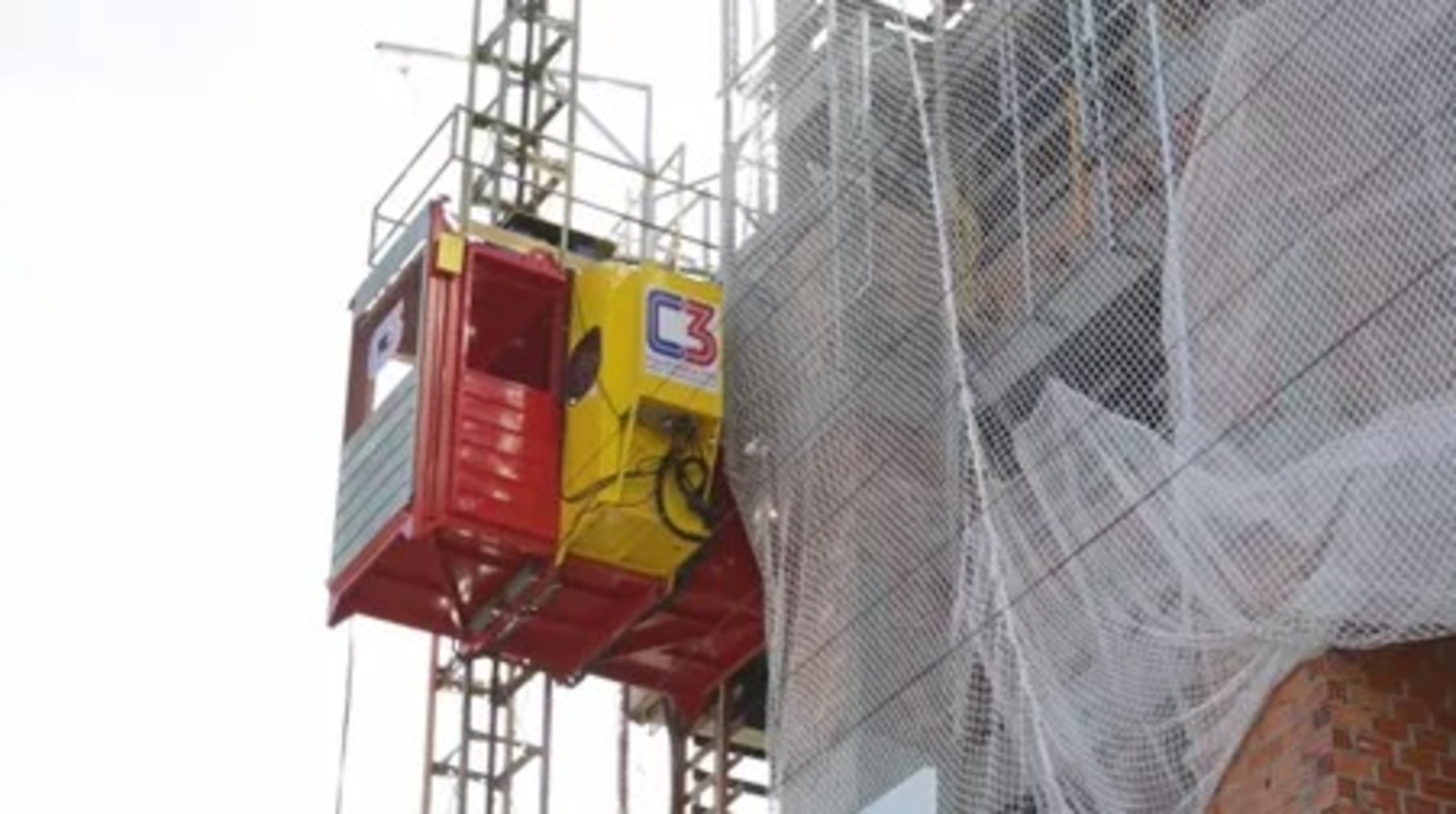
Rack And Pinion Elevator Gains Space In Brazilian Construction Sites By Accelerating Vertical Transport, Reducing Operational Risks, And Improving Productivity In Sites With Taller Buildings
The expansion of vertical construction in Brazil has increased the adoption of the rack and pinion elevator on job sites. The equipment has begun to ensure fast and safe vertical transport of materials and teams, reducing delays, increasing productivity, and strengthening safety standards on sites.


Growth Of Vertical Construction Drives Vertical Logistics
The verticalization of construction in Brazil is advancing with new residential ventures, corporate buildings, and increasingly taller industrial structures.
This scenario has increased the demand for solutions capable of maintaining efficient movement between floors.
-
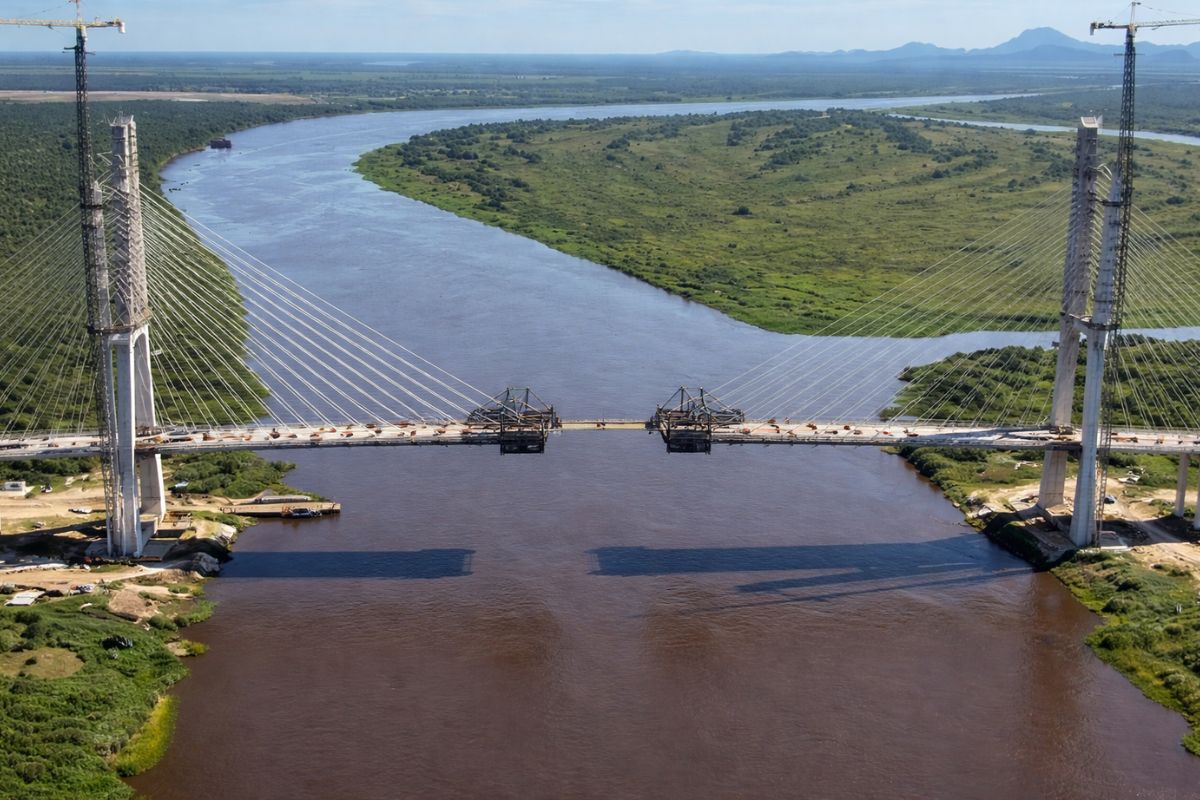
Only 46 meters remain for Brazil and Paraguay to connect via the Bioceanic Route bridge, the project that will link the Atlantic to the Pacific by land and change the logistical map of four countries in South America.
-
The bridge that holds the largest stone railway arch in the world: built over 100 years ago, destroyed in the war, and rebuilt to continue operating to this day, it still carries trains over the Soča River in Slovenia.

-
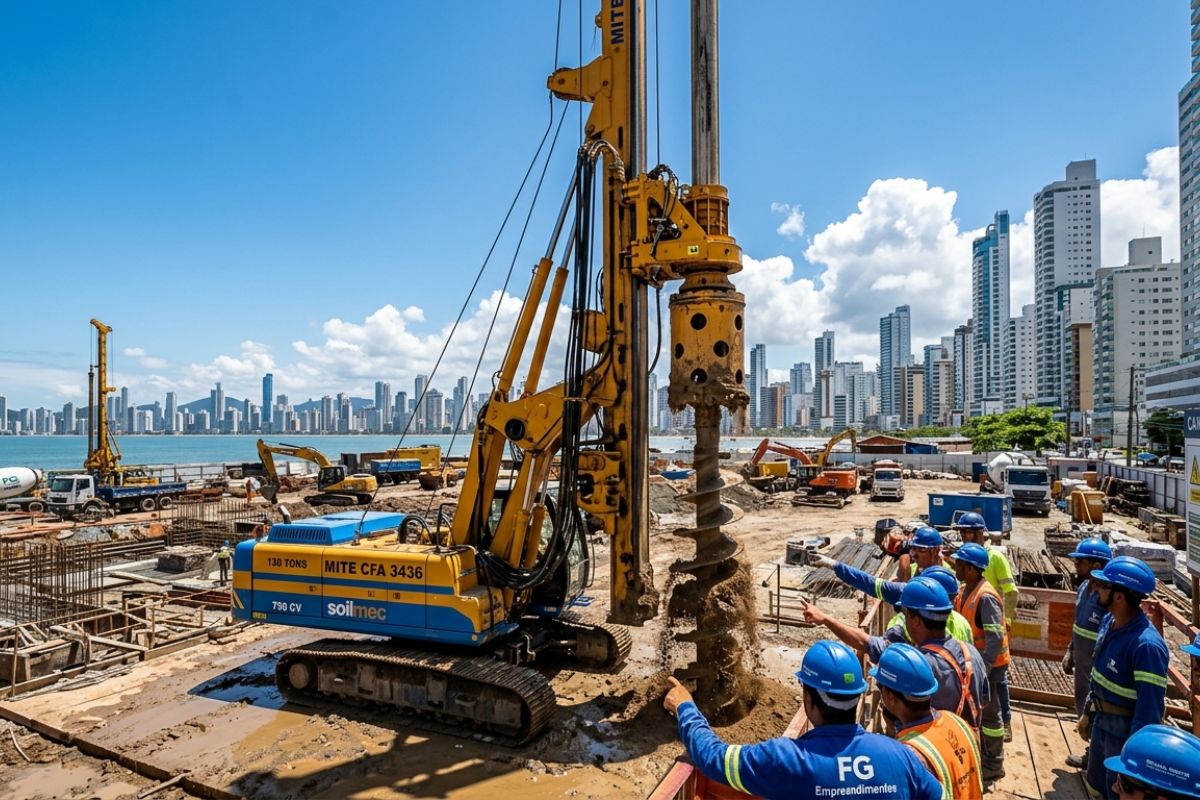
Italian giant of 130 tons arrives at the Senna Tower construction site and accelerates foundations: Mite CFA 3436 drills up to 50 m, 750 hp engine, investment of R$ 20 million, unique in Latin America.
-
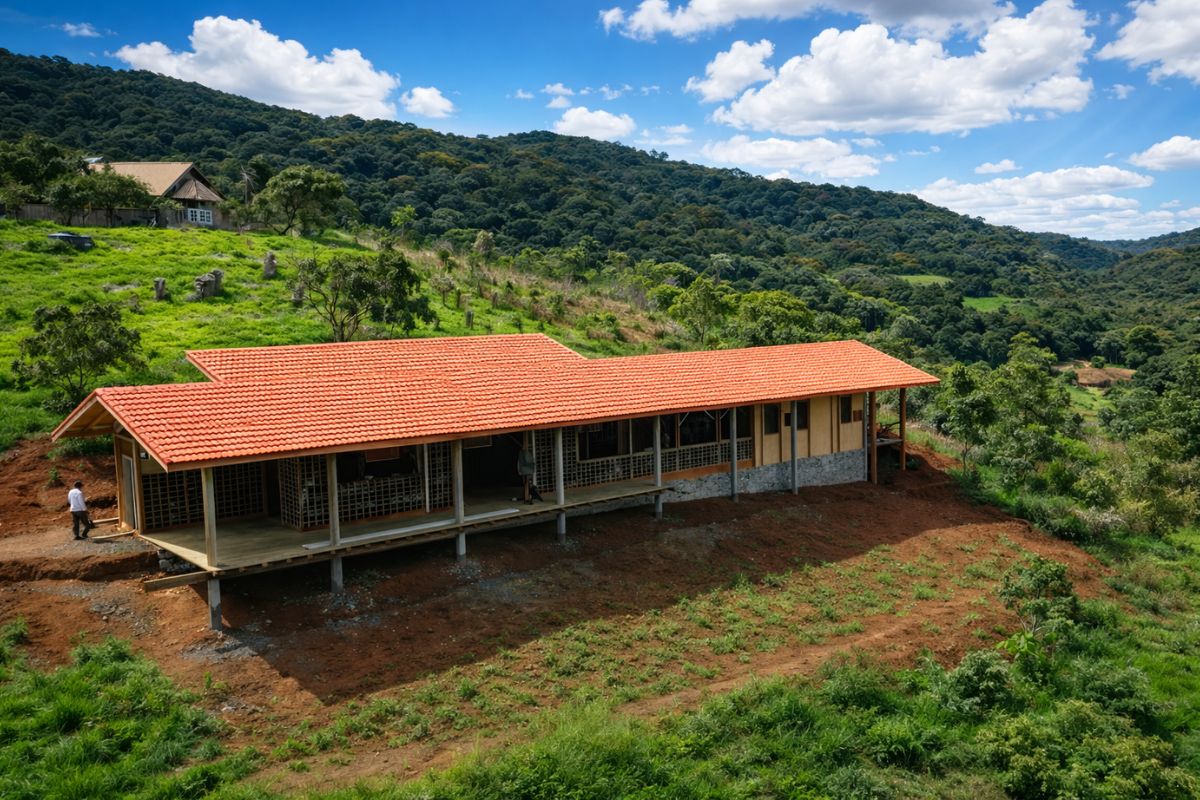
The adobe house in Monteiro Lobato takes shape with bamboo and clay from the land, a stone foundation, and a roof for the wind; cracks are normal, and finishing with lime turns it into a “common house.”

In modern job sites, the time spent on internal movements directly impacts the schedule. Slow or improvised systems can generate delays and compromise the productivity of teams responsible for different stages of the construction.
In this context, the rack and pinion elevator has become an essential piece of equipment for internal logistics. The system has begun to organize vertical transport, ensuring safe and continuous movement of workers and materials.
As a result, an operational model based on three main pillars has consolidated: increased productivity, reduced risks, and fewer stops during the progress of activities.
Logistical Issues Before System Adoption
Before the popularization of the rack and pinion elevator, vertical transport was one of the main bottlenecks in construction.
The lack of standardization led teams to use improvised hoists or make repetitive trips up and down the stairs.
These solutions caused significant loss of productive time, especially on higher floors. The impact was felt directly in the progress of daily activities.
Vertical logistics also influenced various work fronts, including structure, masonry, installations, and finishing.
When movement did not function properly, accumulated delays could compromise different stages of the project.
Another recurring problem was the increase in the risk of accidents. Prolonged climbs caused fatigue among workers and increased the likelihood of falls, creating a more vulnerable operational environment.
Operation And Application Of Rack And Pinion Elevator
The shift in logistical standards occurred when construction companies realized that improvisations could not keep up with the pace of current buildings. The rack and pinion elevator began to meet three main demands of the sector.
The first is continuous and precise operation, which allows for a constant flow of people and materials. This operation helps to prevent interruptions in the progress of activities on the site.
The second demand relates to load capacity. The equipment allows for transporting heavy materials and technical teams in the same system, enhancing the efficiency of movements.
The third demand involves safety. The equipment replaces manual systems, hoists, and cables that did not meet current regulatory requirements, such as NR-18.
With these characteristics, the rack and pinion elevator has begun to be used in industrial works, vertical residential projects, logistics centers, infrastructure projects, and commercial buildings.
Embedded Technology Increases Operational Accuracy
More recent models of rack and pinion elevator incorporate electronic systems that enhance operation. These features allow for better control of movement and improved alignment with floors.
An example is the equipment developed by C3 Equipamentos, which uses a stop system based on encoders. The mechanism identifies the position of the cabin and allows for better alignment of the equipment.
Another feature is automatic speed control. The system analyzes the load condition and adjusts the ideal speed for each movement made on the site.
This combination favors more stable and predictable movements, contributing to greater safety and efficiency in vertical transport.
Transport Capacity And Productivity Gains
When integrated into the site, the rack and pinion elevator significantly reduces vertical transport time. This keeps the flow of the work continuous and allows different floors to operate simultaneously.
The system also enhances the safety of activities and reduces risks related to inadequate working conditions. Furthermore, it avoids penalties associated with practices considered precarious.
One example cited is the model from C3 Equipamentos, which offers a large internal transport area. The equipment can carry up to 18 people or palletized loads of 1,500 kg in a single trip.
This additional volume improves the daily flow of teams and materials, optimizing movements throughout the day.
Safety Regulations And Financial Return
The rack and pinion elevator also reinforces the safety culture on construction sites. The equipment is manufactured according to NR-18 and follows applicable ABNT standards related to stability, collective protection, and load capacity.
Among the devices present are speed limiters, automatic mechanical locks, and efficient braking systems. These mechanisms help to prevent uncontrolled descents and enhance operational protection.
Periodic inspections and preventive maintenance ensure that the system operates within the required parameters. This care differentiates suppliers that treat safety as an operational priority.
The financial gain is also evident in practice. In a 20-story building, a movement that would take between 8 and 12 minutes can be completed in less than 1 minute with the rack and pinion elevator.
This time reduction, repeated several times a day by different teams, frees up dozens of productive hours throughout the week and accelerates the physical advancement of the construction.
When combined with greater schedule stability, which can achieve more than 45% efficiency in execution, the result is a direct financial return for construction companies.
With information from Brasil 247.








Seja o primeiro a reagir!