





 Portuguese
  English
  Spanish
  6 min of reading
  0 comments


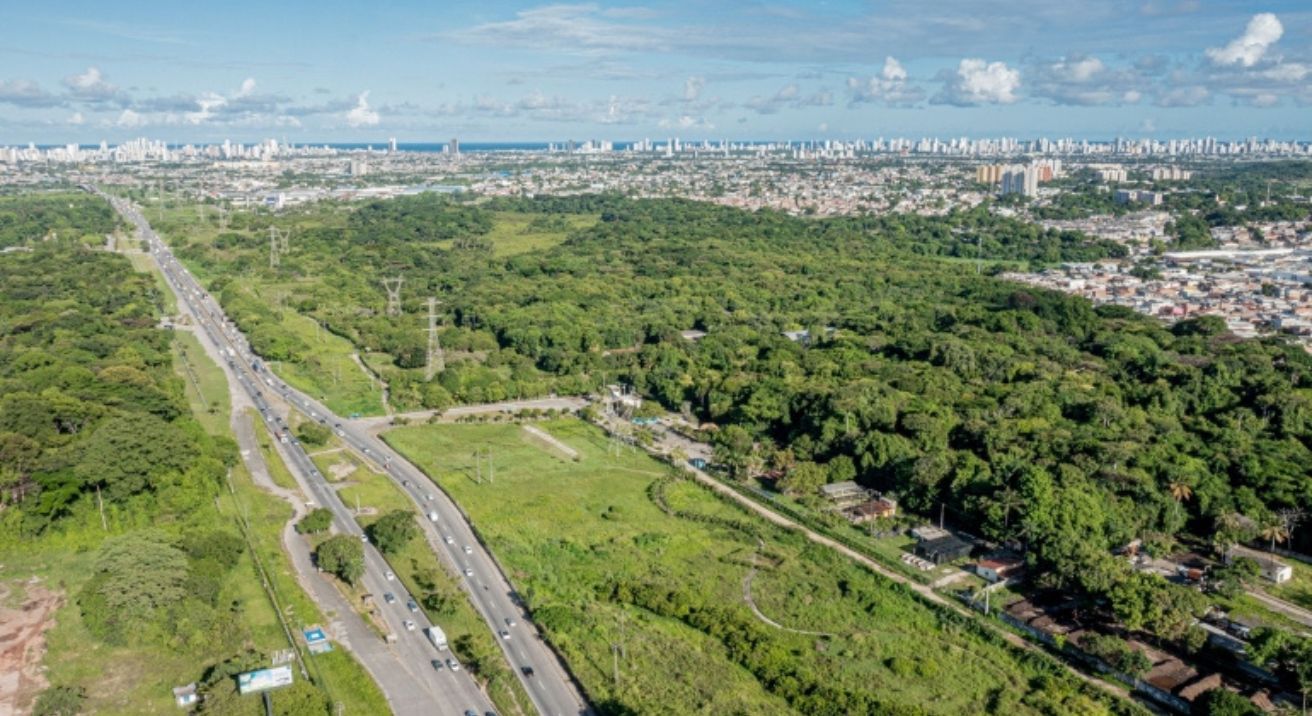
Recife Receives International Tree Cities of the World Award from FAO/UN After Achieving 60.11 m² of Green Area Per Inhabitant and Estimated Annual Savings of R$ 180 Million with Sustainable Urban Afforestation.
Recife received the international certification Tree Cities of the World in 2023 awarded by the Food and Agriculture Organization of the United Nations (FAO/UN) in partnership with the Arbor Day Foundation. The title places the capital of Pernambuco among 168 cities in 21 countries worldwide recognized for exemplary management of urban afforestation. The award confirms an index of 60.11 m² of green area per inhabitant, five times higher than the minimum recommendation by the World Health Organization of 12 m².
International recognition validates a sustainable economic model that transforms afforestation into a measurable financial asset. Vegetation cover of 91.9 km² representing 42.1% of the municipal territory generates an estimated annual saving of R$ 180 million through reduced electricity consumption for climate control. Ambient temperature drops by up to 3°C in tree-covered areas, decreasing dependency on air conditioning, especially in tropical climates.
Management Model Generates R$ 180 Million in Energy Savings
The technical management of urban afforestation in Recife has produced 259,565 cataloged trees, with 159,304 individuals in public spaces and 100,261 within private lots.
-
Friends have been building a small “town” for 30 years to grow old together, with compact houses, a common area, nature surrounding it, and a collective life project designed for friendship, coexistence, and simplicity.

-
This small town in Germany created its own currency 24 years ago, today it circulates millions per year, is accepted in over 300 stores, and the German government allowed all of this to happen under one condition.

-
Curitiba is shrinking and is expected to lose 97,000 residents by 2050, while inland cities in Paraná such as Sarandi, Araucária, and Toledo are experiencing accelerated growth that is changing the entire state’s map.

-
Tourists were poisoned on Everest in a million-dollar fraud scheme involving helicopters that diverted over $19 million and shocked international authorities.


A georeferenced forest inventory system allows real-time monitoring of the condition of each specimen, including health, risk of fall, and maintenance needs. This technology positions the municipality as a reference in urban forestry in Latin America.


A reduction in ambient temperature between 2°C and 3°C in well-treed areas drastically decreases the use of artificial climate systems.
A study by the USDA Forest Service in the United States shows that large trees on the west side of buildings provide a greater average reduction in energy consumption for cooling. The savings multiply when considering 1.5 million inhabitants and thousands of commercial establishments.
A conservative estimate indicates a 15% savings on energy consumption in residential and commercial neighborhoods with tree cover above 50%. Applying this percentage to the average annual electricity bill in a humid, warm metropolitan region results in an aggregated saving of R$ 180 million per year. This value does not account for additional benefits such as reductions in public health costs due to respiratory illnesses.
Conservation Units occupy approximately 38% of the territory, complementing the urban park system.
The Municipal Natural Park Reserve of Dois Irmãos, with 387.4 hectares of preserved Atlantic Forest, acts as a thermal regulator affecting the microclimate of adjacent neighborhoods. Public investment in maintenance returns multiplied through economically valued ecosystem services.
Real Estate Appreciation Reaches up to 30% in Green Areas
The real estate market quantifies the direct economic impact of afforestation through property valuation. Studies in multiple Brazilian cities demonstrate that properties located near tree-covered parks or in well-shaded streets exhibit appreciation between 15% and 30% compared to areas without vegetation cover. Neighborhoods such as Jaqueira and Casa Forte consolidate premium positioning based on environmental quality.
Appreciation occurs due to multiple converging factors. Thermal comfort provided by shade reduces the internal temperature of buildings, lowering operational costs. Superior air quality in tree-covered areas attracts conscious buyers willing to pay a premium for a healthy environment. The perception of exclusivity in green neighborhoods creates demand that sustains high prices.
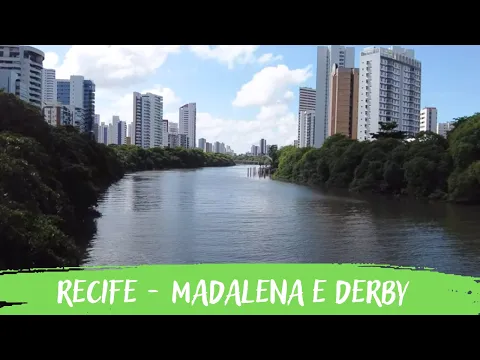
Benfica Street in the Madalena exemplifies this phenomenon. The green tunnel formed by century-old trees has created a visual identity that enhances the value of commercial and residential properties above the regional average.
Commercial establishments report higher client foot traffic attracted by the pleasant environment for pedestrian circulation. The cascading effect benefits the entire local economy, generating jobs and tax revenues.
The municipal systematic planting program in peripheral neighborhoods serves as a tool for social inclusion through asset appreciation.
Residents of areas previously devoid of vegetation see their family wealth appreciate as afforestation consolidates. This strategy combats urban inequality using nature as a vector for distributed economic development.
The market for inns and boutique hotels in tree-lined neighborhoods such as Casa Forte and Aflitos is growing, supported by tourists seeking a differentiated urban experience.
Business tourism appreciates accommodations in green areas where ambient temperatures allow for comfortable walks. The sector generates 4,200 direct jobs according to the Brazilian Hotel Industry Association in Pernambuco.
FAO Certification Validates Five Rigorous Technical Criteria
Tree Cities of the World Program evaluates candidates through five mandatory criteria. The first criterion requires clear institutional responsibility through a department or secretariat dedicated exclusively to the management of urban trees.
Recife meets this requirement through the Urban Maintenance and Cleaning Authority (EMLURB), which employs 220 specialists in afforestation.
The second criterion demands the existence of specific legislation protecting trees and regulating planting, pruning, and removal.
The municipality has a robust Environmental Code establishing fines between R$ 500 and R$ 50,000 for illegal vegetation suppression. The legal framework prohibits cutting native species without technical authorization and mandatory environmental compensation.
The third criterion requires an updated forest inventory documenting the location, species, size, and health condition of each tree. The computerized system in Recife georeferences 259,565 individuals, allowing data-driven planning. This technology identifies deficient areas, prioritizing investments in regions with an index below 12 m² per inhabitant.
The fourth criterion demands an annual budget specifically allocated for urban afforestation. The city allocates R$ 18 million annually for the planting of 12,000 seedlings, preventive maintenance of 45,000 trees, technical pruning of 8,000 specimens, and emergency removal of specimens at risk of falling. Resources also fund the municipal nursery, producing 30,000 seedlings per year.
The fifth criterion values an annual celebration of afforestation involving the community. Recife holds Tree Week in September with educational programming in schools, planting campaigns in neighborhoods, and awards for the best-treed public spaces. Civic engagement ensures an 85% survival rate for planted seedlings, surpassing the national average of 60%.
Replicable Model Attracts Consultation from 15 Brazilian Cities
The success of Recife’s management has made the municipality a reference consulted by other capitals. Administrations from São Paulo, Rio de Janeiro, Fortaleza, Salvador, and Brasília have requested technical visits to study the methodology for georeferenced inventory and planting prioritization system. Knowledge sharing accelerates the advancement of urban forestry nationally.
A continuous training program trains 80 technicians annually in botanical identification, pruning techniques, phytosanitary management, and community relations.
Specialized professionals respond to requests through telephone 156 with an average response time of 15 days. Operational efficiency maintains public satisfaction at 78%, according to a survey by the City Hall.
Partnerships with federal universities develop research on native species most adapted to tropical urban climates. Studies identified 18 species of Atlantic Forest with high potential for urban afforestation, combining moderate growth, non-aggressive root systems, and resistance to air pollution. Scientific knowledge underpins technical choices, avoiding mistakes that generate conflicts with infrastructure.
A network of 12 urban parks distributes access to nature democratically throughout the territory. Jaqueira Park, with 7.5 hectares in the neighborhood of the same name, receives 15,000 weekly visitors engaging in physical activities, cultural events, and family leisure. This public facility is valued at R$ 25 million and generates savings in public health by reducing sedentary lifestyles and associated diseases.
Upcoming Challenges Include Renewal of Century-Old Trees
The natural aging of trees planted between 1940 and 1970 presents a complex technical challenge. It is estimated that 32,000 individuals over 50 years old will need to be gradually replaced in the next 15 years. Long-term planning schedules staggered planting to ensure a transition without loss of total tree cover.
Climate change requires adaptation of selected species. The average temperature increase of 1.5°C over the last 30 years and changes in rainfall patterns demand a review of the list of recommended species.
Researchers are testing 25 native species with greater tolerance to water stress and heat waves expected in the coming decades.
Urban expansion toward rural areas threatens preserved Atlantic Forest fragments. The master plan approved in 2023 establishes Special Environmental Preservation Zones connecting vegetation patches through ecological corridors. This strategy reconciles urban growth with maintaining the current index of green area per inhabitant.
Recife demonstrates that urban afforestation transcends environmental benefits, transforming into a measurable economic asset. UN Tree Cities of the World certification validates a model that generates R$ 180 million annually in energy savings, appreciates properties by up to 30%, and positions the municipality as a reference in sustainable management.










Seja o primeiro a reagir!