





 Portuguese
  English
  Spanish
 5 min of reading
  0 comments


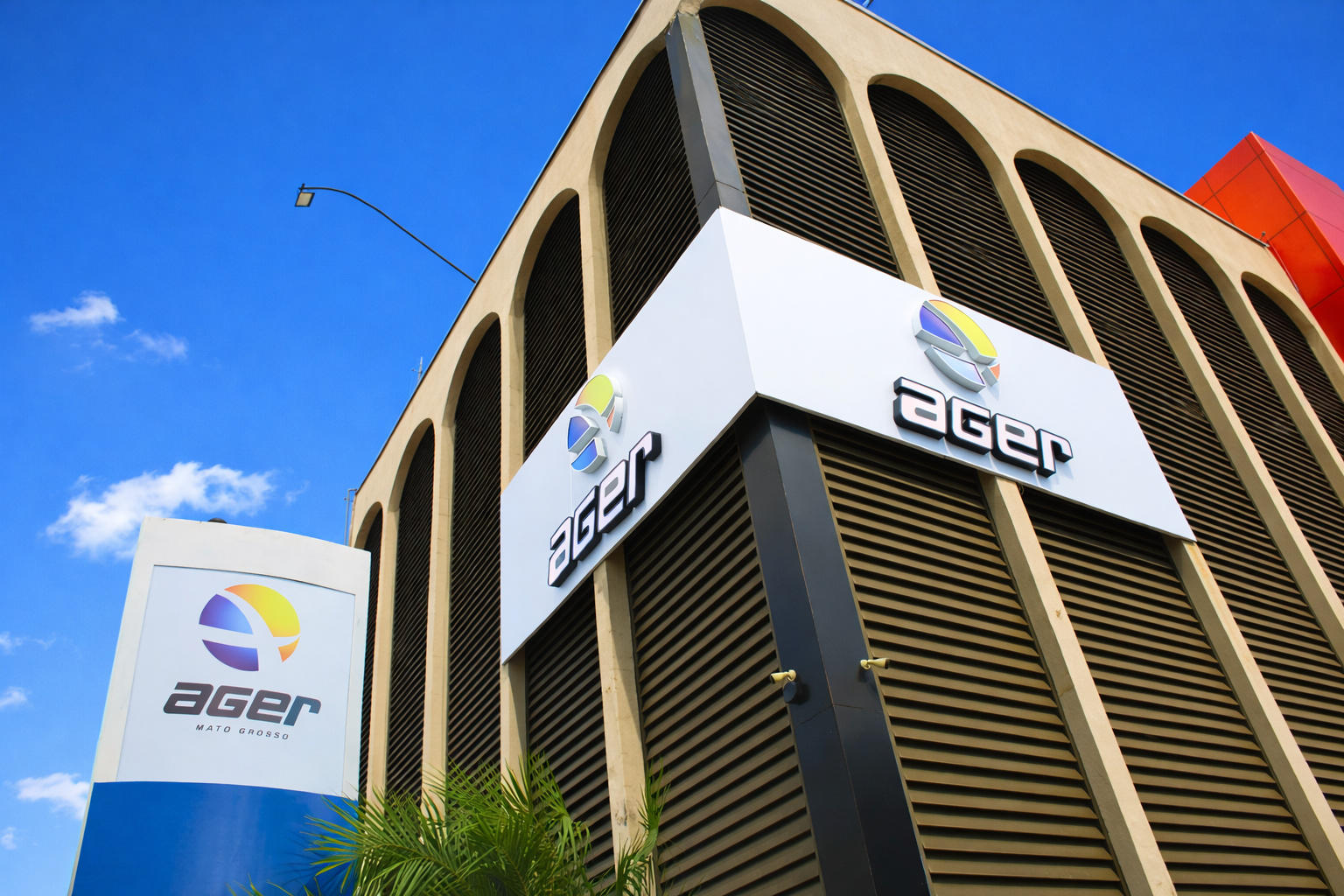
Natural Gas Tariff Reduction Approved by Ager-MT with Defined Percentage for Different Consumption Categories
The natural gas tariff reduction in Mato Grosso may reach 4.44% following the decision by the Regulatory Agency for Public Delegated Services of the State of Mato Grosso (Ager-MT), which approved new prices for supply in the state.
The measure affects residential, commercial, industrial consumers, and GNV stations, with percentages varying according to category and contracted volume. The revision is part of the periodic regulatory process that updates the costs of natural gas distributed in the state.
According to Ager-MT, the reduction is mainly due to the update of gas acquisition costs and components outlined in the concession contract. The agency evaluated economic and technical data before authorizing the new values.
-
Petrobras evaluates suspension of sales to distributors and considers canceling the cooking gas auction following guidelines from the Federal Government.
-
Lula reveals a masterstroke by Petrobras to undo a deal made by Bolsonaro, which involves the return of an important refinery that currently produces less than half of what was expected and makes Brazil dependent on international diesel.
-
A study confirms that the natural gas sector will reduce greenhouse gas emissions in Brazil by 0.5% and accelerate the energy transition by 2026.

-
Petrobras implements a severe adjustment and confirms a 55% increase in the price of aviation kerosene with a proposal for installment payments for the companies.


Understand How the Process Led to Approval
The process began with a technical analysis of the supply contracts and cost spreadsheets from the company responsible for distributing natural gas in Mato Grosso. Agency technicians examined the prices charged, the variation in the cost of the gas molecule, and the charges levied on the service.
After this stage, the technical department prepared a report with the new percentages. Following this, the collegiate board of Ager-MT evaluated the proposal and deliberated on the tariff adjustments.
According to representatives of the regulatory agency, the revision adheres to contractual criteria and tracks fluctuations in the energy market. The board emphasized that the function of regulation is to balance the economic sustainability of the concession with consumer protection.
Percentages Vary According to Consumer Type
The reduction in natural gas tariffs does not present a single percentage for all users. Industrial consumers may experience a different impact compared to residential or commercial customers.
In the industrial segment, where consumption tends to be higher and continuous, the variation can directly influence production costs. In the residential sector, the effect tends to appear on monthly bills for natural gas used for cooking and heating.
Stations selling vehicular natural gas (GNV) are also included in the revision. In this case, the adjustment may reflect in the final price to the consumer, depending on the policy adopted by the establishments.
Natural Gas Plays a Strategic Role in the State Economy
Natural gas plays a significant role in the energy matrix of Mato Grosso. Industries use the input in production processes, while commercial establishments use the fuel in industrial kitchens and thermal systems.
Additionally, GNV serves as an alternative for drivers seeking savings compared to gasoline and ethanol. Therefore, any tariff change has a direct impact on various sectors of the economy.
Energy specialists highlight that natural gas contributes to the diversification of the energy matrix, as it emits fewer pollutants than heavier fossil fuels.
Tariff Reviews Follow Contractual Rules
Ager-MT explained that the reviews follow formulas outlined in the concession contract. The agency analyzes variations in the cost of gas acquisition, operational expenses, and economic indicators.
When costs decrease, the agency authorizes a tariff reduction. When they increase, a positive adjustment may occur. The mechanism aims to ensure the economic and financial balance of the concession without compromising tariff modesty.
According to the board of the agency, transparency in the regulatory process strengthens legal security and provides predictability to the market.


Impact of the Natural Gas Tariff Reduction May Stimulate Productive Sectors
The reduction in natural gas tariffs can directly benefit the industrial sector, which uses the fuel as an energy input. Lower costs can enhance competitiveness and improve operational margins.
In commerce, restaurants and bakeries that rely on piped gas may also feel financial relief. However, the real impact will depend on the volume consumed and the cost structure of each business.
Meanwhile, residential consumers may notice a slight decrease in their monthly bills, especially during periods of higher usage.
National Context Influences Local Decisions
The natural gas market in Brazil has undergone structural changes in recent years. The opening of the sector and the increase in supply aim to stimulate competition and reduce prices for the final consumer.
Furthermore, the country is discussing the expansion of transportation and distribution infrastructure. States that consolidate more efficient networks tend to attract industrial investments.
Within this scenario, state regulatory decisions gain strategic relevance. The reduction in natural gas tariffs in Mato Grosso aligns with the logic of periodic updating based on real costs.
Legal Security and Economic Balance
Agency representatives emphasized that the goal of regulation is to maintain a balance between the concessionaire and the consumer. The tariff review does not represent an isolated measure but is part of a technical process outlined in the contract.
The board highlighted that the agency constantly monitors energy sector indicators. If new factors alter gas acquisition costs, the agency may conduct a new assessment.
This model provides predictability for investors and service users.
What Changes for the Consumer from Now On
With the approval of the natural gas tariff reduction, the new values will be included in the bills issued after the official effectiveness of the decision.
Consumers should check their upcoming bills for a breakdown of the updated amounts. Companies that use natural gas as an input may re-calculate operational costs based on the new percentages.
Drivers using GNV should monitor possible adjustments at the stations, as the final price also depends on commercial margins and taxes.
Natural Gas Tariff Reduction Reinforces the Importance of Regulation in the Energy Sector
Ager-MT’s decision demonstrates how regulation directly impacts the daily lives of the population and the performance of the economy. Tariff adjustments influence everything from household bills to industrial cost structures.
Moreover, natural gas plays a significant role in Brazil’s energy transition, as it results in lower carbon emissions compared to other fossil fuels.
With the new tariff definition, Mato Grosso registers a movement aligned with the dynamics of the energy market, which requires constant updates and decisions based on technical criteria.
The reduction in natural gas tariffs, therefore, represents a measure with a direct impact on residential consumers, commerce, industry, and the automotive sector, consolidating the role of regulation in the pursuit of economic balance and transparency in public delegated service.









Seja o primeiro a reagir!